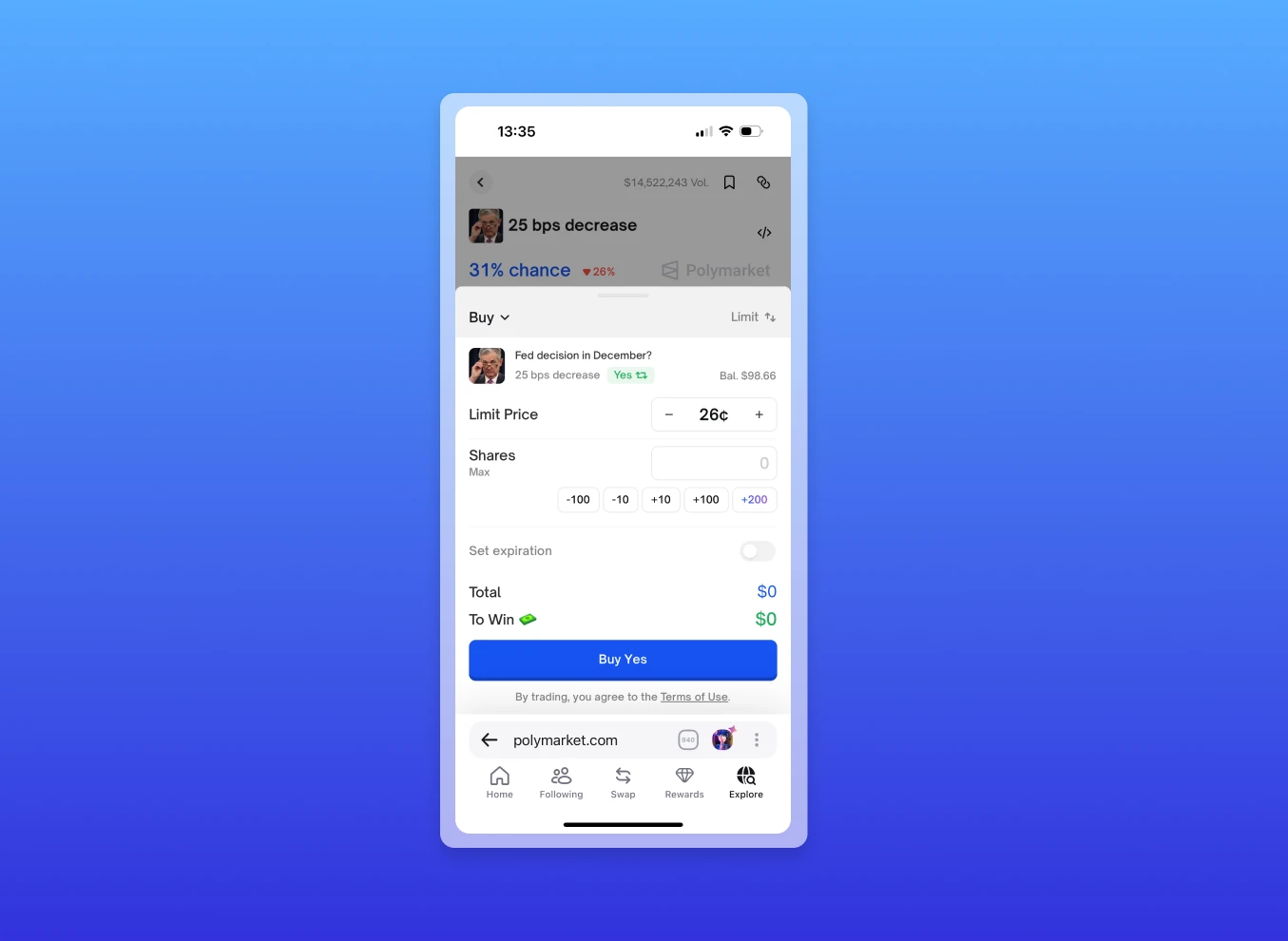
How to deposit on Polymarket without wallet hassles. Learn funding steps, supported deposit methods, and key checks before you start.
You've heard the buzz about prediction markets and maybe even spotted opportunities to bet on everything from election outcomes to the next best memecoins to explode in value. Polymarket has become the go-to platform for these forecasts, but there's one hurdle that stops most people cold: figuring out how to actually get funds onto the platform. If you've ever stared at wallet addresses, bridge protocols, and USDC requirements, wondering where to even start, you're not alone in feeling overwhelmed by the deposit process.
That's where Bullpen's buy crypto solution changes everything for newcomers and experienced traders alike. Instead of juggling multiple wallets, converting currencies through several platforms, and worrying about transaction fees eating into your deposit, you get a streamlined path that connects your traditional payment methods directly to your Polymarket account.
Summary
The deposit process on prediction market platforms deters up to 70% of potential users from completing their first transaction, according to Stripe's 2024 research on crypto onboarding. The barrier isn't a lack of technical capability or interest. It's the fragmented sequence of steps (wallet setup, exchange withdrawals, network selection, bridging) that each introduce new terminology and failure points.
Network mismatches cause most deposit failures and lead to disproportionately costly mistakes. Users buy USDC on Ethereum because exchanges default to it, then discover Polymarket operates on Polygon after their funds have already landed on the wrong chain.
The cognitive load exceeds the technical complexity in modern crypto deposits. Wallets, exchanges, bridges, and platforms operate as disconnected systems that don't communicate dependencies or guide users through sequencing. The user becomes the integration layer, manually stitching together tools that should function as one flow.
Error feedback remains the critical missing piece in deposit infrastructure. When funds land on the wrong network, transactions appear successful from the blockchain's perspective, while platform balances remain at zero. No error message explains what happened. No suggestion appears for recovery.
Social proof and performance transparency change trading behavior when combined with simplified infrastructure. Platforms that show verified profit and loss data, live leaderboards, and real-time notifications when high-performing accounts open positions replace speculation with evidence.
Bullpen's buy crypto addresses this by collapsing wallet creation, network routing, token conversion, and fee optimization into a single automated flow that connects payment methods directly to trading accounts.
Table of Contents
Most Users Get Stuck Before They Even Deposit
The deposit process fails most people before they understand what went wrong. They arrive expecting simplicity, a single button that connects their bank account or credit card to their Polymarket balance, and instead encounter a maze of unfamiliar steps. Setting up a wallet, selecting the correct blockchain network, transferring funds, and bridging assets across chains. Each action introduces new terminology, new interfaces, and new opportunities to make a mistake that locks up their money or sends it to an irretrievable location.
The Onboarding Friction Gap
The numbers tell the story more clearly than any tutorial could. Stripe's 2024 research on crypto onboarding found that up to 70% of potential users abandon the process entirely because it feels slow, confusing, or risky. These aren't people who lack interest. They're people who hit friction and decided the reward wasn't worth the uncertainty. Web3 analytics platforms consistently show that most users who connect a wallet never complete their first transaction. They get stuck somewhere between intention and execution, often during the exact moment they're trying to move money into the platform.
Where the Breakdown Actually Happens
The failure points are predictable once you see them enough times. Someone buys USDC on Coinbase, excited to start trading, then realizes they need to withdraw it to a self-custody wallet first. They complete that step, only to discover their funds arrived on Ethereum, but Polymarket operates on Polygon.
The Barrier of Technical Uncertainty
Now they're facing a bridge, a tool they've never used, with unclear wait times and gas fees they didn't budget for. Or they send funds to the correct network but use the wrong token standard, and their balance never appears. Each mistake feels catastrophic because the feedback is either delayed or nonexistent. The questions pile up faster than the answers.
Did I send this correctly?
Why are my funds not showing up?
Do I need to move this again?
For experienced crypto users, these are minor inconveniences, small puzzles solved with a quick search or a glance at a block explorer. For newcomers, they're blockers that feel insurmountable. The gap between knowing what to do and confidently doing it is where most deposits die.
Abstracting Technical Complexity
Platforms like Bullpen collapse that gap by handling the wallet setup, network routing, and token conversion in the background. You connect a payment method, specify an amount, and the system manages the technical choreography without requiring you to understand Polygon versus Ethereum or how bridging works. The deposit is completed because the platform absorbs the complexity instead of passing it on to the user. The real problem isn't that people lack the intelligence to figure this out. It's that the path from interest to action is fragile, and every additional step is another chance to lose someone who was ready to participate. The platform that removes those steps doesn't just improve convenience. It eliminates the single biggest reason people never start trading. But even when the deposit succeeds, most users don't realize they've only solved the first problem.
The Hidden Complexity Behind a Simple Deposit
A deposit on Polymarket isn't one transaction. It's a sequence of technical handoffs across systems that were never designed to work together seamlessly.
You need a wallet that manages private keys.
You need funds on the correct blockchain.
You need those funds in the right token format.
You need each piece to connect without error, which requires knowledge most people don't have when they start.
The wallet comes first, and it's already a departure from everything users know. MetaMask or Phantom aren't like password managers or banking apps. They hold cryptographic keys that, if lost, mean permanent loss of access. No customer service can reverse it. No reset link arrives in your inbox. The responsibility shifts entirely to the user before a single dollar moves.
Funding the Wallet Creates the First Real Friction
Most people buy crypto on Coinbase or Kraken because those platforms feel familiar. But those are custodial exchanges. Your funds sit in a company-controlled account, not in a wallet you control. To use Polymarket, you need to withdraw those funds to your self-custody wallet, which introduces a new interface, new terminology, and new fees. That withdrawal step alone stops a meaningful percentage of users who expected a simpler path. Then comes the network mismatch. Polymarket runs on Polygon to keep transaction costs low, but most exchanges default to Ethereum when you buy USDC or ETH. Sending Ethereum-based assets to a Polygon address doesn't work without bridging, a process that moves tokens from one blockchain to another through a third-party protocol. Bridging adds time and cost and introduces another potential failure point where funds can get stuck if the user selects the wrong settings or sends an unsupported token type.
Each Step Assumes Knowledge the User Doesn't Have Yet
The confusion compounds because feedback is sparse. If you send funds to the wrong network, they don't bounce back with an error message. They just disappear from your exchange balance and never appear in your Polymarket account. Recovering them requires finding a block explorer, locating the transaction hash, and often contacting support with technical details most people can't articulate. The system doesn't guide you through mistakes. It punishes them silently.
Simplifying the Multi-Step Deposit
Platforms like Bullpen remove the need to understand these technical layers. You connect a payment method, specify an amount, and the system routes everything in the background. It handles wallet setup, network selection, and token conversion without requiring you to know what Polygon is or how bridging works. The deposit is completed because the platform manages the choreography rather than asking you to learn it first. The challenge isn't that depositing is technically impossible. It's what looks like one action is actually five or six, each with its own learning curve and failure mode, stacked in a way that punishes inexperience. That's not a user problem. That's a design problem that most platforms haven't solved.
Related Reading
Step-by-Step: How to Deposit on Polymarket
The deposit process requires distinct actions, each dependent on the one before it.
You need a self-custody wallet
Funds are purchased from an exchange
Those funds are moved to your wallet on the Polygon network
Finally, your wallet is connected to Polymarket
Miss any step or execute them out of order, and your balance won't appear.
Set Up a Wallet That You Control
MetaMask is the most common choice because it works across browsers and mobile devices. Download the extension, create a password, and write down your recovery phrase. That phrase is the only way to restore access if you lose your device or forget your password. No support team can recover it for you. Store it offline, away from screenshots or cloud storage, because anyone who finds it can permanently control your funds. Once your wallet exists, you need to fund it. Most people buy USDC on Coinbase or Binance, then withdraw it to their wallet address. The mistake happens when they copy the wrong address or select the wrong network during withdrawal. Ethereum and Polygon addresses look identical, a string of characters starting with "0x," but sending Ethereum-based USDC to a Polygon-configured wallet won't make it appear on Polymarket. You need to verify both the address and the network before confirming the transaction.
Confirm Your Funds Landed on Polygon
Polymarket operates exclusively on Polygon, not the Ethereum mainnet. Even if your wallet successfully received the funds, they might be on the wrong chain. Open MetaMask, click the network dropdown at the top, and switch to Polygon. If your balance shows zero, your funds are still on Ethereum or another network. This is where most deposits stall, not because the transaction failed, but because the user is looking at the wrong ledger. If your funds are on Ethereum, you need to bridge them to another network. A bridge moves tokens from one blockchain to another through a smart contract. You select Ethereum as the source, Polygon as the destination, specify the amount, and approve the transaction. Bridging isn't instant. It can take anywhere from a few minutes to half an hour, depending on network congestion, and gas fees on Ethereum can add $10 to $50 to the cost. Users cancel mid-process because the interface shows "pending" without a progress bar, assuming something broke when the system is actually working as designed.
Connect Your Wallet After Funds Arrive
Only after your balance appears on Polygon should you go to Polymarket and click "Connect Wallet." The platform will prompt you to approve the connection through MetaMask or WalletConnect. This step doesn't move money. It gives Polymarket permission to read your balance and execute trades when you authorize them. If you connect before your funds finish bridging, the platform shows zero, and users assume the deposit failed when it simply hasn't completed yet. Your balance should appear within seconds of connecting. If it doesn't, check three things:
The network is set to Polygon in your wallet
The asset is USDC or another token that Polymarket supports
The bridging transaction shows "completed" on a block explorer like PolygonScan
Most missing balance issues trace back to one of those three, not a platform error.
Collapsing the Sequential Barrier
The real insight isn't that these steps are difficult individually. It's that they're sequential, and each one assumes knowledge that the previous step didn't teach you. Platforms like Bullpen collapse this into a single flow, handling wallet creation, network routing, and token conversion without requiring you to understand what Polygon is or how bridges work. You connect a payment method, specify an amount, and start trading. The system absorbs the technical choreography, so you don't have to learn it under pressure. But even when users follow every step correctly, the mistakes that cost them time and money happen in the details they didn't know to check.
The Common Mistakes That Cost Users Time and Money
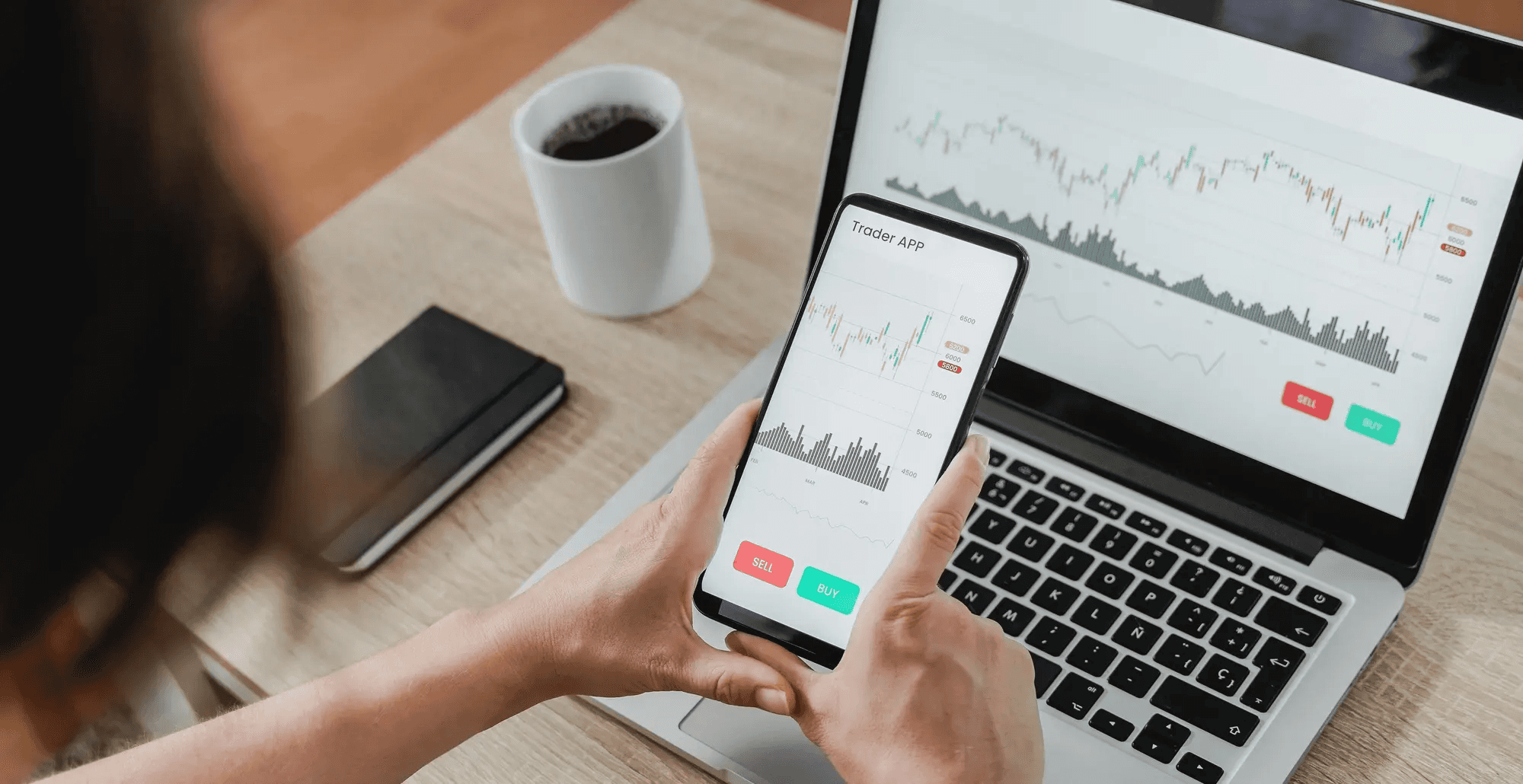
Most users who struggle with depositing on Polymarket aren't making complex errors. They're making small, predictable mistakes that in crypto become expensive and often irreversible. The system doesn't forgive confusion the way a bank transfer does. A wrong network selection or a mismatched wallet address doesn't trigger a helpful error message. The transaction simply succeeds on your end while your funds vanish into an inaccessible ledger.
Sending Funds on the Wrong Network
This is where most deposits fail. You buy USDC, initiate the withdrawal, and select Ethereum instead of Polygon because the dropdown defaults to it or because you didn't realize there were different options. The transaction completes. Your exchange balance drops. But your Polymarket account stays at zero because the funds landed on a chain that the platform doesn't read. Now you're facing bridge fees, additional wait times, and a recovery process you didn't budget for. The risk isn't just inconvenience. Blockchain transactions are final by design. There's no customer service team that can reverse a network mismatch like a bank can recall a wire transfer. What feels like a simple dropdown choice carries permanent consequences if you select the wrong one.
Forgetting to Bridge Assets
Another frequent breakdown happens when users stop halfway. They fund their wallet, connect it to Polymarket, and see a zero balance. From their perspective, something broke. In reality, the funds are sitting on Ethereum while Polymarket operates on Polygon. The money exists, but it's on the wrong ledger, and the platform has no way to access it until you complete the bridge. This is a major drop-off point because there's no clear error message explaining what's missing. Users assume the deposit failed when it actually succeeded on a network the platform can't use. Many abandon here because they don't understand what step they skipped or how to fix it without risking another mistake.
Paying Unnecessarily High Gas Fees
Fees turn small errors into expensive lessons. CoinLedger's research on Ethereum transaction fees shows costs spiking above $50 per transaction during network congestion. Users who accidentally send to Ethereum instead of Polygon can pay ten times more than necessary to move the same amount of USDC. The worst cases illustrate how costly these mistakes become. One trader accidentally paid over $100,000 in gas fees due to a network configuration error. Another transaction incurred $2.6 million in fees from a single input mistake. These are extreme outliers, but they demonstrate the same principle: small errors can lead to disproportionately high costs in systems with no undo button.
Automated Technical Resilience
Platforms like Bullpen eliminate these failure points by automatically managing network selection, bridging, and fee optimization. You connect a payment method, specify an amount, and the system routes everything to Polygon without requiring you to understand gas markets or blockchain architecture. The deposit completes because the platform handles the technical decisions that typically punish inexperience. Each of these mistakes leads to the same outcomes: delays from needing extra steps to recover, lost fees from unnecessary transactions, confusion because the system doesn't explain what went wrong, and abandonment before the user ever places a trade. The process assumes users understand wallets, networks, and transaction mechanics. For experienced traders, this is routine. For newcomers, it's a fragile system with almost no margin for error.
Related Reading
Why Depositing Still Feels Hard
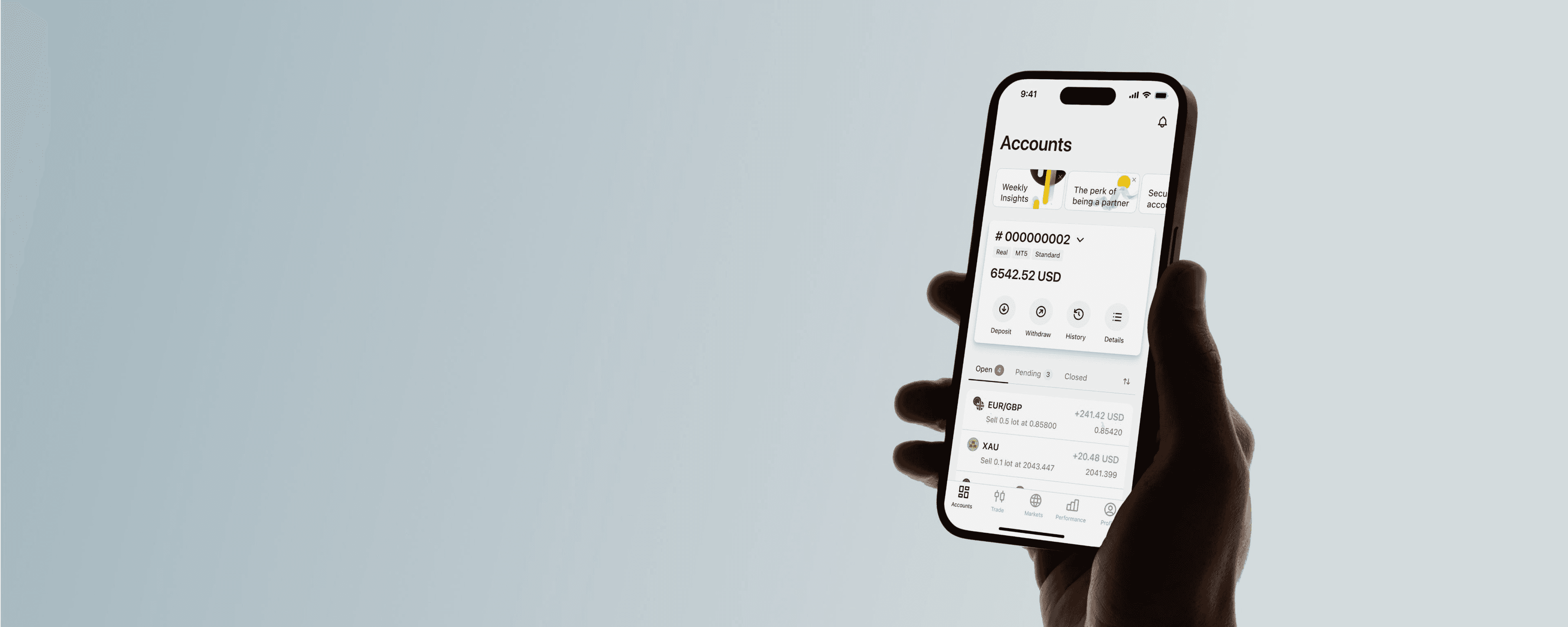
The technology works. Wallets function, bridges operate, and networks process transactions faster and cheaper than they did two years ago. But the experience still breaks people because the infrastructure assumes users already know how everything connects. You're expected to understand custody models, chain architecture, token standards, and fee markets before you can move $50 into an account. That's not a reasonable starting point for someone who just wants to place a trade. The friction isn't technical anymore. It's cognitive. Every deposit spans multiple disconnected systems that don't communicate with each other or guide you through their dependencies. You need a wallet for one step, an exchange for another, a bridge for the third, and each tool operates in isolation without explaining what comes next or why it matters. The user becomes the integration layer, manually stitching together pieces that should work as one flow.
The System Punishes People Who Don't Already Understand it
Traditional banks face increasing threats from alternative deposit options because users expect simplicity, not education requirements. Crypto platforms haven't yet absorbed that lesson. They still design for people who understand the difference between ERC-20 and native tokens, who know when bridging is necessary, and who can interpret a failed transaction hash. That knowledge barrier isn't a feature. It's the reason most people never complete their first deposit. The gap shows up in how platforms handle errors. Send funds to the wrong network, and you get silence. No error message explaining what happened. No suggestion for how to recover. The transaction succeeds from the blockchain's perspective, while your balance stays at zero, leaving you guessing whether you lost money permanently or just made a mistake you don't know how to fix. That uncertainty drives abandonment faster than any technical limitation.
When Infrastructure Becomes Invisible, Adoption Accelerates
Platforms like Bullpen collapse the entire sequence into a single action. You connect a payment method, specify an amount, and start trading. The system handles wallet creation, network routing, token conversion, and fee optimization without requiring you to learn what Polygon is or how gas markets work. The deposit is completed because the platform manages the choreography rather than documenting it in a tutorial you're supposed to read first. The issue isn't Polymarket. The platform delivers exactly what it promises. The issue is everything surrounding it:
The fragmented tools
The assumed knowledge
The lack of feedback when something goes wrong
Until depositing feels like funding any other account, one step with clear confirmation, the barrier won't disappear. The technology already exists to make that happen. Most platforms just haven't built it yet.
Related Reading
How Bullpen Lets You Deposit and Trade Without the Friction
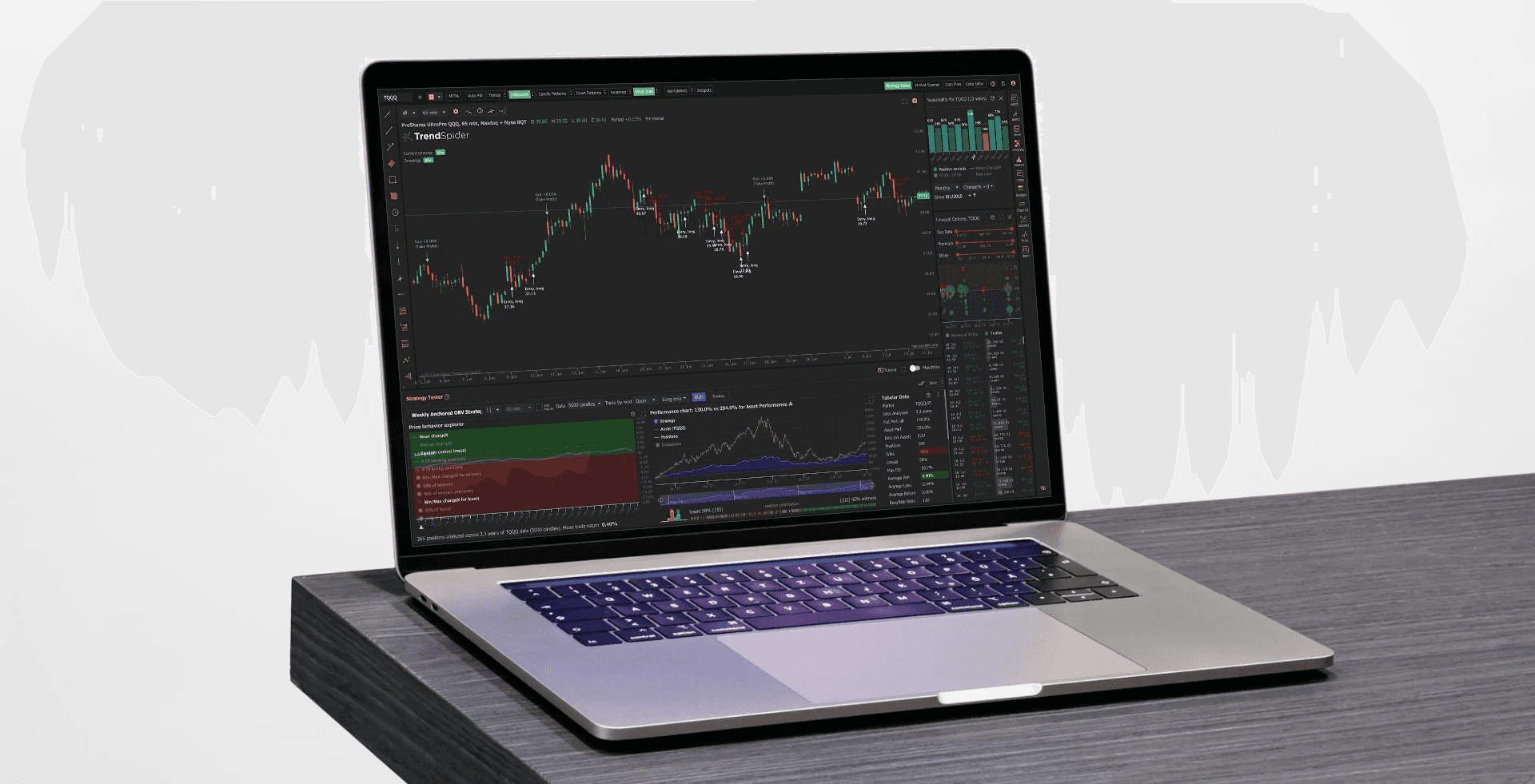
Bullpen removes the entire deposit obstacle by consolidating multiple fragmented steps into a single continuous flow. You don't set up separate wallets, figure out which network to use, or manually bridge funds across chains. You connect a payment method, specify an amount, and the platform handles wallet creation, network routing, and token conversion in the background while you move directly into trading. The difference becomes obvious the moment you start. You can buy crypto directly with Apple Pay or your bank account without visiting external exchanges or initiating transfer sequences. That alone eliminates the three most common failure points:
Wrong network selection during withdrawal
Bridging delays that confuse users into thinking deposits failed
Gas fee surprises that turn $20 deposits into $35 transactions
The system absorbs those technical decisions so you never encounter them.
Trading Happens in the Same Place You Fund
Once your account is funded, you can access Polymarket alongside Bitcoin, Solana memes, and perpetuals without switching platforms or reconnecting wallets. The experience becomes continuous instead of fragmented. You're not managing five different interfaces to execute one strategy. You're operating from a single environment where your balance, your positions, and your next trade all exist in the same view. Most platforms stop at execution and assume you'll figure out strategy on your own. Bullpen adds the layer most traders actually need: visibility into what's working. You can follow top traders on X, see verified profit and loss numbers on a live leaderboard, and get notified the moment high-performing accounts open positions. Instead of trading in isolation, you're seeing real-time proof of what strategies are generating returns, not just opinions about what might work.
Performance transparency changes how you learn
That combination of simplified deposits and social proof shifts the entire experience. You're no longer spending hours navigating infrastructure just to place your first trade. You're already positioned to act, with context about which positions are attracting smart money and which markets are moving. The platform doesn't just remove friction. It replaces wasted setup time with actionable intelligence that helps you make better decisions faster. The real insight isn't that Bullpen makes depositing easier. It's that the platform eliminates the gap between wanting to trade and being able to execute confidently. Most users abandon crypto platforms during that gap, stuck between tutorial steps and uncertain whether they're one mistake away from losing money. When the infrastructure becomes invisible and the feedback becomes immediate, that gap disappears entirely. But getting started is only valuable if you know what to do once you're in.
Buy Crypto Today With Bullpen
If one insight stands out from this article, it's that the biggest barrier to Polymarket isn't understanding the market. It's getting through the setup. Bullpen removes that barrier completely. Deposit today to earn a 500-point bonus. If you deposit $1,000 or more, you'll also receive a free introductory call. You go from zero to trading without dealing with wallets, bridges, or unnecessary steps. The platform handles everything that typically stops people before they start:
Wallet creation
Network selection
Token conversion
Fee optimization
All happens automatically, allowing you to move directly into execution.
What You Get Beyond Simplified Deposits
The value extends past the deposit itself. You're accessing Polymarket alongside Bitcoin, Solana tokens, and perpetuals through a single interface. No context switching. No reconnecting wallets across platforms. Your balance, your positions, and your next trade exist in the same environment, so you spend time analyzing markets rather than managing infrastructure.
Transparent Performance Insights
You also gain visibility into what's working. Follow verified traders, see real profit and loss data on live leaderboards, and get notified when high-performing accounts open positions. You're not trading blind or relying on speculation. You're seeing proof of which strategies generate returns, backed by transparent performance metrics that most platforms hide or don't track at all. The platform doesn't just make depositing easier. It eliminates the gap between wanting to trade and being able to execute with confidence. That gap is where most people abandon crypto platforms, stuck between tutorial steps and uncertainty about whether they're one mistake away from losing money. When infrastructure becomes invisible, and feedback becomes immediate, that gap disappears. You're positioned to act, not to learn how the system works first.
Last Updated:
March 23, 2026