Learn how to withdraw money from an onchain wallet without compromising your security. Follow our verified steps for a safe and easy transaction.
You've finally caught the wave and invested in the “Best Memecoins,” watching your portfolio grow as tokens like Dogecoin, Shiba Inu, or the latest trending coin deliver unexpected returns. But now comes the moment that trips up countless crypto investors: figuring out how to withdraw money from an onchain wallet to your bank account without making costly mistakes or losing funds to gas fees, incorrect addresses, or security mishaps. This guide walks you through the complete withdrawal process, from selecting the right network and exchange to avoiding common pitfalls that could cost you hundreds or even thousands of dollars.
Whether you're cashing out profits from your memecoin wins or simply moving funds for other purposes, having a reliable platform makes all the difference. Bullpen simplifies the entire process by letting you buy crypto with confidence, offering straightforward tools that connect your onchain activity to traditional banking without the usual headaches. Instead of juggling multiple platforms and worrying about complicated transfer protocols, you get a clear path from wallet to cash that protects your assets every step of the way.
Summary
Blockchain transactions are irreversible by design, which makes every crypto withdrawal carry disproportionate stakes compared to traditional banking. Unlike wire transfers or credit card charges, which can be disputed or reversed, once a blockchain transaction is confirmed, it's final.
Withdrawing from an onchain wallet requires converting digital assets between two incompatible financial systems, rather than simply moving money. The blockchain records token ownership but has no direct connection to traditional banking infrastructure.
Network confusion destroys more value than most users expect because the same token can exist on multiple blockchains with incompatible formats. Sending USDT on Ethereum to an exchange that only supports the Tron version means funds won't arrive, and recovery depends entirely on whether the exchange can access that network and whether they're willing to help.
Phishing attacks and clipboard malware target users during transfers, when they're most vulnerable and rushed. Malware monitors clipboards and swaps copied addresses, matching the first and last four characters while changing everything in between to make detection nearly impossible.
Crypto's fragmented infrastructure forces users to coordinate across independent wallets, bridges, exchanges, and payment processors that operate in isolation. Ethereum doesn't communicate with Solana; Bitcoin operates independently of both; and each blockchain requires separate wallets with different token standards.
Bullpen addresses this by consolidating major parts of the crypto ecosystem into a single application where users can buy crypto directly using Apple Pay or bank accounts, trade across Bitcoin, Solana memecoins, Hyperliquid perpetuals, and Polymarket prediction markets without shuttling funds between platforms, then exit to bank accounts through same-day ACH without routing through multiple intermediaries.
Table of Contents
How to Withdraw Money From an Onchain Wallet: Step-by-Step Process
How Bullpen Lets You Trade and Exit Without Juggling Platforms
The Hidden Anxiety Behind “Just Send it to an Exchange.”
You copy an address, paste it into your wallet, double-check the first few characters, and hit send. Then you wait. That's when the doubt creeps in. Did you choose the right network? Is the address correct, or did clipboard malware replace it? Will the funds arrive, or did you just send thousands of dollars into a void with no way to recover them? Withdrawing crypto from an onchain wallet feels simple in theory. In practice, it's one of the most anxiety-inducing actions in all of digital finance. You're moving real value through a system with:
Zero reversibility
No customer service hotline
Consequences that arrive instantly and permanently
Why Irreversibility Changes Everything
Traditional banking builds safety through reversibility. Wire transfers can be recalled within certain windows. Credit card charges can be disputed. Even ACH payments offer a few days of float time where errors can be caught and corrected. You operate inside a system designed to forgive mistakes.
Risk Mitigation and Error Prevention Strategies
Blockchain works the opposite way. Once a transaction confirms, it's final. The protocol doesn't distinguish between intentional transfers and catastrophic errors. According to CoinMetrics, Bitcoin alone averaged $7 to $10 billion in daily settlement volume throughout 2023, excluding internal exchange movements. Ethereum frequently matches or exceeds that volume depending on market activity. The Block Research estimated that total onchain transaction volume across all major blockchains surpassed $10 trillion in 2022, even after the steep market decline from 2021 highs. When systems move that much value without undo buttons, even small error rates translate into real personal loss.
The Concept of Settlement Finality
The finality isn't a bug. It's what enables decentralized networks to operate without trusted intermediaries. But it also means every withdrawal carries stakes that feel disproportionate to the technical simplicity of the action itself.
The Specific Fears That Surface
Address errors sit at the top of most people's worry list. Crypto addresses are long, case-sensitive strings of random characters. A single typo sends funds to an address that likely doesn't exist, or worse, belongs to someone else. Malware that monitors the clipboard and replaces copied addresses has been documented across multiple platforms. You think you're pasting the exchange's deposit address. You're actually pasting an attacker's.
Navigating Network Congestion and Execution Risk
Network confusion creates a different kind of trap. The same token can exist on multiple blockchains. USDT, for example, operates on Ethereum as an ERC-20 token, on Tron as TRC-20, and on BNB Chain as BEP-20. Send USDT to the wrong network, and the funds won't arrive at the exchange. Recovery depends on whether the exchange can access that network and whether they're willing to help, which they often aren't. Fee spikes and confirmation delays add another layer of stress. Network congestion can cause gas fees to surge unexpectedly or transactions to sit unconfirmed for hours. You're left wondering whether the transfer will complete, whether you paid enough, or whether you need to resubmit with a higher fee, risking a duplicate charge.
Defensive Onchain Habits and Verification
Scams and phishing further exacerbate this. Fake deposit addresses, cloned exchange interfaces, and fraudulent support channels are common. Chainalysis reported that illicit addresses received $24.2 billion in cryptocurrency in 2023, a figure that encompasses scams, theft, and other criminal activity. Not all of that stems from withdrawal errors, but it shows the scale of value flowing to irreversible destinations once users authorize transactions.
The Psychological Weight of Sending Funds Away
Buying crypto feels like gaining control. You move money into a wallet you manage, with keys only you hold. Withdrawing reverses that feeling. You're sending assets out of your control to a system you must trust to process them correctly. The asymmetry creates tension.
Psychology of Onchain Finality
The stakes feel higher because the downside is binary. Either the funds arrive safely, or they don't. There's no partial recovery, no negotiation, no appeals process. You're making a decision that can't be walked back, and you're doing it in an environment where mistakes are common enough that everyone knows someone with a horror story. Most users don't withdraw often enough to build confidence through repetition. You might trade frequently, but cashing out to fiat happens sporadically. Each time feels like the first time, with the same careful address checks and the same nervous wait for confirmation.
What Happens When the Process Requires Multiple Platforms
The typical withdrawal path makes anxiety worse by adding steps. You send from your onchain wallet to:
A centralized exchange
Wait for confirmations
Convert to fiat
You can then initiate a bank transfer that takes one to three business days. Each transition introduces new risks:
Exchange downtime
Withdrawal limits
Verification delays
The possibility that your account gets flagged for review
You're no longer just concerned about the blockchain transaction. You're also managing exchange policies, banking hours, and coordinating systems that don't communicate with each other. The friction accumulates.
The Evolution of Direct Fiat Settlement
Platforms like Bullpen collapse that multi-step process by connecting onchain wallets directly to bank accounts through same-day ACH. You're not routing through a centralized exchange, waiting for multiple confirmations, or juggling platforms with different interfaces and security models. The withdrawal occurs in one step, with fewer points of failure and less time spent wondering whether your funds are in transit or lost.
Why “Just Send It” Isn't Simple Advice
The instruction sounds straightforward. But in a high-value, irreversible system, that phrase glosses over real financial stakes. You're not just moving numbers on a screen. You're authorizing a permanent transfer of assets in an environment where:
Mistakes are common
Support is limited
Recovery is rare
Technical Anatomy of a Withdrawal
The hardest part of crypto isn't getting in. It's getting out safely, with confidence that the value you've earned or accumulated will arrive where you intend it to go. But understanding the anxiety is only half the picture. The other half is knowing what's actually happening when you initiate a withdrawal, and why the technical details matter more than most people realize.
Related Reading
What “Withdrawing From an OnChain Wallet” Means
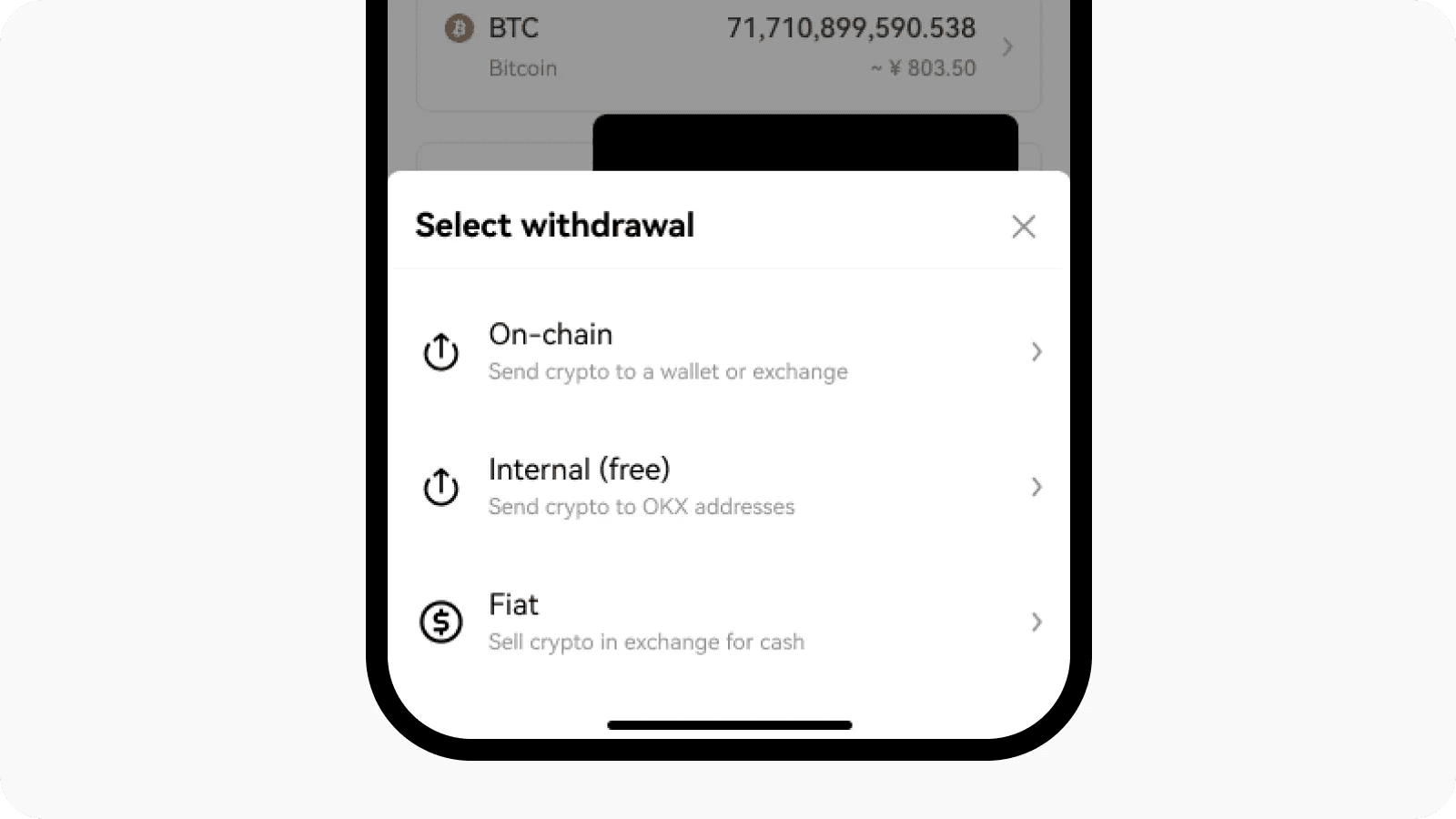
An onchain wallet doesn't hold dollars waiting to be withdrawn. It stores private keys that prove ownership of tokens recorded on a blockchain. When you “withdraw” from that wallet, you're not pulling cash out of an account. You're authorizing a transfer of digital assets to another address, usually one controlled by a service that can convert crypto into fiat currency and send it to your bank. The blockchain itself has no connection to traditional banking infrastructure. It can't initiate:
Wire transfers
ACH payments
Card deposits
It only records transactions between addresses. So, withdrawing money from crypto actually means moving tokens from your wallet to a platform that bridges the gap between decentralized networks and the banking system.
The Three Paths Funds Can Take
Most people follow one of three routes when they need fiat currency from an onchain wallet. The first path runs through centralized exchanges. You send crypto from your wallet to:
Coinbase
Kraken
Binance
Once the transaction confirms, you sell the tokens for dollars or another fiat currency. Then you initiate a withdrawal to your bank account, which typically takes one to three business days depending on the method. This route works, but it stacks friction at every transition. You're managing:
Deposit addresses
Network selections
Trading interfaces
Withdrawal limits
Bank processing times
Each step introduces a delay and the possibility of error.
The Mechanics of Fiat Gateways
The second path uses dedicated off-ramp services. Companies like MoonPay, Ramp Network, and others let you convert crypto directly into bank transfers or card payments without opening a trading account. You connect your wallet, specify the amount, and the service handles the conversion and payout. The interface feels simpler than an exchange, but you're still moving funds through an intermediary and waiting for settlement.
The Architecture of Long-Term Self-Custody
The third path keeps everything onchain. You send tokens from one wallet to another, for example, moving funds into cold storage or transferring them to a different address you control. This isn't a fiat withdrawal. The value stays in crypto form. It's useful for security or reorganization, but it doesn't solve the problem of converting digital assets into usable currency for rent, bills, or any dollar-priced items.
Why the Terminology Creates Confusion
The word “withdraw” carries expectations shaped by traditional banking. When you withdraw from a checking account, you're accessing money that already exists in a form your bank recognizes and your local economy accepts. The bank holds dollars. You withdraw some of those dollars, either as cash or by transferring them to another account.
The Cryptography of Ownership
Onchain wallets don't work that way. They don't hold fiat currency. They don't interface with banks. They prove ownership of tokens that exist only as entries on a distributed ledger. The “withdrawal” is actually a broadcast to the network, a signed message that says “move these tokens from this address to that address.” What happens after that depends entirely on who controls the receiving address and how they use the tokens upon arrival.
Why Banks and Blockchains Don’t Speak
Many people discover this distinction the hard way. They assume withdrawing works like logging into a bank app and clicking “transfer to checking.” Then they hit the reality that blockchains and banks are separate systems with no direct communication. The gap between those systems is where most of the:
Friction
Delay
Anxiety live
What Happens During a Typical Exchange-Based Withdrawal
The standard route through a centralized exchange involves more steps than most people expect. You start by generating a deposit address on the exchange, making sure it matches the network your wallet uses.
Ethereum tokens need an Ethereum address.
Solana tokens need a Solana address.
Send to the wrong network, and the funds won't arrive.
The Economy of Urgency: Bidding for Block Space
Once you've confirmed the network, you initiate the transfer from your wallet. The transaction enters the mempool, waits for a miner or validator to include it in a block, then confirms. Depending on network congestion and the fee you paid, this can take seconds or hours. Chainalysis research on blockchain transaction patterns found that Bitcoin transactions typically confirm within 30 minutes under normal conditions, whereas Ethereum confirmation times vary with gas prices and network demand.
The Batch-Processing Bottleneck
After the blockchain confirms the transaction, the exchange credits your account. Some platforms require multiple confirmations before releasing funds for trading or withdrawal. You then sell the crypto for fiat, navigate the exchange's withdrawal interface, link your bank account if you haven't already, and submit a withdrawal request. The exchange processes the transfer; your bank receives it, and the funds appear in your account within 1 to 3 business days.
Navigating Fragmented Financial Rails
Each of those steps creates a point where something can stall. Network congestion spikes fees. The exchange flags your account for verification. Your bank holds the transfer for review. The process that sounds simple in theory becomes a multi-day coordination effort across platforms that don't talk to each other.
The Gap That Same-Day Settlement Closes
The friction in that process isn't just annoying. It keeps people on custodial platforms longer than they'd prefer because the alternative feels too complex. You want the security of self-custody, but you also want the ability to access fiat quickly when you need it. Those goals pull in opposite directions under the traditional model.
Why Direct Rails Matter
Platforms like Bullpen eliminate the exchange step entirely by connecting onchain wallets directly to bank accounts through same-day ACH. You're not routing funds through:
A centralized exchange
Waiting for multiple confirmations
Managing separate trading and withdrawal interfaces
The conversion and payout occur in a single transaction, reducing what used to take days to hours. You maintain control of your keys until you decide to cash out, and the funds arrive the same day without the usual platform hopping.
Why “Just Send It To Yourself” Doesn't Solve the Problem
Some people try to simplify by keeping everything onchain. They move tokens between wallets they control, thinking that avoids the complexity of exchanges and off-ramps. That works for security and organization, but it doesn't address the core challenge: converting crypto into currency you can spend outside the blockchain. At some point, unless you're living entirely within the crypto economy, you need a bridge to fiat. Wallet-to-wallet transfers delay that moment. They don't eliminate it. And when the time comes to actually withdraw, you're back to the same set of options:
Centralized exchange
Off-ramp service
Peer-to-peer transaction
The problem hasn't disappeared. It's just been postponed.
The Friction of Asymmetric Settlement Rules
The real issue isn't moving tokens between addresses. It's moving value between financial systems operating under completely different rules. One system is:
Decentralized
Irreversible
Permissionless
The other is:
Centralized
Reversible
The gap between them is where withdrawals get complicated, and where most people realize that “withdrawing from an onchain wallet” means something very different than they thought. But knowing what withdrawal means is only the beginning. The next challenge is doing it correctly, in the right order, without losing funds along the way.
How to Withdraw Money From an Onchain Wallet: Step-by-Step Process

Once you understand that “withdrawing” really means moving assets to a service that can convert them into cash, the process becomes much clearer. It is not a single action but a chain of dependent steps. Problems usually occur when one of those steps is rushed or misunderstood. Here is how a typical withdrawal from an onchain wallet works in practice.
Choose a Cash-Out Destination
First, decide where you want the funds to end up. Most people use a centralized exchange or a regulated crypto off-ramp that supports bank withdrawals or local payment methods.
The Hidden Costs of Poor Platform Alignment
The choice matters more than it seems. Not every platform supports every token. Not every service operates in every jurisdiction. And not every exchange processes withdrawals at the same speed or with the same fee structure. You might discover after sending funds that your chosen platform requires identity verification you haven't completed, or that withdrawals to your country are temporarily suspended, or that the token you hold trades with such low liquidity that selling it will cost you 5% in slippage.
The Science of Identity Assurance: Why Selfies Matter
Verification requirements catch people off guard. According to a 2023 Chainalysis report, over 40% of users attempting their first fiat withdrawal from a centralized exchange experience delays due to incomplete KYC documentation. You think you're ready to cash out, but the platform asks for proof of address, a selfie with your ID, and sometimes even a video call. The process that should take minutes stretches into days.
Generate the Correct Deposit Address
Inside the destination platform, you will request a deposit address for the specific asset you want to send. This address is unique to your account for that asset and network. Copying the wrong address is more common than you'd expect. Scammers exploit this step relentlessly. One Reddit user reported receiving multiple text messages claiming their exchange account was compromised and urging them to move funds to a “security wallet” using a seed phrase provided by the scammer. The tactic works because it mimics legitimate security advice, inserting the attacker's address at the exact moment when users feel most vulnerable and rushed.
The Psychology of the Visual Match
Malware that monitors the clipboard and swaps addresses has been documented on:
Windows
macOS
Mobile platforms
You copy the correct address from your exchange, but when you paste it into your wallet, the malware replaces it with a different address. The change is invisible unless you verify character by character. Most people check the first four and last four characters. Sophisticated malware matches those segments while changing everything in between. Always copy directly from the official platform interface. Never use addresses sent via email, text message, or social media. Verify the first and last six characters, not just four. If the amount is significant, send a small test transaction first.
Match the Network Exactly
Many tokens exist on multiple blockchains. The network selected on your wallet must match the network expected by the receiving platform. For example, USDT may exist on:
Ethereum
Tron
BNB Chain
Sending on the wrong network can result in funds not arriving or requiring complicated recovery procedures.
The Fragmentation of Digital Ledgers
Exchanges list supported networks clearly on their deposit pages, but users often miss the details when moving quickly. You see “USDT deposit address” and assume it works universally. It doesn't. Ethereum USDT sent to a Tron address won't appear in your account. The tokens aren't technically lost (they remain on the blockchain), but they're inaccessible through the exchange's interface.
Bridging the Custodial Divide
Recovery requires you to manually access the:
Incorrect network
Locate your transaction
Credit your account
Many platforms refuse. Others charge fees that exceed the value of small transfers. When in doubt, check the exchange's deposit page carefully before sending. If multiple networks are available, choose the one with the lowest fees only after confirming compatibility. Speed and cost matter, but correctness matters more.
Send a Test Transaction (Recommended)
Before transferring a large amount, it is wise to send a small test payment. This confirms that the address, network, and process are correct.
The Insurance of the Small-Scale Start
Test transactions feel wasteful. You pay fees twice, and the second transfer takes just as long as the first. But the cost of a test is measured in dollars. The cost of a mistake is measured in everything you're trying to withdraw. One Reddit user recounted ignoring this advice while cashing out winnings from an online platform, sending the full balance immediately. The platform turned out to be a scam. The funds never arrived, and the user spent weeks trying to determine whether the problem was:
The address
The network
The platform itself
A test transaction would have revealed the issue before committing the full amount.
The Social Engineering of Urgency
Scammers actively discourage test transactions. They create urgency ("your account will be locked in 30 minutes") or frame testing as suspicious ("only scammers send small amounts first"). Legitimate platforms never pressure you to skip verification steps. If someone insists you send everything at once, that's the moment to stop and reconsider the entire process.
Wait for Network Confirmations
After sending, the transaction must be validated by the blockchain. Most platforms require a certain number of confirmations before crediting your account.
The Spectrum of Settlement Finality
Timing varies widely depending on the network and congestion.
Bitcoin transactions typically confirm within 30 minutes under normal conditions, but can take hours during high-traffic periods.
Ethereum confirmation times vary with gas prices.
Layer-2 networks and alternative chains like Solana or Polygon confirm faster but may require more confirmations before exchanges consider deposits final.
Blockchain Explorers: Your Window Into the Mempool
Panic sets in during this wait. You check your wallet and see the transaction as "pending." You refresh the exchange and see no deposit. You may be wondering whether you made a mistake, whether the funds are lost, whether you should contact support, or whether you should send another transaction. The answer is almost always to wait. Blockchain explorers let you track transaction status in real time. If the transaction appears on the explorer with confirmations accumulating, it will arrive. If it doesn't appear at all, then something went wrong at the sending stage.
Why Resending is a Risk
Attempting duplicate transfers while the first is still processing creates new problems. You might send twice, doubling your exposure if the first transaction eventually confirms. Patience is often required at this stage, even when it feels unnatural.
Sell Crypto for Fiat
Once the funds arrive, you typically need to sell the crypto for your local currency using the platform's trading interface or instant conversion feature.
The Opportunity Cost of Market Latency
Market price movement during the sale can be frustrating. You initiated the withdrawal when Bitcoin was at $45,000. By the time the deposit confirms and you're ready to sell, it's dropped to $43,500. The difference isn't the exchange's fault, but it feels like a financial loss. Instant conversion features lock in prices immediately, but often charge higher fees than limit orders. Limit orders give you control over the price but may not fill immediately if liquidity is thin.
The Hidden Cost of the Spread: Beyond the Percentage Fee
Trading fees reduce the final amount you receive. Exchanges charge a percentage of each trade, typically between 0.1% and 0.5%, depending on volume and account tier. Selling into low-liquidity pairs at poor pricing can cost more than the stated fee. If you're converting an obscure token to USD, the spread between the bid and ask prices may exceed 2%, effectively adding an invisible tax to your withdrawal. Understanding the fee structure and order type can materially affect the amount you receive. Rushing through this step to “just get the money out” often leaves value on the table.
Withdraw to Your Bank or Payment Method
The final step is requesting a fiat withdrawal to:
A bank account
Card
Supported payment channel
Navigating the Bank’s Red Tape
Bank rejection of crypto-related transfers remains a real issue despite growing mainstream adoption. Some banks flag incoming transfers from known exchanges and freeze accounts pending investigation. Others simply reject the transfer without explanation, forcing you to contact support and prove the funds are legitimate. Incorrect account details cause transfers to bounce back, but not always immediately, like:
Wrong routing number
Misspelled name
Closed account
You might wait three days only to discover the withdrawal failed and needs to be resubmitted.
Managing Compliance Triggers
Withdrawal limits vary by platform and verification level. New accounts often face daily or weekly caps that prevent large withdrawals. If you're trying to cash out a significant amount, you might need to spread it across multiple transactions over several weeks. Additional compliance checks may be triggered at any time, especially for large or unusual transfers. The platform may request source-of-funds documentation, transaction history, or additional identity verification before releasing the withdrawal.
Navigating the Fiat Settlement Rails
Processing times range from minutes to several business days, depending on the provider and region. Wire transfers settle faster than ACH but incur higher fees. Card withdrawals appear quickly but often carry higher fees and lower limits. Each method trades off speed, cost, and convenience differently.
Disintermediation: The Straight-Line Off-Ramp
Platforms like Bullpen compress this entire sequence by connecting onchain wallets directly to bank accounts through same-day ACH. You're not routing through an exchange's trading interface, waiting for multiple confirmations, or managing separate withdrawal requests. The conversion and payout occur in a single step, reducing what traditionally takes days to hours. You maintain control of your keys until you decide to cash out, and the funds arrive the same day without the usual platform coordination.
The Architecture of a Safe Send: Defeating Address Poisoning
Each step may seem simple on its own, but together they form a process in which small mistakes can have outsized consequences. The safest approach is deliberate, methodical execution rather than speed. But even when you follow every step correctly, certain errors still cost people thousands of dollars every single day.
Related Reading
The Most Expensive Mistakes People Make
Even when you follow the basic steps, the withdrawal process still carries real financial risk. Most losses do not come from complex technical failures but from small, preventable mistakes made under pressure. Because blockchain transactions are irreversible, a single error can turn a routine transfer into a permanent loss.
The Forensic Trail: Understanding Blockchain Tracing
The scale of real-world damage underscores how costly these mistakes can be. According to Chainalysis, illicit addresses received $24.2 billion in cryptocurrency in 2023, including funds lost to:
Scams
Phishing
Fraudulent schemes
While not every case involves a withdrawal error, many originate from users sending funds to compromised or deceptive destinations. Separately, the FBI's Internet Crime Complaint Center reported $5.6 billion in crypto-related fraud losses in 2023, with investment scams accounting for the majority. These figures illustrate how quickly irreversible transfers can translate into real financial harm. Here are the failure modes that most often cause losses or delays during withdrawals.
Sending on the Wrong Network
Many assets exist on multiple blockchains. Sending a token over an unsupported network may prevent the funds from reaching the destination. In some cases, recovery is possible but slow and expensive. In others, it is impossible.
Why does it happens:
Choosing a cheaper fee option without checking compatibility.
Assuming all versions of a token are interchangeable.
Misreading network labels during rushed transfers.
The Mirage of Address Similarity
The interface shows “USDT,” and you assume it works everywhere. It doesn't. Ethereum USDT sent to a Tron-only address sits in limbo. The exchange can't credit what it can't access. Recovery requires manual intervention that many platforms either refuse to provide or charge fees that exceed the value of smaller amounts.
Forgetting Required Memos or Tags
Certain networks and exchanges require an additional identifier beyond the:
Wallet address
Often called:
A memo
Tag
Destination code
Without it, the platform cannot automatically credit your account.
Why does it happens:
Overlooking the memo field during transfer.
Wallet interfaces that hide or minimize the requirement.
Rushing through the process when trying to exit a position quickly.
Why Memos and Destination Tags Matter
The transaction confirms. The funds leave your wallet. Your exchange balance isn't updating. Support confirms the deposit arrived, but can't match it to your account without the memo. Recovery typically requires manual support intervention and can take weeks if available at all. One trader described sending a four-figure amount without the required tag, then waiting 17 days for support to manually credit the account after submitting multiple tickets and transaction IDs.
Underestimating Gas Fees
Transactions incur network fees that can fluctuate significantly. Setting fees too low may cause delays, while an insufficient balance after fees can prevent a transaction from processing correctly.
Why does it happens:
Congestion spikes during market volatility.
Confusion between fee types on different networks.
Sending the entire balance without reserving enough for gas.
The Fuel for Every Transaction
You attempt to withdraw your full balance. The transaction fails because you need a small amount of the native token to pay fees. Now you're stuck, unable to move funds out until you acquire more of that specific token to cover gas. The problem compounds when the token required to pay fees is difficult to obtain in small amounts, or when network congestion has driven fees higher than expected.
Using Fake Addresses From Phishing Sites
Phishing attacks are among the most damaging threats because they target users during the transfer process. Fake exchange interfaces, search ads, or email links can display attacker-controlled deposit addresses. Once funds are sent, they are gone.
Why does it happens:
Clicking sponsored search results without verifying the URL.
Bookmarking malicious pages that mimic legitimate platforms.
Trusting copied instructions from unofficial sources or direct messages.
When Your Eyes Deceive You
The site looks identical to the real exchange. The URL is one character different. You generate a deposit address, copy it, send funds, and only realize the mistake when the funds don't arrive. The blockchain confirms the transaction went to an address you don't control. There is:
No reversal
No dispute process
No way to get it back
Sending Unsupported Tokens
Not all platforms support all assets. Sending a token that the receiving service does not recognize can result in funds sitting uncredited or inaccessible.
Why does it happens:
Assuming major exchanges accept all tokens.
Confusing similarly named assets or different versions of the same token.
Using wrapped or bridged versions without checking compatibility.
The Ledger vs. The Interface: Why Arrival Doesn't Mean Access
You send a token that technically arrives at the correct address, but the exchange doesn't list it for trading. The funds exist on the blockchain but remain inaccessible through the platform's interface. Some exchanges will manually return unsupported deposits after lengthy support processes. Others consider them unrecoverable.
Panicking During Network Congestion
When markets move rapidly, networks can slow down, or fees can spike. Users sometimes attempt multiple transfers, cancel transactions incorrectly, or resend funds to the wrong address out of fear.
Why does it happens:
Lack of visibility into transaction status.
Misinterpreting delays as failure.
Urgency to exit positions during volatility when every minute feels costly.
Mastering Transaction Replacement
Your transaction sits pending for an hour. You assume it failed and resend it at higher fees. Both transactions eventually confirm. You've now sent twice the intended amount, or split your withdrawal across two transfers when you needed it consolidated. Attempting to cancel or replace transactions without understanding the process can result in paying fees multiple times or creating stuck transactions that require technical intervention.
The Immutability Trade-off: Security vs. Reversibility
What makes these mistakes especially costly is their finality. Blockchains are designed to prevent reversals, not enable them. Once a transaction is confirmed, control of the funds belongs entirely to the receiving address.
No customer service team can undo it.
No dispute process exists.
The error becomes permanent the moment the network validates it.
The Power of Atomic Settlement: Reducing Intermediate Risk
Platforms like Bullpen reduce exposure to many of these failure modes by eliminating the multi-step routing through centralized exchanges. When you connect an onchain wallet directly to a bank account through same-day ACH, you're not managing:
Deposit addresses
Network selections
Memo fields across multiple platforms
The conversion occurs in a single transaction, with fewer variables to verify and less time spent coordinating between systems that don't communicate.
The Defense in Depth: Why the ‘Hard Way’ is the Only Way
In crypto withdrawals, speed is rarely the priority. Careful verification at every step is far more valuable than acting quickly, because one irreversible mistake can outweigh years of gains. The question is not whether you can move funds fast. The question is whether you can move them correctly every time, under pressure, with no room for error.
Why Cashing Out Often Requires Multiple Apps and Steps
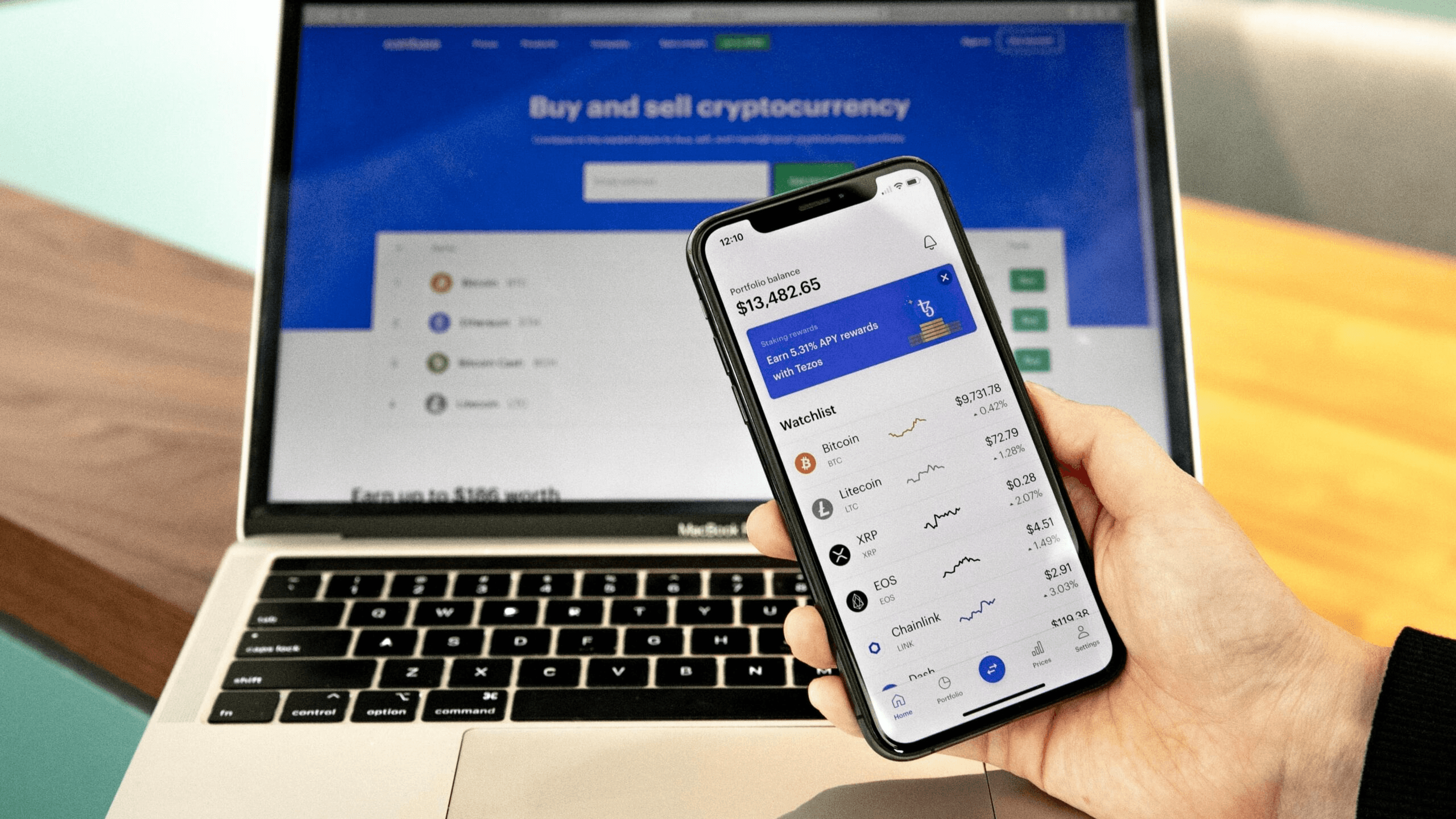
Cryptocurrency's infrastructure wasn't designed to integrate seamlessly with traditional banking. What appears to be a single ecosystem from the outside is actually a collection of independent networks, each requiring specialized tools to bridge the gap between onchain assets and spendable cash. Consolidating holdings, converting tokens, and moving money into a bank account often means coordinating across:
Wallets
Bridges
Exchanges
Payment processors that operate independently
Blockchains Don't Talk to Each Other
Ethereum doesn't know Solana exists. Bitcoin operates in isolation from both. Each blockchain is a self-contained ledger with its own consensus rules, token standards, and validator networks. When you hold assets across multiple chains, there's no single interface to view or manage them in one place. You need separate wallets for each ecosystem.
MetaMask for Ethereum and EVM-compatible chains.
Phantom for Solana.
A different app entirely for Bitcoin.
Navigating Cross-Chain Silos
This fragmentation means that before you can even think about cashing out, you first need to gather scattered holdings. If you've been trading memecoins on Solana, holding stablecoins on Arbitrum, and maintaining a prediction market position on Polygon, those assets are held in separate wallets on each network. Consolidation isn't automatic. It requires manual transfers, each with its own transaction fee and confirmation time.
Bridges Add Risk and Delay
Moving tokens between blockchains requires a bridge. These services lock assets on one chain and mint equivalent tokens on another, creating a pathway that does not exist natively.
Protecting Value During the Transition
Bridges introduce new variables. You're trusting smart contracts that hold billions in total value locked, making them high-value targets for exploits. DECTA's Digital Wallet and Financial App User Experience Study found that multiple apps and steps required to cash out remain a persistent friction point for users navigating afragmented crypto infrastructure. Bridging also takes time. Some bridges confirm transfers in minutes. Others require waiting periods to ensure security. If you're trying to exit during volatile markets, that delay can cost you more than the bridge fee itself. Price movements during the transfer window can erase gains before you've even reached the exchange.
Trading Platforms are Siloed
Spot holdings, perpetual futures, and prediction markets typically live on separate platforms. Closing positions means logging into different interfaces, each with its own withdrawal process and fee structure. You might hold tokens in a DeFi wallet, run leveraged positions on a derivatives platform, and maintain prediction market shares on a specialized app. A complete exit requires unwinding each position individually, transferring funds from each platform, and only then initiating the cash-out process.
The Hidden Cost of Fragmentation
The coordination becomes exhausting. You're managing multiple passwords, security keys, and verification steps across services that don't share information. One platform might process withdrawals instantly. Another holds funds for 24 hours pending review. A third requires you to close positions manually before enabling transfers.
Identity Verification Fragments Across Services
Converting crypto to fiat means interacting with regulated financial services. Each platform enforces its own Know Your Customer requirements. If you've spread activity across multiple exchanges or off-ramps, you'll complete KYC repeatedly. Submit documents again. Wait for approval again. Answer the same questions about the source of funds and intended use.
Why Compliance Can't be Rushed
Verification isn't instant. Some platforms approve accounts within hours. Others take days or weeks, especially during periods of high demand or when additional documentation is requested. If you're trying to cash out quickly and discover your account isn't fully verified, the entire process stalls until compliance is satisfied.
Internal Processing Creates Invisible Delays
Even after blockchain confirmations are complete, platforms impose their own waiting periods.
Exchanges batch withdrawals
Run fraud checks
Process transfers during specific windows
What the blockchain confirmed in minutes might sit in an exchange's internal queue for hours or days. Manual reviews trigger unpredictably, especially for larger amounts or unusual patterns. Your withdrawal request enters a compliance workflow you can't see or influence.
Why Banks Don't Speak Instantly
Banking hours add another layer. Fiat transfers often process only during business days. Submit a withdrawal on Friday evening, and it won't begin processing until Monday morning. Then add one to three business days for ACH settlement. The crypto transaction was instant. The final step to your bank account is anything but.
Each Transition Multiplies Exposure
More platforms mean more attack surfaces.
More opportunities to interact with phishing sites.
More addresses to verify. Additional fees are accumulating with each transfer.
Complexity also reduces speed when it matters most. Markets move fast. If you need to exit positions quickly, funds scattered across networks and platforms become a liability. By the time you've consolidated, bridged, transferred, and converted, the opportunity or urgency that prompted the withdrawal may have passed.
The Shift From Fragments to Ecosystems
Most people accept this fragmentation as the cost of crypto's decentralization. But the relay race between specialized services isn't inevitable. It's a consequence of infrastructure that evolved in pieces rather than as an integrated system. The question isn't whether you can navigate this maze. The question is whether you should.
Related Reading
How Bullpen Lets You Trade and Exit Without Juggling Platforms
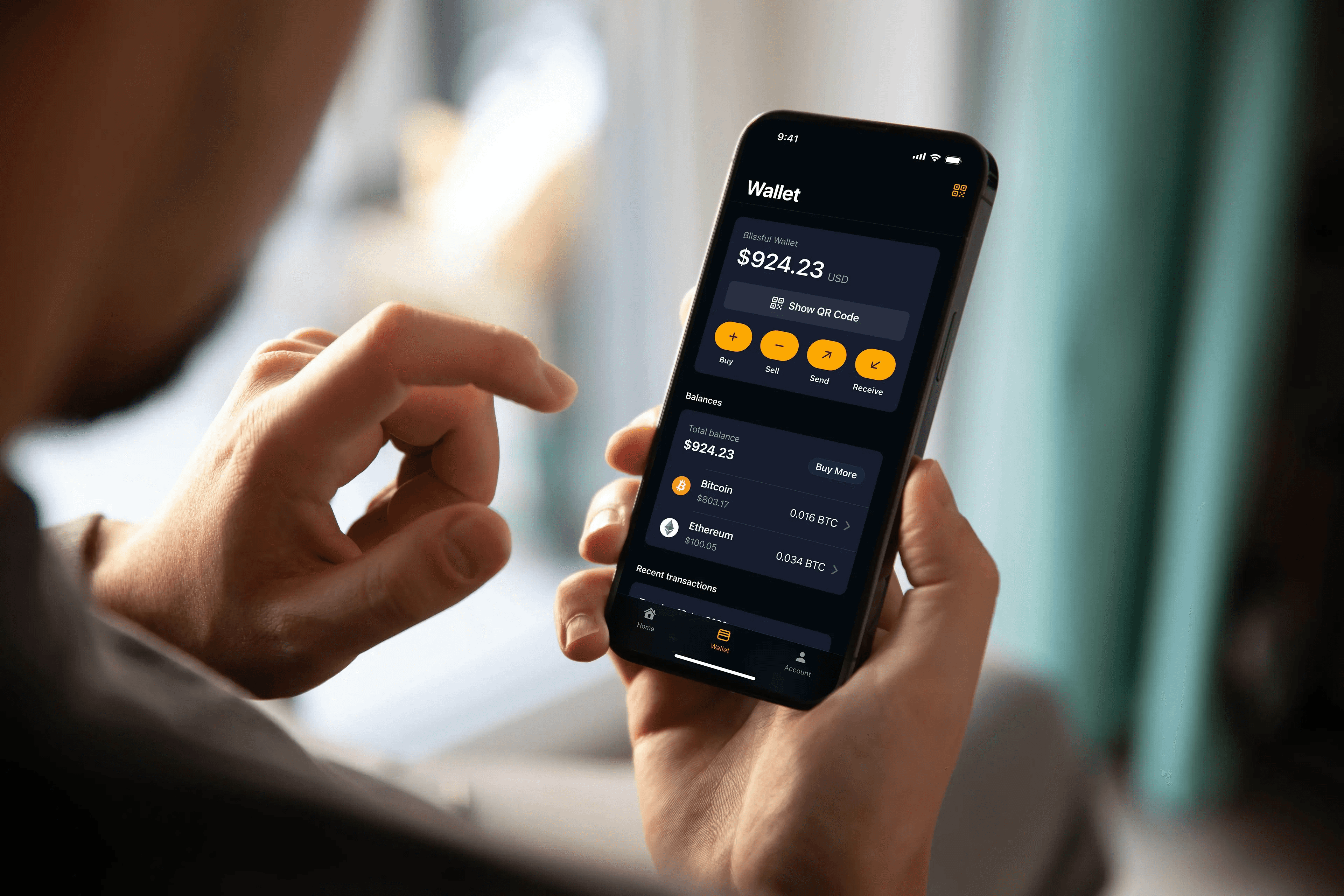
If cashing out is difficult largely because funds are scattered across wallets, networks, and services, the most effective solution is not another guide to moving money safely. It reduces how often you need to move it.
The Integrated Trading Terminal: Beyond the Multi-App Maze
Bullpen addresses the problem by consolidating key components of the crypto ecosystem into a single application. Instead of hopping between wallets, bridges, exchanges, derivatives platforms, and analytics tools, you can trade, reposition, and monitor markets from one interface. This consolidation matters because every transfer introduces:
Friction
Fees
Delays
Disk
When activity happens in one place, the number of irreversible transactions required to manage your portfolio drops dramatically.
Markets That Usually Live Apart
Within Bullpen, users can access a broad range of markets that are typically spread across multiple platforms. Bitcoin, Solana memecoins, Hyperliquid perpetuals, and Polymarket prediction markets are available side by side, removing the need to shuttle funds between specialized apps just to pursue different opportunities. The advantage compounds when you're active across asset types. You're not logging into one platform for spot trades, another for leverage, and a third for prediction markets. You're managing positions from a unified view, with capital that stays accessible across strategies without constant reallocation.
Funding Without the Relay Race
Buying crypto to fund trading usually means purchasing on one service, waiting for settlement, then transferring to another platform before you can actually trade. Bullpen eliminates that sequence by allowing you to buy crypto directly with Apple Pay or a bank account. You're not moving money through intermediaries before reaching your trading balance. The funds arrive ready to deploy. For traders who use leverage, the simplification goes further. Instead of moving collateral between platforms to open derivatives positions, leverage can be applied within the same environment. You're not bridging assets to a perpetual exchange, waiting for confirmations, then opening positions. You're acting from a unified capital base, reducing both operational complexity and timing risk.
Information That Drives Decisions
The information gap often drives platform-hopping as much as technical necessity. You see a trade idea on Twitter, check the token on a different analytics tool, then manually replicate the position on yet another platform. By the time you've assembled the pieces, the setup has changed, or the opportunity has passed. Bullpen addresses this by allowing you to follow top traders on X whose performance is backed by verified P&Ls. A live leaderboard shows who is actually winning, not who talks the loudest. Notifications alert you when high-performing traders open new positions, giving you context and timing without having to chase screenshots across social feeds.
Operational Security (OPSEC): Managing the Human Factor
This reduces the need for constant asset transfers. Fewer transfers mean fewer opportunities to:
Mistype an address
Select the wrong network
Encounter phishing attempts
Get stuck waiting for confirmations during volatile markets
Operational simplicity becomes a form of risk management.
When It's Time to Exit
Centralizing activities makes the exit process more predictable. You are not assembling funds from five different places under time pressure. You are not bridging tokens, waiting for exchange deposits, then initiating separate withdrawal requests. You are acting from a unified base, with fewer variables to verify and less time spent coordinating between systems that don't communicate. The reduction in steps matters most during moments when speed and certainty are critical. Markets move. Opportunities close. Costs accumulate. When your capital, positions, and exit path are in one place, the decision to cash out becomes a transaction rather than a project. Most people think the hard part of crypto is finding good trades. But the real friction shows up when you try to actually use the money you've made.
Buy Crypto Today With Bullpen
If you want to spend less time moving funds and more time trading, Bullpen brings the core crypto ecosystem into one interface, helping you act quickly without juggling:
Wallets
Bridges
Multiple apps
Deposit today to earn a 500-point bonus, and receive a free introductory call when you deposit $1,000 or more. The infrastructure that makes onchain trading feel like traditional banking already exists. What remains is choosing to use it.
Last Updated:
March 23, 2026