
Our guide explains what does Onchain mean in Crypto. Discover the difference between public ledger entries and off-chain solutions.
If you've been exploring the best memecoins and trying to understand why some projects gain trust while others fade into obscurity, you've probably encountered the term "onchain" more times than you can count. Blockchain transparency matters because it separates legitimate Crypto projects from empty promises, and knowing what onchain actually means gives you the power to verify claims yourself rather than relying on hype. This article breaks down onchain data, transactions, and activities in plain language so you can make informed decisions about where to invest.
Once you understand how to read onchain data such as wallet movements, transaction history, and smart contract interactions, you'll want a reliable platform to act on your insights. Bullpen's buy Crypto solution connects you directly to the tokens you're researching, making it simple to purchase the best memecoins after you've done your onchain analysis without jumping through unnecessary hoops or dealing with complicated interfaces.
Summary
Onchain data shows completed economic actions recorded permanently on a blockchain, including wallet transfers, smart contract interactions, and token supply changes. According to a16z Crypto's State of Crypto 2025 Report, stablecoin supply grew to over $200 billion, signaling sustained capital commitment to onchain infrastructure. This growth came from billions of dollars moving into stablecoins and staying there, not from sentiment surveys or marketing narratives.
Capital movements cost money and carry consequences, making them more reliable than opinions or social media commentary. Glassnode data from 2024 showed that when Bitcoin exchange balances fell by more than 10,000 BTC in a single day, the price declined by at least 5% within 72 hours in roughly 68% of cases over the prior two years. Traders who monitor clustered wallet behavior and capital flows position themselves based on verified activity rather than speculation.
Protocol adoption diverging from price behavior creates trading opportunities before consensus forms. Messari's 2023 analysis of 50 DeFi tokens found that projects where active users and protocol revenue grew while price declined outperformed the market by approximately 37% over the following six months.
Bot activity and incentive farming inflate onchain metrics without creating durable value. Kaiko's 2024 research estimated that roughly 30% to 40% of DeFi transaction volume came from bots, arbitrage activity, or incentive farming rather than genuine user demand. Traders who filter out automated activity from real adoption examine unique active addresses over time, wallet age distribution, and whether activity persists after incentive programs end.
Relative onchain strength within asset categories predicts capital reallocation before price reflects it. Token Terminal data from Q4 2023 showed Solana's active addresses growing approximately 340% while Ethereum's grew around 18%, and Solana subsequently outperformed Ethereum by more than 400%.
Bullpen's buy Crypto solution bridges the gap between onchain insight and execution, delivering 10x faster transaction speeds and MEV protection, enabling you to act on verified blockchain activity across tokens, perpetuals, and prediction markets from a single unified interface while maintaining full custody.
Table of Contents
What “Onchain” Actually Means in Crypto

In Crypto, “onchain” refers to activities that occur directly on a blockchain and are recorded permanently in that network's public ledger. This includes transactions, wallet balances, token movements, and interactions with smart contracts. If it happens on the blockchain itself, it's onchain. What makes onchain data unique is that it's public, transparent, and verifiable. Anyone can inspect it. No company reports it, no exchange curates it, and no one can quietly revise it later. The data exists because the blockchain recorded it.
How Blockchains Record Activity
Every blockchain functions as a shared database maintained by a distributed network of computers. When someone sends Crypto, interacts with a protocol, or opens a smart contract position, the action is broadcast to the network, verified by validators or miners, and permanently recorded on the blockchain. That record includes who sent what, where it went, when it happened, and how much was involved. Over time, these individual actions form a complete, auditable history of economic activity on that chain. This is why onchain data is so powerful. It shows what actually happened, not what someone claims happened.
Onchain Data vs Off-Chain Data
A lot of confusion arises from mixing onchain and off-chain signals.
Onchain
Onchain data includes wallet balances and transfers, token supply changes (minting and burning), smart contract interactions, and activity on decentralized protocols. This data lives directly on the blockchain and can be independently verified.
Off-chain
Off-chain data, by contrast, originates from sources outside the blockchain. Centralized exchange order books, trading volume reported by platforms, social media sentiment, news, narratives, and commentary all fall into this category. Off-chain data can be useful, but it's contextual rather than foundational. It often reflects opinions, positioning, or reporting choices rather than raw economic behavior.
Why This Distinction Matters
Onchain data shows real behavior. Where capital is moving, which protocols are being used, and how participants are actually acting (not what they say they'll do). Many traders assume onchain data automatically provides trading signals or predicts the future on its own. That's not how it works. Onchain data doesn't predict anything. It shows what happened. The edge doesn't come from seeing the data. It comes from understanding what matters, what doesn't, and how to act on it in real time. That doesn't mean onchain data is automatically a trading signal. It doesn't predict the future on its own. But it does anchor decisions in observable, verifiable activity, which is why experienced traders use it alongside price, structure, and execution.
From Opaque Exchanges to Onchain Verification
The familiar approach is to rely on centralized exchanges for trading data, where volume reports and order books come from a single platform's internal systems. As complexity grows and traders want to verify what's actually happening across decentralized protocols, those reports become less reliable. Important price movements might reflect real demand or exchange-specific activity, and there's no way to verify which. Bullpen's buy Crypto solution connects you directly to onchain protocols with full transparency, letting you verify token movements and smart contract interactions in real time while maintaining custody of your assets. Onchain data is transparent and trustworthy, but it still requires interpretation. The real question is which specific types of onchain data matter for trading decisions.
Related Reading
What Counts as Onchain Data (and What Doesn't)
Onchain data is information written directly to a blockchain's public ledger via a transaction or a smart contract interaction. If the action required gas, was validated by the network, and now lives permanently on the chain, it's onchain. Everything else is commentary, sentiment, or internal platform reporting. The distinction matters because onchain data reflects real economic behavior. It shows where capital moved, which protocols were used, and what participants actually did with their assets. Off-chain signals often show what people think, hope, or claim will happen. Neither is useless, but only one is verifiable.
Wallet Balances and Transfers
Every wallet's balance is public. Every transfer between addresses is recorded. You can see exactly how much it moved, when it moved, and where it went. This transparency creates accountability. When a large holder moves tokens, that action is visible to everyone. When liquidity providers withdraw from a pool, the blockchain records it. When a protocol's treasury receives funding, the deposit is traceable. The pattern becomes clear when you observe how capital actually flows. Traders who monitor large wallet movements often spot accumulation or distribution before the price reflects it. That's not a prediction. That's reading behavior that already happened and is now part of the permanent record.
Transaction Volume and Network Fees
The number of transactions processed on a network and the fees paid to execute them are fully onchain. These metrics show the extent of economic activity, not what a platform claims is happening. When network fees spike, it signals genuine demand for block space. When transaction counts surge, real users are interacting with real protocols. These aren't marketing metrics. They're the cost and frequency of verifiable onchain actions. According to Etherscan data from Q1 2025, Ethereum processed over 1.2 million transactions per day during peak periods, with average gas fees fluctuating with actual network congestion. That's not a narrative. That's measurable demand for onchain execution.
Token Supply Changes
When new tokens are minted or existing tokens are burned, those changes happen through smart contracts and are recorded permanently. Supply isn't something an issuer can quietly adjust or misreport. The blockchain shows exactly how many tokens exist in each block. This makes inflation and deflation transparent. If a protocol claims to be deflationary but the supply keeps increasing, the chain reveals the truth. If a project burns tokens to reduce circulating supply, anyone can verify the burn address and confirm the tokens are permanently removed. The critical difference is that supply changes are executable code, not announcements. The smart contract does what actually happened.
Smart Contract Interactions
Every interaction with a decentralized protocol happens through a smart contract and is visible onchain. Trading on a DEX, providing liquidity, opening a leveraged position, staking tokens, and voting in governance all leave permanent records. This data shows how users actually engage with protocols, not just how those protocols are marketed. You can see which pools attract the most liquidity, which governance proposals get the most participation, and which features users ignore despite heavy promotion.
Verifiable Evidence vs. AI Guesswork
Many traders assume that AI tools analyzing these interactions automatically deliver accurate insights. The frustration arises when tools provide vague or incorrect information about specific projects because they're not pulling live onchain data or mixing it with unreliable off-chain signals. The difference between a tool that cites verifiable blockchain activity and one that generates plausible-sounding analysis is the difference between evidence and guesswork.
What Doesn't Qualify as Onchain Data
Centralized exchange order books live in private databases. You can't verify them on a blockchain. They don't become onchain until a withdrawal or deposit moves assets to a wallet you control. Twitter sentiment, Reddit discussions, and social media trends reflect opinions. They influence markets, but they're not economic activity. They describe what people feel or expect, not what they did with their capital. Analyst reports, research commentary, and market predictions are interpretations layered on top of data. They can help you understand context, but they're not the data itself. They tell you what someone thinks will happen, not what already occurred.
The Reality of Onchain Transparency
The familiar approach is to treat all Crypto data as equally reliable because it's all “about blockchain.” As traders dig deeper and want to verify claims about protocol usage or token movements, they realize much of what they've been reading is opinion dressed as fact. Buy Crypto from Bullpen, and it will connect you directly to onchain protocols with full transparency, letting you verify smart contract interactions and token movements in real time while maintaining custody of your assets.
Why This Separation Matters
Onchain data anchors decisions in observable reality. It shows completed actions, not intentions. It reveals behavior, not sentiment. Off-chain signals add context. They help interpret why something might have happened or what participants might do next. But they're predictions or reactions, not records of economic activity.
Anchoring Narratives in Verified Activity
Traders who conflate the two often chase narratives rather than follow capital. They react to what people say rather than to what people do. The edge comes from using onchain data as the foundation and layering other signals on top, with a clear understanding of what each type of information represents. That clarity becomes the difference between trading on verified activity and trading on hope. But knowing what onchain data exists is only half the equation; the real question is why it matters for actual trading decisions.
Why Onchain Data Matters to Traders and Investors

Onchain data matters because it shows you what market participants did with their money, not what they said they would do. It separates capital decisions from commentary. When you're deciding whether to enter a position, hold through volatility, or exit before distribution accelerates, onchain data provides a foundation based on verified behavior rather than speculation. That foundation changes how you evaluate risk. Price can move on narrative momentum for days or weeks, but onchain activity reveals whether that momentum is backed by actual capital flow or just social media volume. The difference determines whether you're trading alongside real accumulation or getting caught in manufactured hype.
Capital Tells the Truth
Opinions are cheap. Moving capital costs money and carries consequences. When a wallet transfers significant value, stakes tokens in a protocol, or withdraws liquidity from a pool, that action requires intent, execution, and often fees. Those aren't casual decisions.
Onchain Proof Over Market Narrative
Onchain data captures these moments without interpretation. A large holder doesn't announce their plan to accumulate; they just do it, and the blockchain records each transaction. A protocol doesn't issue a press release when liquidity providers quietly exit; it logs every withdrawal. According to the State of Crypto 2025 Report published by a16z Crypto in October 2025, stablecoin supply grew to over $200 billion, signaling sustained capital commitment to onchain infrastructure despite broader market uncertainty. That growth didn't come from sentiment surveys. It came from billions of dollars moving into stablecoins and staying there.
Moving Beyond Lagging Market Sentiment
The familiar approach is to track price movements and social sentiment, assuming those signals capture the full picture of market activity. As traders gain experience and want to confirm whether price action reflects real demand or temporary positioning, those signals start feeling incomplete. Buy Crypto from Bullpen connects you directly to onchain protocols with full transparency, letting you verify token movements and smart contract interactions in real time while maintaining custody of your assets, so you're trading on verified activity, not assumptions.
Patterns Emerge Before Price Reflects Them
Accumulation often happens quietly. Wallets steadily increase their holdings over weeks or months, buying during periods when attention is elsewhere. By the time price starts moving, the accumulation phase is already visible onchain if you know where to look.
Capitalizing on Distribution Signals
Distribution works the same way in reverse. Long-term holders begin moving tokens into circulation, sometimes slowly, sometimes in concentrated bursts. The blockchain shows these transfers before they impact price discovery. That lag between onchain movement and price reaction creates an opportunity for traders who monitor both.
Onchain Activity as the True Pulse of Adoption
Usage trends reveal protocol health in ways price alone cannot. Consistent increases in smart contract interactions, new wallets interacting with a protocol, and rising transaction counts alongside fee generation indicate real adoption. They don't guarantee price appreciation, but they confirm that the protocol is being used, not just talked about.
Verification Replaces Trust
Traditional markets require trust in intermediaries. You trust the exchange to report accurate volume. You trust the platform to execute your order fairly. You trust the custodian to hold your assets securely. Each layer of trust introduces potential failure points. Onchain data eliminates many of those trust assumptions. You can verify your wallet balance directly on the blockchain. You can confirm that a transaction executed as expected by checking the transaction hash. You can audit a protocol's total value locked by querying the smart contract itself. The verification is public, permanent, and independent of any single entity's reporting.
Context Shapes Interpretation
Onchain data doesn't interpret itself. Seeing a large transfer doesn't automatically indicate whether it's an accumulation, a distribution, an exchange rebalancing wallets, or a user moving assets between their own addresses. The data shows what happened. Understanding why requires context. That's where combining onchain signals with price action, market structure, and timing becomes essential. A spike in transaction volume during a price rally might signal genuine demand. The same spike during a coordinated marketing campaign might reflect temporary attention that won't sustain. Onchain data provides the facts. Your analysis provides the meaning.
Mastering the Art of Filtering Signals
The edge comes from knowing which patterns matter in which contexts. Not every wallet movement deserves attention. Not every smart contract interaction signals a trend. Learning to filter signal from noise and understanding when onchain activity confirms or contradicts other market signals separates informed trading from reactive guessing. But even with clear data in front of them, traders still make predictable mistakes in how they read and apply onchain signals.
Where People Misunderstand or Misuse Onchain Signals

The biggest mistake traders make with onchain data is treating it as a magic signal that predicts future outcomes. It doesn't. Onchain data shows you what already occurred. The misuse occurs when people skip the interpretation step and go straight from observation to action, assuming correlation equals causation or that public data gives them an edge that everyone else missed. This creates a pattern in which traders make decisions that appear informed but are actually based on an incomplete understanding. They see rising wallet activity and buy without asking why wallets are active. They notice large transfers and panic without considering whether those transfers are part of a distribution or simply wallet management. The data is real. The interpretation is wrong.
Chasing Single Metrics Without Context
When transaction volume spikes on a memecoin, some traders interpret this as bullish momentum and enter positions. They see activity and assume demand. But transaction volume alone doesn't distinguish between genuine accumulation and coordinated wash trading designed to create the appearance of interest.
Why the Same Data Tells Different Stories
Research from the University of Cardiff, published in 2025, examined how onchain factors such as active addresses and transaction volume relate to market efficiency across Cryptocurrencies. The findings showed that these metrics vary significantly in their predictive value across market regimes and time periods. A metric that appeared to forecast price movements in one phase became statistically insignificant in another. The data didn't change. The context did.
Why Raw Numbers Need the Full Story
This matters because context determines meaning. High transaction volume during a period of low overall network activity signals something different than the same volume during peak usage. A wallet accumulating tokens over months tells a different story than the same accumulation happening in 48 hours. Without understanding the surrounding conditions (liquidity depth, market sentiment, protocol updates, broader Crypto market phase), raw numbers mislead more than they inform.
Reacting After Everyone Else Already Knows
Onchain data is completely public. When a pattern becomes apparent in blockchain records, it becomes apparent to everyone simultaneously. Traders who wait until onchain signals are clear and unambiguous are often the last to act, entering positions after the move already happened.
Faster Execution Meets Onchain Insight
The familiar approach is to monitor onchain metrics through multiple dashboards and tools, reacting when patterns become undeniable. As markets move faster and more participants access the same data feeds, those obvious signals lose their edge. Buy Crypto from Bullpen bridge the gap between onchain insight and execution with 10x faster transaction speeds and MEV protection, enabling you to act on verified blockchain activity before slower execution routes complete, while maintaining full custody and transparency across all your onchain positions.
Beating the Consensus through Faster Interpretation
The edge in onchain analysis comes from interpreting data before consensus forms, or combining it with other signals (price structure, liquidity changes, social momentum) to create a fuller picture. By the time a wallet movement becomes a Twitter discussion, the information is already priced in. Speed of interpretation matters as much as access to data.
Confusing Activity With Intent
A large transfer from one wallet to another shows up clearly onchain.
What it doesn't show is why the transfer happened.
Was it an accumulation by a new holder?
Distribution by a long-term investor?
An exchange moving assets between hot and cold wallets?
A user consolidating their own holdings across addresses?
The blockchain records the transaction. It doesn't record the motivation. Traders who assume they can infer intent from movement alone often misread what's actually happening. They see tokens moving to an exchange and assume imminent selling pressure, when the reality might be a user preparing to provide liquidity or simply securing assets in a different custody setup. This interpretation gap widens during volatile periods. When prices move quickly, wallet activity increases across the board. Some of that activity reflects real positioning changes. Much of it reflects risk management, rebalancing, or technical movements unrelated to market views. Distinguishing between the two requires more than just looking at addresses.
Treating Onchain Data as Self-Sufficient
Some traders believe onchain metrics alone provide everything needed for trading decisions. They build strategies entirely around wallet movements, supply changes, or smart contract interactions, ignoring price action, order book depth, funding rates, and broader market structure. A 2025 study published in arXiv examining blockchain analytics highlighted persistent challenges in accuracy, scalability, and meaningful interpretation of onchain data. The research noted that while blockchain records are immutable and transparent, extracting actionable insights requires careful filtering, contextual analysis, and integration with other data sources.
Why Onchain Data Needs Context to Win
Raw onchain information, without proper analytical frameworks, often produces noise rather than signal. This reflects a broader truth about trading. No single data source tells the complete story. Onchain activity reflects real economic behavior, but it operates within a broader system of price discovery, liquidity provision, and participant psychology. The most effective use of onchain data happens when it confirms or contradicts signals from other sources, not when it operates in isolation.
Ignoring the Timing Problem
Onchain data shows completed actions. By definition, it's backward-looking. A wallet accumulated tokens last week. A protocol saw ua sage spike yesterday. Liquidity providers exited a pool three days ago. All of this is factual and verifiable, but it describes the past. The timing challenge is that markets move on expectations about the future, not records of the past. Onchain data becomes useful when historical patterns help you understand current positioning or when recent activity suggests a shift in participant behavior. But the gap between “this happened” and “this will happen” requires judgment that the data itself doesn't provide.
Bridging the Gap Between Signal and Action
Traders who misunderstand this timing dynamic either act too late (waiting for onchain confirmation that comes after the price already moved) or too early (assuming any onchain change must immediately impact the price). The skill lies in recognizing which onchain patterns tend to precede market moves and which simply document what already occurred. Understanding these common misuses doesn't automatically fix them, but it creates awareness of where interpretation breaks down. Onchain data remains one of the most reliable sources of truth in Crypto markets. The mistakes happen in how people read it, combine it with other signals, and decide when to act on what they see. Knowing what not to do is only half the picture, though. The real question becomes how experienced traders actually apply onchain insights without falling into these traps.
Related Reading
How Traders Actually Use Onchain Data in Practice

Traders layer onchain data with price structure, timing, and relative performance to identify setups where behavior diverges from price. The data itself doesn't generate returns. The edge comes from recognizing when accumulation happens during fear, when usage grows while attention sits elsewhere, or when capital flows contradict prevailing narratives. That recognition requires combining signals, not isolating them. Most traders who profit consistently from onchain analysis aren't reacting to single metrics. They're building frameworks that synthesize multiple blockchain signals with execution timing, then acting when alignment creates asymmetry.
Tracking Wallet Clusters, Not Individual Transactions
A single large transfer tells you almost nothing. Over 48 hours, 10 similar-sized transfers from different wallets into the same protocol begin to form a pattern. When those wallets previously moved in coordination during prior accumulation phases, the pattern strengthens. Traders watch for clustered behavior because it signals coordinated positioning. One whale moving tokens might be portfolio rebalancing. Five whales moving similar amounts in the same direction within a narrow time window suggests shared conviction or information. The pattern matters more than the transaction. Isolated movements create noise. Repeated, directional flows create a signal.
Measuring Protocol Adoption Against Price Behavior
Price rising while usage stalls is a warning. Rising usage while prices consolidate or dip is an open opportunity. According to Messari's 2023 analysis of 50 DeFi tokens, projects where active users and protocol revenue grew while price declined outperformed the market by approximately 37% over the following six months. Tokens where price rallied without underlying usage growth underperformed by roughly 23%. The gap between onchain fundamentals and price eventually closes. Traders who recognize that divergence early position themselves before the correction happens.
The Timing Gap between Adoption and Price
This doesn't mean every undervalued protocol eventually pumps. It means that as real adoption grows and the price hasn't yet reflected it, the probability tilts in your favor. When price runs ahead of usage, the odds tilt against you. The familiar approach is to trade tokens based on price momentum and social volume, assuming those signals capture all that matters about a project's trajectory. As traders dig deeper and want to confirm whether price moves reflect genuine adoption or temporary hype, those surface signals start feeling incomplete. Platforms like buy Crypto connect you directly to onchain protocols with full transparency and 10x faster execution, letting you verify smart contract interactions and position yourself on verified adoption trends before slower execution routes complete, while maintaining full custody across all your trades.
Comparing Relative Onchain Strength Within Categories
Capital flows toward assets, gaining share, not just growing in absolute terms. When one Layer 1 sees daily active addresses surge 340% while its competitor grows 18%, that divergence precedes capital reallocation. Token Terminal data from Q4 2023 showed Solana's active addresses growing approximately 340% while Ethereum's grew around 18%. Solana subsequently outperformed Ethereum by more than 400%. The onchain divergence appeared weeks before the price separated. Traders monitoring relative adoption shifted positioning early, capturing the move before consensus formed. This applies across DeFi protocols, Layer-2 networks, and competing applications in the same category. Absolute growth matters. Relative growth matters more because it shows where users are choosing to deploy capital when given options.
Combining Onchain Signals With Market Structure
Onchain data gains power when it confirms or contradicts price-based signals. Declining exchange balances during a 25% correction, while long-term holder supply increases and perpetual funding turns negative, creates a multi-factor setup. Each signal alone is incomplete. Together, they describe accumulation happening during capitulation. This combination preceded major Bitcoin rallies in March 2023, October 2023, and February 2024, per Glassnode records. The pattern doesn't guarantee a next rally, but it identifies conditions in which historical data indicate a higher likelihood of upside. Traders using this approach wait for alignment. Onchain accumulation without price support may continue to push prices lower. Price support without onchain confirmation might be temporary. When both align with negative sentiment (measured through funding rates or options skew), the setup sharpens.
Filtering Bot Activity From Real Demand
Kaiko's 2024 research estimated that roughly 30% to 40% of DeFi transaction volume came from bots, arbitrage activity, or incentive farming rather than genuine user demand. That distinction matters because bot-driven metrics inflate usage without creating durable value. Traders who understand this don't just count transactions. They examine unique active addresses over time, wallet age distribution, transaction patterns that indicate human behavior versus automated scripts, and whether activity persists after incentive programs end. A protocol with 100,000 daily transactions sounds impressive until you realize that 70% come from three wallets using automated strategies. Another protocol, with 15,000 transactions across 12,000 unique wallets, tells a different story. The second one reflects actual adoption. The first reflects gaming the metrics.
Acting on Divergence, Not Consensus
By the time an onchain pattern becomes obvious to everyone, the information is priced in. The edge exists in recognizing divergence before it becomes consensus. When smart money accumulates during fear, when protocol usage grows while attention focuses elsewhere, when supply shifts happen quietly over weeks instead of loudly in a single event. Traders who profit from onchain data aren't the ones reading about wallet movements on Twitter after they happen. They're monitoring the blockchain directly, building alerts for specific conditions, and acting when patterns form but before narratives catch up. That requires infrastructure, interpretation, and speed. The data is public, but the ability to process, understand, and execute on it before others does create an advantage.
How Bullpen Makes Onchain Data Actionable
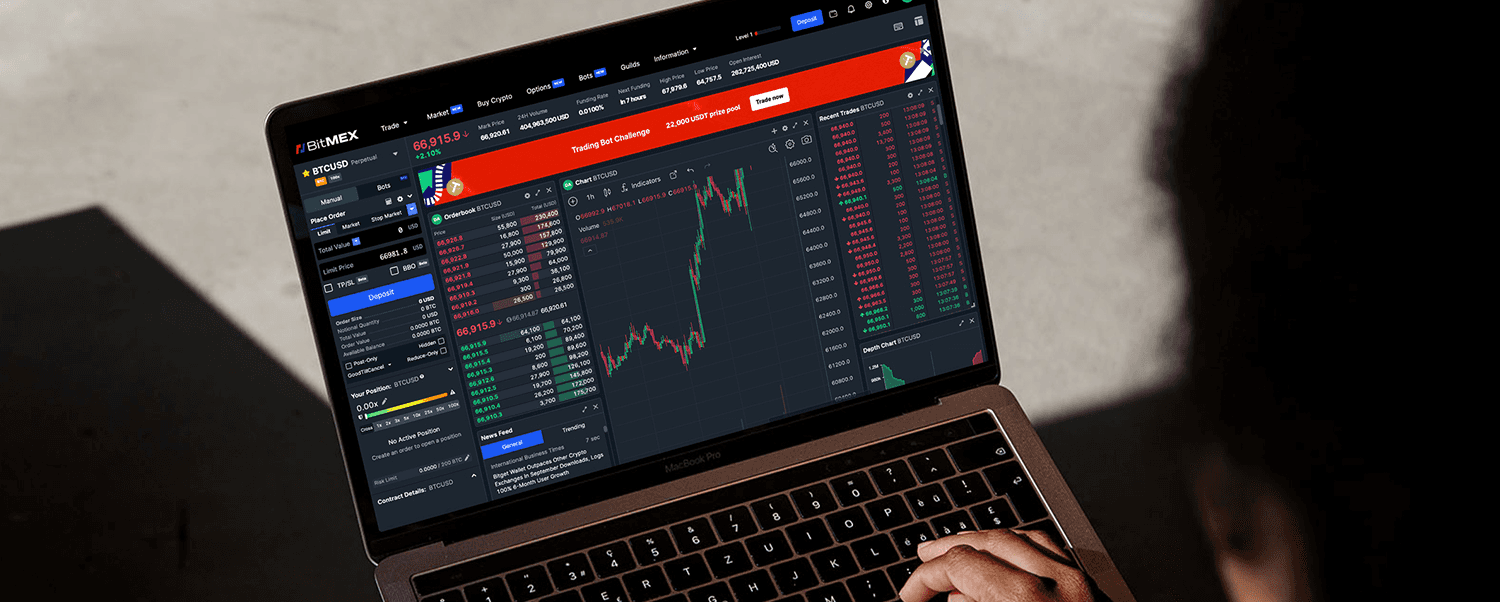
Understanding what's happening onchain only creates value if you can execute without switching contexts. The friction isn't interpretation anymore. It's the gap between recognizing a pattern and positioning before everyone else sees it. Bullpen compresses that gap by unifying execution across Bitcoin, Solana memecoins, Hyperliquid perpetuals, and Polymarket in a single interface. When onchain signals converge, you're already positioned to act instead of scrambling across wallets and bridges.
When Speed Determines Who Captures the Move
Spotting accumulation patterns or protocol adoption shifts means nothing if execution takes three minutes across four platforms. By the time you've bridged assets, connected wallets, and found liquidity, the entry you wanted is gone.
Turning Conviction into Execution Without the Lag
The familiar approach is to monitor onchain analytics through dashboards, then manually execute across separate DEXs, CEXs, and wallet interfaces when conviction forms. As markets compress reaction windows and more participants access similar data, that fragmented workflow becomes the bottleneck. Bullpen eliminates platform-hopping entirely, executing trades 10x faster with MEV protection across tokens, perps, and prediction markets from one unified interface, so when onchain activity signals opportunity, you're positioned before slower execution routes complete. Traders who've watched entries slip away while managing cross-chain transfers understand this viscerally. The frustration isn't lacking conviction. It's losing the setup-to-execution friction when timing was the only edge that mattered.
Verified Performance Instead of Loud Opinions
Crypto overflows with trading commentary. Most of it reflects confidence, not competence. Distinguishing between someone who talks well and someone who executes profitably requires verification that traditional platforms don't provide. Bullpen surfaces verified PnL data from top traders on X, live leaderboards showing who's actually winning, and transparent performance records that separate proven execution from narrative. When you're evaluating whether an onchain thesis has merit, seeing who's positioning behind it with real capital creates different conviction than reading their thread.
Real-Time Positioning Visibility
Most traders discover positioning changes after they're discussed publicly. Someone opens a leveraged long, tweets about it hours later, and by the time you see it, the move already happened. That delay turns verified performance into historical data instead of actionable insight. Bullpen notifies you when top performers open positions, so you see activity as it forms rather than after it's socialized. This doesn't mean blindly copying trades. It means understanding how experienced participants interpret the same onchain data you're watching in real time, with their capital at risk.
Removing Funding Friction
Even with clear signals and fast execution infrastructure, capital access creates delays. Traditional onboarding requires multiple verification steps, bank transfers that take days, and funding methods that add friction exactly when speed matters most. Bullpen lets you fund with Apple Pay or a direct bank connection and access leverage without the setup overhead that typically slows new positions. When onchain activity accelerates, and you need to scale into a thesis quickly, funding speed determines whether you capture the move or watch it happen.
Related Reading
Buy Crypto Today With Bullpen
If you want to stop just learning what onchain means and start acting on it in real time, try Bullpen today. Deposit now to earn a 500-point bonus, get a free introductory call when you deposit $1,000 or more, and trade Crypto, perpetuals, and prediction markets in one place without juggling wallets or bridges. Buy Crypto with Bullpen today and trade onchain activity as it happens, not after the fact. When you see accumulation patterns forming or protocol usage shifting, you're already positioned to execute instead of scrambling across platforms while the opportunity moves past you.
Last Updated:
March 23, 2026