Understand the role of on-chain transactions in decentralized finance. See how direct blockchain records provide a permanent audit trail for all.
You've watched the best memecoins skyrocket 1000% overnight, but by the time you see the news, the opportunity has already passed. On-chain transactions hold the secret to spotting these explosive moves before they happen, revealing wallet activity, liquidity shifts, and smart money flows in real time. This article shows you how to interpret blockchain data and act on it, transforming you from a passive observer into an active trader who understands when whales are accumulating, when liquidity is draining, and when momentum is building.
Reading the data is only half the battle. Bullpen's buy crypto solution lets you execute trades immediately when you spot promises on-chain signals, connecting your analysis directly to action without switching platforms or missing critical timing windows. When you identify a memecoin with unusual wallet concentration or sudden spikes in transaction volume, you can position yourself alongside the smart money rather than chasing pumps after they've already occurred.
Summary
On-chain transactions reveal capital flows before they appear on price charts, but most traders conflate observation with edge. According to Chainalysis, the median time between identifying an on-chain signal and executing a trade sits at four hours. In memecoin markets, four hours is an eternity.
Large wallet transfers don't automatically signal buying or selling pressure. TRM Labs' 2025 report shows that stablecoins alone moved $4 trillion in volume across blockchain networks in 2024, with a meaningful portion representing internal exchange operations, custody rebalancing, and OTC settlements. These transactions appear identical to on-chain market orders, but they don't create directional pressure.
On-chain flows often lag derivatives positioning rather than leading it. Changes in open interest, funding rates, and liquidation levels typically precede large spot and blockchain movements. Leverage builds before tokens move between wallets. Liquidations, not transfers, frequently trigger the largest price moves. By the time a trader reacts to a visible on-chain move, leverage is often already stacked on one side of the market, making the blockchain data confirmation after risk has already built rather than an early signal.
A transaction becomes tradable only when it changes the market's ability to absorb or distribute supply. Exchange inflows matter because they convert locked capital into a liquid supply. Glassnode's market reports show that net exchange inflows precede drawdowns, while outflows tend to coincide with accumulation phases, but only when flows are large relative to recent baselines.
Token unlock events demonstrate how timing matters more than the on-chain event itself. Research from Keyrock, covering over 16,000 token unlock events, found that roughly 90% led to negative price pressure, with the pressure often beginning around 30 days before the unlock. The market reacted to expectations and positioning, not the on-chain event alone.
Bullpen's buy crypto connects on-chain monitoring directly to trade execution across spot, perpetuals, and prediction markets from one unified interface, routing trades across 100+ liquidity sources to reduce the gap between signal recognition and position entry from hours to minutes.
Table of Contents
Why Most Traders Obsess Over On-Chain Transactions

Most traders obsess over on-chain transactions because they believe they're watching the market before it moves. On-chain data feels different from price charts and indicators. It's public, verifiable, and recorded directly on the blockchain. That creates the impression that you're seeing what actually happened, not a lagging interpretation.
Smart Money Signals: Differentiating Whale Strategy from Market Noise
The appeal is obvious. When traders see large transfers or wallet activity, it feels like looking at the market's raw inputs rather than its outputs. The data is public and verifiable, so it feels harder to manipulate. Wallet movements feel objective, especially compared to narratives or technical indicators that rely on interpretation. On-chain activity appears to be an early signal: capital moves on-chain first, then price follows. But this is where the problem starts.
The Observation Trap
Most traders watch on-chain transactions as if observation alone creates an edge. They track wallets, refresh dashboards, and bookmark transaction alerts, yet stop short of turning that information into a tradable decision. They see movement, but they don't know whether:
It represents accumulation
Preparation to sell
Internal transfers
Operational noise
Why Understanding 'Finality' and 'Throughput' is the Real Edge
According to Chainalysis, the median time between identifying an on-chain signal and executing a trade sits at 144e5 milliseconds (4 hours). Four hours is an eternity in memecoin markets. By the time most traders decide what the data means and how to act on it, the opportunity has shifted. They end up informed, but flat, or worse, late, because knowing that something moved is not the same as knowing how to trade it. As a result, on-chain data becomes something traders consume rather than act on. They accumulate knowledge without velocity. The transaction history sits in browser tabs. The wallet addresses get saved. The patterns get noticed. But the trade doesn't happen, or it happens too slowly to matter.
Why Speed Compounds Edge
Speed isn't just about being first. It's about closing the gap between insight and execution before the signal degrades. On-chain transactions reveal intention, but intention has a shelf life. A whale moving tokens into an exchange might signal selling pressure, but if you wait to confirm, the price has already adjusted. A sudden spike in transaction volume on a low-cap token might indicate accumulation, but hesitation turns edge into noise.
Bridging the Gap Between Knowing and Owning
The traders who profit from on-chain data aren't the ones with the most sophisticated dashboards. They're the ones who've compressed decision time. They've built systems that let them move from pattern recognition to position in minutes, not hours. They understand that blockchain transparency creates a level playing field for information access, but execution speed creates the actual edge.
Deciphering Market Divergence Before it Corrects
Glassnode Insights notes that Bitcoin's elevated price indicates a clear divergence between market valuation and network activity. When on-chain metrics and price action separate, the window for informed trades narrows. You're not just competing against other traders reading the same data. You're competing against time itself, against the rate at which new information gets priced in.
From Signal to Position
The familiar approach is to track on-chain activity via block explorers and analytics dashboards, then switch to separate exchanges to execute trades. It's common because the tools exist independently, each serving a specific function. Most traders have grown comfortable with this fragmented workflow.
Quantifying the Cost of Every Click
As transaction volume increases and opportunities become more time-sensitive, this separation creates friction. You spot unusual wallet concentration in a memecoin, then:
Navigate to an exchange
Connect your wallet
Search for the token pair
Place the order
By then, other traders acting on the same signal have already moved the price. The insight was correct, but the execution lag eliminated the advantage.
How Smart Routing Eliminates the 'Manual Tax'
Platforms like buy crypto compress this cycle by connecting on-chain analysis directly to trade execution within a unified interface. When you identify a promising signal, whether it's wallet concentration patterns or sudden volume spikes, you can position yourself immediately, reducing execution time from hours to minutes while maintaining full visibility into transaction costs and slippage through optimized routing.
Why Faster Execution Requires Stronger Discipline
The traders who win aren't necessarily seeing different data. They're acting on it faster, with less friction between recognition and execution. They've eliminated the gaps where the edge evaporates. On-chain transactions matter because they reveal what's happening beneath price action. But watching isn't the same as trading. The obsession makes sense only when it connects to speed, when the data becomes a trigger rather than a spectator sport. Otherwise, you're just collecting information about opportunities that have already passed. But even when traders solve for speed, they still make one critical mistake that undermines everything else.
Related Reading
The Hidden Belief That Leads Traders Astray
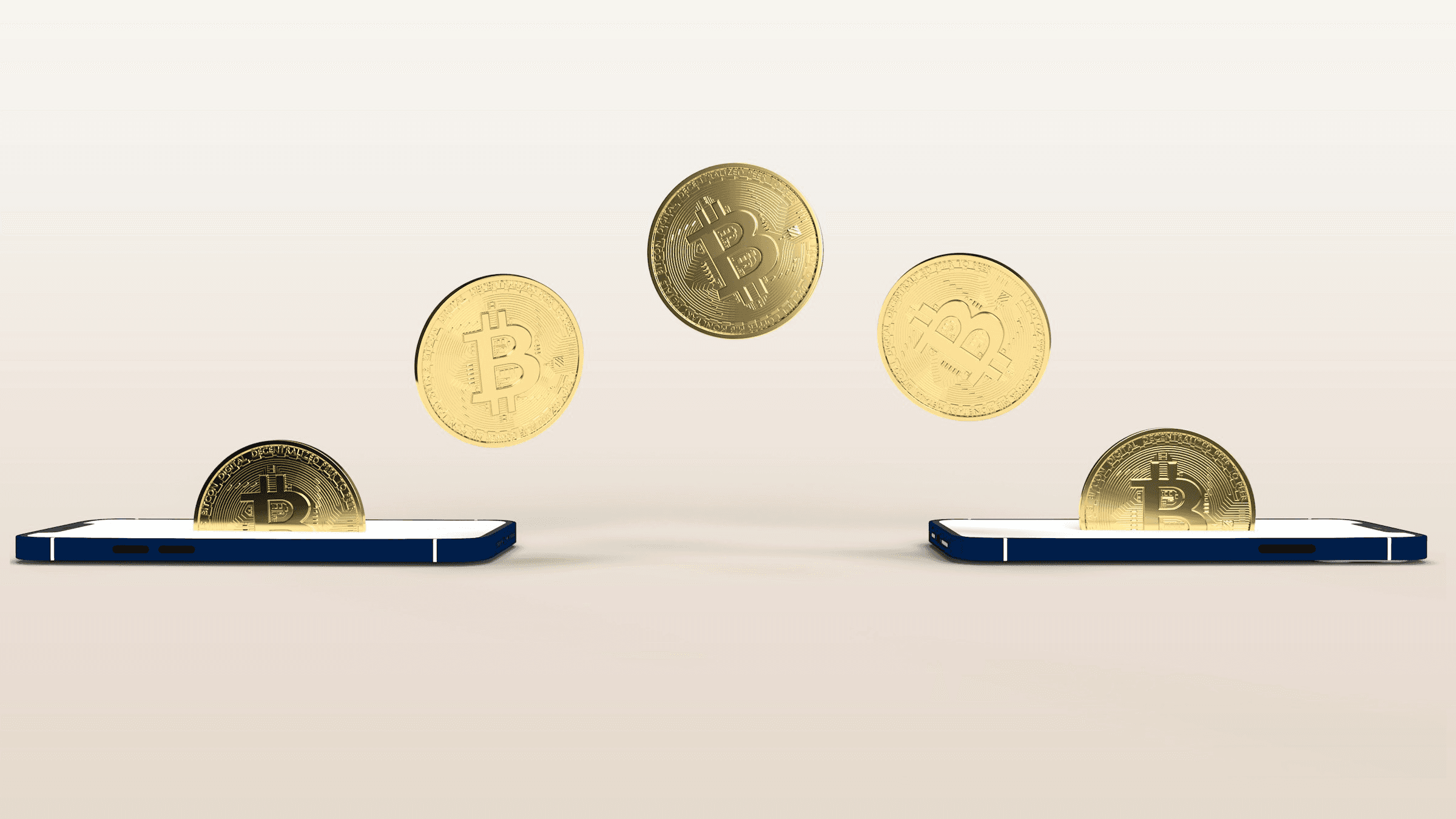
Traders who finally start paying attention to on-chain data often adopt a belief that feels logical at first: if I monitor enough blockchain transactions, I'll front-run the market. The reasoning seems sound. Transactions are public, timestamped, and cryptographically verified. If capital flows drive price movement, then watching those flows should reveal what's coming before it shows up on a chart. That assumption explains why traders build elaborate monitoring systems. They track whale wallets. They set alerts for large transfers. They refresh dashboards obsessively, convinced that visibility equals advantage. The belief sticks because it's wrapped in three appealing ideas.
Large Wallets Look Authoritative
When a single address moves $5 million worth of tokens, it feels deliberate. The scale suggests intention, as if institutional capital were making a calculated decision. Analytics platforms reinforce this framing by publishing guides on whale tracking and capital flows, turning wallet movements into actionable signals. The larger the transaction, the more it resembles informed money-making and a purposeful move. But size doesn't reveal motive. A large transfer might signal accumulation before a pump. It might also represent custody rebalancing, an OTC settlement that already happened off-chain, or an internal shuffle between wallets controlled by the same entity. The transaction itself is real. The story traders attach to it is often fiction.
Dashboards Update in Real Time
Seeing transactions as they confirm creates the illusion of speed. It feels like you're watching the market before price reacts, especially compared to charts that only update after trades execute. Real-time feeds make you feel present when capital moves, as if you're standing at the front of the information queue.
Why Priority Fees are the Real Speed Limit
The problem is that presence isn't the same as priority. By the time a transaction confirms on-chain, other traders with faster execution infrastructure have already positioned themselves. You're watching in real time, but you're still late. According to Chainalysis research published in 2024, the median reaction time for retail traders responding to on-chain signals is approximately four hours. In memecoin markets, four hours can feel like four days. The signal was real. The window closed before you moved.
Social Amplification Turns Data Into Narrative
Influencer screenshot transfers: label them "smart money" and attach stories that spread faster than anyone can verify the underlying context. A single transaction becomes a narrative. Someone moved tokens into an exchange, so selling pressure must be coming. A whale accumulated during a dip, so a reversal is imminent. These stories are easier to trade than uncertainty, so they stick.
The 30-Day Window: Using Tokenomics to Beat the On-Chain Signal
But narratives are contagious, not necessarily correct. Keyrock's analysis of over 16,000 token unlock events found that roughly 90% resulted in negative price pressure. What's more revealing: that pressure often began about 30 days before the unlock. The market reacted to expectations and positioning, not the on-chain event alone. Traders who acted on the unlock transaction were already behind those who positioned based on the calendar and liquidity conditions.
Movement Without Intent
On-chain transactions show that something happened. They don't explain why it happened, where the tokens are actually going, or what the sender plans to do next. A transfer to an exchange could signal selling pressure. It could also reflect internal custody operations, staking mechanics, or preparations for a liquidity provision unrelated to market sentiment. Research from the Bank for International Settlements highlights how liquidity conditions distort the meaning of on-chain flows. In markets with shallow depth, a relatively small transfer can cause outsized price movement. The same transaction that's meaningless in a liquid market becomes destabilizing in a thin one. Context matters more than raw data, and most traders never get it until it's too late.
Why Reading the Calendar is as Critical as Reading the Ledger
Token unlock data makes the gap between observation and understanding even clearer. When Keyrock analyzed thousands of unlock events, they found that the on-chain moment when tokens became transferable was rarely the moment when the price moved. Instead, traders who understood unlock schedules, vesting timelines, and expected selling pressure positioned themselves weeks in advance. The on-chain transaction was just a confirmation of something the market had already priced in.
The Edge Isn't in Watching More
The dangerous part of this belief isn't that traders watch on-chain data. It's that they assume watching more of it automatically creates an edge. Without understanding how a transaction interacts with liquidity, positioning, and market expectations, you're just collecting timestamps. You know something moved. You don't know how the market will respond to it. That's why traders who rely on raw on-chain signals often feel informed but still end up late. They see the whale transfer. They notice the exchange inflow. They track the wallet concentration. Then they hesitate, trying to interpret what it means, and by the time they decide, the opportunity has shifted. The insight was correct. The execution was too slow to matter.
How Smart Order Routing Protects Your Entry Price
Platforms like buy crypto compress the gap between signal recognition and trade execution by integrating on-chain monitoring directly into the trading interface. When you identify unusual wallet activity or volume spikes, you can position yourself immediately by optimizing routing to reduce slippage and transaction costs. The advantage isn't seeing different data. It's acting on it before the signal degrades.
Reading Market Depth to Protect Your Edge
The traders who profit from on-chain transactions aren't the ones with the most sophisticated dashboards. They're the ones who've built systems that let them move from pattern recognition to position in minutes, not hours. They understand that blockchain transparency creates equal access to information, but execution speed and liquidity awareness create the actual edge. Most traders aren't early because they saw an on-chain transaction. They're early because they understood how that transaction interacted with the market's current state, and they moved before everyone else finished interpreting it.
Where On-Chain Transactions Break Down in Live Markets
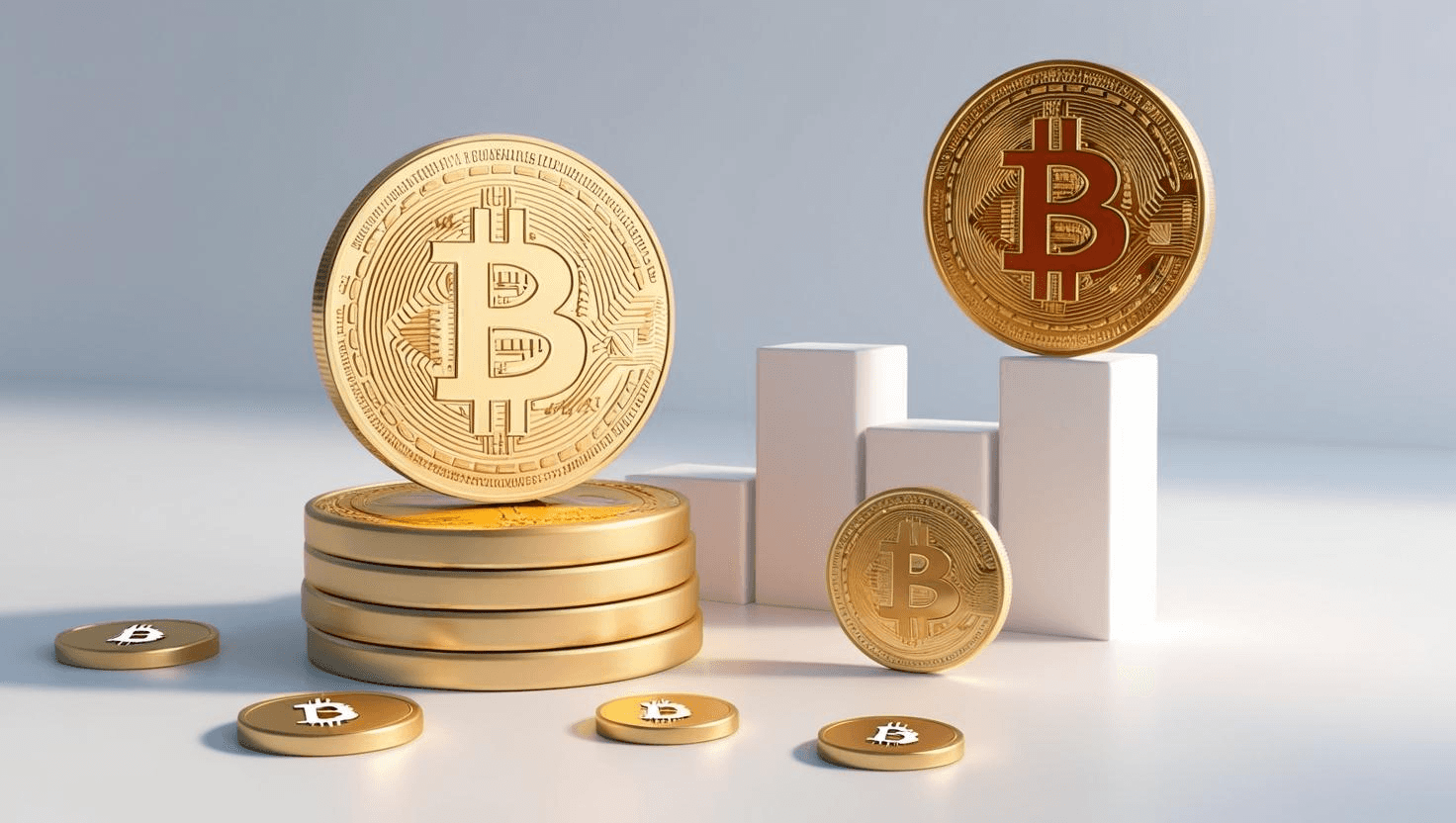
The moment you try to trade based on on-chain data, you discover that movement and meaning are different things. A transaction confirms. Your dashboard updates. But the signal you thought you had dissolves the moment you check:
Liquidity
Positioning
Timing
Most traders learn this the hard way: watching transactions isn't the same as understanding how the market will respond to them. The breakdown happens in three specific places, each one revealing why visibility alone never creates an edge.
Large Transfers Aren't Always Buys or Sells
A whale moves $3 million worth of tokens to an exchange. It looks bearish. The size suggests conviction, as if someone were preparing to dump. But size doesn't reveal intent, and intent is the only thing that matters. According to TRM Labs' 2025 Crypto Adoption and Stablecoin Usage Report, stablecoins alone moved USD 4 trillion in volume across blockchain networks in 2024. A significant portion of that volume consisted of internal exchange operations, custody rebalancing, OTC settlements, and staking flows. These transactions appear identical to on-chain market orders, but they don't create directional pressure. The transfer happened. The trade didn't.
Decoding Intent in Exchange Flows
Post-event analysis from market infrastructure providers consistently shows that large exchange inflows often increase volatility without producing immediate directional moves. The transaction looked like selling pressure. The market reacted to uncertainty. But no sell order ever hit the order book because the transfer was operational, not speculative. Traders who short based on size alone get chopped when the price doesn't follow. They saw movement. They assumed intent. The market taught them the difference.
Smart Money Splits Activity Across Wallets
The assumption that sophisticated capital moves transparently is where many traders lose the thread. Large holders don't broadcast their positioning. They distribute activity across multiple wallets to:
Reduce visibility
Minimize market impact
Manage operational risk
On-chain behavior analysis from firms such as Glassnode consistently shows this pattern. The wallets traders track, the ones with clean, obvious transactions, are often not the ones driving positioning. The real accumulation or distribution happens underneath, fragmented across addresses that don't trigger alerts or appear on whale-watching dashboards.
Identifying the Entity Behind the Addresses
The consequence is predictable. You track visible wallets while missing the quieter activity that actually moves the price. You see one address sell 500,000 tokens and assume distribution is happening. Three other addresses controlled by the same entity accumulated 1.2 million tokens over the past week, but you did not notice because the transactions were small and spread out over time. The clean signal you thought you had was noise. The actual signal was invisible.
On-Chain Flows Often Lag Derivatives Positioning
The most damaging failure occurs when traders assume that on-chain activity drives price. In most cases, derivatives markets move first. Changes in open interest, funding rates, and liquidation levels precede large spot and on-chain flows. Leverage builds before tokens move between wallets. Liquidations, not transfers, frequently trigger the largest price moves. Research summarized by institutions like the Bank for International Settlements highlights how leveraged markets amplify price moves once positioning becomes crowded. By the time a trader reacts to a visible on-chain move, leverage is often already stacked on one side of the market. The on-chain transaction becomes confirmed after risk has already built, not an early signal.
Reading the Derivatives 'Map' Before Acting on Spot Data
You see a whale accumulate on-chain and assume bullish intent. What you don't see is that:
Funding rates spiked two days earlier
Open interest doubled
Long positions are already overleveraged
The on-chain data was correct. The context was missing. When liquidations hit, the price moves against the on-chain signal because derivatives positioning mattered more than spot flows. Traders who rely on on-chain data without pairing it with a derivatives context end up well-informed and poorly positioned. They know something moved. They don't know what the market is already priced in.
The Result for Traders
When these breakdowns combine, the outcome repeats itself across accounts and timeframes. Traders confuse noise for signal, acting on transfers without understanding intent. They misread visibility as intelligence, tracking wallets that aren't driving prices. They enter after positioning is already crowded, just as risk peaks.
How Context Switching Destroys Your Competitive Edge
The familiar approach involves monitoring on-chain activity through separate dashboards, then switching to exchanges to execute trades. It's common because the tools exist independently. But as transaction volume increases and opportunities become more time-sensitive, this separation creates friction. You spot unusual wallet concentration, navigate to an exchange, connect your wallet, search for the token pair, and place the order. By then, other traders acting on the same signal have already moved the price.
How Atomic Settlement Guarantees Your Trade
Platforms like buy crypto compress this cycle by connecting on-chain analysis directly to trade execution within a unified interface. When you identify a promising signal, whether it's wallet concentration patterns or sudden volume spikes, you can position yourself immediately through optimized routing that reduces slippage and transaction costs. The advantage isn't seeing different data. It's acting on it before the window closes. On-chain transactions are not useless. But they are contextual signals, not trade triggers. Without pairing them with derivatives positioning, liquidity depth, and timing, you end up with information that looks actionable but degrades before you can use it. You know that something moved. You don't know whether it mattered.
Related Reading
What Actually Makes an On-Chain Transaction Tradable
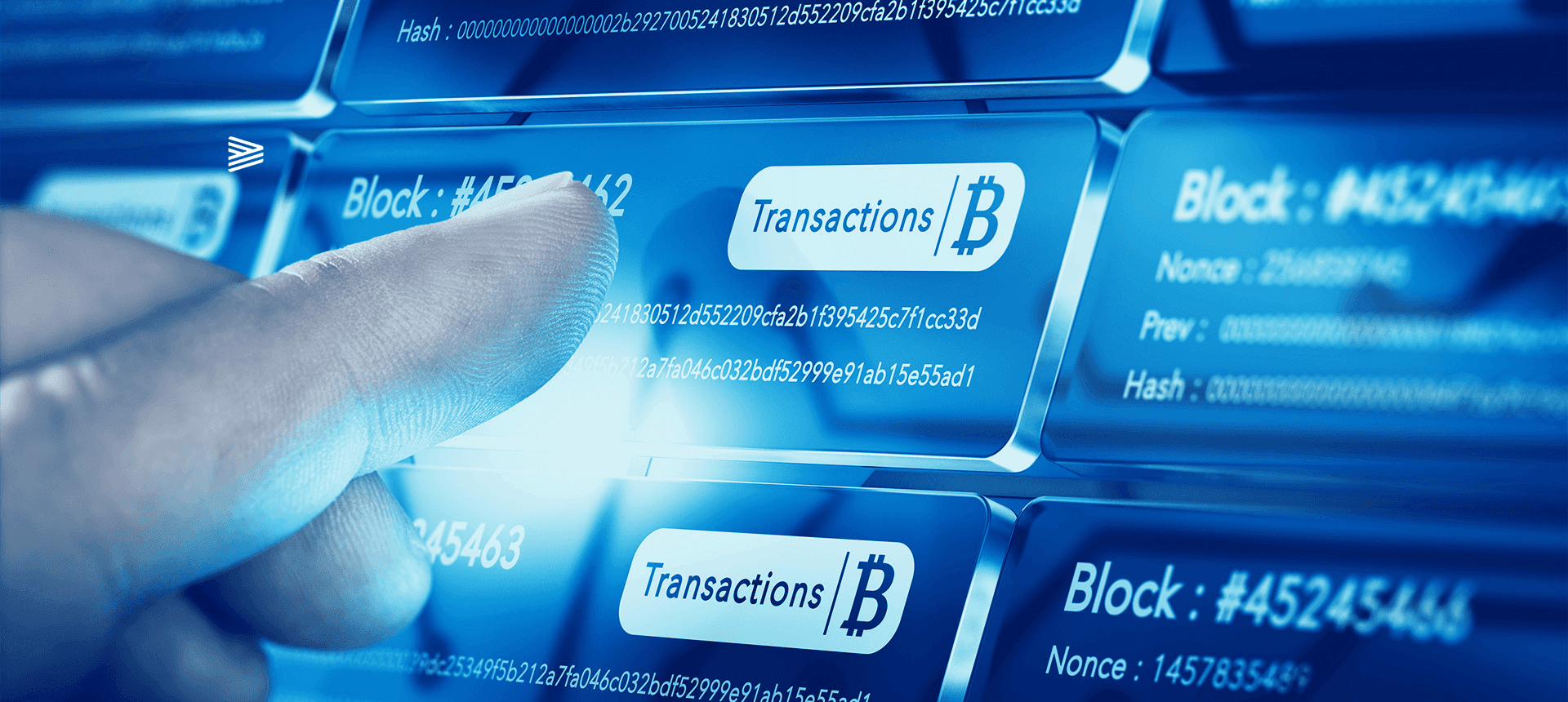
A transaction becomes tradable when it changes the market's ability to absorb or distribute supply. Not when it moves. Not when it's large. When it alters the conditions that determine whether the price can hold or must adjust. That distinction separates traders who profit from on-chain data and those who just collect it. The transaction itself is neutral. What matters is whether it increased the liquid supply available to sellers, reduced it, or shifted positioning in a way that makes the current price unsustainable.
Did the Transaction Increase Tradable Supply?
The first filter is simple but decisive. Did this movement make tokens easier to sell? Exchange inflows matter because they convert locked capital into a liquid supply. A token held in a cold wallet can't be added to the order book. A token arriving at an exchange can. Chainalysis research shows that $14 billion in cryptocurrency was stolen in 2024, much of it later moved to exchanges for liquidation. Those movements created a tradable supply. The theft was the event. The exchange deposit was the signal.
Moving Beyond Raw Transaction Volume
Glassnode's market reports show that net exchange inflows precede drawdowns, while outflows tend to coincide with accumulation phases. But only when flows are large relative to recent baselines. A $2 million inflow means nothing if the seven-day average is $15 million. Context determines whether the transaction matters. Tokens moving between cold wallets, custodians, or internal exchange addresses don't meet that bar. They're operational. They don't change how much supply the market can access. Traders who react to these movements are trading noise.
Did it Move Assets Toward or Away From Liquidity?
Direction matters more than size. A $50 million transfer away from an exchange reduces risk. The same transfer toward an exchange increases it, especially in thin markets. Research into crypto market microstructure shows that liquidity concentration matters more than absolute supply. The Bank for International Settlements highlights how shallow depth amplifies the impact of even modest inflows. In markets where the top three bid levels hold less than $500,000, a $2 million transfer toward an exchange becomes material. The same transfer in a market with $20 million in bid depth barely registers.
Mapping the Distance Between a Wallet and a Trade
That's why professional traders track transfer direction before they consider size. A whale moving:
Tokens to a bridge
A liquid staking exit
A known exchange hot wallet changes the risk profile
A whale consolidating tokens into cold storage or moving between custodial addresses does not. The mistake most traders make is assuming large transactions are always significant. They're not. They're only significant when they move capital closer to venues where it can be sold.
Is Positioning Confirming the Flow?
This is where retail analysis stops, and professional edge begins. On-chain transactions become tradable only when derivatives and spot positioning confirm them. Changes in open interest and funding rates often precede large spot moves. Crowded leverage amplifies the impact of new supply. Liquidations, not transfers, drive the sharpest moves. Institutional research cited by the BIS highlights that leverage and positioning amplify price reactions far more than raw flows alone. In practice, traders wait for confirmation that open interest is expanding in the same direction as the flow, funding rates are skewing to signal crowded exposure, and spot liquidity is insufficient to absorb new supply. Without this confirmation, on-chain data is descriptive rather than actionable.
How Leverage and Depth Amplify On-Chain Signals
A whale deposits $10 million worth of tokens to an exchange. That's visible. But if funding rates are neutral, open interest is flat, and spot depth is deep, the market might absorb the supply without moving the price. The transaction happened. The trade didn't materialize because positioning didn't confirm the pressure. Conversely, a smaller $3 million deposit becomes explosive when funding rates spike, long positions are overleveraged, and liquidity is thin. The on-chain signal was smaller. The market reaction was larger because positioning amplified it.
The Key Insight
On-chain transactions only matter when they change market conditions. That happens when tradable supply increases or decreases, assets move toward or away from liquidity, and positioning and leverage confirm the pressure. Everything else is context. Advanced traders don't ignore on-chain data. They demote it. It's not a trigger. It's an early-warning system that becomes tradable only when market structure, liquidity, and positioning line up.
Why Connectivity is the Real Anti-Slippage Tool
Most traders who track on-chain activity use separate dashboards, then switch to exchanges to execute trades. That separation creates friction. You spot unusual wallet concentration, navigate to an exchange, connect your wallet, search for the token pair, and place the order. By then, other traders acting on the same signal have already moved the price. Platforms like buy crypto compress this cycle by connecting on-chain analysis directly to trade execution within a unified interface. When you identify a promising signal, whether it's wallet concentration patterns or sudden volume spikes, you can position yourself immediately through optimized routing that reduces slippage and transaction costs while maintaining full visibility into execution quality.
Why the Right Framework Outlasts the Latest Dashboard
That's the difference between watching transactions and trading them. One is observation. The other is velocity. The data matters only when you can act on it before the window closes. But even perfect timing and flawless execution won't save you if you're using the wrong framework to begin with.
The Smarter Way to Trade On-Chain Transactions
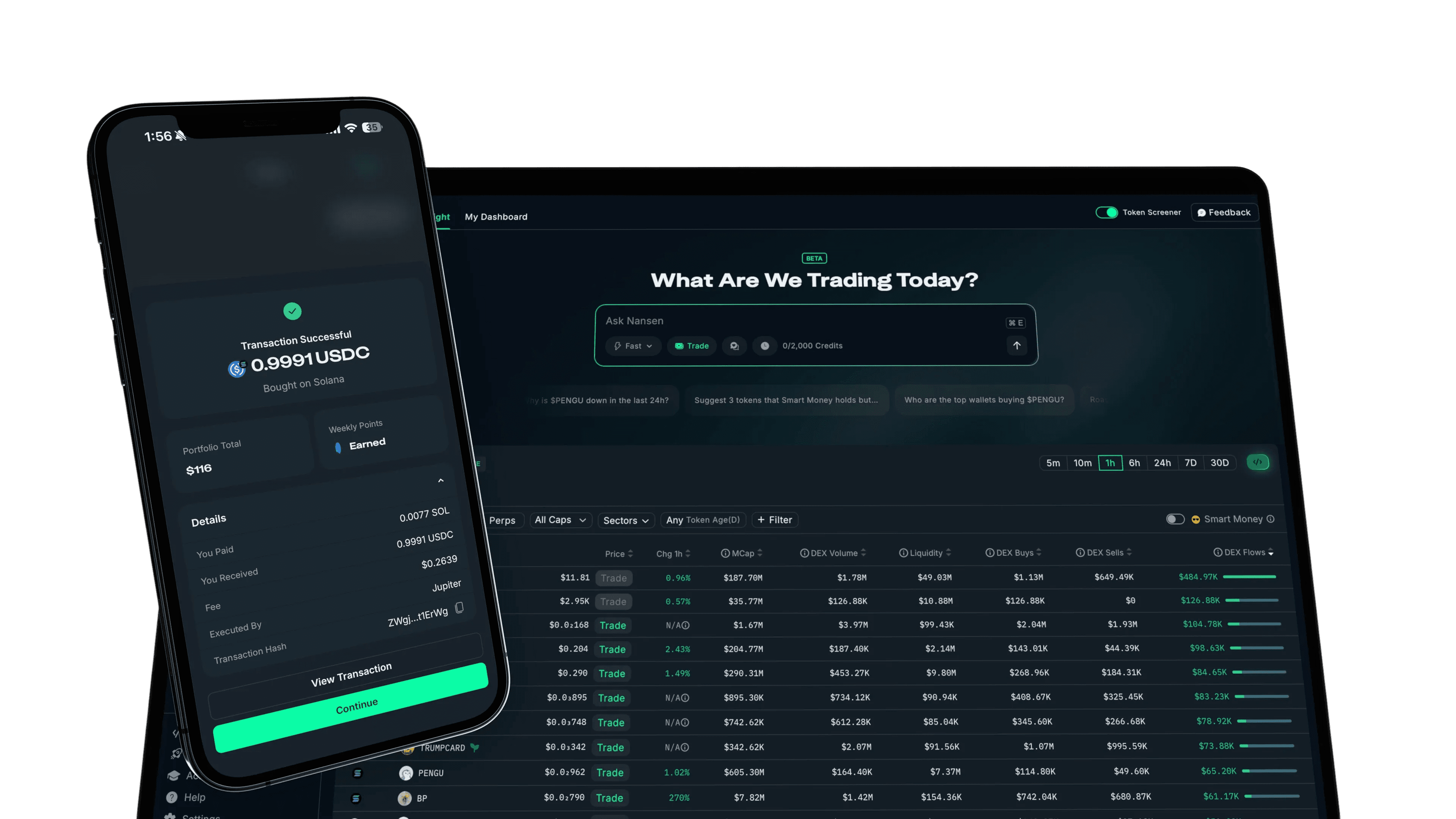
Once you've seen enough cycles, the lesson is simple: on-chain data is context, not a trigger. High-level traders don't sit around waiting for a wallet to move and then smash buttons. They treat on-chain transactions as early information that only becomes actionable when markets are forced to respond. That's why the workflow looks different.
Frame Risk, Not Price
They use on-chain flows to frame risk, not predict price. Transfers, unlocks, and bridge activity answer one question: could supply or demand change soon? Will the price move? That framing keeps them early without forcing them to be wrong too soon. A whale moving tokens to an exchange doesn't mean sell immediately. It means supply conditions just shifted. Maybe the market absorbs it without flinching. Maybe liquidity is too thin, and the price gaps down. The transaction tells you what's possible, not what's certain.
How to Update Your Thesis Without Breaking Your Plan
Traders who confuse possibility with prediction end up overtrading. They react to every wallet movement as if it's a signal, when most of the time it's just information updating the backdrop. The smart approach is patience wrapped in awareness. You know something changed. You wait to see if the market cares.
Wait for Positioning to Tell the Story
They wait for off-chain positioning to tell the story. Spot flow, perpetuals, funding, and open interest reveal whether traders are leaning into or fading that potential supply. If leverage is already crowded, even small flows matter. If positioning is flat, the same flow can pass quietly. This is where most traders underestimate the importance of timing the market break rather than reacting to the initial on-chain signal. You see the wallet deposit. You check funding rates. If they're neutral and open interest hasn't budged, you wait. No urgency. No trade. The on-chain event happened, but the market hasn't decided it matters yet.
Using Order Flow to Confirm Market Conviction
When positioning shifts, when funding starts drifting one way without follow-through, and when open interest expands into a narrowing range, that's when the on-chain context becomes relevant. The transaction was the setup. Positioning is the confirmation. Together, they create a tradable moment.
Time the Break
Then comes the part most traders underestimate: timing the break. Price doesn't move when a wallet transfers tokens. It moves when markets fail to absorb what's coming. That moment usually shows up as funding drifting one way without follow-through, open interest expanding into a narrowing range, or spot bids thinning right as supply approaches. These aren't predictive signals. They're structural failures. The market tried to hold a level, but couldn't, and now something has to give. When that happens, the narrative stops mattering. Execution does.
How Context Switching Erodes Your Edge
The familiar approach involves tracking on-chain activity through separate dashboards, then switching to exchanges to execute trades. It's common because the tools exist independently, each serving a specific function. As transaction volume increases and opportunities become more time-sensitive, this separation creates friction. You spot unusual wallet concentration:
Navigate to an exchange
Connect your wallet
Search for the token pair
Place the order
By then, other traders acting on the same signal have already moved the price. The insight was correct, but the execution lag eliminated the advantage.
Why Connectivity is the Real Anti-Slippage Tool
Platforms like buy crypto compress this cycle by connecting on-chain monitoring directly to trade execution within a unified interface. When you identify wallet concentration patterns or sudden volume spikes, you can position yourself immediately through optimized routing that reduces slippage and transaction costs while maintaining full visibility into execution quality.
Why This Approach Works
This approach works because it matches how price actually forms. Wallets don't trade markets. Markets trade markets. On-chain data sets the backdrop, positioning loads the spring, and execution captures the move when something snaps. That's the difference between watching on-chain transactions and trading them. One is reactive. The other is systematic. You're not chasing wallet movements. You're waiting for the moment when those movements force the market to adjust, and you're ready to act when structural conditions confirm the pressure.
The Three Filters of a High-Conviction Trade
Most traders skip the middle steps. They see the on-chain flow, assume it's tradable, and enter without checking whether positioning or liquidity supports the move. Then they sit in a drawdown, confused why the “signal” didn't work. The signal was fine. The execution was premature.
The Trigger vs. the Trade: Building a High-Velocity Decision Engine
Consistently winning traders treat on-chain transactions as one input in a decision framework, not as the decision itself. They respect the data without worshipping it. They wait for confirmation without waiting so long that the edge disappears. They execute when conditions align, not when dashboards update. That's not intuition. It's discipline built from watching what actually moves price versus what just looks like it should. But knowing the framework and having the tools to execute it are two very different problems.
How Bullpen Helps You Trade on Chain Transactions in Real Time
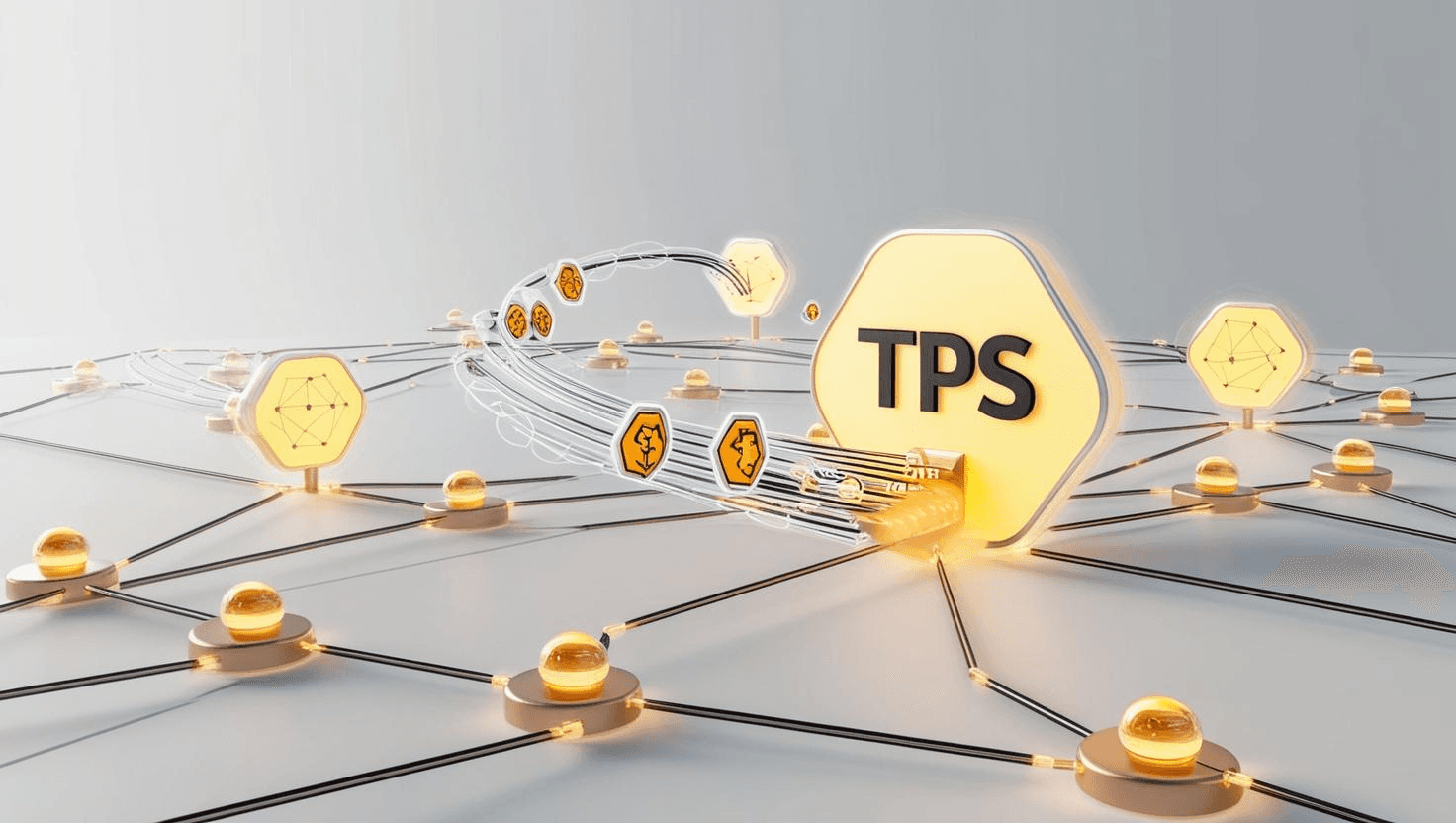
Once you stop treating on-chain transactions as signals and instead treat them as inputs, the bottleneck becomes clear: execution. Most traders can see on-chain flows. Very few can act on them fast enough, across the right markets, with real context. That's the gap Bullpen is built to close.
Matching the Narrative to the Right Instrument
You can see real positioning across onchain and offchain markets, so you're not guessing whether a transfer actually matters. When flows show up, you can immediately check how spot, perps, and leverage are positioned, and whether the market is set up to absorb supply or snap. You can trade spot, memecoins, perps, and prediction markets in one place, which matters because on-chain narratives don't play out in a single venue.
Sometimes the cleanest expression is perps.
Sometimes it's spot.
Sometimes it's elsewhere entirely.
Bullpen gives you execution flexibility instead of forcing dogma.
Identifying Divergence Between Flows and Price
You can act fast when on-chain flows and market positioning diverge. That's where edge actually exists: when wallets move one way, positioning leans the other way, and price hasn't adjusted yet. Bullpen is designed for those moments when speed and coordination matter more than perfect information. And instead of blindly tracking wallets, you can follow top traders with verified PnLs. That means seeing how experienced traders are positioning around flows and narratives, based on results, not screenshots or speculation.
Routing That Actually Optimizes Execution
Speed matters, but not if you're getting ripped off on slippage or paying avoidable fees. Execution quality determines whether an edge survives market contact. According to Bullpen docs, the platform routes trades across 100+ liquidity sources to find optimal execution. That's not marketing. It's infrastructure. When you're acting on a time-sensitive on-chain signal, routing determines whether you capture the move or leak value to spreads and impact.
How Routing Logic Protects Your Profit Margin
The traders who consistently profit from on-chain flows aren't just fast. They're precise. They execute at prices that preserve their edge rather than erode it. Routing matters because memecoin liquidity is fragmented. The best price isn't always on the exchange you're already using. Sometimes it's split across three venues, and manual aggregation takes too long. Automated routing solves that. You see the signal. You decide to act. The platform handles execution across venues, offering the tightest spreads and deepest liquidity at that moment. You get filled at a better price than you would have manually, and you didn't spend three minutes comparing order books.
Markets Move When You're Not Watching
On-chain transactions don't respect your schedule. Wallets move at 3 a.m. Unlocks happen during weekends. Bridge activity spikes when you're offline. If your system requires your presence, you'll miss setup time. That's why automation isn't optional for traders serious about on-chain edge. You can't watch everything. But you can build systems that watch for you and execute when conditions align.
Setting the Logic to Outrun the Market
Bullpen lets you set parameters around what matters. When certain wallet behaviors appear, when positioning reaches specific thresholds, and when liquidity conditions shift in ways that make a signal tradable, the platform can act. You define the logic. The system handles the timing. This isn't about removing judgment. It's about extending your capacity to respond when opportunities arise outside your active hours. The best on-chain setups don't wait for you to finish breakfast. They happen, and they close. Automation means you're positioned when it matters, not scrambling after the fact.
Proof Over Narrative
The memecoin space is full of people claiming to be smart money. Screenshots get faked. Wallet addresses get misattributed. Narratives spread faster than anyone can verify them. Bullpen's leaderboard cuts through that. Performance is public and verifiable. You can see who's actually making money, not who talks the loudest. When deciding whether an on-chain signal matters, it helps to know how traders with track records respond.
Distinguishing Institutional Context From Retail Noise
You're not following blindly. You're watching people whose results are transparent. If a trader with a verified six-month win rate starts positioning around a specific on-chain flow, that's context worth considering. If someone with no verifiable edge is promoting a wallet transfer, ignore it. This matters because on-chain data is only as useful as the context you provide. Seeing how skilled traders interpret and act on flows gives you a reference point. You still make your own decisions. But you're doing it with better information about how people who've proven they can execute are thinking about the same data you're seeing. But having the tools is only half the equation.
Trade on Chain Transactions in Real Time With Bullpen
If you want to trade on-chain transactions as they move price, not just track them, you need infrastructure that compresses the gap between signal and execution. Most traders watch flows through dashboards and then manually navigate to exchanges. By the time they position themselves, the edge has degraded. The opportunity was real. The execution was too slow to capture it.
How Institutional-Grade Infrastructure Protects Your Alpha
Bullpen connects on-chain monitoring directly to trade execution across spot, perpetuals, and prediction markets through a single unified interface. When you identify wallet concentration patterns or sudden volume spikes, you can position yourself immediately by routing through 100+ liquidity sources. You're not switching between tools or manually comparing order books. You're acting while the signal still matters, with execution quality that preserves edge rather than erodes it through slippage and fragmented liquidity.
Performance-Validated Decision Making
The platform also surfaces how traders with verified track records are positioning around the same flows you're watching. Performance is public and verifiable through leaderboards, so you can see who's actually profiting from on-chain signals versus who's just loud on social media. That context matters when you're deciding whether a wallet transfer is tradable or just noise. You're still making your own decisions, but you're doing so with better information about how people who've proven they can execute interpret the same data.
Why Execution Infrastructure Is Your Hidden Edge
Deposit today to earn a 500-point bonus. If you deposit $1,000 or more, you get a free introductory call to help you set up execution parameters and understand how to pair on-chain signals with positioning data. Trade across on-chain and off-chain markets from one place to buy crypto. The traders who win aren't watching more data. They're acting on it faster and with better execution before the window closes.
Related Reading
Last Updated:
March 23, 2026