
High fees eating your gains? Explore Crypto.com alternatives for lower trading costs, better staking APY, and a seamless mobile experience.
If you've been trading on Crypto.com but find yourself frustrated by high fees, limited staking options, or restrictive withdrawal policies, you're not alone. Active traders often discover that their platform choice directly impacts their profits, especially when chasing opportunities in volatile markets like the “Best Memecoins”. This article breaks down the top Crypto.com alternatives for traders seeking lower costs, better liquidity, and a more diverse token listing to stay ahead.
Finding the right exchange means more than just signing up for another account. Bullpen's buy Crypto feature streamlines your entry into alternative platforms, letting you purchase digital assets quickly without navigating complicated verification processes or dealing with excessive trading fees that eat into your memecoin gains. Whether you're looking for platforms with advanced charting tools, faster transaction speeds, or access to newly launched tokens before they explode, the right alternative can transform how you trade and maximize your returns.
Summary
Major centralized exchanges prioritize established cryptocurrencies with high liquidity and regulatory clarity, which delays access to newer tokens, niche ecosystems, or fast-moving sectors like memecoins. By the time an asset appears on a large exchange, early price discovery may already be over.
Execution speed determines outcomes more than fee structure in volatile Crypto markets, where prices shift several percentage points in minutes. A 2% worse entry price matters far more than a 0.1% difference in trading fees. Network latency can vary by as much as 1,000 milliseconds (1 second) depending on infrastructure quality, and in Crypto markets, that single second can mean the difference between profit and an opportunity vanishing.
Cross-chain bridge exploits are among the largest sources of Crypto losses, with more than $2 billion stolen from bridges in 2022 alone, according to Chainalysis. Beyond security risks, moving assets across blockchains introduces operational complexity, delay from network confirmations, and multiple fee layers, including withdrawal fees, network transaction fees, and slippage during swaps.
Managing positions across multiple platforms creates hidden costs that exceed fee differences. Traders spend time coordinating wallets, monitoring multiple interfaces, and waiting for transfers rather than analyzing markets. During volatile periods when opportunities emerge and vanish in minutes, capital locked in transit between platforms cannot be deployed, turning timing advantages into missed trades.
Platforms implementing 100% error sampling can catch execution failures before they cascade into larger problems, but this level of monitoring is only possible when entire transactions occur within a single system rather than spanning multiple disconnected services.
Bullpen's buy Crypto consolidates tokens, perpetuals, and prediction markets into a single onchain interface with execution speeds 10x faster and costs 10x cheaper than traditional centralized exchanges.
Table of Content
Why Traders are Looking Beyond Crypto.com
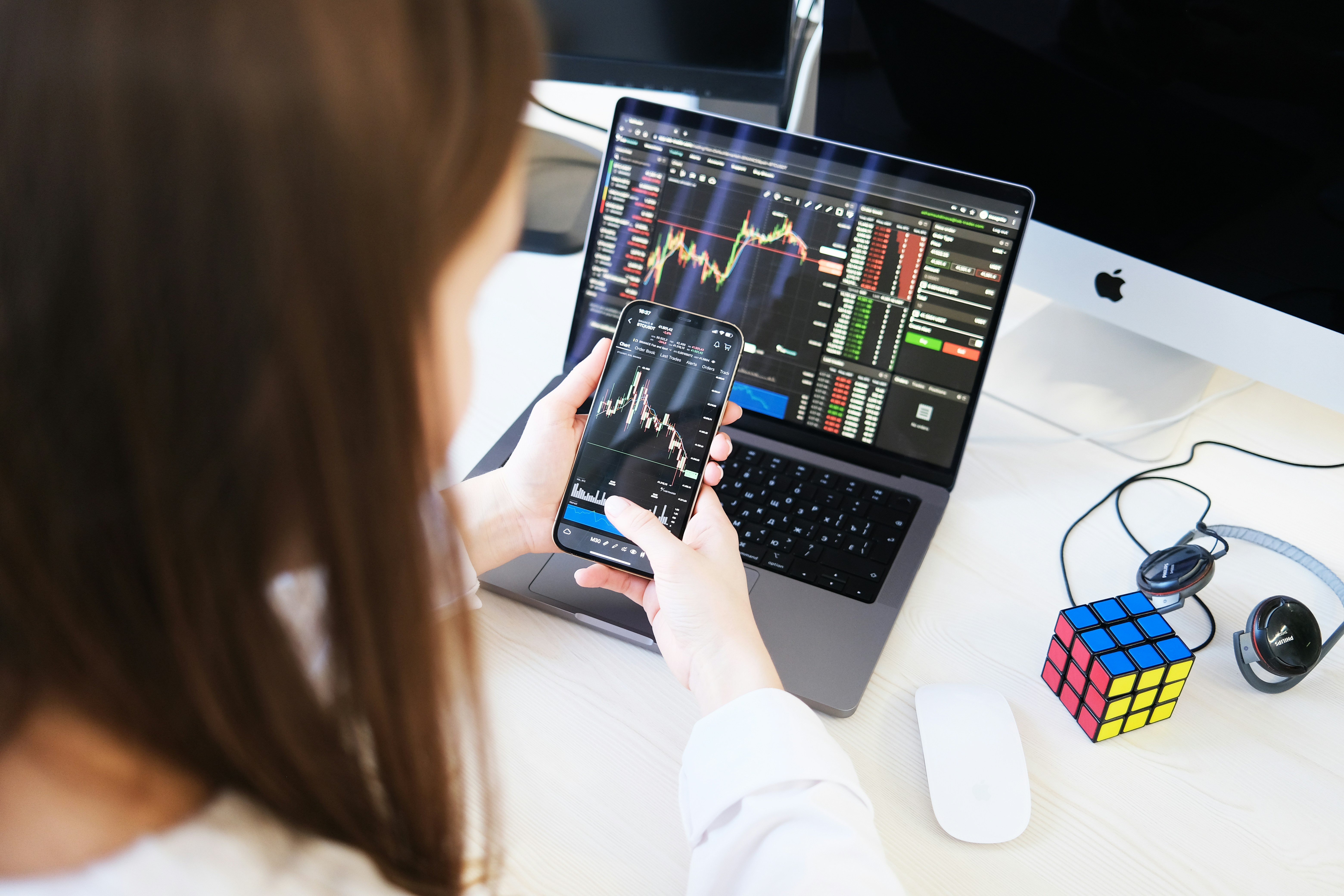
The platforms that made Crypto accessible to millions weren't designed for the speed and breadth that active traders now demand. What worked for buying Bitcoin in 2020 feels increasingly mismatched with the reality of 2025, where opportunities appear and vanish across:
Multiple chains
Asset classes shift in minutes
Execution quality determines whether you capture a move or miss it
Limited Access to Emerging Assets and Ecosystems
Major platforms prioritise established cryptocurrencies with high liquidity and regulatory clarity. This reduces risk, but it also delays access to newer tokens, niche ecosystems, or fast-moving sectors such as memecoins or experimental protocols. By the time an asset appears on a large exchange, early price discovery may already be over.
For traders who seek outsized gains from early opportunities, this lag feels like a structural disadvantage. According to GraniteShares' survey of UK Crypto retail traders, expectations for 30%+ gains in 2025 reflect appetite for high-momentum plays, not slow-moving blue chips. When the tokens generating those returns aren't available on your platform, you're not just missing trades. You're missing the entire category where alpha lives.
Fragmented Experience Across Apps and Wallets
Active traders often use multiple platforms simultaneously.
One exchange for major coins
Another for derivatives
Separate wallets for different chains
Additional tools for niche markets
Managing these pieces introduces friction. Switching between apps to monitor positions. Tracking balances across wallets. Managing private keys and security risks. Coordinating transfers to deploy capital.
Optimizing Trader OpSec and Workflow
Instead of focusing on strategy, traders spend time managing infrastructure. The cognitive load compounds when volatility spikes. You're not thinking about whether to enter a position. You're thinking about which app has the funds, whether the wallet is connected, and how long the transfer will take.
Fees, Spreads, and Execution Concerns
While headline trading fees may appear competitive, real costs also include:
Spreads
Slippage
Execution speed
In volatile markets, even small differences in price execution can materially affect outcomes.
Some traders report frustration when orders fill at less favourable prices during rapid moves, particularly on highly active pairs. For strategies that rely on precise timing, execution quality matters as much as fee schedules. A 0.1% fee advantage means nothing if your order executes 2% worse than the price you saw.
Delays Moving Funds Between Platforms
When opportunities arise on a different chain or exchange, traders often need to transfer funds first.
This process can involve:
Blockchain confirmations
Withdrawal processing times
Bridge transactions
This process introduces delays and potential fees.
During periods of high volatility, minutes can matter. A trade idea that looked attractive at the start of a transfer may be obsolete by the time funds arrive. The memecoin that was trending at 10 am might be down 40% by the time your withdrawal clears at 10:15 am. Speed isn't a luxury in these markets. It's the difference between participating and spectating.
On-Chain Liquidity and Market Efficiency
Platforms like buy Crypto address this by consolidating tokens, perpetuals, and prediction markets into a single onchain interface.
Instead of moving funds between platforms, traders execute across asset types from a single place, with execution speeds 10x faster and costs 10x lower than on traditional centralized exchanges. The infrastructure becomes invisible, which is exactly what it should be.
Desire for Greater Trading Flexibility
As traders gain experience, they often want tools that:
Support more complex strategies
Faster decision-making
Broader market access
This includes the ability to move seamlessly between:
Asset types
React quickly to new information
Allocate capital without operational bottlenecks
Large exchanges, designed to serve millions of users safely, sometimes prioritise stability and compliance over flexibility. What protects beginners can constrain power users. The same guardrails that prevent novice mistakes also prevent experienced traders from acting on time-sensitive information.
Market Microstructure and Execution Latency
The issue is not that major exchanges are inadequate. It is that their design optimises for accessibility rather than:
Speed
Breadth
Tactical control
The resulting friction can translate directly into missed opportunities, especially in a market where timing and access often determine performance.
When tools feel slow, fragmented, or incomplete, traders naturally look for alternatives that better match the pace of the Crypto market. But knowing what frustrates you is only half the equation.
What a True Crypto.com Alternative Should Offer
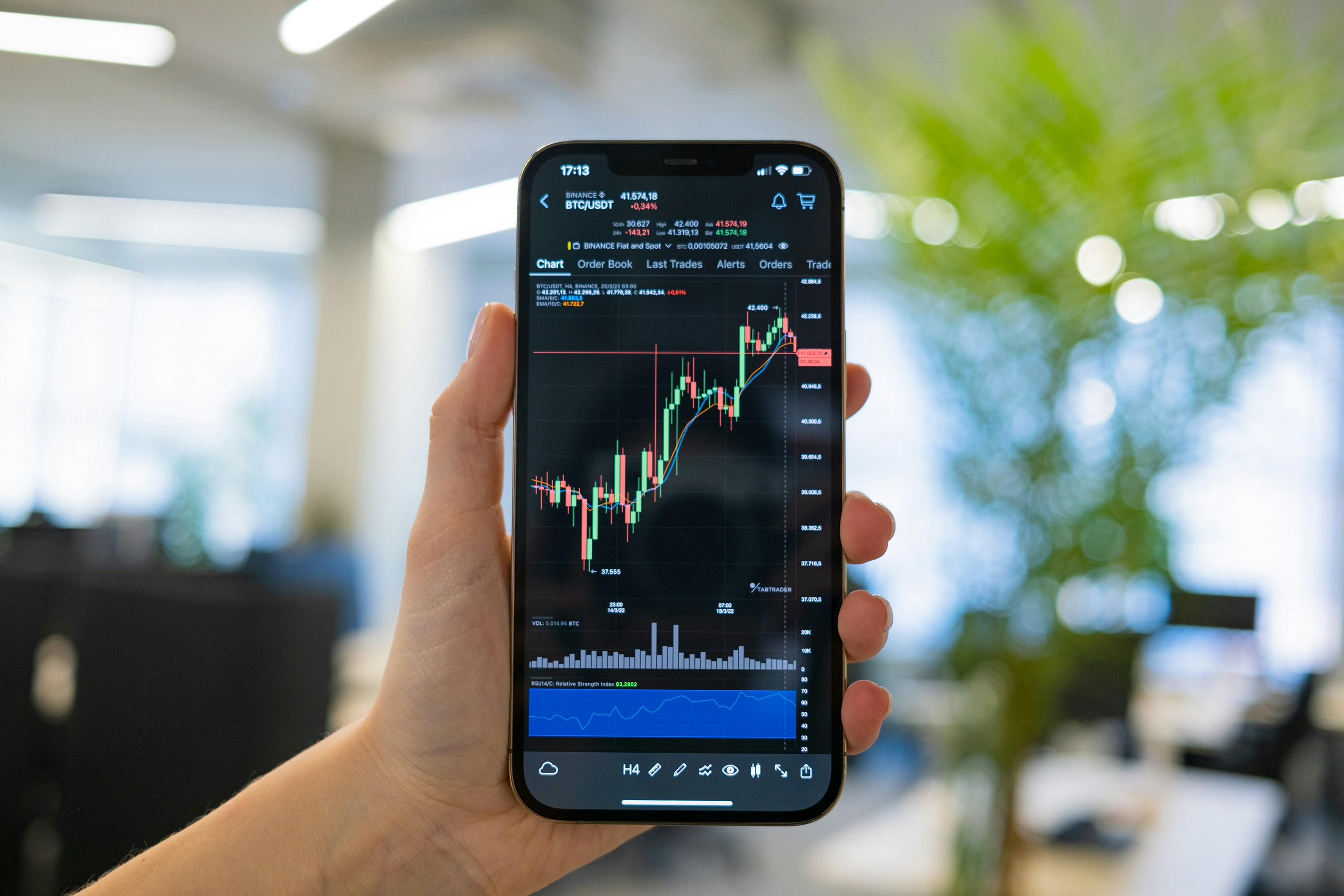
If you're only holding Bitcoin and Ethereum long term, nearly any major platform will do. But traders searching for an alternative aren't looking for a different logo on the same constraints.
They're looking for capabilities their current setup can't provide:
Access to opportunities before they trend
Execution that doesn't cost them momentum
Tools that match the speed at which onchain markets actually move
Broad Asset Coverage Across Major Chains
Serious traders need access wherever liquidity and narratives emerge, not just where a compliance team has finished paperwork. The best setups support assets across major ecosystems, including newer or fast-growing chains, without requiring constant off-platform transfers or multiple wallet configurations.
The Lifecycle of On-Chain Alpha
Coverage matters because momentum rotates between chains faster than most platforms update their listings. A memecoin trending on Base at 9 am might be listed on a centralized exchange three weeks later, long after early price discovery has finished. Limited listings don't just delay access; they also limit it. They eliminate entire categories of opportunity before you even know they exist.
Traders often report frustration when the tokens generating actual returns simply aren't available on their platform. You're not missing a trade. You're missing the entire sector where alpha lives, watching it happen in real time on social feeds while your capital sits locked in assets that moved months ago.
Fast Funding and Withdrawals
The speed of capital movement determines whether you participate or spectate. Platforms that enable quick deposits, withdrawals, and internal transfers allow traders to reposition without waiting for:
Lengthy processing times
Blockchain confirmations
Manual approval queues
Delays in funding effectively lock capital in place during the moments that matter most. The memecoin you spotted at a $2 million market cap might be at $8 million by the time your withdrawal clears. You didn't lose because you were wrong. You lost because your infrastructure was slow.
Competitive Fees and Strong Execution
Headline trading fees are only part of the cost structure. Execution quality, spreads, and slippage often have a greater impact on performance, especially for frequent traders or large orders during volatile periods.
A credible alternative should offer transparent pricing, tight spreads on liquid pairs, and reliable order execution when volatility spikes. Poor execution can erase any advantage gained from lower nominal fees. A 0.1% fee discount means nothing if your order fills 2% worse than the price you saw three seconds ago.
Access to Derivatives and Advanced Tools
Many experienced traders rely on instruments beyond simple spot trading. Perpetual futures, leverage, hedging tools, and advanced order types enable strategies that aren't possible on basic platforms designed for beginners.
Access to these instruments in a single environment reduces the need to move funds between specialized services, lowering both friction and operational risk. When you have to transfer capital between platforms to access different asset types, you're not managing a strategy. You're managing logistics.
Intent-Centric Architecture and Execution Logic
Platforms like buy Crypto address this by consolidating tokens, perpetuals, and prediction markets into a single onchain interface. Instead of moving funds between platforms to access different instruments, traders execute across asset types from a single place, with execution speeds 10x faster and costs 10x lower than on traditional centralized exchanges. The infrastructure becomes invisible, which is exactly what it should be.
Reliable Mobile Experience
Crypto markets operate continuously, and opportunities can emerge at any time. A robust mobile platform is essential for monitoring positions, executing trades, and managing risk when away from a desktop.
Reliability is key. Lag, crashes, or limited functionality on mobile can leave traders unable to act when timing matters most. The trade idea that looked attractive at 10 am doesn't wait for you to get home and log in to your laptop. It moves, and if your mobile app can't keep up, you're stuck watching instead of participating.
Total Cost of Ownership (TCO) and Hidden Execution Leaks
A true alternative isn't defined by marketing claims but by whether it removes the constraints that prompt traders to look elsewhere in the first place. Broad access, speed, execution quality, advanced functionality, and dependable mobile performance together form the baseline for platforms designed for serious users rather than occasional participants.
Related Reading
The Hidden Friction of Using Multiple Crypto Apps

Active traders don't just use one platform. They juggle several: one for Bitcoin and Ethereum, another for derivatives, separate wallets for different chains, niche platforms for memecoins. This fragmentation isn't a choice made out of preference. It's a workaround for a market where no single centralized exchange offers everything at the speed and breadth serious traders need.
The operational cost of this setup is rarely discussed. You're not just managing multiple accounts.
You're managing:
Multiple security profiles
Fee structures
Withdrawal limits
Interface conventions
Each additional platform adds cognitive load, execution delays, and points of failure that compound when speed matters most.
Separate Apps for Different Markets
No centralized exchange dominates every segment of Crypto. You use one for spot assets with deep liquidity, decentralized exchanges for early-stage tokens that won't appear on major platforms for weeks, specialized platforms for perpetual futures, and separate sites for prediction markets.
This forces you to monitor multiple interfaces simultaneously. In fast markets, even short delays in switching between apps can determine whether you capture a move or miss it. The memecoin trending on Base at 9 am doesn't wait for you to check three different platforms to see where your capital actually sits.
Wallet Management and Bridge Risks
Moving assets across blockchains requires bridging or swapping, processes that introduce both technical complexity and risk. According to Chainalysis, more than $2 billion was stolen from cross-chain bridges in 2022 alone, making bridge exploits one of the largest sources of Crypto losses.
Beyond hacks, operational errors are common. Sending assets to the wrong network, using incompatible addresses, or misunderstanding bridge mechanics can result in permanently lost funds. You're not just managing trades. You're managing the infrastructure that enables trades, and every additional step is another point where something can go wrong.
Manual Transfers Cost Time and Money
Transferring capital between platforms involves:
Withdrawal processing
Network confirmations
Deposit credits
Depending on congestion, this can take minutes or hours.
Each step also incurs fees:
Withdrawal fees charged by exchanges
Network transaction fees
Potential conversion costs when moving between assets
Slippage during swaps
Blockchain Scalability and Fee Dynamics
During periods of high demand, transaction fees spike dramatically. Ethereum gas fees surged during the past network congestion, making routine transfers costly. The trade idea that looked attractive at the start of a transfer may be obsolete by the time funds arrive, and you've paid for the privilege of being too late.
Missed Trades While Funds Are in Transit
Crypto markets operate continuously, and price movements can be rapid. While funds are locked in transit, you cannot deploy them. Opportunities disappear before transfers complete.
Traders often describe this as “getting annoying,” constantly jumping between platforms just to access different services or earn yield on idle Crypto. The frustration isn't about laziness. It's about watching opportunities vanish while your capital sits frozen in a blockchain confirmation queue, unavailable for the trade you spotted three minutes ago.
Cross-Asset Capital Efficiency and Unified Margining
Platforms like buy Crypto address this by consolidating tokens, perpetuals, and prediction markets into a single onchain interface.
Instead of moving funds between platforms to access different asset types, traders execute across markets from a single place, with execution speeds 10x faster and costs 10x lower than on traditional centralized exchanges. The infrastructure becomes invisible, which is exactly what it should be.
Security Risks From Fragmented Holdings
Maintaining balances across multiple platforms increases exposure to operational failures, hacks, or account compromises. Exchange collapses have highlighted this risk. The failure of FTX in 2022 left billions of customer assets frozen, demonstrating how platform risk can lead to immediate access loss.
Each additional wallet, exchange account, or protocol adds another potential point of failure. Managing private keys, passwords, and security practices across systems also increases the chance of mistakes. The phrase “not your keys, not your coins” carries weight here. Spreading assets across platforms means spreading risk, and that risk isn't theoretical.
Cognitive Load and The Psychology of Context Switching
The cumulative effect of fragmentation is often underestimated.
Traders focus on trading fees while overlooking the hidden costs of:
Time
Complexity
Risk
These factors arise from juggling multiple tools. In practice, these factors can have a larger impact on results than fee differences alone.
Fragmentation isn't just inconvenient. It reduces responsiveness, increases expenses, and exposes capital to avoidable risks. But even if you accept these costs, there's a deeper problem most traders don't see until they've already missed the trade.
Why Speed and Information Advantage Matter More Than Fees

Timing determines outcomes more than cost structure. In Crypto markets where prices shift several percentage points in minutes, entering a position even slightly late can wipe out expected profits or turn a winning opportunity into a realized loss.
A 2% worse entry price matters far more than a 0.1% difference in trading fees, yet most traders obsess over commission schedules while ignoring execution quality.
Volatility Magnifies Every Second of Delay
Crypto ranks among the most volatile major asset classes. Large-cap assets routinely move multiple percentage points in a single day. Smaller tokens can swing 20% or more within an hour. During news events, liquidations, or narrative shifts, prices can surge or collapse in the time it takes to switch between apps.
Execution delay becomes a hidden cost that compounds as market speed increases. The memecoin you spotted at a $3 million market cap might be at $5 million by the time you've logged into the right platform, confirmed your wallet connection, and submitted the order. You didn't lose because your analysis was wrong. You lost because your infrastructure was slow.
Latency, Slippage, and the Tick-to-Trade Cycle
According to research from The Pew Charitable Trusts, network latency can vary by as much as 1,000 milliseconds (1 second) depending on the quality of the infrastructure. In Crypto markets, that single second can mean the difference between profit and an opportunity vanishing. Speed isn't a luxury. It's the baseline requirement for participation.
Real-Time Alerts Convert Information Into Action
Opportunities in Crypto emerge suddenly. Breakouts, liquidity shifts, or large trades by influential participants create short-lived entry windows. Static dashboards or delayed notifications leave traders reacting after the move has begun, entering positions after early participants have already secured better prices.
Real-time alerts compress the gap between signal and execution. The faster you learn about a developing situation, the greater the chance of securing a favorable position before the market adjusts. Traders who rely on manual monitoring or periodic check-ins compete against participants who already repositioned themselves minutes ago.
Social Sentiment and the Crowd Wisdom Premium
Platforms like buy Crypto address this by surfacing alpha through social discovery features that highlight profitable traders and emerging trends before they reach broader visibility. Instead of manually scanning multiple feeds, traders receive curated signals from verified performers, with execution integrated directly into the same interface. The infrastructure becomes invisible, which is exactly what it should be.
Identifying Consistent Performers is Harder Than it Looks
Social media overflows with:
Trading opinions
Predictions
Selective screenshots of wins
Distinguishing consistent performers from noise is challenging, especially for less experienced participants. Without reliable performance data, traders risk following signals that appear impressive but lack long-term profitability.
Trading Expectancy and Risk-Adjusted Returns
This can lead to repeated losses that far exceed any fee savings achieved through platform optimization. A trader who saves 0.05% per transaction but follows unreliable signals might lose 5% or more on poor entries.
The math isn't complicated. Execution quality and information accuracy determine whether capital grows or shrinks.
Opportunity Discovery Creates the Real Edge
Markets reward those who see opportunities early and act decisively. Tools that surface meaningful signals quickly, whether through data analysis, activity tracking, or curated insights, provide a structural advantage over manual monitoring.
Conversely, relying on delayed information means competing with participants who already positioned themselves. By the time a trend becomes obvious on mainstream social feeds, much of the upside may be gone. You're not early. You're reading about what happened while others were trading it.
Trading Flow and the User Experience (UX) of Success
Lower fees improve efficiency, but they do not create profitable trades. Execution speed and information quality determine whether a trader captures meaningful moves in the first place. In a market defined by rapid price discovery and constant activity, the ability to act quickly on reliable signals often has a far greater impact on outcomes than marginal differences in transaction costs.
But solving for speed and information is only half the equation. What happens when you combine those advantages with the right infrastructure changes everything about how trading actually feels.
Related Reading
What an All-in-One Trading Platform Changes

When capital, execution, and information live in separate systems, you spend more time managing infrastructure than making decisions. A unified platform eliminates that overhead.
You're not switching apps to check balances, waiting on transfers to deploy capital, or tracking positions across multiple interfaces. Everything operates from one place, which means attention stays where it matters: on analysis and timing.
Access to Multiple Markets in One Interface
Instead of opening three different apps to monitor spot tokens, perpetual futures, and prediction markets, a consolidated system displays all positions side by side. You see how movements in one sector might create opportunities in another without reconstructing context across platforms.
This matters during volatility. When Bitcoin drops 5% in ten minutes, you're not just watching spot prices. You're assessing whether to hedge with perpetuals, whether prediction markets are pricing the move accurately, and whether altcoins are following or diverging from the move. That analysis happens in seconds when everything is visible simultaneously. It fragments into guesswork when you're switching between apps, trying to piece together what's happening.
Instant Funding Methods
Capital that arrives in thirty seconds is fundamentally different from capital that arrives in thirty minutes. Integrated funding via direct bank connections or mobile payment rails closes the gap between recognizing an opportunity and having the resources to act on it.
The memecoin, with a $4 million market cap, doesn't wait for your wire transfer to clear. By the time traditional funding methods process, the price has already moved, or the narrative has shifted. Fast funding doesn't just save time; it also saves money. It preserves optionality during the brief windows when opportunities actually exist.
Seamless Movement Between Assets
Rotating capital from one token to another on a fragmented setup requires withdrawals, bridge transactions, network confirmations, and redeposits. Each step introduces delays, costs, and potential errors. A unified platform abstracts that complexity. You execute the rotation directly, without managing the underlying infrastructure.
According to Rapyd's analysis of trading platform trends, platforms now implement 100% error sampling rates to catch execution failures before they cascade into larger problems. That level of monitoring becomes possible when the entire transaction occurs within a single system rather than spanning multiple disconnected services.
Built-In Discovery Through Social or Signal Features
Most traders discover opportunities through social feeds, Discord channels, or Telegram groups. The problem is separating the signal from the noise. Platforms that surface verified performance data, track profitable wallets, or highlight unusual activity compress the time between discovery and action.
You're not scrolling through hundreds of posts hoping to spot something useful. You're seeing curated signals from participants whose track records are public and verifiable. The difference is structural. One approach treats information discovery as manual labor. The other treats it as a feature of the platform itself.
Cognitive Load and the Attention Residue Trap
Platforms like buy Crypto integrate social discovery directly into execution, surfacing alpha from profitable traders before trends reach broader visibility. Instead of finding a signal on Twitter, verifying the source manually, then switching to another app to execute, the entire sequence happens in one interface.
The infrastructure disappears, which is exactly what infrastructure should do.
Tools for Both Beginners and Advanced Users
A strong unified platform doesn't force users to choose between simplicity and capability. New participants benefit from guided interfaces and educational features. Experienced traders access leverage, complex order types, and risk management tools without migrating to specialist platforms.
This flexibility matters because skill develops over time. The trader who starts with simple spot purchases may eventually want to hedge with perpetuals or experiment with prediction markets. If the platform can't grow with them, they leave. If it can, their capital, attention, and accumulated context stay in one place.
The Science of the Compounding Edge
The real value of consolidation isn't convenience. It's the leverage of time and attention. When you're not managing infrastructure, you're analyzing markets. When you're not waiting on transfers, you're executing. When you're not reconstructing context across apps, you're making decisions.
That productivity gap compounds over weeks and months into a material difference in outcomes.
How Bullpen Replaces Multiple Crypto Apps in One Platform
After seeing how fragmentation slows execution, increases costs, and creates security risks, the logical solution is consolidation. Bullpen is built around that premise.
Instead of forcing traders to assemble a toolkit of:
Exchanges
Wallets
Bridges
Tracking tools
It brings the core activities of modern Crypto trading into a single environment, enabling decisions to be made and executed without friction.
One Interface for Tokens, Perpetuals, and Prediction Markets
Bullpen enables users to access multiple segments of the Crypto market from one app.
You can:
Trade major assets like Bitcoin
Participate in fast-moving Solana memecoins
Access Hyperliquid perpetuals
Engage with prediction markets like Polymarket without moving funds between platforms
This eliminates the delays and fees associated with constant transfers and reduces the operational overhead of managing separate accounts.
Situational Awareness and Cross-Asset Information Spillover
The advantage becomes clearest during volatile periods. When Bitcoin drops sharply, you're not opening three different apps to assess whether to hedge with perpetuals, check prediction market odds, or rotate into stablecoins. Everything is visible simultaneously. You see the full picture, not fragments of it reconstructed from memory while switching between interfaces.
Social Discovery That Surfaces Alpha Before it Trends
Most traders discover opportunities through social feeds, Discord channels, or Telegram groups. The problem is separating signal from noise. Bullpen allows you to follow top traders from X whose performance is backed by verified PNL data.
A live leaderboard highlights who is actually winning, not just who is posting confidently. When leading traders open positions, instant notifications help you see opportunities as they develop, not after the fact.
Social Velocity and Signal Verification
This shifts discovery from manual labor to platform infrastructure. You're not scrolling through hundreds of posts hoping to spot something useful. You're seeing curated signals from participants whose track records are public and verifiable. The memecoin trending at a $3 million market cap reaches you before it reaches the masses, not after the price has already doubled.
Funding Without the Wait
Capital that arrives in thirty seconds is fundamentally different from capital that arrives in thirty minutes. Users can buy Crypto directly with Apple Pay or a bank account, enabling them to deploy capital quickly when needed. Leverage is available within the same platform, so advanced strategies do not require transferring assets to a separate derivatives exchange.
The traditional approach involves initiating a wire transfer, waiting for bank processing, confirming the deposit, and then finally executing the trade. By the time funds clear, the opportunity has often moved or disappeared entirely. Integrated funding removes that gap between seeing an opportunity and having the resources to act on it.
Unified Liquidity and the Death of the Bridge
Platforms like buy Crypto address this by consolidating execution and funding into a single onchain interface. Instead of coordinating wallets, bridging assets, and monitoring multiple dashboards, traders focus on analysis and execution.
The infrastructure becomes invisible, which is exactly what it should be.
Non-Custodial Security Without Sacrificing Speed
Centralized exchanges require you to deposit funds into their custody, introducing counterparty risk. Bullpen operates non-custodially, meaning you maintain control of your assets while still accessing fast execution. This removes the exposure to platform failures or freezes that have cost traders billions in past exchange collapses.
The trade-off historically has been speed. Non-custodial platforms were slower, clunkier, and harder to use than centralized alternatives. Bullpen eliminates that trade-off by optimizing execution to be 10x faster and 10x cheaper than traditional centralized exchanges while maintaining full user control over assets.
Performance Transparency Replaces Anonymity
Traditional exchanges hide trader performance behind anonymous accounts. Bullpen makes performance public and verifiable. You see who is winning, how much they're winning, and what positions they're taking. This transparency creates accountability and allows less experienced traders to learn from those who consistently outperform.
The shift from anonymity to transparency changes the incentive structure. Traders can't post confident predictions without backing them up. Performance becomes the filter, not follower count or engagement metrics. You follow traders because their results are proven, not because their tweets are entertaining.
The Productivity Gap That Compounds
The overall advantage is a shift in how time is spent. Instead of coordinating wallets, bridging assets, and monitoring multiple dashboards, traders can focus on analysis and execution. In volatile markets, reducing operational delay can be as valuable as improving strategy.
When you're not managing infrastructure, you're analyzing markets. When you're not waiting on transfers, you're executing. When you're not reconstructing context across apps, you're making decisions. That productivity gap compounds over weeks and months into a material difference in outcomes.
Buy Crypto Today With Bullpen
The infrastructure is ready. The execution advantage is real. The question is whether you're ready to stop managing fragmented tools and start trading with the speed, transparency, and access that onchain markets demand. Deposit to start trading on Bullpen today and earn a 500-point bonus. Deposits of $1,000 or more also qualify for a free introductory call to help you get set up and trading efficiently.
The Cognitive Architecture of High-Speed Trading
The market doesn't wait for you to assemble the right toolkit. It moves, and those who can act fastest capture what others only read about later.
Platforms like buy Crypto consolidate that advantage into a single interface, removing the friction between recognizing an opportunity and executing on it. The choice is whether you want to keep coordinating multiple apps or start trading where performance, discovery, and execution already live in one place.
Related Reading
Last Updated:
March 23, 2026