
High risk, high reward! Find the best memecoins today and learn the professional trading setups used to capture massive price swings.
The Crypto market moves fast, and memecoins have become one of its most unpredictable yet potentially rewarding sectors. Whether you're watching Dogecoin surge on a tweet or discovering the next Shiba Inu before it explodes, finding the best memecoins requires more than luck. This article identifies which memecoins are gaining traction and outlines the strategies active traders use to spot winners before the crowd catches on. Once you've identified promising opportunities among the best memecoins, you need a platform that lets you act quickly. Bullpen's buy Crypto solution gives you the speed and simplicity to purchase emerging tokens when timing matters most, helping you move from research to ownership without unnecessary friction or delays that could cost you gains.
Summary
Memecoin trading volumes regularly exceeded $5 billion per day in early 2025, driven almost entirely by short-term rotations among narratives rather than long-term conviction. Price discovery occurs in hours, not quarters, so coins appearing on "best memecoin" lists have typically already absorbed the attention surge that drove their gains.
The average lifespan of a memecoin in the top 20 by trading volume was just 11 days before rotation pushed it down the rankings, according to Q1 2025 CoinMarketCap data. The tokens replacing them weren't necessarily better; they were newer, carrying fresher narratives that hadn't yet exhausted their attention cycle. This constant rotation makes static rankings fundamentally misaligned with how memecoin markets actually move.
Approximately 90% of retail traders who entered memecoins during peak social media volume experienced losses, according to 2024 research from The Block. The 10% who profited entered during early momentum phases and exited before or near peak attention. The difference wasn't picking better tokens; it was executing at different points in the attention cycle, typically 6 to 18 hours after social momentum surged but before price fully reflected it.
Traders experiencing MEV extraction and execution delays underperformed comparable traders with optimized execution infrastructure by an average of 12%- 18% per trade, according to early-2025 Chainalysis research. This performance gap arose solely from differences in execution quality, not from different market-timing decisions. The cost shows up as worse fill prices and higher slippage that compounds across dozens of trades.
Memecoin markets are particularly susceptible to liquidity manipulation, where apparent volume doesn't reflect genuine trading depth, according to 2025 research published in the International Journal of Creative Research Thoughts. Tokens can display millions in 24-hour volume while actual executable liquidity sits far lower, trapping traders who sized positions based on misleading metrics and can't exit cleanly when momentum reverses.
Bullpen's buy Crypto platform compresses the execution gap by unifying token access, perpetuals, and prediction markets with optimized routing and MEV protection, while surfacing real-time social signals through Runners and Whales tracking that shows verified trader PnLs and positions as they open.
Table of Contents
Most “Best Memecoin” Lists are Backward-Looking

Most “best memecoin” lists show you what already happened, not what's happening next. They rank tokens by recent gains, market-cap growth, or social-mention growth after the peak. By the time you read them, the liquidity has already moved. This matters because memecoins don't behave like traditional assets. There's no earnings report to analyze, no product roadmap to evaluate. Value comes from attention, narrative momentum, and the speed at which liquidity flows in or out. According to CoinGecko data from early 2025, memecoin trading volumes regularly exceeded $5 billion per day, driven almost entirely by short-term rotations among narratives rather than long-term conviction. Price discovery happens in hours, not quarters.
Why Lists Feel Helpful But Arrive Late
A list published on Monday reflects data from the previous week. It captures what performed well after the fact. The coins that earned their spot have already absorbed the surge in attention that drove their price up. You're reading about distribution, not accumulation. The pattern repeats across platforms. A token trends on social media, gains 300% in 48 hours, then appears on a “top 10” list three days later. Readers see the ranking, assume it's still early, and enter during the cooldown phase. The list becomes a lagging indicator dressed up as a signal. Traders often describe this frustration as buying the headline, not the rumor. The opportunity was real, but the timing was off by just enough to matter. In memecoin markets, being three days late can mean entering at the local top instead of the local bottom.
Static Snapshots in a Market That Moves by the Hour
Lists are snapshots. They freeze a moment and present it as current. But memecoin markets operate on a different clock. Narratives shift within hours. A token tied to a trending event can spike, plateau, and fade before most lists even update their rankings. This creates a mismatch between what readers want and what lists deliver. You want to know what's gaining traction now, what's building momentum before it breaks out. The list shows you what already broke out last week. It's context, not a signal.
The Problem Isn't Wanting Lists
The real issue is treating lists as answers when they're really starting points. A list tells you what happened. It doesn't tell you what will happen next or why. It doesn't indicate whether the narrative still has room to run or has already been exhausted. Many traders anchor on names they recognize from lists, even when those names no longer have momentum. They hesitate during fast moves because the list hasn't been updated to include the new token yet. They miss rotations into emerging memes because they're waiting for validation from a source that's structurally behind the market.
From Discovery to Action: Compressing the Timing Gap
Bullpen's buy Crypto platform addresses this timing gap by combining unified execution with real-time social signals from Runners and Whales tracking. Instead of waiting for a token to appear on a static list, you see what active traders are buying as momentum builds, compressing the gap between discovery and action from days to minutes. So if lists only show you the past, where do you look to find what's building momentum right now?
10 Best Memecoins Right Now

The memecoins with the most market activity right now aren't necessarily the best in any traditional sense. They're the ones absorbing the most attention, liquidity, and trading volume at this moment. What separates them is behavior, not quality. Some move slowly with deep liquidity. Others spike hard on narrative shifts. A few rotate so fast that yesterday's momentum is already gone. Understanding how each token behaves matters more than knowing which one ranks highest today.
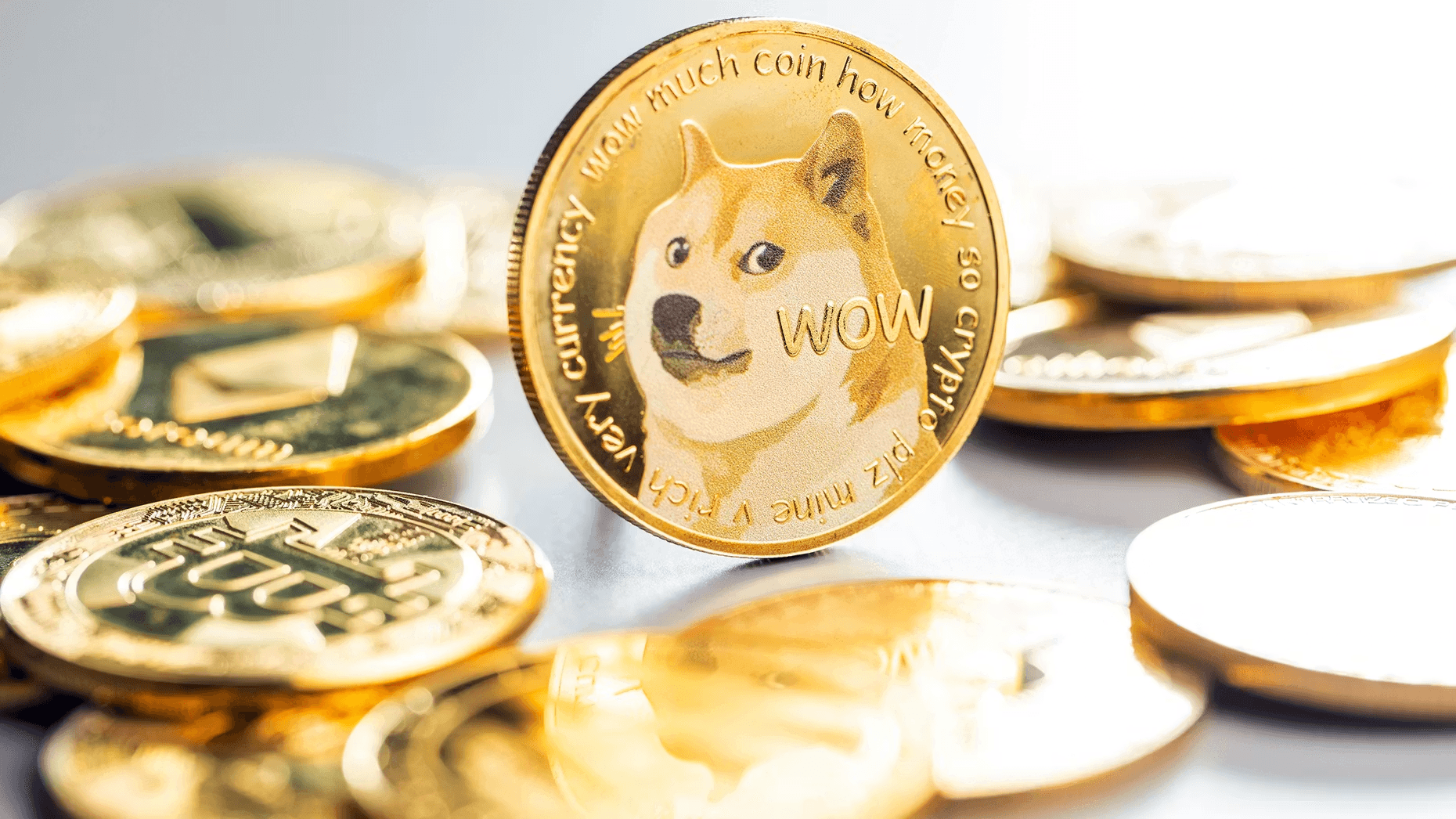
1. Dogecoin (DOGE)
Dogecoin has a market cap of over $15 billion, making it the largest memecoin by a wide margin. It runs on its own blockchain, not as a token on Ethereum or Solana. Trading volume remains consistently high, but price movements are slower and more measured than those of newer memes. DOGE tends to move with broader market sentiment and occasional bursts of high-profile social attention rather than viral narrative cycles. The depth of liquidity means entries and exits are easier to execute without severe slippage, but it also means the token doesn't deliver the explosive short-term moves that smaller memecoins can. Risk is generally considered medium relative to other memecoins, though that's still high compared to any traditional asset.
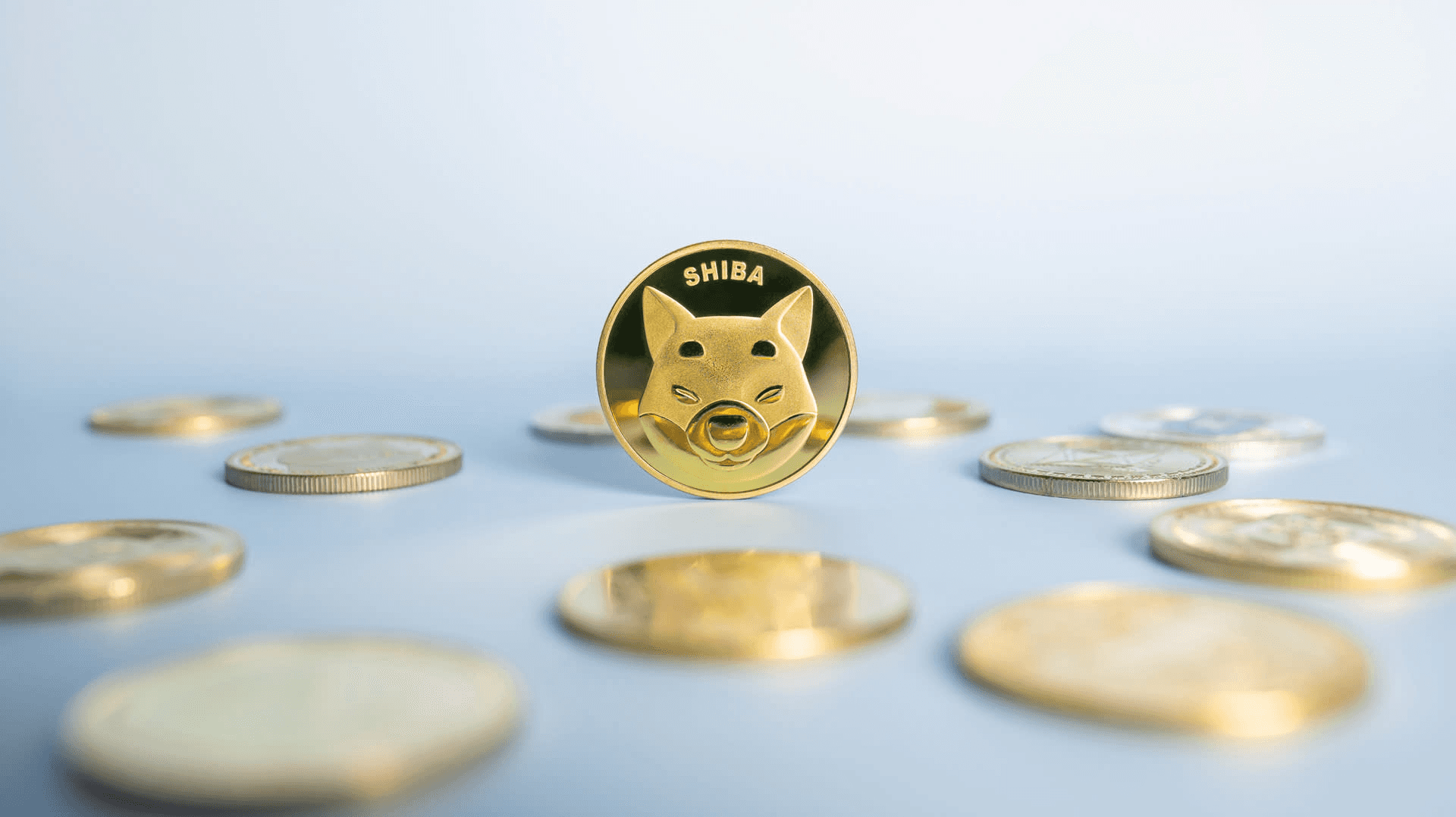
2. Shiba Inu (SHIB)
Shiba Inu has a market cap of roughly $8 billion and operates on Ethereum. Volume remains high, supported by a large holder base and ecosystem extensions like Shibarium. Price action often correlates with ecosystem announcements or broader Ethereum liquidity conditions rather than pure meme-driven hype. SHIB's behavior reflects its maturity. It doesn't rotate as fast as emerging Solana memes, but it still carries significant volatility. The token benefits from name recognition and infrastructure development, which creates a different risk profile than purely attention-driven tokens. Still, outcomes depend heavily on timing and execution, not project fundamentals.
3. Pepe (PEPE)
PEPE reached approximately $3 billion in market cap with very high 24-hour trading volume. Built on Ethereum, it behaves like a momentum vehicle. Price swings are sharp and sentiment-sensitive, driven more by viral attention than sustained development activity. When PEPE moves, it moves fast. This is where many traders feel the gap between discovery and execution most acutely. A token like PEPE can spike 200% in 36 hours based on a trending narrative, then cool off just as quickly. By the time it appears on a curated list, the initial surge has often already happened. The opportunity was real, but the window was narrow.
4. Dogwifhat (WIF)
WIF operates on Solana with a market cap of around $1.5 billion and high trading volume. It moves in step with the broader Solana meme ecosystem, so momentum can build and dissipate faster than with Ethereum-based tokens. Liquidity can be deep during active periods, but sentiment shifts quickly. Solana-based memes like WIF behave differently because the chain itself supports faster transaction speeds and lower costs, enabling rapid rotations between narratives. Traders often move between multiple Solana memes in the same session, chasing momentum as it shifts. That creates opportunity, but also execution risk if you're working across fragmented platforms or dealing with high fees and MEV extraction on other chains.
The Bullpen Advantage: Unified Execution and Insight
Bullpen's buy Crypto platform reduces this execution gap by providing unified access to tokens, perpetuals, and prediction markets, with optimized routing and MEV protection. Instead of juggling multiple interfaces and wallets while momentum builds, you execute faster and cheaper from a single platform that also surfaces real-time social signals from Runners and Whales tracking.
5. Floki (FLOKI)
Floki maintains a market cap of around $1 billion and operates across multiple chains. Trading volume is moderate compared to the top-tier memes. Price behavior is influenced by narrative positioning around utility and branding rather than pure meme cycles alone. FLOKI attempts to bridge the gap between attention-driven tokens and projects with tangible deliverables. That positioning creates a different risk profile. It's still highly speculative, but the narrative isn't purely viral. According to Changelly's analysis of leading memecoins, tokens that combine meme appeal with ecosystem development often sustain attention longer than purely hype-driven projects, though that doesn't reduce execution risk or volatility.
6. Bonk (BONK)
BONK sits near $900 million in market cap with medium daily volume on Solana. Activity is often driven by community initiatives and ecosystem-wide attention rather than isolated narrative spikes. BONK tends to move in sympathy with broader Solana momentum, making it sensitive to both chain-level activity and memecoin rotation cycles. The token represents a middle ground in the Solana meme ecosystem. It's not as fast-moving as newer viral entrants, but it's more volatile than large-cap Ethereum memes. Risk is considered high, with outcomes heavily dependent on timing relative to Solana's broader liquidity cycles.
7. Popcat (POPCAT)
POPCAT reached approximately $500 million in market cap with high trading volume on Solana. It behaves like a newer viral entrant, with price action driven primarily by short-term attention and rapid rotations. When a narrative catches on, POPCAT can spike sharply. When attention fades, liquidity drains just as quickly. This is the territory where being three days late means entering during distribution instead of accumulation. Tokens such as POPCAT reward early discovery and rapid execution. They punish hesitation and reliance on backward-looking validation.
8. Official Trump (TRUMP)
TRUMP's market cap is highly variable, with very high volume during attention spikes. Built on Solana, it's considered very high risk. Price movements are strongly tied to political narratives and news-driven volatility rather than organic market cycles. This creates a different kind of timing challenge. Political memecoins exhibit erratic behavior because they respond to external events unrelated to the Crypto market. A headline can trigger a 400% move in hours, followed by a sharp correction. The pattern is less about sustained momentum and more about event-driven spikes. Execution speed matters even more here because the window between catalyst and peak is often measured in hours, not days.
9. PNUT
PNUT is an emerging Solana-based memecoin with medium volume and limited historical price data. It's categorized as very high risk, with behavior typical of early-stage meme tokens where hype and social velocity dominate liquidity. There's no established pattern yet, which means both opportunity and danger. Emerging memes like PNUT represent the highest execution risk. Liquidity can be thin, slippage can be severe, and sentiment can reverse violently. But they also represent the territory where 10x or 50x moves occur in a day when a narrative catches. The challenge is identifying which early-stage token will sustain momentum versus which will fade after the initial pump.
10. SPX6900
SPX6900 is an emerging memecoin on Base, showing high volume relative to its size. It's considered very high risk and falls into the experimental category, where price action can be extreme and highly sensitive to shifts in attention. Base is a newer ecosystem for memecoins, which means less established liquidity patterns and more unpredictable behavior. Tokens on Base behave differently than those on Ethereum or Solana because the ecosystem itself is still developing its memecoin culture. That creates both opportunity for early positioning and risk from lower liquidity depth and less predictable rotation patterns.
What This List Actually Tells You
This ranking reflects market size and activity at a specific point in time, not quality or safety. Large-cap memecoins offer deeper liquidity but slower price movements. Mid-cap and Solana-based memes rotate faster and are more attention-driven. Emerging memes carry the highest volatility and execution risk. The key takeaway isn't which memecoin is “best.” It's understanding how each one behaves, what drives its price action, and what execution challenges you'll face when trying to capture momentum. In memecoin markets, outcomes are driven less by project structure and more by timing, liquidity, and the speed at which you can act on signals.
Related Reading
Why Best Memecoins Is a Moving Target

The idea of a stable "best memecoin" list misunderstands how this market actually operates. Memecoins aren't priced on cash flows, adoption metrics, or development roadmaps. They're priced on attention and liquidity, both of which shift constantly. A coin can dominate conversation on Tuesday and be irrelevant by Friday. That's not an exception. That's the structure of the market itself. Attention moves faster than fundamentals because there are no fundamentals anchoring value. When a narrative catches, capital flows in rapidly. When interest fades, liquidity drains just as fast. The gap between discovery and irrelevance can be measured in days, sometimes hours. Traditional valuation methods don't apply because there's nothing to value except the collective belief that others will keep buying.
Capital Follows Attention, Not Rankings
Market cap rankings show where money has already gone, not where it's going next. By the time a token consistently appears on “best memecoin” lists, most speculative inflows have already arrived. The ranking reflects the aftermath of a move, not the setup for the next one. Traders don't buy a coin just because it ranks highly. It ranks highly because traders already bought it. The list documents what happened last week while you're positioning for what happens tomorrow. That timing mismatch creates a dangerous pattern where readers mistake validation for opportunity.
Why Rankings Amplify Rotation Effects
Lists create their own momentum, but it's often the wrong kind. When a token appears on multiple “best of” rankings, late entrants pile in, assuming the opportunity is still early. That influx can create a temporary price bump, but it's usually distribution disguised as continuation. The smart money that entered during accumulation is now exiting into the liquidity provided by readers who trusted the list.
This isn't a Conspiracy
It's just how information lag works in fast-moving markets. The list needed time to gather data, verify rankings, and publish. During that window, the market continued to move. What appeared to be momentum when the data was collected might be exhaustion by the time you read it.
The Mistake isn't Wanting Guidance
It's treating backward-looking snapshots as forward-looking signals. A list can show you which narratives recently captured attention. It can't tell you which ones still have room to run or which new narrative is building momentum right now, before it breaks into public awareness.
The Rotation Cycle Nobody Warns You About
Liquidity rotates predictably across market-cap tiers, but the timing is unpredictable. Money flows from large-cap memes into mid-cap plays as traders seek higher beta. Then it shifts into new viral entrants when fresh narratives emerge. Eventually, it cycles back to established names when risk appetite cools. Each phase rewards different behavior. Holding the same positions while the market rotates is how you miss opportunities or become exit liquidity. A token that performed well in one phase of the cycle may stagnate or decline in the next. The “best” memecoin from two weeks ago might be dead money today, not because anything changed with the token itself, but because attention moved elsewhere.
Closing the Execution Gap: Speed as a Competitive Edge
Most traders using fragmented platforms across multiple wallets and interfaces face an additional challenge. By the time they spot a rotation, verify liquidity across different chains, and execute across multiple tools, the opportunity window has often closed. The memecoin that was building momentum an hour ago is already cooling by the time the trade settles. Solutions like Bullpen's buy Crypto platform compress that execution gap by unifying token access, perpetuals, and prediction markets with optimized routing and MEV protection. Instead of juggling interfaces while momentum shifts, traders execute faster from a single platform that surfaces real-time social signals through Runners and Whales tracking, helping identify rotation before it's reflected in static rankings.
Lists as Context, Not Signals
Used correctly, rankings tell you which narratives recently worked. They show which tokens sustained attention longer than others, which chains currently host the most active meme trading, and which narrative styles are resonating with traders right now. That's useful context for understanding the current market structure. What they don't provide is actionable timing. You can't look at a list from Monday and know whether Tuesday is the right moment to enter. The list doesn't account for where each token sits in its attention cycle, whether liquidity is still flowing in or already rotating out, or what new narratives are building momentum outside the current rankings.
The Signal in the Shift: Trading Velocity over Rank
The advantage comes from understanding how quickly these lists change and why. When you see a new token climb from position 47 to position 12 in three days, that tells you something about velocity and narrative strength. When you see an established token drop from position 3 to position 19, that signals attention is fading faster than expected. The movement matters more than the absolute ranking. But you can only use that insight if you're watching in real time, not reading a static snapshot published after the fact. The list becomes valuable when you treat it as one data point among many, not as the primary signal driving your decisions.
How Traders Actually Decide Which Memecoins to Trade
Traders don't pick memecoins by scrolling through rankings. They watch liquidity depth, track social velocity before price moves, and execute when signals converge, not after coins appear on curated lists. The decision unfolds in layers: first, liquidity; then, momentum detection; then, timing the entry window before attention peaks. This process bears no resemblance to traditional asset selection because there's no underlying business to analyze. You're reading market structure and human behavior in real time, then acting fast enough to capture the move before it exhausts itself.
Liquidity Determines Whether You Can Actually Trade
Before considering any other factor, check whether you can exit the position without getting trapped. A token showing 300% gains means nothing if selling 10% of your position causes the price to drop by 40%. Liquidity, measured through order book depth and actual trading volume, tells you whether the market can absorb your trade size. Shallow liquidity creates two problems. First, your entry slips worse than expected because there aren't enough limit orders to fill your position at the displayed price. Second, and more dangerous, you can't exit cleanly when momentum reverses. The bid side evaporates, and you're stuck watching unrealized gains disappear because no one's buying at any reasonable price.
Social Momentum Signals Where Attention Flows Next
Price follows attention in memecoin markets, meaning tracking social activity provides a leading indicator rather than a lagging one. When engagement around a specific token accelerates on X, when mentions shift from niche accounts to broader Crypto discussions, and when sentiment metrics turn sharply positive, liquidity inflows typically follow within hours.
The Pattern Repeats Across Cycles
A narrative catches with a small group of early adopters. Discussion spreads to mid-tier accounts. Engagement metrics spike. Then the price moves as traders who monitor these signals begin to position themselves. By the time the token appears on mainstream lists or trending pages, the initial momentum phase has often passed. Empirical work analyzing social media dynamics and memecoin volatility, published in academic research during 2024, found strong correlations between X activity surges and subsequent price spikes, with social momentum preceding price moves by an average of 6 to 18 hours. Influencer mentions, in particular, triggered measurable volume inflows within the first few hours after posting.
Timing Separates Profitable Trades from Expensive Lessons
Entering three days late in a memecoin trade often means entering at the local top. The token already absorbed the attention surge that drove its 400% move. Now you're providing exit liquidity for traders who positioned earlier and are rotating capital into the next narrative. Traders often reference the pain of recognizing a pattern too late. You see a token mentioned by an influential account, check the chart, and realize it has already increased 300% over the past 36 hours. The insight was correct. The timing was off. In traditional markets, being a few days late might cost you a few percentage points. In memecoin markets, it can mean the difference between a winning trade and becoming exit liquidity.
Closing the Execution Gap: Speed through Unification
The execution challenge gets worse when you're working across fragmented platforms. By the time you verify liquidity on one interface, check social signals on another, move funds between wallets, and finally execute the trade, momentum has often shifted. The token building steam an hour ago will already have cooled by the time your transaction settles. Platforms like Bullpen compress this execution gap by unifying token access, perpetuals, and prediction markets with optimized routing and MEV protection. Instead of juggling multiple interfaces while signals build, traders execute from a single platform that surfaces real-time social momentum through Runners and Whales tracking, reducing the window between signal detection and trade execution from minutes to seconds.
Combining Signals Instead of Relying on One
No single indicator tells you when to trade a memecoin. Liquidity confirms you can execute. Social momentum shows where attention is building. Timing determines whether you're early or late. Whale activity reveals whether smart money is accumulating or distributing. Each signal alone is incomplete. Combined, they provide a clearer picture of whether a trade setup is forming or deteriorating. When liquidity is deep, social mentions are accelerating, whale wallets are accumulating, and price hasn't yet reflected the momentum, that's a setup worth considering. When any of those signals contradict one another, when social hype is peaking but whales are exiting, when liquidity is thin despite high volume, and when the price has already run before you spotted the social activity, the risk profile changes dramatically.
The Infrastructure of Information Synthesis
Traders who succeed in memecoin markets don't follow a single method. They synthesize multiple data streams, weight them based on current market conditions, and act when enough signals align. That process requires speed, access to real-time data, and execution infrastructure that doesn't leak value through high fees or MEV extraction while you're trying to capture a narrow opportunity window. The difference between reading about this approach and executing it comes down to whether your tools match the speed of the market you're trading in.
Related Reading
The Real Advantage isn’t Picking Its Execution
The difference between winning and losing memecoin traders is rarely the coin itself. It's whether they can enter, exit, and rotate fast enough. By the time a memecoin shows up on most best lists, thousands of traders are already watching it. Information is not scarce. What separates outcomes is execution: the ability to act when momentum is forming, not after it's obvious. This is where most traders lose ground.
Friction Kills More Trades Than Bad Picks
Many missed entries occur because traders select the wrong memecoin. They happen because traders were slow. They were bridging funds, switching wallets, moving between chains, or figuring out where they could even trade the token. In a market where price can move double digits in minutes, friction is fatal. Fragmented access makes this worse. One memecoin is on Ethereum, another on Solana, another on a newer chain. Perps live somewhere else. Prediction markets somewhere else again. Every extra app, wallet, or bridge adds delay. Delay turns good ideas into late trades.
The Pattern Repeats Constantly
You spot social momentum building around a Solana memecoin. You check your wallet. Funds are on Ethereum. You bridge, wait for confirmation, swap for SOL, find the right DEX, approve the token contract, and finally execute. Twenty minutes passed. The token already moved 40%. You're not early anymore. You're providing exit liquidity.
Exit Speed Matters as Much as Entry Speed
Execution speed also determines exits. Memecoins don't give you time to think. Momentum reversals are sharp. Traders who can't exit quickly often watch profits evaporate, not because they misread the market, but because they couldn't act fast enough when sentiment shifted. According to CoinGecko's analysis of memecoin volatility patterns, the average memecoin experiences price swings exceeding 20% within a single trading session, with reversals often occurring within 15- to 30-minute windows. That compression leaves almost no room for hesitation or delays in execution.
The Fatal Cost of Platform Fragmentation
The trader using three different platforms to manage positions across chains faces a mechanical disadvantage. They see the reversal signal. They switch apps, reconnect wallets, navigate to the correct interface, submit the transaction, and wait for confirmation. By the time the exit was completed, the price had dropped another 15%. The decision was correct. The infrastructure was too slow.
MEV Extraction Drains Value During Execution
Speed alone doesn't solve execution if your transactions leak value to MEV bots. Maximal Extractable Value refers to the profit extracted from users by reordering, inserting, or censoring transactions within blocks. In memecoin trading, where volatility is extreme and liquidity can be thin, MEV extraction becomes particularly costly. Your buy order gets front-run. The bot sees your pending transaction, buys first, drives the price up, then sells into your order at a worse price. You paid more than you should have. Your sell order gets sandwiched. The bot sells before you, drives the price down, then buys back at a lower price after your transaction executes. You received less than you expected.
The Invisible Cost of MEV Exploitation
These aren't theoretical concerns. They occur frequently on public mempools, where transaction data is visible before confirmation. The cost shows up as worse-than-expected execution prices, higher slippage, and positions that immediately start underwater despite correct market timing. Most traders don't realize how much value they're losing to MEV because it's hidden inside slippage or attributed to normal volatility. The memecoin moved against you because a bot manipulated the transaction order to profit from your trade.
Unified Execution Compresses the Opportunity Window
Platforms like Bullpen's buy Crypto address these execution gaps by unifying access to tokens, perpetuals, and prediction markets with optimized routing and MEV protection. Instead of juggling wallets and interfaces while momentum builds, traders execute from a single platform that compresses the gap between signal detection and trade settlement. The infrastructure matches the market's speed, not the manual workflow's. This matters because memecoin opportunities don't wait for you to get organized. The token building momentum right now will be different from the one building momentum in three hours. Your ability to capture that move depends entirely on whether your execution infrastructure can keep pace with market rotation.
Why Momentum Feels Unfair
Momentum is perceived as “unfair” by many participants. It's not that others are smarter. It's that they're set up to react immediately. They see the move and can trade it without friction:
No bridging delays.
No wallet switching.
No hunting for liquidity across scattered platforms.
They execute, capture the move, and rotate to the next opportunity while others are still setting up their first trade.
Picking Names is Table Stakes
In memecoins, picking the right name is table stakes. The real edge comes from how quickly you can move when attention moves. Everyone eventually sees the same social signals. Everyone reads the same whale tracking data. Everyone watches the same token trend. The difference is who can act on that information before it's fully priced in. Execution turns lists into opportunities. Without execution, even the best picks arrive too late. You identified the right token, spotted the momentum building, and understood the narrative. But you couldn't enter cleanly, exit quickly, or rotate capital without friction eating into returns.
How Bullpen Lets You Trade Memecoins Without Friction
The constraint isn't finding memecoins to trade. It's executing fast enough to capture momentum before it shifts. Bullpen removes the infrastructure friction that turns good timing into missed entries by unifying execution across tokens, perpetuals, and prediction markets in a single platform built for speed.
One Platform, No Switching
Most traders lose time moving between interfaces. Ethereum memecoins live on one DEX, Solana tokens on another, perps on a third. Each switch takes seconds or minutes to reconnect wallets, verify liquidity, and navigate unfamiliar layouts. Those delays compound when momentum is building across multiple assets simultaneously.
Bullpen Consolidates Access
Trade Bitcoin, Solana memecoins, perpetual contracts, and prediction markets without leaving the app. When attention rotates from spot tokens to leveraged plays, or from one chain's meme ecosystem to another's, you execute immediately instead of bridging funds and switching platforms. The infrastructure aligns with how memecoin traders operate, rotating capital rapidly across opportunities as they emerge.
Social Signals That Show Real Performance
Price charts tell you what happened. Bullpen shows you who's winning and what they're buying right now. The platform surfaces verified PnLs from top traders on X, displays a live leaderboard of actual performance, and sends notifications when skilled traders open new positions. This turns social momentum into actionable context before it appears on static lists or trending pages.
Capturing the Accumulation Edge
When a trader with a proven track record starts accumulating a specific memecoin, you see it as it happens. Not three days later, when the token finally trends. Not after it's already run 200%. During the accumulation phase, when positioning still makes sense. That timing compression matters because memecoin windows close fast. Seeing what works in real time, backed by verifiable results rather than anonymous claims, changes how quickly you can identify and act on emerging opportunities.
Execution Speed Without MEV Leakage
Fast execution means nothing if your transactions leak value to front-running bots. Bullpen routes orders with MEV protection, preventing the sandwich attacks that quietly drain profits through worse-than-expected fill prices. You see the price you expect, not the price after a bot-manipulated transaction, which is designed to extract value from your trade. Combined with the ability to fund instantly via Apple Pay or bank transfers and to access leverage when your strategy calls for it, the platform removes the mechanical delays that separate signal detection from trade settlement. The gap between spotting momentum and capturing it shrinks from minutes to seconds, which is exactly the compression memecoin trading demands. When execution infrastructure matches market speed, you stop losing opportunities to friction. Deposit today to earn a 500-point bonus, and get a free introductory call when you deposit $1,000 or more on Bullpen. Buy Crypto with Bullpen today.
Related Reading
Last Updated:
March 23, 2026