
Trade faster with a reliable BullX alternative. Get advanced MEV protection, copy trading, and lower fees. Switch bots and start winning more trades.
The memecoin market moves fast, and finding the best memecoins before they explode requires tools that give you an edge. If you've been using BullX or searching for alternatives that offer better trading features, lower fees, or faster execution, you're not alone. This article breaks down the top BullX alternatives that can sharpen your Crypto trading strategy and help you spot opportunities others miss.
Getting started with the right platform matters, especially when seconds can mean the difference between profit and loss. Bullpen's buy Crypto solution gives you direct access to emerging tokens with a streamlined interface designed for traders who want speed without sacrificing security. Whether you're hunting for the next viral token or building a diversified memecoin portfolio, having a reliable trading tool puts you in control of your investment decisions.
Summary
Execution speed drives platform switching more than features or interface preferences. Reddit discussions from February 2026 show 90% of traders cite execution speed as their primary reason for changing platforms. In markets where newly launched tokens can move significantly within seconds, the gap between recognizing an opportunity and capturing it directly determines profitability.
Fragmented trading stacks cost an average of 13.5695 basis points per transaction, according to 2025 research from Finchtrade. This number compounds across dozens of weekly trades, creating a measurable gap between theoretical strategy performance and realized returns. When gross returns of 15% shrink to 8% net after accumulated friction from withdrawal fees, bridge costs, gas fees, trading fees, and slippage, the infrastructure itself becomes the primary drag on performance.
Bitcoin recorded single-day price movements exceeding 5% during volatile periods, with smaller tokens moving even faster. Bridge transactions introduce waiting periods that eliminate tactical advantages, turning what should be simple capital allocation decisions into multi-step processes with counterparty risk and unpredictable confirmation times.
Crypto activity now spans hundreds of exchanges and thousands of tokens across dozens of blockchains, according to Chainalysis' 2026 report, making comprehensive portfolio visibility difficult without integrated tooling. Traders often hold overlapping exposures across multiple platforms without realizing total risk concentration.
Decision quality deteriorates under information overload and time pressure, according to behavioral finance research. Executing trades in the wrong wallets, missing notifications across different apps, or closing incorrect positions become predictable outcomes when infrastructure demands more cognitive resources than strategy execution itself.
Bullpen buy Crypto consolidates execution across tokens, perpetuals on Hyperliquid, and prediction markets like Polymarket into a single interface with optimized routing through Jupiter Ultra, compressing the time between signal recognition and position entry while maintaining full visibility across exposures without requiring bridges or wallet switching between markets.
Table of Contents
Why Traders Start Searching for a BullX Alternative
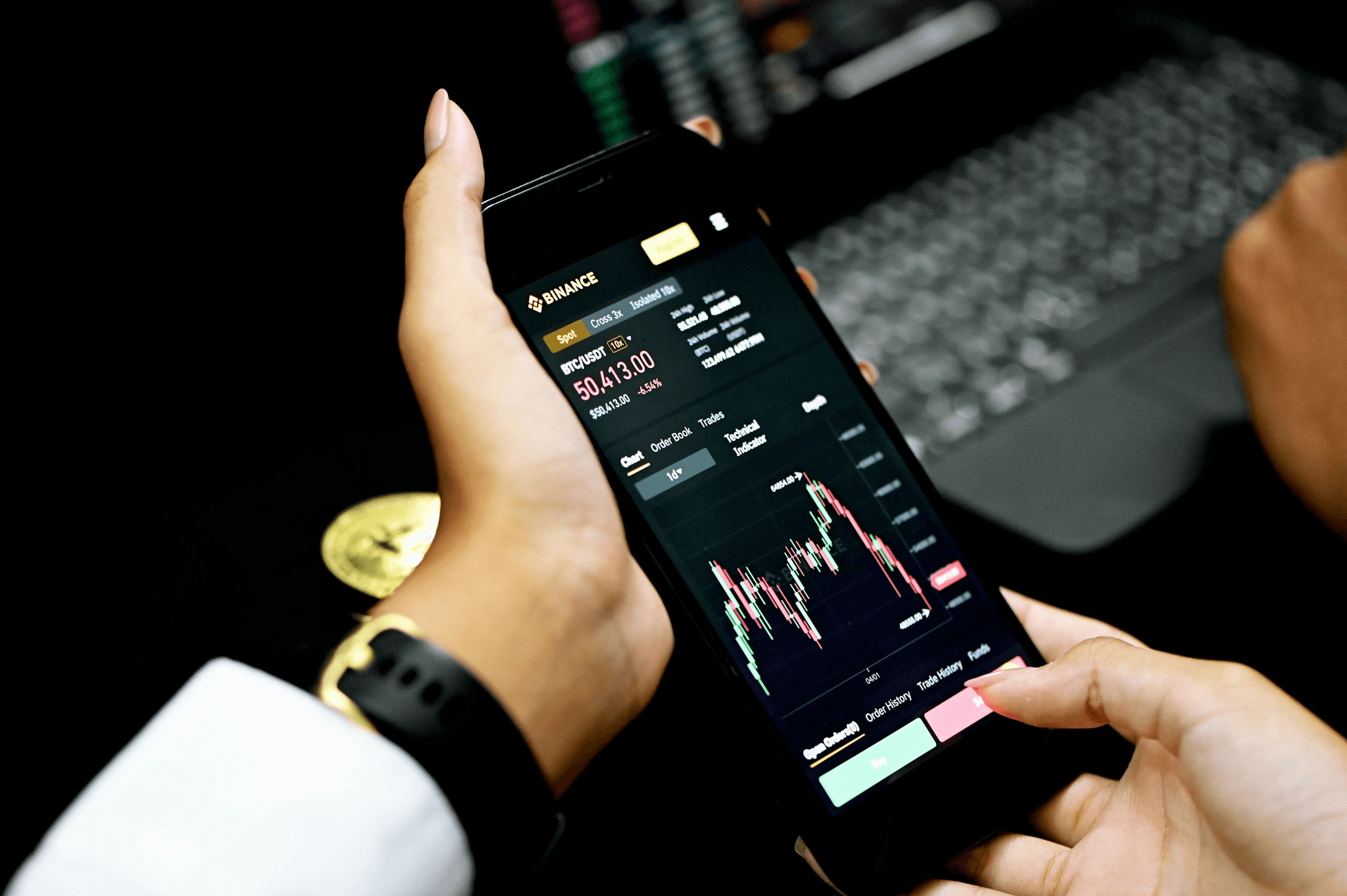
Traders abandon their current platforms when execution friction starts to erode profits. The switch isn't driven by curiosity or feature envy. It happens when the gap between recognizing an opportunity and capturing it becomes expensive enough to justify change. In markets where price movements compress into seconds, the infrastructure you use determines whether your thesis translates into returns.
When Execution Becomes the Bottleneck
The most immediate trigger is missed entries. You identify a signal, confirm the setup, and by the time you navigate between your charting tool, wallet interface, and execution platform, the entry price has moved. This isn't occasional bad luck. It's a structural delay built into fragmented workflows. Traders often describe the moment they realize their strategy is sound, but their tooling can't keep pace. The green candle moves before the transaction confirms. The launch window closes while you're still bridging funds between chains.
Why Speed is Your Best Risk Management Tool
According to Reddit discussions from February 2026, 90% of traders report execution speed as the primary reason for switching platforms. That number reflects something beyond preference. It signals a market where operational lag translates directly into lost capital. When you're trading newly launched tokens or volatile memecoins, the difference between a profitable entry and a breakeven exit often measures in seconds, not minutes.
Access Restrictions That Lock You Out
Some platforms operate on:
Invite systems
Capacity limits
Regional restrictions
Waiting lists turn opportunities into spectator events. You watch price action unfold, thesis validated, unable to participate. In a 24-hour market, being locked out during volatility doesn't feel like an inconvenience. It feels like watching someone else profit from your research. The frustration compounds when you realize the barrier isn't skill or capital. It's simply that your platform can't accommodate you when it matters most.
Multi-Chain Complexity That Slows Repositioning
Managing separate wallets across blockchains introduces friction at every step. Each ecosystem requires its own balance, approval process, and transaction flow. Moving capital between chains means:
Engaging bridges
Paying additional fees
Accepting delay
During volatile conditions, you often don't have time to reposition funds as opportunities emerge. The tactical window closes while you're still navigating infrastructure. What should be a simple capital allocation decision becomes a multi-step process that introduces both delay and counterparty risk.
Portfolio Visibility That Fragments Understanding
Tracking positions across multiple platforms forces you to mentally aggregate:
Balances
Exposures
Performance
Without a unified view, you can't:
Quickly assess total risk
Set coherent exit plans
Even though your real-time P&L
This fragmentation makes disciplined risk management harder to execute. You're trading with incomplete information about your own portfolio, which means every decision carries hidden uncertainty about how it affects your overall position.
Platforms That Don't Evolve With Strategy
Many traders outgrow narrow platforms focused exclusively on memecoins or a single ecosystem. As experience builds, the desire to access major assets, derivatives, or emerging markets becomes practical rather than aspirational. When your platform can't accommodate a broader strategy, you face a choice: limit your approach to fit the tool, or find infrastructure that scales with your ambitions. The decision becomes obvious once you recognize that your platform constrains opportunity rather than enables it.
Why Integrated Infrastructure Wins
The underlying issue isn't about features or interface preferences. It's about whether your setup allows you to act on what you see. A sound thesis executed slowly with fragmented tools will underperform a simpler strategy executed quickly with integrated infrastructure. When friction begins costing you money or confidence, searching for an alternative stops being a preference and becomes a rational response to structural disadvantage. Platforms like Bullpen consolidate execution, discovery, and portfolio tracking into a single interface with optimized routing through Jupiter Ultra and Hyperliquid, compressing the time between signal recognition and position entry while eliminating the need to juggle multiple tools across chains.
The Real Cost of Fragmented Trading Stacks
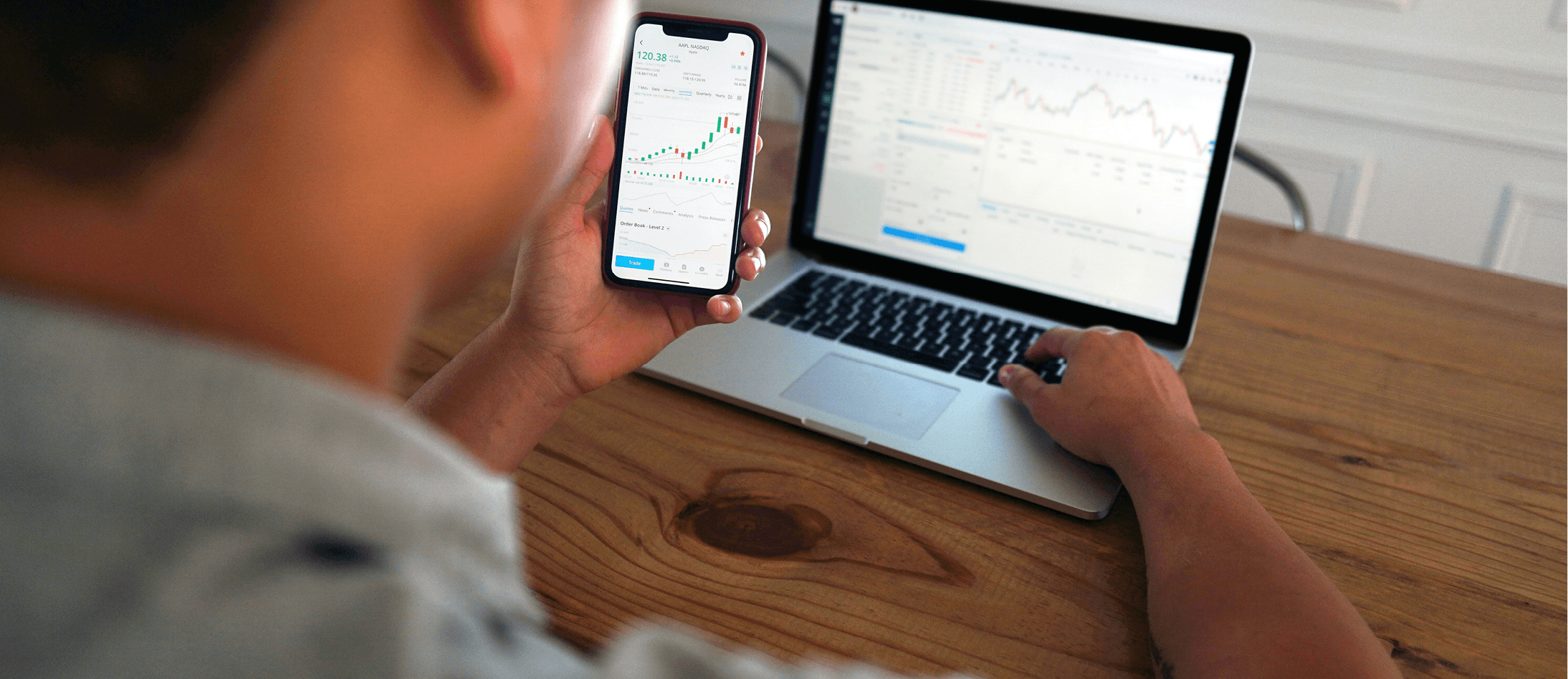
The true expense isn't what you pay. It's what you don't capture. Fragmented trading stacks bleed opportunity through accumulated delays, compounding fees, and cognitive overhead that turns winning strategies into mediocre results. The cost appears invisible on any single trade but becomes structural across hundreds of decisions.
Capital Sits Idle While Markets Move
Opportunities rarely emerge where your funds already live. You spot a signal on Solana, but your capital sits on Ethereum. You identify a perpetual setup, but your collateral is locked in spot positions across three wallets. Bridging takes time, sometimes minutes, often longer during network congestion. Bitcoin has recorded single-day moves of more than 5% during volatile periods, according to Bankrate's price history analysis. Smaller tokens move faster. By the time your funds arrive, the entry you wanted no longer exists. You either chase at worst pricing or skip the trade entirely, watching your thesis play out without you.
The Opportunity Cost of Capital Friction
This isn't occasional friction. It's the repeated structural delay that prevents you from acting when conviction is highest. Every bridge transaction introduces waiting periods, approval steps, and uncertainty about whether the opportunity will still exist when execution becomes possible. The gap between recognition and action widens until your edge erodes.
Fee Accumulation Eats Returns Quietly
Each platform extracts its share. Withdrawal fees to move funds out.
Bridge fees to cross chains.
Gas fees on both sides of the transaction.
Trading fees at the destination.
Slippage from delayed execution.
What looks profitable on paper shrinks after operational costs compound across multiple trades. A strategy that generates 15% gross returns might net 8% after accounting for friction, and most traders don't calculate the full toll until months later, when they review actual performance against expectations.
The Anatomy of Implementation Shortfall
Research from Finchtrade indicates liquidity fragmentation costs traders an average of 13.5695 basis points per transaction in 2025. That number sounds small until you multiply it by dozens of weekly trades. The difference between theoretical strategy performance and realized returns becomes clear. The stack itself is the leak.
Security Surface Expands With Every Connection
More wallets mean more attack vectors. Each platform connection requires approvals, signatures, and trust in interfaces you may not fully understand. Phishing attempts increase as you interact with multiple sites. Malicious contract approvals become easier to slip through when you're signing transactions quickly across fragmented tools. High-profile Crypto losses often trace back not to bad trades but to compromised wallets or unsafe approvals made under time pressure. The risk isn't theoretical. When you're moving fast between platforms, the probability of mistakes rises. You approved the wrong contract. You sent funds to an incorrect address. You connect your wallet to a spoofed interface that looks legitimate. Fragmentation doesn't just slow you down. It creates conditions in which security discipline breaks down under operational pressure.
Situational Awareness Collapses Under Load
You can't manage what you can't see clearly. When positions scatter across platforms, you lack real-time visibility into:
Total exposure
Available liquidity
Aggregate P&L
Monitoring multiple dashboards during rapid price action demands cognitive resources that should be devoted to decision quality. You're simultaneously tracking Solana positions in one wallet, Ethereum perpetuals on another platform, and prediction markets in a third interface. Mental aggregation introduces lag and error.
Unified Interfaces as Risk Management Infrastructure
Under stress, this fragmentation produces mistakes.
You mis-size a position because you forgot about exposure elsewhere.
You missed an exit signal because you weren't watching the right screen.
You execute the wrong transaction because you're toggling between interfaces too quickly.
What should be straightforward risk management becomes a coordination problem that degrades performance when it matters most.
The Context-Switching Tax in Multi-Chain Trading
Platforms like Bullpen consolidate execution, discovery, and portfolio tracking into a unified interface, compressing the operational steps between signal recognition and position entry while providing real-time visibility across assets and chains without requiring manual aggregation.
Missed Exits Turn Manageable Losses Into Large Ones
Getting into trades is only half the battle. Getting out at the right time determines whether you preserve capital or watch drawdowns accelerate. When your exit process requires navigating between platforms, finding liquidity, and executing across fragmented infrastructure, delay becomes expensive. A 3% stop loss becomes an 8% loss because execution took longer than expected. A profit target gets missed because you couldn't close fast enough. The thesis was right, the entry was good, but operational friction destroyed the outcome.
Infrastructure-Led Alpha
This pattern repeats until you recognize that execution infrastructure isn't separate from strategy. It's the mechanism that determines whether your strategy actually works in practice. A sound thesis executed slowly with fragmented tools will consistently underperform a simpler approach executed quickly with integrated infrastructure.
Performance Becomes Inconsistent and Unpredictable
You might execute brilliantly one day when everything aligns, then struggle the next because funds weren't positioned correctly or a platform lagged during volatility. Results fluctuate not because your analysis changed, but because operational quality varies trade to trade. This inconsistency makes it impossible to evaluate whether your strategy actually works. You can't separate signal from noise when execution friction introduces random variance into every outcome.
Infrastructure-Induced Risk Aversion
The mental toll compounds over time. Decision fatigue sets in. You start avoiding certain trades not because they lack merit, but because the operational hassle feels too high. Paralysis replaces conviction. The stack that was supposed to enable opportunity starts constraining it instead, and you're left wondering whether the problem is your judgment or your tools.
Related Reading
7 Popular BullX Alternatives (and What They’re Best At)
1. Bullpen

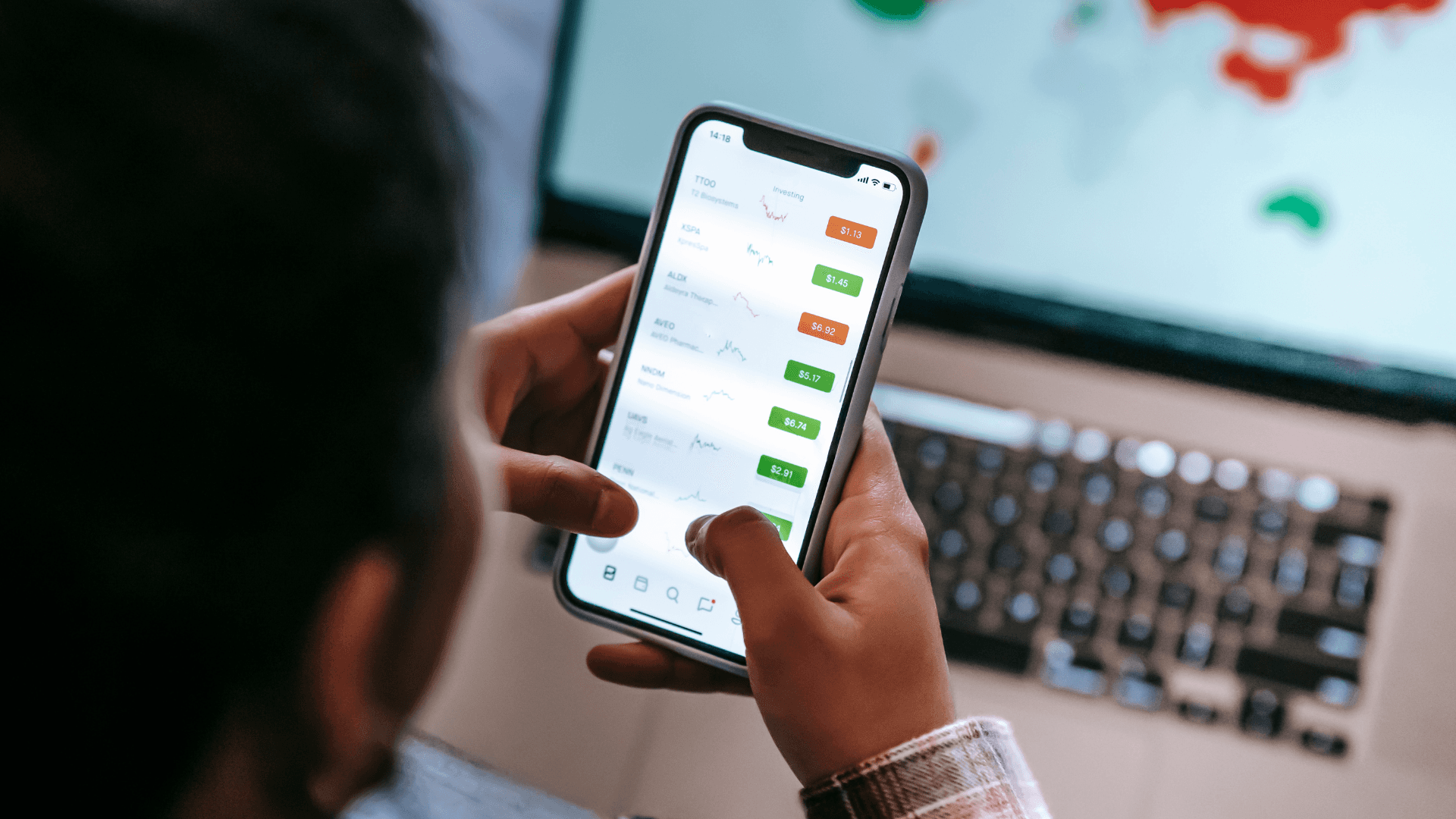
Bullpen focuses on consolidation rather than specialization. Instead of requiring separate tools for different markets, it brings multiple Crypto opportunities into one interface. Traders can access major assets such as Bitcoin, Solana memecoins, perpetuals on Hyperliquid, and prediction markets like Polymarket without switching apps, wallets, or bridges. A distinguishing feature is its social intelligence layer. Users can follow top traders on X with verified profit-and-loss histories, monitor a live leaderboard of real performance, and receive alerts when leading traders open positions. This reduces the gap between discovery and execution, allowing traders to act immediately on high-conviction moves. Bullpen is best suited for traders who want broad market access, real-time signals, and minimal operational friction in a single platform.
2. Photon (Solana)
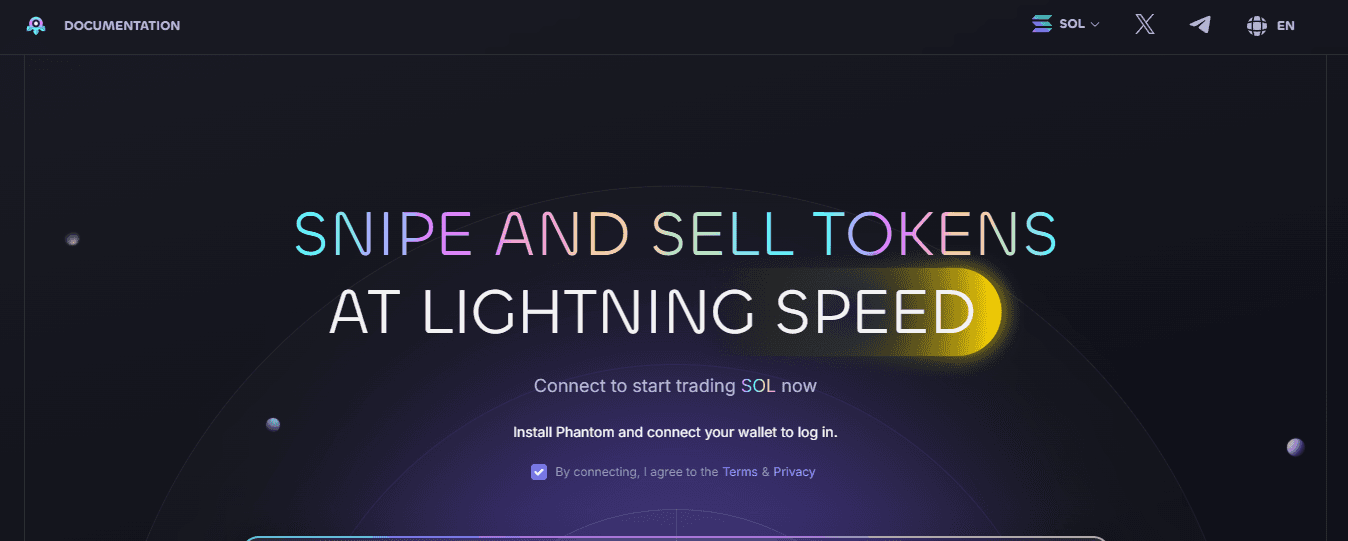
Photon is widely used for high-speed trading within the Solana ecosystem. It excels at executing transactions quickly, which is particularly valuable during token launches or volatile memecoin activity where seconds matter. Its charting tools and pair discovery features make it effective for identifying new opportunities early. Its scope is largely limited to Solana-based assets, meaning traders seeking exposure to other chains or markets must use additional tools. Photon is best for Solana-native traders prioritizing execution speed and early entry into newly listed tokens.
3. Banana Gun and Maestro (Trading Bots)
Telegram-based trading bots such as Banana Gun and Maestro automate execution directly from chat interfaces. They are commonly used for:
Sniping newly launched tokens
Copying trades
Executing predefined strategies without manual interaction
Many of these bots support multiple chains, depending on configuration, but they require users to grant wallet permissions for automated transactions. This introduces convenience alongside considerations of trust and security. These tools are best for traders who prioritize automation and rapid execution, especially in environments where manual trading would be too slow.
4. Jupiter (Solana Aggregator)
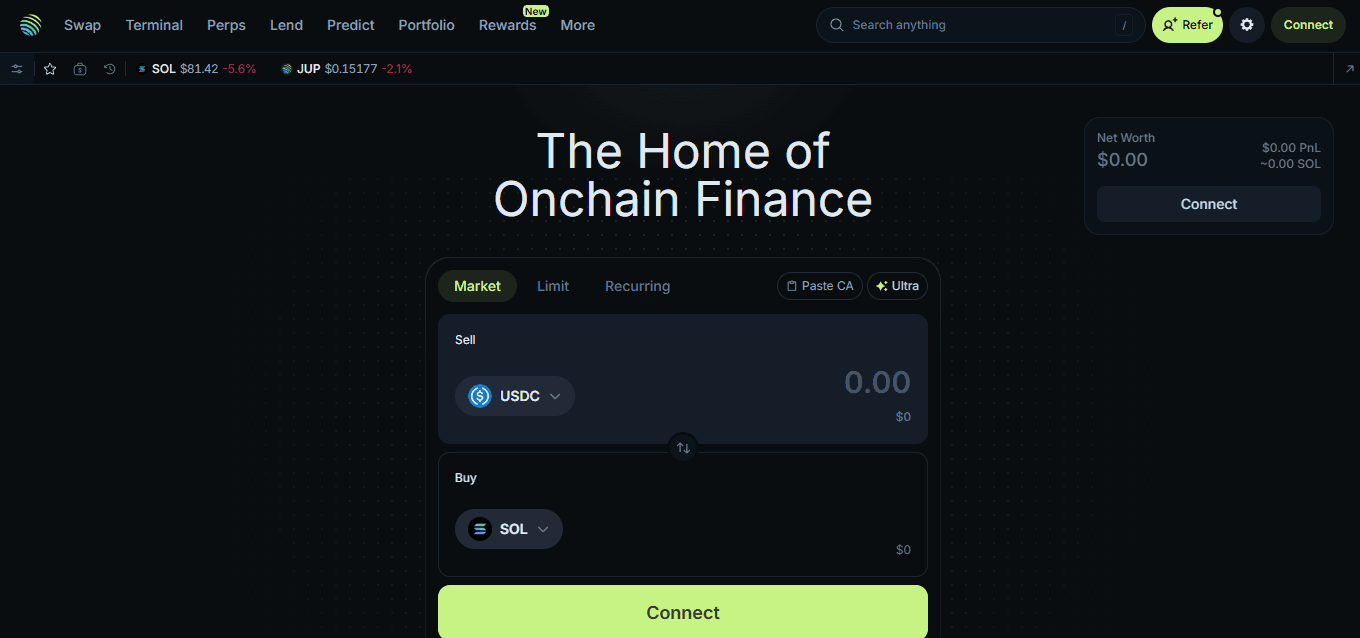
Jupiter is a liquidity aggregator on Solana that routes trades across multiple decentralized exchanges to secure the best available pricing. By splitting orders intelligently, it can reduce slippage compared with trading on a single venue. Jupiter functions primarily as a swap engine rather than a full trading platform. It does not provide comprehensive portfolio management, signal tracking, or cross-market functionality. Jupiter is best for optimizing trade execution prices within the Solana ecosystem.
5. Dexscreener and Birdeye (Analytics Tools)

Dexscreener and Birdeye focus on market intelligence rather than execution. They provide across multiple networks:
Real-time charts
Token discovery tools
Volume tracking
On-chain data
These platforms are widely used to identify trending assets or monitor liquidity conditions. Because they do not execute trades directly, users must pair them with wallets, bots, or exchanges to act on insights. This separation between analysis and execution can introduce delays during fast-moving markets.
6. Raydium and Orca (Solana DEXs)
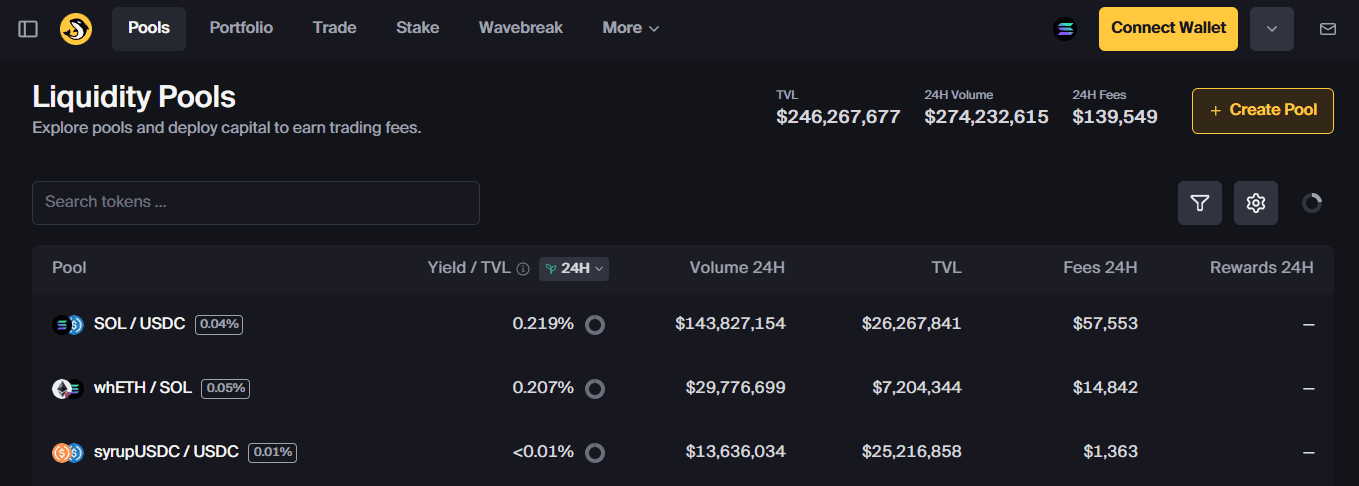
Raydium and Orca are decentralized exchanges native to Solana that offer direct access to liquidity pools and token swaps. They provide transparent pricing and on-chain settlement, which appeals to traders who prefer decentralized infrastructure over centralized platforms. Their primary limitation is scope. They serve Solana markets exclusively and lack integrated tools for:
Portfolio tracking
Social signals
Cross-chain positioning
Traders often use them alongside other platforms to fill specific execution needs. These DEXs are best for Solana traders who value decentralization and direct access to pools.
7. Uniswap (Ethereum DEX)

Uniswap remains the dominant decentralized exchange on Ethereum, offering deep liquidity for established tokens and new launches alike. Its interface is straightforward, and its liquidity pools support a wide range of trading pairs.
The Unit Economics of High-Frequency Trading
The challenge is cost. Ethereum gas fees can make small trades uneconomical, particularly during network congestion. Uniswap also lacks the speed and low-cost execution available on newer chains, which limits its appeal for high-frequency memecoin traders. Uniswap is best for Ethereum-native traders working with larger position sizes where gas costs represent a smaller percentage of total capital.
The Rise of the ‘Single-Pane-of-Glass’ Mandate
The pattern across these alternatives is consistent. Each solves a specific problem well but leaves gaps elsewhere. According to AlphaGrowth, over 20,000 projects compete in the Crypto trading space, yet most traders still cobble together multiple tools to cover:
Discovery
Execution
Management
The fragmentation persists because few platforms attempt to integrate the full workflow.
Workflow Compression as a Yield Multiplier
Most traders start with one tool, add another to cover a gap, then another to access a different chain. Before long, they're managing the same complexity that prompted the search for an alternative in the first place. The operational overhead returns are just distributed differently. Platforms like Bullpen consolidate execution across tokens, perpetuals, and prediction markets with optimized routing through Jupiter Ultra and Hyperliquid, eliminating the need to switch between specialized tools while maintaining speed and pricing efficiency across multiple asset types.
The Integration Gap and ‘Shadow Risk’
The real question isn't which alternative offers the best feature set. It's which one eliminates the need for alternatives entirely? When you're forced to combine three platforms to achieve what one should deliver, you haven't solved the problem. You've just rearranged it.
Related Reading
What Most BullX Alternatives Still Don’t Solve

Switching platforms can feel like progress, but in many cases, it simply replaces one limitation with another. Most BullX alternatives are optimized for a specific task rather than for the full trading lifecycle, such as:
Faster execution
Better charts
Automated sniping
Liquidity routing
As a result, traders often end up rebuilding the same fragmented setup they were trying to escape.
No Unified View Across Assets and Markets
Crypto opportunities are increasingly spread across spot markets, derivatives venues, memecoin ecosystems, and prediction platforms. Most tools cover only one slice. Traders must track balances, positions, and risk across multiple interfaces, often without a consolidated dashboard.
Quantifying ‘Shadow Leverage’ and Narrative Overlap
This fragmentation is not trivial. According to Chainalysis' 2026 Crypto Crime Report, Crypto activity spans hundreds of exchanges and thousands of tokens across dozens of blockchains, making comprehensive visibility difficult without integrated tooling. When exposure is scattered, traders can unintentionally:
Over-leverage
Duplicate positions
Miss portfolio-level risks
You might hold a 10% position in a memecoin on Solana, another 8% in a related token on Ethereum, and a leveraged perpetual on Hyperliquid, without realizing your total exposure to a single narrative exceeds 25% of your capital.
The Attentional Blink and the Cost of Context Switching
The mental overhead compounds during volatility. You're:
Toggling between screens
Manually calculating aggregate exposure
Trying to remember which wallet holds which asset
By the time you've pieced together the full picture, the market has moved, and your decision window has closed.
Separate Apps for Spot, Derivatives, and Emerging Markets
Few platforms offer meaningful access to multiple market types in one place. Spot trading may happen on:
A decentralized exchange
Derivatives on a centralized venue or specialized protocol
Prediction markets are on entirely separate platforms
The Attentional Blink of Context Switching
This separation slows reaction time. For example, a trader spotting bullish sentiment in a prediction market may need to move funds and open a position elsewhere before acting. In fast markets, that delay can eliminate the edge entirely. The thesis was correct, the timing was right, but operational logistics prevented execution. You end up watching the move happen without you, not because you lacked conviction, but because your infrastructure couldn't keep pace with your decision-making.
The Death of the ‘Human Bridge’
Platforms like Bullpen consolidate execution across tokens, perpetuals on Hyperliquid, and prediction markets like Polymarket into a single interface with optimized routing through Jupiter Ultra. Traders can shift between asset types without moving funds between wallets or platforms, thereby reducing the time from signal recognition to position entry while maintaining full visibility across all exposures in a single dashboard.
No Verified Signal Layer Showing Who is Actually Profitable
Social trading is common in Crypto, but reliable performance data is rare. Many platforms display follower counts or anecdotal success stories rather than audited results. Research from the U.S. Securities and Exchange Commission has repeatedly highlighted how retail traders can be influenced by unverified claims of profitability on social platforms. Without transparent metrics such as verified profit and loss, it is difficult to distinguish genuine expertise from noise or survivorship bias.
The Survivorship Bias in Trading Discovery
You see someone posting screenshots of winning trades, but you don't see the twenty losing trades that preceded them. You follow a wallet address that made one spectacular call, unaware that its overall return is negative. The result is that discovery becomes guesswork. You're making capital allocation decisions based on incomplete information about who actually generates consistent returns. The loudest voices often attract the most attention, regardless of whether their track record justifies it.
Friction Between Funding, Analysis, and Execution
Even when tools work well individually, moving from idea to action often requires multiple steps.
Funds may sit in one wallet, analysis in another platform, and execution on a third.
Each transfer introduces delays, fees, and potential failure points.
The Bank for International Settlements has noted that blockchain transactions can experience variable confirmation times due to network congestion, directly affecting usability for time-sensitive financial activity. For traders, this means capital is not always where it needs to be when opportunities arise. You identify a setup, confirm the thesis, and then spend the next ten minutes bridging funds, approving transactions, and waiting for confirmations. The opportunity cost isn't just the trade you missed out on. It's the cumulative effect of operational friction slowing every decision you make.
Constant Context Switching
Managing several interfaces simultaneously increases cognitive load. Traders must monitor charts, wallets, notifications, and news feeds across devices or browser tabs. Under volatile conditions, this multitasking environment raises the likelihood of errors. Behavioral finance research has shown that decision quality deteriorates under information overload and time pressure. In trading, this can translate into missed exits, incorrect order sizing, or delayed responses.
The Operational Risk and Coordination Tax of Fragmented Infrastructure
You're not just managing positions. You're managing the tools themselves, and that coordination tax drains attention from what actually matters: reading market conditions and executing with discipline. The operational burden becomes its own form of risk. You execute a trade in the wrong wallet. You missed a notification because it appeared in a different app. You closed the wrong position because you were looking at the wrong screen. These aren't hypothetical scenarios. They're predictable outcomes when infrastructure demands more focus than strategy.
The Frankenstein Stack Problem
The cumulative effect is what many traders describe as a patchwork or “Frankenstein” stack, a collection of tools stitched together to approximate a full trading environment. While each component may be powerful, the coordination overhead slows execution and increases operational risk. Instead of eliminating friction, switching platforms often redistributes it. The core issue is not any single tool but the lack of integration across:
Discovery
Funding
Execution
Portfolio management
Until those elements converge, traders remain constrained by logistics as much as by strategy.
The ‘TradeTech Paradox’ and Workflow Consolidation
The result is paradoxical. Traders adopt new tools to gain an edge, yet the complexity of managing them can erode that advantage. Real improvement comes not from better individual components, but from reducing the number of moving parts altogether.
What a True BullX Alternative Should Provide

A genuine upgrade reduces the number of decisions required between recognizing an opportunity and capturing it. Speed matters, but only if capital is already positioned correctly. Clarity matters, but only if you can act on what you see without having to rebuild your setup. The platform itself should disappear into the background, leaving only the trade.
One Interface Covering Major Crypto Opportunities
Market fragmentation forces traders into a constant state of triage.
You're watching Bitcoin on one screen
Memecoin launches on another
Perpetuals on a third
Prediction markets in a separate browser tab
Each requires its own wallet connection, balance management, and approval flow. The cognitive overhead isn't just annoying. It directly impacts decision quality when volatility spikes and you need to reposition fast.
Situational Awareness and the Execution Pause
CoinMarketCap tracks tens of thousands of tradable assets across hundreds of exchanges, making manual oversight impractical. A single interface reduces blind spots and improves situational awareness. More importantly, it eliminates the hesitation that comes when you spot an opportunity but realize your tools aren't set up to act on it. That pause, repeated across dozens of trades, becomes the difference between consistent execution and missed setups.
Fast Execution Without Constant Bridging
Capital location determines whether you can act on conviction. If funds sit on the wrong chain or platform, you're not trading, you're waiting. Bridging introduces confirmation delays and fees that compound with each repositioning. During peak activity, blockchain transaction times and costs spike dramatically. The opportunity you identified at 10:42 AM no longer exists by 10:47 AM when your funds finally arrive. The problem isn't just speed. It's predictability. You can't build a reliable strategy around infrastructure that introduces random delays based on network congestion. Every bridge transaction becomes a gamble on whether execution will happen fast enough to matter. That uncertainty erodes confidence, which leads to hesitation, which leads to watching moves happen without you.
Access to Spot, Memes, Derivatives, and Emerging Markets
Opportunities in Crypto rarely remain confined to a single segment. Capital flows between:
Large-cap assets
Speculative tokens
Leveraged products
New market formats, such as prediction markets
A platform that covers only one category forces traders to maintain parallel setups. You identify a narrative gaining traction across multiple venues, but acting on it requires moving funds, switching platforms, and rebuilding context each time.
The Delta-Neutral Advantage and Strategic Hedging
Diversified access allows traders to respond to changing conditions without rebuilding infrastructure. It also enables more sophisticated strategies, such as hedging spot exposure with derivatives or rotating capital between sectors. When everything lives in one place, you stop thinking about logistics and start thinking about positioning.
Real-Time Insight Into Proven Traders
Information asymmetry defines Crypto markets. Knowing what successful participants are doing can be more valuable than traditional technical signals, provided the data is reliable. Social platforms often amplify noise rather than skill. You see someone posting winning trades, but you don't see the full picture. Follower counts and anecdotal screenshots tell you nothing about consistent profitability.
Mitigating Survivorship Bias through P&L Transparency
A meaningful signal layer should prioritize verified performance over popularity. Transparent profit-and-loss tracking helps distinguish skill from hype. When you can see who is actually generating returns over time, not just who talks the loudest, discovery becomes less guesswork and more pattern recognition. You're not following hype. You're following evidence.
Simple Funding Options
Funding friction prevents participation in opportunities that emerge quickly. Complex onboarding processes, limited payment methods, or slow deposit mechanisms create barriers precisely when speed matters most. You identify a setup, confirm the thesis, and then spend ten minutes navigating funding logistics. By the time you're ready to execute, the entry price has moved, or the opportunity has closed. Accessible funding options shorten the time between decision and execution. They also lower the barrier for scaling positions or entering new markets. When funding becomes predictable and fast, you stop avoiding certain trades because they feel operationally difficult. The strategy drives the decision, not the logistics.
Reduced Operational Complexity
Perhaps the most important criterion is simplicity. Every additional wallet, bridge, exchange account, or monitoring tool increases cognitive load and operational risk. Complexity also creates more failure points, from technical glitches to user error. Behavioral research consistently shows that performance declines as task complexity increases, particularly under time pressure. In trading, this translates directly into poorer decisions during volatile conditions.
The Attentional Blink and Workflow Compression
You execute a trade in the wrong wallet. You missed a notification because it appeared in a different app. You closed the wrong position because you were looking at the wrong screen. These aren't hypothetical scenarios. They're predictable outcomes when infrastructure demands more focus than strategy. The goal isn't to add features. It's to remove steps.
Performance Comes From Removing Friction
The common assumption is that better results require more sophisticated analysis. In reality, many gains come from eliminating delays, costs, and coordination problems. A streamlined workflow allows traders to execute good ideas consistently rather than occasionally. When you're not fighting your tools, you can focus on reading market conditions and managing risk. Platforms like Bullpen consolidate execution across tokens, perpetuals on Hyperliquid, and prediction markets like Polymarket into a single interface with optimized routing through Jupiter Ultra.
The Competitive Advantage of Integrated Trading Environments
Traders can shift between asset types without moving funds between wallets or platforms, thereby reducing the time from signal recognition to position entry while maintaining full visibility across all exposures in a single dashboard. A true BullX alternative acts less like a specialized tool and more like an integrated trading environment. By reducing the gap between insight and action, it enables strategy to matter again. The platform disappears. The trade remains.
How Bullpen Compares as a BullX Alternative

Bullpen doesn't compete by offering a slightly faster version of what already exists. It eliminates the need for the patchwork entirely. Where most alternatives optimize one piece of the workflow (execution speed, analytics, or automation), Bullpen consolidates the entire trading stack into a single environment. You're not switching between tools to access Bitcoin, Solana memecoins, Hyperliquid perpetuals, and Polymarket prediction markets. You're operating from a single interface where capital, signals, and execution converge, without requiring bridges, wallet shuffling, or mental aggregation.
One Environment, Not a Collection of Tools
The typical setup requires separate platforms for spot trading, derivatives, and emerging markets. You monitor charts in one place, execute in another, and track positions in a third. Each transition introduces delay and cognitive overhead. Bullpen removes that friction by bringing multiple Crypto arenas into a unified space. When you spot an opportunity in prediction markets, you don't need to move funds or open a different app. The capital is already positioned. The interface is already open. The only question is whether you want to take the trade.
Real-Time Delta Awareness and Risk Cohesion
This structural advantage matters more during volatility. You're not rebuilding context every time you switch markets. You're not wondering which wallet holds which balance. Portfolio awareness improves because everything lives in one view. You can evaluate Bitcoin exposure alongside memecoin positions and perpetual hedges without manual calculation. The complete picture exists in real time, not as an approximation you construct from memory.
Capital Moves With Strategy, Not Against It
Bridging delays kills more trades than bad analysis. You identify a setup, confirm the thesis, and then spend critical minutes moving funds across chains. By the time execution becomes possible, the entry has already been removed. Bullpen reduces this dependency by enabling activity across supported markets without requiring repeated wallet hopping. You're not waiting for confirmations while price action unfolds. You're already positioned to act when conviction forms.
Strategic Flexibility and the Efficiency Frontier
This compression of time between decision and execution changes what strategies become viable. High-conviction moves that require rapid capital rotation become operationally straightforward. You're no longer avoiding certain trades because your infrastructure can't keep pace. The platform stops being the constraint. Strategy drives the decision, not logistics.
Performance Transparency Instead of Social Noise
Crypto social feeds overflow with opinions, but verifiable performance data remains scarce. You see screenshots of winning trades without context about overall returns. You follow wallet addresses that made one spectacular call, unaware that their long-term record is negative. Bullpen addresses this gap by surfacing top traders on X with verified profit-and-loss histories. A live leaderboard shows who consistently performs, not just who posts most frequently.
The Science of Alpha Decay and Execution Windows
Instant alerts notify you when leading traders open positions. This isn't delayed information shared after the move completes. Real-time awareness compresses the gap between their decision and yours. You're not imitating trades hours later when the opportunity has closed. You're seeing conviction as it forms, which gives you the option to act while the setup still exists.
Funding That Matches Market Speed
Getting capital onto a platform often introduces the first delay. Complex onboarding processes or limited payment methods create barriers precisely when speed matters most. Bullpen supports straightforward funding through Apple Pay and direct bank transfers. This removes friction at the entry point, allowing traders to deploy capital quickly when opportunities appear. You're not navigating multi-step verification processes while watching price action unfold without you. Simplified funding also makes it easier to scale positions or participate in time-sensitive trades. When the operational burden of adding capital disappears, you stop avoiding certain opportunities because they feel logistically difficult. The decision becomes purely strategic rather than operational.
Advanced Capabilities Without Operational Overhead
Experienced traders often need leverage alongside spot exposure. Maintaining separate accounts for different strategy types introduces coordination costs. Bullpen offers leverage capabilities within the same environment where spot opportunities exist. You're not managing parallel setups or moving funds between platforms to access different product types. Everything lives in one place, which keeps operational overhead low even as strategy complexity increases.
The Operational Scalability and Cost Efficiency of Integrated Execution
This integrated approach supports both conservative and high-conviction trading styles. You can rotate between spot positions and leveraged products without rebuilding infrastructure or learning new interfaces. The platform scales with your approach rather than constraining it. Platforms like Bullpen optimize execution through Jupiter Ultra and Hyperliquid, routing trades intelligently to secure the best pricing while maintaining speed. Zero platform fees mean more of your returns stay in your account rather than getting extracted through repeated transaction costs across fragmented tools.
What Changes When Friction Disappears
The practical advantages align directly with the pain points that drive traders to seek alternatives in the first place. A faster decision-to-execution cycle means you capture setups that would otherwise close before you could act. Access to diverse opportunities without switching platforms means you can respond to changing conditions without rebuilding your entire operational setup. Reduced friction means fewer moving parts that can fail during volatile conditions. Greater transparency into which participants are succeeding means discovery becomes less guesswork and more a matter of pattern recognition.
The Neuroscience of Flow and the Invisible Interface
Instead of optimizing a single part of the workflow, Bullpen optimizes the entire process from discovery to execution. The platform doesn't just make trading faster. It makes it simpler, which is often more valuable. You're not managing tools. You're managing positions. The infrastructure disappears into the background, leaving only the trade itself.
Related Reading
Buy Crypto Today With Bullpen
If switching between wallets, bots, and exchanges is slowing your reaction time, Bullpen lets you trade across major Crypto markets from a single app while tracking verified top performers in real time. Deposit today to earn a 500-point bonus, and deposits of $1,000 or more include a free introductory call to help optimize your setup from day one.
The ‘Coordination Tax’ and Execution Drift
The difference between recognizing a setup and capturing it often comes down to whether your infrastructure supports speed or demands coordination. When capital sits ready, signals arrive in real time, and execution happens without switching contexts, you stop losing trades to logistics. You're positioned to act when conviction forms, not after the opportunity closes. That advantage compounds across every decision you make.
Last Updated:
March 23, 2026