
How to bet on prediction markets with clear steps for choosing a platform, funding your account, and trading event contracts.
Prediction markets have exploded beyond traditional finance, drawing crowds eager to wager on everything from election outcomes to whether the best memecoins will surge or crash next quarter. The thrill of backing your judgment with real money creates an addictive rush, but most newcomers lose their shirts because they treat these platforms like casinos rather than as strategic instruments. This article walks you through practical methods for betting on prediction markets without draining your wallet, covering position sizing, market analysis, and the psychology that separates consistent winners from those who flame out after three trades.
Getting started requires access to crypto, since most prediction platforms operate outside conventional banking rails. Bullpen's buy crypto solution removes the friction that stops people in their tracks when they're ready to place their first bet, offering a straightforward path from dollars to the tokens these markets actually accept.
Table of Content
Summary
The bottom quarter of prediction market users lose approximately 28 cents of every dollar they wager, according to analysis of Juice Reel data. This isn't bad luck or randomness. It's the result of entering markets too late and paying inflated prices for positions that reflect information everyone already knows.
Prediction markets hit $63.5 billion in volume in 2025, a fourfold surge in just one year, reflecting how quickly capital moves toward mispriced probabilities. This growth also means more participants are competing for the same opportunities, collapsing the window between recognizing an edge and capturing it.
Information moves faster than manual reaction time in modern prediction markets. Election markets reprice within minutes of early state results, and economic data releases trigger probability adjustments almost immediately when official numbers drop.
Every contract price represents an implied probability. A contract trading at $0.60 means the market assigns a 60 percent chance to that outcome. Your profit doesn't come from guessing correctly. It comes from spotting when that collective estimate is wrong and acting before the market corrects itself.
Research finds that prediction markets often produce signals that outperform polls and expert commentary. The challenge is distinguishing between legitimate information-based price movements and insider activity. Sudden, unexplained price surges in announcement-based markets often signal information you don't have access to.
Bullpen's buy crypto service addresses this by integrating prediction markets with real-time social feeds and unified execution, removing the delay between recognizing mispriced probabilities and acting on them.
Most People Lose Money Betting on Prediction Markets
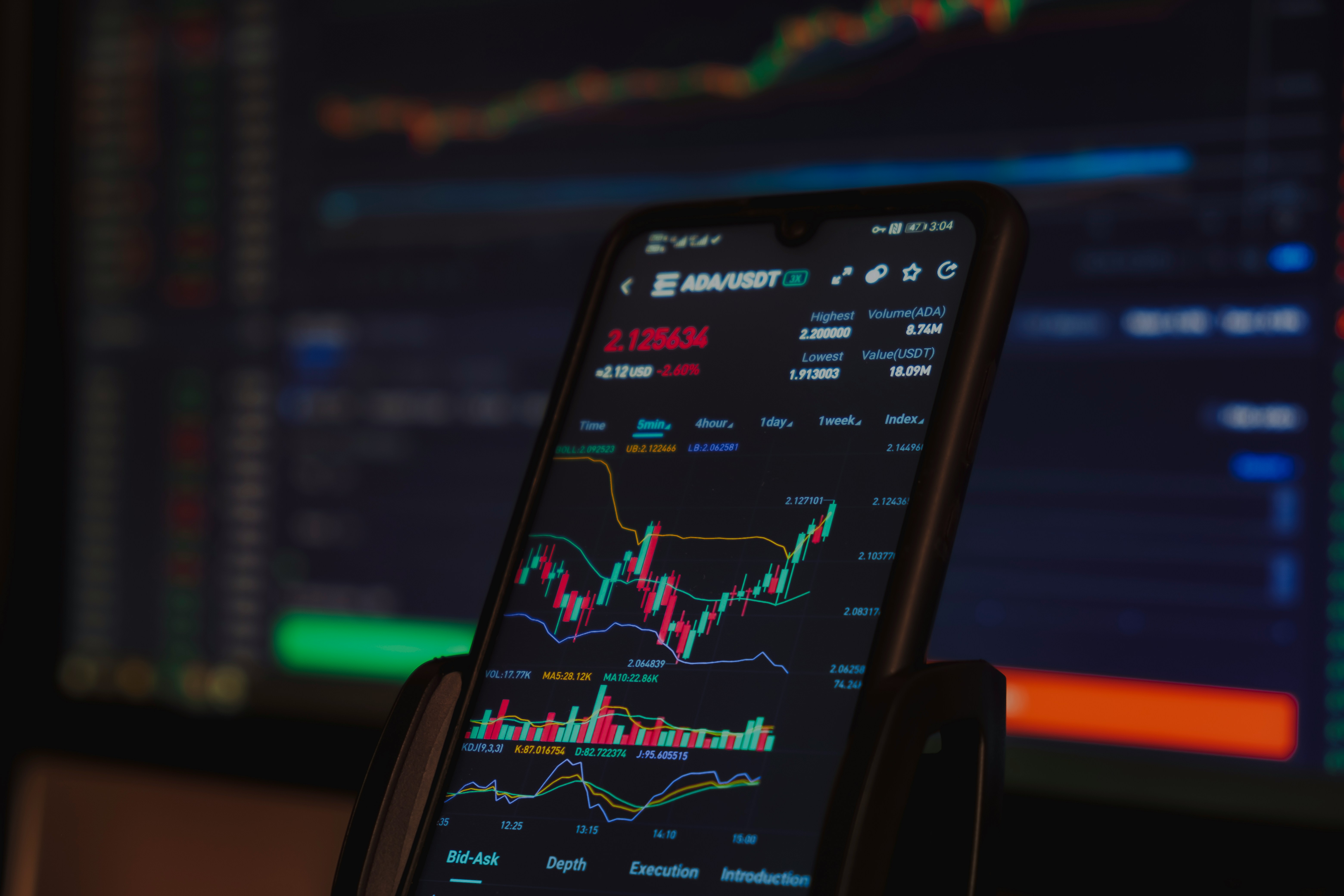
Most participants lose because they confuse being right with being profitable. You can predict an outcome correctly and still walk away down money if the market already priced in your insight before you placed your position. The edge disappeared before you arrived.
The Premium Problem
When major news breaks, odds shift immediately. Users pile in after the headline, paying inflated prices for positions that reflect information everyone already knows. According to Citizens Bank equity research analyst Jordan Bender's analysis of Juice Reel data, the bottom quarter of users lost about 28 cents for every dollar wagered. That's not bad luck. That's entering markets too late, consistently, and paying a premium for consensus that's already baked into the price.
The pattern repeats across every high-visibility event. Someone reads that a candidate's polling numbers surged, then buys shares at 70 cents when the real edge existed days earlier at 45 cents. They're directionally correct but structurally unprofitable. The market moved faster than their reaction time.
Conviction Without Edge
Personal belief drives more trades than probability analysis. People back outcomes they want to happen or feel certain about, ignoring whether the current price offers any mathematical advantage. It's the same behavior that sinks retail traders in traditional markets. You're not betting on what will happen. You're betting on whether the market has mispriced what will happen. Most participants skip that second evaluation entirely.
Platforms like Bullpen help traders move quickly when opportunities arise, but speed matters only if you're evaluating edge in the first place. Seamless execution can't fix a strategy built on headlines and hope.
Small Losses That Compound
Each trade feels manageable. A few dollars here, a small position there. But low-edge trades stack up. You enter slightly late, exit slightly early, or hold through price corrections that erase thin margins. Over weeks, those small missteps compound into consistent underperformance. The market isn't punishing you for being wrong. It's punishing you for being unremarkable.
What separates the 1% who profit from everyone else isn't luck or access. It's recognizing when a price offers a genuine edge versus when it simply reflects the obvious. Most people never make that distinction, and the results show it every time they check their balance.
But knowing you're losing money is only half the problem.
Related Reading
Why Most Prediction Market Strategies Fail
The issue isn't access to prediction markets. It's a misunderstanding of how they function. Most participants approach these markets with the wrong mental model, treating them like sports betting, where the goal is to pick the correct outcome. That leads to decisions based on belief rather than price.
Price Already Reflects Consensus
A contract trading at 70 cents already reflects a 70 percent probability. Buying at that level because you think the event will happen ignores the fact that the market already agrees with you. There's no edge left. This is where most strategies break down immediately.
Users ignore implied odds and expected value. They focus on being right, not on whether the price offers a favorable risk-reward. Even when their prediction is correct, the return is often too small relative to the risk they took. You're not trading what will happen. You're trading whether the current price has mispriced what will happen.
Narratives Erase Edge Before You Arrive
News cycles, social media, and public sentiment push people toward obvious trades. By the time most participants act, the information is already priced in. They're entering after the move, not before it. According to Kaiko, prediction markets now process billions in volume, which means pricing efficiency has accelerated dramatically. The window between new information and price adjustment has collapsed.
The Algorithmic Execution Gap
The same pattern surfaces across every high-visibility event and token launch. Someone sees a headline, feels conviction, and places a position without asking whether dozens of faster participants have already moved the price.
Manual execution can't compete when algorithmic participants and social feeds are monitoring the same signals simultaneously. Platforms like Bullpen help traders act quickly when opportunities arise by integrating prediction markets with real-time social feeds and optimized execution, but speed matters only if you're evaluating edge in the first place. Seamless execution can't fix a strategy built on headlines and hope.
Trading Math, Not Feelings
Academic research on prediction markets, including work by economists like Justin Wolfers, has shown that these markets are often efficient at aggregating available information. That means obvious opportunities are quickly absorbed into the price, leaving little room for late participants to profit. The result is consistent; users take positions without a measurable edge. They're not exploiting mispricing. They're accepting it.
Over time, that imbalance leads to underperformance, even if individual trades occasionally win. You can be directionally correct and still walk away down money if the market already priced in your insight before you placed your position. The edge disappeared before you arrived.
But understanding why strategies fail only matters if you know what you're actually trading when you enter a position.
How Prediction Markets Actually Work
When you buy a contract at $0.65, you're not placing a bet. You're buying the market's current estimate that an event has a 65% chance of occurring. That price updates constantly as traders react to new information, shifting probabilities up or down based on what the collective believes right now. Your profit doesn't come from guessing correctly. It comes from spotting when that collective estimate is wrong.
The Price is the Probability
Every contract trades between $0.01 and $1.00. A contract at $0.40 means the market assigns a 40 percent probability to that outcome. If the event happens, the contract pays $1.00. If it doesn't, it pays nothing. The math is simple; expected value equals probability multiplied by payout. When you think the real probability is higher than the price suggests, you buy. When you think it's lower, you sell or take the opposite side.
This isn't opinion trading. It's probability arbitrage. Prediction markets hit $63.5B in volume in 2025, a 4× surge in one year. That growth reflects how quickly capital moves toward mispriced probabilities. The market doesn't care about your conviction. It cares whether your assessment of likelihood differs from the current price in a way that creates a mathematical edge.
Information Moves Prices Instantly
News breaks. Polls release. Sentiment shifts. Prices adjust in seconds, sometimes faster than you can refresh the page. The market absorbs information through thousands of participants reacting simultaneously, each adjusting their positions based on updated probabilities. By the time you read a headline and decide to act, the price has already moved. That's not inefficiency. That's how efficient markets punish slow reactions.
Most traders treat prediction markets as isolated bets, toggling between platforms and missing the speed advantage of unified execution. Bullpen integrates prediction markets with tokens and perpetuals in one interface, letting traders act on mispricing the moment it surfaces without switching tabs or losing context. Speed matters, but only when you're evaluating edge before you click.
You're Trading Against Everyone Else
The person selling you a contract at $0.60 believes the probability is less than 60%. You're taking the opposite side of their assessment. One of you is wrong, or at least less right than the other. The market doesn't reward participation. It rewards being more accurate than the consensus and acting before that gap closes. Forbes reported that prediction markets quadrupled their resting capital to $13B in 2025, indicating more participants are competing for the same mispricing opportunities.
Liquidity has grown, but so has competition. The window between recognizing the edge and capturing it has collapsed. If your process involves reading, thinking, and then acting, you're already behind participants who automate that sequence or who monitor social feeds and price movements in real time.
But knowing how the mechanics work doesn't tell you when to enter, or how to avoid the traps that drain accounts slowly over time.
Related Reading
How to Bet on Prediction Markets (Step-by-Step)
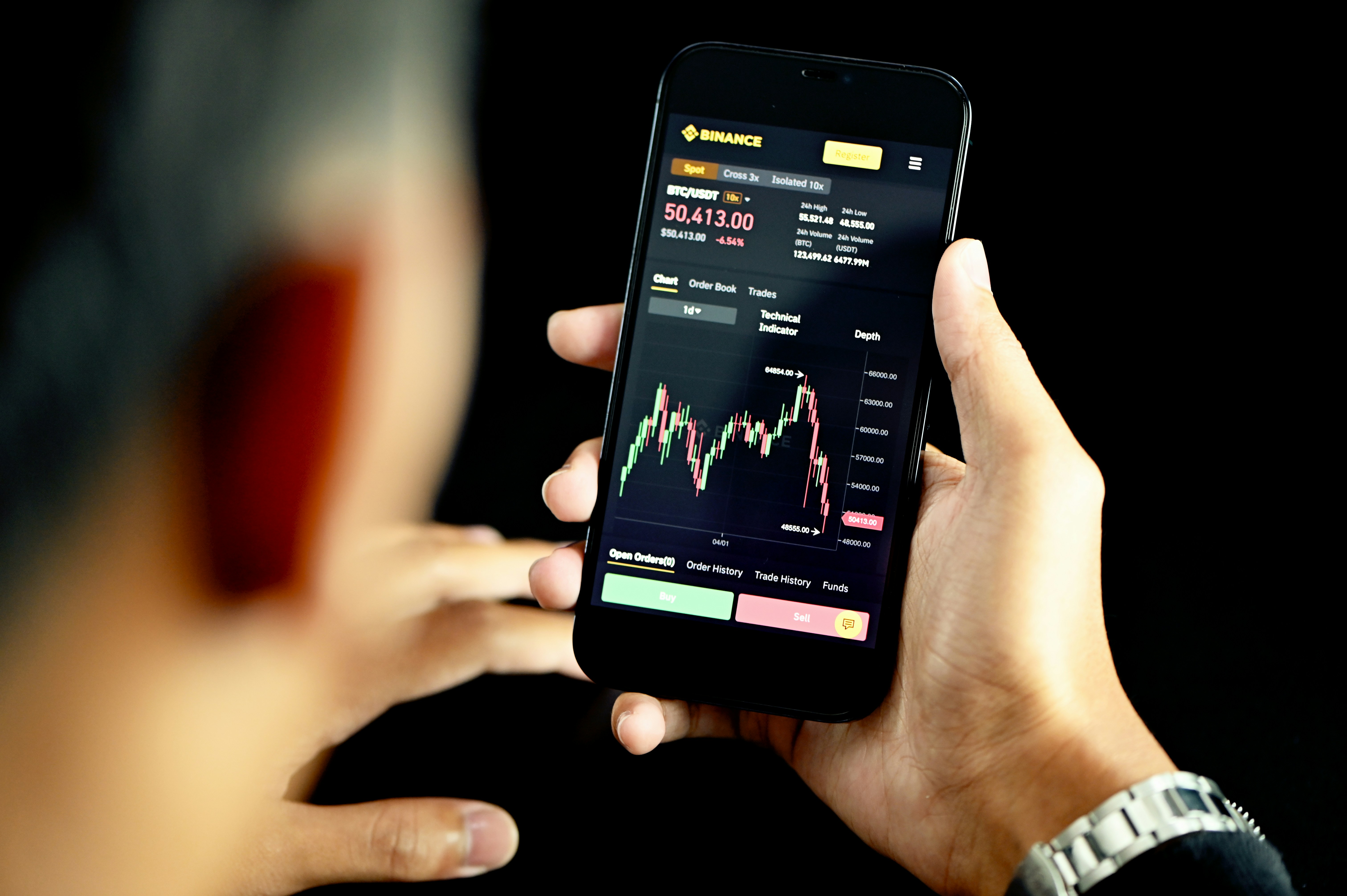
Once you understand that prediction markets price probability, the process becomes less about guessing and more about identifying mispricing and acting early. The mechanics are straightforward. The discipline required to execute them consistently is not.
Understand Implied Probability
Every price represents a probability. A contract trading at $0.60 implies a 60 percent chance. Your first job is to translate the price into probability and compare it to your own estimate. If you believe the true probability is meaningfully different, there may be an opportunity. Without that comparison, there is no edge.
Identify Market Inefficiencies
Opportunities tend to appear where the market is slow or biased. This often happens in:
Slow-moving narratives where information takes time to spread
Situations influenced by public bias or overreaction
Early-stage markets have lower liquidity and less efficient pricing
The goal is to find moments where price has not fully adjusted to new or underappreciated information.
Many traders toggle between platforms, losing seconds that matter when mispricing surfaces. Bullpen integrates prediction markets with tokens and perpetuals in a single interface, letting you act on the edge the moment you identify it, without switching tabs or rebuilding context. Speed compounds when execution removes friction rather than adds it.
Follow Information, Not Opinions
Prediction markets react to information, not conviction. That means tracking news catalysts that can shift probabilities, data releases that confirm or challenge expectations, and the market's response to new information. According to Four Pillars' definitive guide, prediction markets often produce signals that outperform polls and expert commentary. By the time something becomes a widely held opinion, it is usually already reflected in the price.
The challenge is distinguishing between legitimate information-based price movements and insider activity. Sudden, unexplained price surges in announcement-based markets often signal information you don't have access to. That's not inefficiency. That's asymmetry. Avoid betting on events where insider knowledge is likely, because the framework breaks down when non-public information drives prices before public announcement.
Manage Position Size and Exit Strategically
Even strong ideas carry uncertainty. Position sizing matters because outcomes are probabilistic rather than guaranteed. Avoid concentrating too much capital in a single trade, and think in terms of risk exposure rather than confidence. A series of smaller, disciplined positions is more sustainable than a few large, high-conviction bets.
You do not need to hold a position until the event resolves to make money. If the market moves in your favor and the probability shifts, you can exit early and lock in gains. On the other hand, if your edge disappears or new information changes the outlook, it is often better to exit rather than hold out of conviction. The process is straightforward in structure but difficult to execute.
But having a process only matters if you can act faster than the participants already monitoring the same signals you're watching.
The Real Edge: Speed, Information, and Execution
Your advantage doesn't come from predicting outcomes better than others. It comes from recognizing mispricing before the market corrects itself and acting while that window still exists. The faster you move from signal to execution, the more likely you are to capture value that disappears within minutes. Most participants arrive after that window closes, paying adjusted prices that reflect information everyone already knows.
Information Moves Faster Than Your Reaction Time
Election markets reprice within minutes of early state results or unexpected polling shifts. Traders monitoring primary sources, not social media summaries, position themselves before the broader discussion begins. By the time cable news covers the data or Twitter threads gain traction, the probability has already adjusted.
Prediction markets incorporate new public information within minutes to hours for high-interest events. Late participants buy at odds that reflect the updated consensus, not the mispricing that existed before.
The Information-Arbitrage Window
Economic data releases follow the same pattern. Markets tied to inflation reports, interest rate decisions, or GDP figures react almost immediately when official figures are released. Traders tracking release schedules and analyst expectations can position ahead of the announcement or execute within seconds of publication.
Those who wait for commentary or analysis enter after the narrative has formed and the price has moved. The opportunity isn't in knowing what the data will show. It's in acting before everyone else processes what it means.
Breaking News Compresses the Window Further
Geopolitical events, regulatory announcements, and court rulings create sudden shifts in probability that last only as long as it takes for the information to spread. Early traders monitoring primary sources, official channels, or direct feeds act before broader distribution.
According to McKinsey & Company's 2016 analysis of digital globalization, modern information flows reach global audiences almost instantly, compressing the time between signal and price adjustment to near zero in liquid markets.
The Friction of Information Delay
Most users operate on a delay.
They react to headlines rather than to primary sources.
They wait for confirmation instead of trusting early signals.
They enter after the price has already moved, paying for information that's already reflected in the market.
They're not trading mispricing.
They're accepting the market's updated view and hoping for further movement that may never come.
Platforms like Bullpen integrate prediction markets with real-time social feeds and unified execution across tokens and perpetuals, eliminating the friction of switching contexts when mispricing surfaces. Speed compounds when your interface removes the delay between recognizing the edge and capturing it, but execution tools only matter if you're monitoring the right signals in the first place.
The Difference Between Early and Late is Where Profit Lives
When you're early, you're buying probability before it's fully priced. When you're late, you're paying for information that's already reflected. That gap, between recognizing a signal and acting on it, determines whether you capture value or subsidize faster participants. The market doesn't reward being right. It rewards being right before the price adjusts to reflect it.
But speed and information only create an edge if the platform you're using doesn't slow you down when it matters most.
Related Reading
How Bullpen Helps You Trade Prediction Markets Smarter
This is where most traders fall behind. Not in ideas, but in execution and access to real signals.
By the time most users identify an opportunity, the market has already moved. Information is fragmented across platforms, signals are delayed, and execution takes too long. The result is consistently entering trades after the edge is gone.
Consolidated Access Removes Platform Friction
Switching between wallets, exchanges, and social feeds costs seconds that compound into missed opportunities. Bullpen integrates prediction markets like Polymarket alongside tokens and perpetuals in a unified interface, so you're not losing time moving between platforms when speed matters. You can monitor price movements, track social sentiment, and execute positions without rebuilding context or waiting for transfers to settle.
The advantage isn't just consolidation. It's visibility. You can follow top traders on X with verified PnLs, which changes how you interpret signals. Instead of guessing which opinions matter, you can see who is consistently profitable and how they're positioning in real time.
Real-Time Performance Tracking Replaces Guesswork
A live leaderboard shows who is actually performing, not just who is the most visible. When you get notified that a top performer opened a position, you have a chance to evaluate or act while the opportunity still exists, not after it's been priced in. That notification arrives before the broader market reacts, before Twitter threads form, before the price fully adjusts.
This directly addresses the core problems. Slow reaction time becomes real-time signal tracking. Guesswork is replaced with observable, data-backed behavior. Fragmented tools become a single execution layer that lets you act immediately.
Speed Compounds When Execution Removes Delay
In practical terms, the difference is timing. Instead of discovering a market move after it happens, you see when high-performing traders enter positions and can respond while there is still room for the market to adjust. Using real-time data in betting strategies improves decision quality by surfacing actionable insights before they become consensus. The same principle applies to prediction markets: early access to credible signals creates an edge that disappears once information spreads.
But having the tools only matters if you're willing to act when the window opens, not after everyone else already has.
Buy Crypto Today With Bullpen
If winning in prediction markets comes down to speed and information, the easiest way to improve your results is to see what top traders are doing in real time. Deposit on Bullpen to earn a 500-point bonus and start tracking live positions across markets. In your first session, you can follow verified traders, monitor active bets, and act faster without switching between platforms.
The difference between spotting an edge and capturing it often comes down to whether you have to rebuild context every time an opportunity surfaces. When you can see a profitable trader enter a position, check the current price, and execute in the same interface, you're removing the delay that turns good ideas into missed trades. That's not about being smarter. It's about being ready when the window opens.
Last Updated:
March 23, 2026