
Discover how prediction markets turn forecasts into assets. Learn about liquidity, pricing, and why traders use Bullpen to bet on elections, crypto, and more.
Ever wondered how traders are betting on everything from election outcomes to the next best Memecoins to explode? Prediction markets turn opinions into real money by allowing participants to buy and trade shares based on future events. This article breaks down exactly how prediction markets work, from pricing mechanisms and liquidity pools to the psychological factors that drive traders to stake real capital on their forecasts.
Understanding how prediction markets operate opens doors to smarter trading decisions, especially when you're ready to put your insights into action. Bullpen makes it simple to buy crypto and participate in these markets, giving you direct access to platforms where forecasting meets financial opportunity. Whether you're tracking political shifts or spotting emerging tokens, having the right entry point matters.
Summary
Prediction markets confuse newcomers because they appear to be betting platforms but function as financial markets where you trade probability contracts. These contracts shift continuously based on new information and trader sentiment, not just when an event resolves.
The price you pay determines everything in prediction markets, not whether your prediction proves accurate. A YES contract at $0.60 already reflects a 60 percent probability, so buying at that level only profits if you believe the true likelihood exceeds what the market has priced in.
Profit comes from trading probability shifts, not waiting for final outcomes. You buy when the market underprices an event's likelihood, then sell when other traders push the price higher as they recognize the same information. During major election cycles, Polymarket processed over $3.7 billion in trading volume, with traders buying and selling probability contracts multiple times before votes were counted.
Finding mispriced probabilities is harder than understanding market mechanics because information moves faster than most traders can process. Breaking news hits prediction markets within seconds, and by the time you finish reading a headline and decide how it affects probability, automated systems have already repriced the market.
Sentiment can override data for longer than logic suggests, creating a paradox where you correctly identify mispricing but watch the price move further against you as emotion intensifies. When compelling narratives take hold, prices detach from rational probability for days or weeks.
Bullpen addresses this by surfacing prediction markets alongside tokens and perpetuals in a single interface, so you spot correlation opportunities when a token pumps and a related prediction market hasn't adjusted yet.
Table of Contents
Why Prediction Markets Confuse Most New Users

Prediction markets confuse newcomers because they look like betting platforms but operate like financial markets. You're not placing a wager on an outcome. You're buying and selling probability contracts that shift in real time based on new information, trader sentiment, and market dynamics. The interface presents a simple binary choice: YES or NO. A question appears. Will Bitcoin hit $100,000 by year-end? Will a specific candidate win an election? Each side displays a price, usually between $0.01 and $0.99. You pick the outcome you believe is more likely, buy the contract, and wait.
The Pricing Mechanism: Why the Price is the Probability
That simplicity is deceptive. Most people treat it like a coin flip with better odds. They assume the goal is to guess correctly and cash out when the event resolves. But prediction markets don't reward correct guesses alone. They reward traders who recognize mispriced probabilities before the crowd does.
The Probability Problem Nobody Explains
When you see a YES contract priced at $0.65, that doesn't mean "65% chance of happening." It means the current market consensus values that outcome at 65 cents per dollar of potential payout. If the event happens, your $0.65 contract pays $1.00. If it doesn't, you lose your stake. The difference between those two interpretations matters. One frames the market as a prediction tool. The other reveals it as a trading venue where you profit by disagreeing with the current price, not just by being right about the final result.
The Efficient Market Hypothesis in Practice: Capturing the Information Premium
Traders who understand this distinction buy contracts they believe are undervalued and sell them when the price rises, long before the event resolves. They're not waiting for confirmation. They're capturing the spread between what the market thinks now and what they believe it will think later. According to Forbes' analysis of the sector, prediction markets processed about $44 billion in total trading volume across major platforms in 2025. That explosive growth brought millions of new participants who arrived expecting a betting experience but found something closer to options trading.
Why The Mental Model Breaks Down
The confusion deepens when prices move. You buy a YES contract at $0.40, expecting the probability to rise as new information emerges. Instead, the price drops to $0.30. Nothing about the underlying event changed. No news broke. The crowd simply shifted its sentiment based on fear, speculation, or a large trader exiting their position. Traditional betting doesn't work this way. You place a bet, the odds lock in, and you wait for the outcome. Prediction markets stay liquid. Prices fluctuate. Your position gains or loses value every minute, and you can exit anytime by selling your contract to another trader.
The Arithmetic of Accuracy: Risk Management and Capital Efficiency
That liquidity creates opportunity, but it also introduces risk that most newcomers don't anticipate. You can be right about the final outcome and still lose money if you bought at the peak and sold during a dip. You can be wrong about the event and still profit if you time your entry and exit well. Platforms like Bullpen streamline access to prediction markets alongside tokens and perpetuals, treating them as part of the same unified trading experience. Instead of navigating prediction markets as a standalone niche, you're trading probabilities in the same interface where you execute other onchain positions, with the same speed and visibility into what informed traders are doing.
The Timing Trap
New users often hold contracts until the event resolves, treating prediction markets like lottery tickets. They buy YES at $0.50, watch the price climb to $0.80, but refuse to sell because they want the full $1.00 payout. Then sentiment shifts. The price drops back to $0.60. They hold, convinced they're still right. The event resolves in their favor, and they net $0.50 profit per contract. A more experienced trader bought at $0.50, sold at $0.80, and walked away with $0.30 profit without waiting weeks for a resolution. They traded the probability, not the outcome. That's the shift most people miss. Prediction markets reward information edge and timing, not patience. The longer you hold, the more you're exposed to volatility you can't control. The faster you recognize mispricing and act, the more you capture value before the market corrects itself.
The Social Layer: Leveraging Collective Intelligence and Sentiment Signals
But recognizing when the crowd is wrong requires more than gut instinct. It requires watching how:
Top traders position themselves
Understanding which narratives move prices before they become consensus
That's where the social layer of trading comes into play. Performance is public. You can see:
Who's consistently profitable
What positions they're taking
How they're managing risk across multiple markets
The Belief Holding New Traders Back
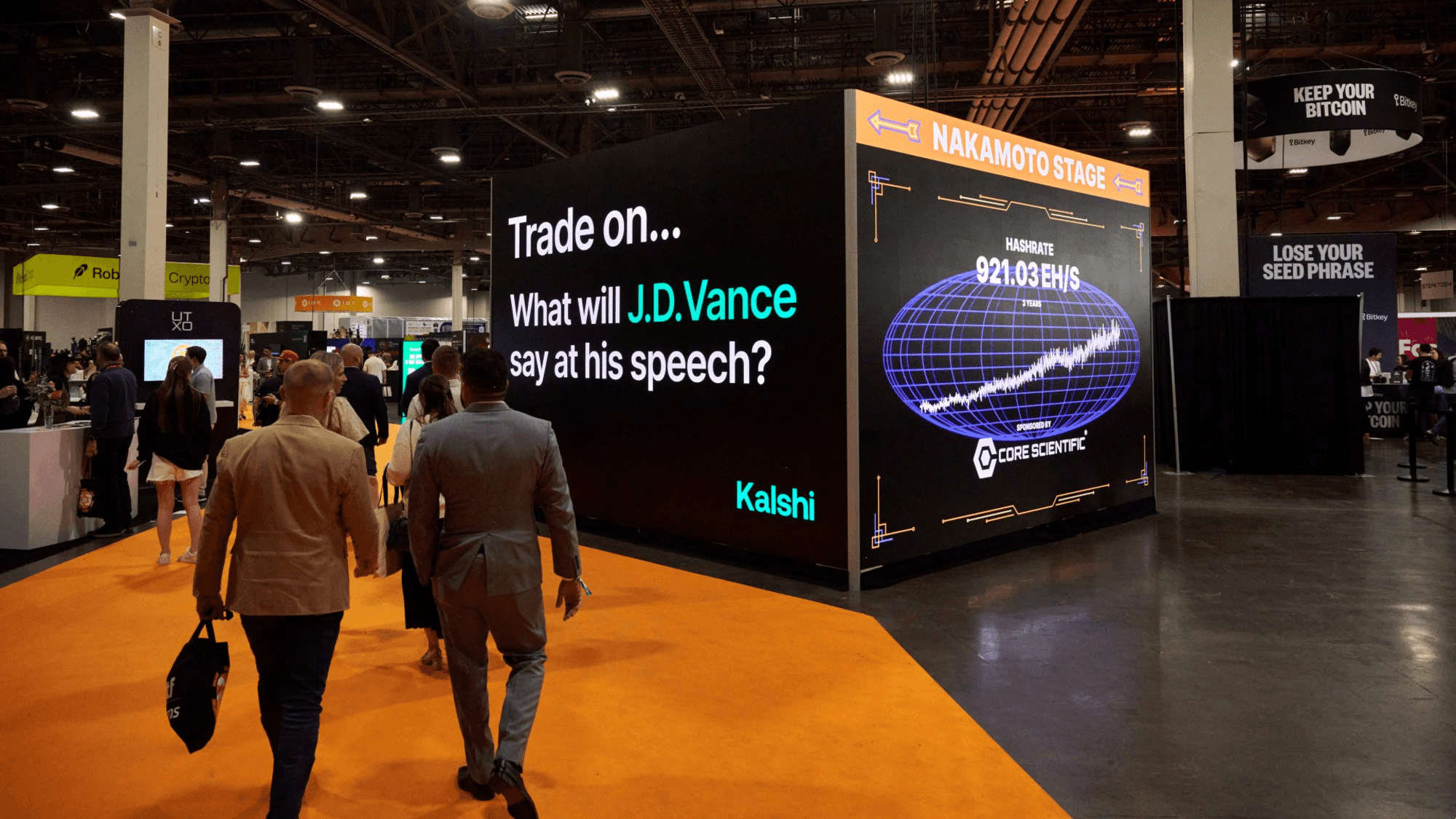
The instinct to buy YES when you believe an event will happen feels logical, but it ignores the only variable that determines profit: price. Prediction markets don't pay you for being right about outcomes. They pay you for recognizing when the market has mispriced the probability, then capturing the spread as other traders correct that error. This distinction separates profitable traders from everyone else who treats prediction markets like opinion polls with payouts.
The Price You Pay Determines Everything
A YES contract priced at $0.60 means you're paying 60 cents per dollar if the event occurs. The market has already priced in a 60 percent probability. If you buy at that level, you're not betting on the outcome. You're betting the true probability is higher than 60 percent and that the price will rise as more traders realize it. If the event has an 80 percent chance of happening but you bought it at $0.75, your edge is minimal. The market already reflected most of that likelihood. Even if you're right about the outcome, your profit caps at 25 cents per dollar invested. Meanwhile, someone who bought the same position at $0.40 earlier in the cycle captures 60 cents on the same correct prediction.
The Information Lifecycle: Trading Before the News is ‘Priced In’
Timing and entry price matter more than accuracy. You can correctly predict an election result, a regulatory decision, or a token price threshold and still lose money if you enter after the market already priced in that probability. The outcome was never in question. Your profit depended on whether you bought before or after the crowd caught on.
Why Correct Predictions Still Lose Money
New traders often watch a market move in their favor, then hold through volatility, expecting the full resolution value. They bought YES at $0.50, watched it climb to $0.85, but refused to sell because they wanted the $1.00 payout. Then a single headline shifts sentiment. The price drops to $0.60. They hold to the conviction that the fundamentals haven't changed. The event resolves as predicted, and they net $0.50 profit. A trader focused on probability pricing sold at $0.85 and walked away with a $0.35 profit per contract without waiting weeks for resolution. They weren't more right about the outcome. They were more right about when the market would recognize the mispricing.
The Accuracy Paradox: Why Being ‘Right’ Isn't Enough
According to OptionsHawk Market Outlook 2019, 90% of traders lose money, and the pattern holds across prediction markets for the same reason it holds in options trading. Most participants confuse directional accuracy with profitable positioning. They focus on what will happen, not on what the market currently believes will happen or how that belief will shift.
The Mispricing Window Closes Fast
Prediction markets reward information edge, not patience. The moment you recognize a mispriced probability, you're competing against other traders who see the same opportunity. The longer you wait to act, the more the price adjusts toward fair value. The faster you move, the more spread you capture before consensus forms. That speed advantage requires more than watching price charts. It requires understanding which information moves markets before it becomes public knowledge, tracking how top traders position themselves, and recognizing when volume spikes signal a shift in consensus. The social layer of trading matters because performance is visible. You can see who's consistently profitable, what positions they're holding, and how they're managing exposure across multiple events.
Information Finance: The Shift from Speculation to Social Consensus
Platforms like Bullpen treat prediction markets as part of a unified trading environment alongside token and perpetual positions. Instead of navigating prediction markets in isolation, you're trading probabilities alongside other onchain positions with the same execution speed and access to real-time intelligence about what informed traders are doing. Discovery happens through community insights, not isolated research. The belief that buying what you believe in leads to profit keeps most traders stuck in a pattern where they're right about outcomes but wrong about:
Timing
Entry price
Exit price
Related Reading
How Prediction Markets Actually Work

Prediction markets function through a continuous exchange of probability contracts. Participants buy and sell shares representing YES or NO outcomes for specific events. The price of each share reflects the market's collective estimate of that event's likelihood. As traders react to new information, sentiment shifts, or changing conditions, prices adjust in real time through the same supply-and-demand mechanics that drive any liquid market. The structure differs from fixed-odds betting because your position remains tradable until the event resolves. You can enter when you spot mispricing, exit when the crowd catches up, and never wait for final confirmation. The market operates as both a forecasting tool and a trading venue where profit comes from recognizing probability gaps before consensus forms.
Yes And No Shares Create The Probability Framework
Every prediction market question splits into two tradable positions. A YES share pays $1.00 if the event happens. A NO share pays $1.00 if it doesn't. The combined price of both sides always equals $1.00 because one outcome must occur. If YES trades at $0.65, NO trades at $0.35. You're not choosing which outcome feels more likely in some abstract sense. You're deciding whether the current price accurately reflects the true probability, then taking the opposite side if you believe the market is wrong.
Binary Incentives: The Psychology of the Forced Choice
This binary structure forces precision. You can't hedge by saying “maybe” or “probably.” You either buy the position, or you don't. That clarity creates efficiency because every trade represents a concrete belief about probability, not vague sentiment.
Prices Shift As Information Flows Through The Market
When new data emerges, traders adjust their positions. If a candidate performs well in a debate, YES shares for their election outcome rise as buyers flood the market. If economic data suggests a recession, shares tied to GDP growth targets fall as sellers exit their positions. These price movements happen continuously, not at scheduled intervals. The market doesn't wait for official announcements or expert analysis. It reacts the moment participants interpret information differently from what the current price suggests. That responsiveness makes:
Prediction markets are faster than polls
More granular than expert forecasts
More transparent than a backroom consensus
The Accuracy Edge: Prediction Markets vs. Traditional Polling
Kalshi's explanation of market mechanics describes how prediction markets generate market-implied probabilities through trading activity, capturing collective intelligence as participants put capital behind their beliefs. The aggregation happens automatically through price discovery, not through surveys or weighted averages.
Liquidity Determines How Fast You Can Move
Order matching connects buyers and sellers. When you place a buy order for YES shares at $0.60, the system searches for someone willing to sell at that price. If no match is found, your order remains in the order book until another trader accepts it or you adjust your price.
The Liquidity Paradox: Why the Fastest Fills Often Cost the Most
High liquidity means:
Tight bid-ask spreads
Fast execution
Minimal slippage
Low liquidity leads to:
Wider spreads
Slower fills
Greater price impact when large orders move the market
The difference matters because the edge evaporates quickly. If you spot mispricing but can't execute immediately, someone else captures the spread while you wait. Automated market makers provide liquidity when order books run thin, but they charge wider spreads in exchange for guaranteed execution. That tradeoff forces a decision: accept worse pricing for speed, or wait for better pricing and risk missing the move entirely.
The Resolution Process Locks In Final Outcomes
When the event concludes, the market resolves to either YES or NO based on predetermined criteria. If you hold YES shares and the event happens, each share converts to $1.00. If you hold NO shares, they expire worthless. The inverse applies if the event doesn't happen.
Oracles and the Arbitration Layer: How the ‘Truth’ is Verified
Resolution criteria are defined upfront to prevent disputes.
Who decides whether a regulatory approval occurred?
Which data source confirms a price threshold?
What timestamp matters for time-sensitive events?
Clear rules eliminate ambiguity, but edge cases still emerge. Some platforms use third-party oracles. Others rely on community consensus or manual review. The resolution window creates a final deadline for trading. Once the outcome becomes certain, prices converge toward $1.00 for the winning side and $0.00 for the losing side. Traders who waited until the last moment captured a minimal spread because the market was already priced in the result.
Trading Prediction Markets Inside Unified Platforms
Most traders navigate prediction markets through standalone platforms, switching contexts every time they move between:
Tokens
Perpetuals
Probability contracts
That fragmentation slows decision-making because you're constantly rebuilding mental models across different interfaces, execution systems, and liquidity pools. Bullpen treats prediction markets as part of the same trading environment where you execute all onchain positions. Instead of opening separate tabs and managing multiple accounts, you're trading probabilities alongside tokens and perpetuals from a unified interface with the same execution speed and access to real-time intelligence about what informed traders are doing. Discovery happens through community insights, not isolated research.
Social Trading vs. Copy Trading: The Collaborative Edge
Performance stays visible. You see who's profitable, what positions they're holding, and how they're managing exposure across multiple events. That transparency creates a social layer that accelerates learning because you're not guessing which strategies work. You're watching them play out in real time.
Related Reading
How Traders Profit from Prediction Markets

Profit comes from trading probability shifts, not waiting for outcomes. You buy when the market underprices an event's likelihood, then sell when other traders recognize the same information and push the price higher. The event itself might not resolve for weeks, but your position gains value the moment consensus catches up to what you already knew. The gap between the current market price and the true probability creates the opportunity. Closing that gap before the crowd does creates the profit.
Buying Contracts Below Their True Value
When a market prices an outcome at 40 percent but your analysis suggests 60 percent, you're not betting on the event. You're betting the market will correct its error. As new information surfaces or more traders recognize the mispricing, demand for YES shares increases, and the price climbs toward fair value.
The Time-Value of Conviction: Trading Implied Volatility vs. Realized Outcomes
You capture that movement. If the price rises from $0.40 to $0.55, you've locked in a $0.15 profit per share without waiting for the final resolution. The event might still be months away, but the market already paid you for being right about the probability, not the outcome. This approach mirrors how options traders profit from changes in volatility rather than from directional moves in the underlying asset. You're trading the market's perception of likelihood, which shifts faster and more frequently than actual events resolve.
Selling Overpriced Positions To Impatient Buyers
The inverse strategy targets markets where sentiment has pushed prices beyond rational probability. If YES shares trade at $0.80 but your analysis suggests the true likelihood sits closer to 50 percent, you sell to buyers willing to overpay for confidence.
Sentiment Cycles: Trading the Gap Between Hype and Reality
Media narratives drive this mispricing. A candidate surges in polls, and prediction markets overshoot as traders pile into YES positions expecting momentum to continue. Political prediction markets routinely exhibit this pattern during debate cycles or breaking news events. The price reflects emotion more than probability, creating opportunities for traders who recognize when the crowd has overreacted. You're not hoping the event fails. You're waiting for the market to calm down and reprice rationally. When it does, you buy back your position at a lower price or let it expire worthless if the outcome doesn't materialize. Either way, you've captured the spread between panic pricing and fair value.
Capturing Spreads Before Resolution
Most profitable traders never hold positions until events resolve. They enter when they spot mispricing, exit when the market corrects, and move capital to the next opportunity. A single event might generate three or four profitable trades as the probability estimate swings with each new data point.
The Volume Signal: Distinguishing Between Hype and High-Conviction Liquidity
During major election cycles, Polymarket processed over $3.7 billion in trading volume as traders bought and sold probability contracts based on:
Polling data
Debate performance
Campaign developments
That volume wasn't people placing bets and waiting. It was active trading of probability shifts, with positions changing hands multiple times before votes were counted.
Velocity of Information: The High-Speed Battle for Alpha
The pattern repeats across every high-stakes event. Traders profit from movement, not patience. The longer you hold, the more you're exposed to volatility you can't control. The faster you recognize when the market has mispriced probability and act on it, the more spread you capture before others notice the same opportunity.
Finding Inconsistencies Across Related Events
Some traders construct positions across multiple markets that price related outcomes. If two events are logically connected but the market prices them as independent, you can lock in guaranteed profit regardless of which outcome occurs. For example, if Market A prices a regulatory approval at 70 percent and Market B prices a related company's stock movement at 40 percent, but those two events are directly correlated, you can buy the underpriced side and sell the overpriced side. When the market eventually reconciles the inconsistency, you profit from the convergence.
Cross-Market Correlation: Arbitrage and the Interconnected Narrative
This requires deeper analysis than single-market trading. You're not just evaluating one probability estimate. You're mapping relationships between events and identifying where the crowd has mispriced those relationships. It's slower to execute but offers more consistent returns because you're not dependent on a single prediction being correct.
Why Edge Matters More Than Accuracy
The frustrating reality is that being right about outcomes doesn't guarantee profit. You can correctly predict an election result, a policy decision, or a price threshold and still lose money if you enter after the market already reflects that probability. Profitable trading requires recognizing mispricing before the crowd does. That edge comes from better information, faster interpretation, or access to insights that haven't yet moved the market. It's not about knowing more than everyone else about the underlying event. It's about knowing what the market currently believes and spotting when that belief is wrong.
Cognitive Load and the Cost of Context Switching
Platforms that fragment prediction markets from other trading activity slow this process down. You're switching contexts, rebuilding mental models, and losing time while the mispricing window closes. Bullpen treats prediction markets as part of the same unified trading environment where you execute token and perpetual positions. Instead of navigating multiple platforms, you're trading probabilities alongside other onchain positions with the same execution speed and visibility into what informed traders are doing. Discovery happens through watching performance, not researching in isolation.
Social Learning Theory: The Cognitive Fast-Track to Trading Mastery
Performance transparency accelerates learning. You see who's consistently profitable, what positions they're holding, and how they're managing exposure across multiple events. That social layer compresses the time it takes to recognize patterns because you're not guessing which strategies work. You're watching them execute in real time.
The Real Challenge: Finding Mispriced Markets

Spotting mispriced probabilities is harder than understanding market mechanics. Most traders grasp how prediction markets function within hours. The difficult part is identifying when the crowd's consensus is genuinely wrong, then acting before that error corrects itself. That skill separates consistent profit from occasional luck. Several forces make mispricing difficult to detect and even harder to exploit consistently.
News Moves Faster Than Most Traders Can Process
Breaking information hits prediction markets within seconds. A candidate announces a running mate. Economic data releases early. A regulatory body tweets an update. Prices shift immediately as the fastest traders absorb the news and adjust their positions. If you're relying on push notifications or checking markets every few minutes, you're already behind. The traders who moved first captured the spread. By the time you see the headline and decide how it affects probability, the market has already repriced. You're buying into consensus, not ahead of it.
The Arms Race: Human Intuition vs. Algorithmic Latency
The window between information release and price correction keeps shrinking. Automated trading systems monitor:
News feeds
Social sentiment
Onchain data simultaneously
Human reaction time can't compete with algorithms that parse headlines and execute trades in milliseconds. That speed gap means opportunities flash and disappear before most people finish reading the article.
Different Traders See Different Information At Different Times
Professional traders stack advantages through infrastructure. They monitor multiple news sources, track shifts in social media sentiment, watch onchain transaction flows, and cross-reference polling data across platforms. Retail participants typically rely on whatever appears in their feed or the markets they happen to check.
The Alpha of Information Asymmetry: Capitalizing on the Timing Gap
That information asymmetry creates timing gaps. Someone tracking campaign finance disclosures might spot a funding shift days before it becomes public knowledge. Someone monitoring whale wallet movements might recognize accumulation patterns before price action reflects that positioning. These edges compound because early information allows earlier positioning, which generates profit that funds better information tools. The gap isn't about intelligence. It's about access and speed. Two traders can reach the same conclusion about probability, but the one who gets there first captures the mispricing. The one who arrives second buys into a market that is already adjusted.
Sentiment Overrides Data For Longer Than Logic Suggests
Prediction markets aggregate beliefs, not just analysis. When a compelling narrative takes hold, prices can stay detached from rational probability for days or weeks. A candidate's debate performance generates momentum. A token's community pushes optimistic forecasts. Fear of missing out drives buyers into overpriced positions they wouldn't touch if they calculated expected value.
Risk Management and the Math of Survival: Navigating the ‘Right but Early’ Trap
This creates a paradox. You can correctly identify that the market is wrong, enter the position, and watch the price move further against you as sentiment intensifies. Your analysis was sound. Your timing was early. But the crowd wasn't ready to agree yet, and in liquid markets, the crowd sets the price until enough participants shift their view. Waiting out sentiment-driven mispricing requires capital and patience. If you're using leverage or trading with funds you need elsewhere, you might be forced to exit before the market corrects. Being right eventually doesn't help if you can't survive being wrong in the meantime.
Liquidity Swings Amplify Volatility Unpredictably
Markets with thin liquidity experience sharp price movements from relatively small trades. A single large buy order can push YES shares from $0.50 to $0.65 in seconds, not because new information emerged, but because there weren't enough sellers at intermediate prices. Then another trader exits their position, and the price crashes back to $0.52.
Order Flow Interpretation: Decoding the Battle Between Intent and Execution
That volatility makes it difficult to distinguish between genuine probability shifts and temporary liquidity gaps. Is the price moving because informed traders recognized something the market missed, or because someone needed to exit quickly and took whatever available bid? Without knowing order flow and participant behavior, you're guessing. High liquidity smooths these swings but introduces different challenges. Popular markets attract more sophisticated participants who spot mispricing faster. The competition for the edge intensifies. You're no longer trading against casual participants making emotional decisions. You're competing with traders who have:
Better tools
Faster execution
More experience recognizing the same patterns you're trying to exploit
The Real Difficulty Isn't Mechanics, It's Edge
Most people who struggle with prediction markets don't lack understanding. They know how probability pricing works. They grasp the concept of buying low and selling high. They recognize that timing matters more than the accuracy of outcomes. What they lack is consistent access to mispriced opportunities before those opportunities disappear. That requires seeing what others haven't seen yet, interpreting information faster than consensus forms, and executing before the window closes. The challenge isn't intellectual. It's operational.
Cognitive Bandwidth and the ‘Execution Tax’ of Fragmented Trading
Traders who fragment their activity across multiple platforms slow themselves down. They're switching contexts, rebuilding mental models, and losing seconds while the mispricing window narrows. Platforms like Bullpen compress that friction by treating prediction markets as part of the same unified trading environment where you execute token and perpetual positions. Instead of navigating separate interfaces, you're trading probabilities alongside other onchain positions, with the same execution speed and real-time visibility into what informed traders are doing.
Observational Learning: The Cognitive Fast-Track to Mastery
Performance transparency changes discovery. You're not researching in isolation, hoping your analysis is correct. You're watching:
Who's consistently profitable
What positions they're taking
How they're managing exposure across multiple events
That social layer reveals patterns faster because you're learning from execution, not theory.
Related Reading
How Bullpen Helps Traders Discover Prediction Market Opportunities

Finding mispriced probabilities requires scanning dozens of active markets, tracking price movements across multiple platforms, and recognizing when sentiment diverges from reality. That workload compounds when you're also monitoring token positions and perpetual contracts. Most traders either miss opportunities because they can't watch everything simultaneously, or they burn hours manually checking markets that never move. The bottleneck isn't analysis. It's attention allocation.
Unified Visibility Across Trading Products
When prediction markets exist in isolation from your other positions, you're constantly switching contexts. You check token charts, flip to a perpetual dashboard, then open a separate tab for prediction markets. By the time you've cycled through all three, the probability shift you spotted ten minutes ago already closed.
Cross-Asset Arbitrage: Capitalizing on the Discovery Lag
Platforms like Bullpen eliminate that fragmentation by surfacing prediction markets alongside tokens and perpetuals in a single interface. You're not navigating separate platforms or rebuilding mental models every time you switch asset classes. You see everything that matters in one view, which means you spot correlation opportunities faster. When a token pump and a related prediction market haven't adjusted yet, you catch the lag in real time instead of discovering it after the spread disappears. That compression matters because mispricing windows close in minutes, not hours. The trader who sees the opportunity first captures the value. Everyone else buys into the consensus.
Tracking Probability Momentum Before Consensus Forms
Price changes tell you what happened. Velocity tells you what's about to happen. When a YES contract moves from $0.45 to $0.52 in thirty minutes while volume doubles, that's not random noise. That's informed capital entering before the crowd notices. Watching these shifts manually across fifty active markets is impossible. You need systems that automatically surface momentum spikes, flagging markets where probability estimates are moving faster than baseline activity suggests. That filtering separates the signal from the constant background churn of small position adjustments and liquidity noise.
Market Cycles and the Anatomy of the Accumulation Phase
The pattern repeats across every major event cycle. Early movers recognize information gaps, enter positions, and generate momentum that eventually pulls in consensus. If you're watching the right indicators, you see that the accumulation phase is still there, while there's still spread to capture. If you're checking markets at random, you arrive after the move has already happened.
Learning From Performance, Not Theory
Most traders research prediction markets by reading explainers, studying probability theory, and building conviction in isolation. That approach takes weeks to generate actionable insight because you're guessing which strategies actually work in live conditions. Performance visibility changes that timeline. When you can see which traders consistently profit, what positions they're holding, and how they manage exposure across correlated events, you're learning from execution instead of speculation. You're not trying to reverse-engineer profitable patterns from blog posts. You're watching them play out with real capital at risk.
The Architecture of a Trading Feedback Loop
According to the OptionsHawk Market Outlook 2019, 90% of traders lose money because they repeat the same mistakes without feedback loops that show them what actually works. Social trading layers compress that learning curve by making performance transparent. You see who's profitable, study their timing, and recognize patterns you wouldn't have discovered through isolated research.
Surfacing Events Gaining Attention Early
The most profitable trades happen when new markets launch or dormant events suddenly attract volume. A regulatory hearing gets scheduled. A token approaches a psychological price threshold. An election narrative shifts after breaking news. These moments create temporary inefficiencies as the first wave of traders rushes in before the market stabilizes.
Quantifying the Attention Economy
Catching these surges requires monitoring not just price, but attention.
Which markets are seeing unusual volume spikes?
Where are comment threads suddenly active?
What events are top performers adding to their portfolios?
That metadata reveals where opportunity is forming before prices fully adjust. Manual discovery can't scale to that level of coverage. You need systems that aggregate attention signals across markets and surface the ones worth investigating. Otherwise, you're either watching everything and burning focus, or you're watching a handful of markets and missing the events that actually moved.
Identifying Sentiment Divergence From Fundamentals
Prediction markets price both information and emotion. When a compelling narrative takes hold, prices can detach from rational probability for days. A candidate's debate performance generates momentum that pushes YES shares to $0.85, even though polling data suggests 60 percent is more accurate. Fear of missing out drives buyers into overpriced positions they wouldn't touch if they calculated expected value. These divergences create two opportunities. You can fade the crowd by selling overpriced positions, or you can wait for the correction and buy when panic pushes prices too low. Both strategies require recognizing when sentiment has overshot fundamentals, which means comparing market prices against external data sources that most traders aren't monitoring.
Information Aggregation & The “Mispricing Edge”
Platforms that aggregate multiple information streams make that comparison faster. You're not manually cross-referencing:
Polling averages
Onchain metrics
Social sentiment
You're seeing where those signals conflict with current pricing, which narrows your search to markets most likely mispriced. The challenge isn't finding prediction markets. It's finding the ones where you have an edge before that edge disappears.
Buy Crypto Today with Bullpen
If you want to trade prediction markets more strategically, Bullpen helps you identify markets where probabilities may be mispriced. Instead of scanning hundreds of events manually, you can focus on the opportunities most likely to move. You're trading probabilities alongside tokens and perpetuals from the same interface, with the same execution speed and visibility into what informed traders are doing.
The Psychology of Social Trading & Mirroring
You see:
Who's consistently profitable
What positions they're holding
How they're managing exposure across multiple events
That transparency compresses the learning curve because you're watching strategies execute in real time rather than guessing which approaches work. The social layer reveals patterns faster than isolated research ever could.
Last Updated:
March 23, 2026