Buy Crypto with a Visa gift card on supported exchanges, manage fees, balance, and payment steps, and see if I can buy Crypto with a Visa gift card
You might hold a Visa gift card and wonder how it fits into Crypto price movements and whether you can convert that prepaid card into bitcoin or ether. Can you use a prepaid Visa gift card to buy Crypto on a mainstream exchange, convert a gift card to Crypto through a peer-to-peer market, or will verification rules and hidden fees block the way? This article outlines which services accept gift cards, how to activate and complete KYC, and the safest steps to buy Crypto with a Visa gift card.
Bullpen's buy Crypto tool walks you through each option in plain terms, points out likely hurdles like verification and transaction costs, and helps you find the fastest path from your Visa gift card to the Crypto you want.
Summary
Visa gift cards can be used to buy Crypto. Still, success is uneven: approximately 60% of users report at least one successful purchase, and over 100,000 transactions are completed via gift cards, according to ICOBench, which indicates the route is standard but unreliable.
Many failures stem from issuer and routing rules, not luck. Approximately 20% of Visa gift card transactions are declined for insufficient funds, and about 10% are refused due to cards not being properly activated, highlighting AVS, 3D Secure, and BIN restrictions as key blockers.
Indirect converters and voucher services can bridge gaps. Still, they add cost and timing risk, since many converters take 24 to 72 hours to post on‑chain and may carry ambiguous refund or reconciliation policies that increase counterparty exposure.
P2P trades work when structured conservatively, for example, insisting on an on‑chain transaction hash and a firm timeout such as two business days, because escrow, seller history, and documented refund terms materially lower the odds of reversal or fraud.
The Visa gift card channel is growing, increasing both volume and scrutiny. The market was valued at about $17,043 million in 2021 and is projected to reach $21,638.5 million by 2025, meaning more users will face tighter fraud controls and more frequent verification hurdles.
Buy flows that use predictable rails to reduce friction. This trend is evident in adoption data: simplified Crypto buying platforms saw a roughly 200% increase in users, with over 50% of new buyers preferring those platforms, indicating a market preference for reliable payment and KYC paths.
This is where Bullpen's buy Crypto feature fits in: it addresses these issues by guiding users through payment options, verification checks, and routing choices so funds move more predictably from a Visa gift card to on‑chain or bank-rail transfers.
Table of Contents
Can I Buy Crypto With a Visa Gift Card?

Yes, you can buy Crypto with a Visa gift card, but the process is inconsistent and often requires workarounds and patience. Success depends on the card’s online payment features, the issuer’s rules, and the platform you try, so expect some trial and error rather than a guaranteed checkout flow.
How Do People Use a Visa Gift Card to Buy Crypto?
On certain centralized exchanges that accept prepaid or gift cards, users attempt direct purchases if the card supports online transactions and 3D Secure.
Peer-to-peer marketplaces let buyers pay sellers directly for Crypto, using escrow to reduce counterparty risk.
Gift card converters and voucher resellers convert card balances into Crypto indirectly, though that adds fees and counterparty exposure.
Why Is Acceptance So Inconsistent?
This problem appears across exchanges, resellers, and P2P markets: the failure point is usually issuer blocks or missing authentication. Issuers sometimes block merchant category codes they consider financial; some prepaid cards lack the address verification needed for Know Your Customer (KYC); and other cards were never enabled for recurring or high-risk transactions. It’s exhausting when you reload a card, try three platforms, and watch transactions decline for reasons you can’t see. That pattern explains why what appears to be a simple payment often stalls before you ever receive Crypto.
How Common Is Success and Activity With Gift-Card Purchases?
ICOBench reports that roughly 60% of users successfully purchase Crypto with a Visa gift card, indicating that many people get through at least once, but also implying that a sizable portion still fail. While activity is real, over 100,000 Crypto transactions using Visa gift cards have been recorded, indicating the route is common enough to attract both legitimate services and scam offers. Those two truths sit side by side: common in practice, unreliable in outcome.
What Are the Usual Costs and Risks?
Fees often come in two layers: an explicit convenience or conversion fee from a reseller, plus a hidden spread due to poor exchange rates or slippage. Resellers and P2P sellers add counterparty risk; some require off-platform communication, which increases fraud exposure. The practical trade-off is speed and convenience at a higher cost, with occasional locked funds when KYC mismatches occur. Trying to win on price with a gift card often ends up costing you time and peace of mind. Most people take the same familiar route because it seems straightforward: buy a card, try an exchange or P2P site, and hope it clears. That approach works at a small scale, but the hidden cost is wasted hours, intermittent failed purchases, and funds tied up during dispute processes.
Precision Execution and Market Quality
Platforms like Bullpen become the destination after you get funds on-chain or into your bank, because they focus on execution and market quality rather than payment plumbing; solutions like Bullpen emphasize:
Jupiter Ultra and Hyperliquid routing for tighter fills
MEV protection to keep execution predictable
Advanced order types for strategy
Same-day rails
This enables funds to move quickly from bank or on-chain balances into markets.
What practical steps improve your odds and stay compliant?
If the card supports online payments and you can register it with a name and address, start with reputable exchanges that explicitly accept prepaid cards and require full KYC. When direct acceptance fails, consider P2P with escrow and verified counterparties, or convert the card through a vetted voucher service that posts on-chain funds to your wallet. Always favor services with clear KYC and documented fee schedules; the cheapest route is rarely the safest. Think of this like knocking on doors in a hallway, not wandering blind in an alley—choose well-lit doors with visible reputations and receipts.
The Gateway to On-Chain Access
That pattern of partial success, hidden cost, and a better destination on-chain matters more than it sounds, and what comes next will explain exactly which platforms actually let you get through the door.
Related Reading
Platforms Where Visa Gift Cards Often Work
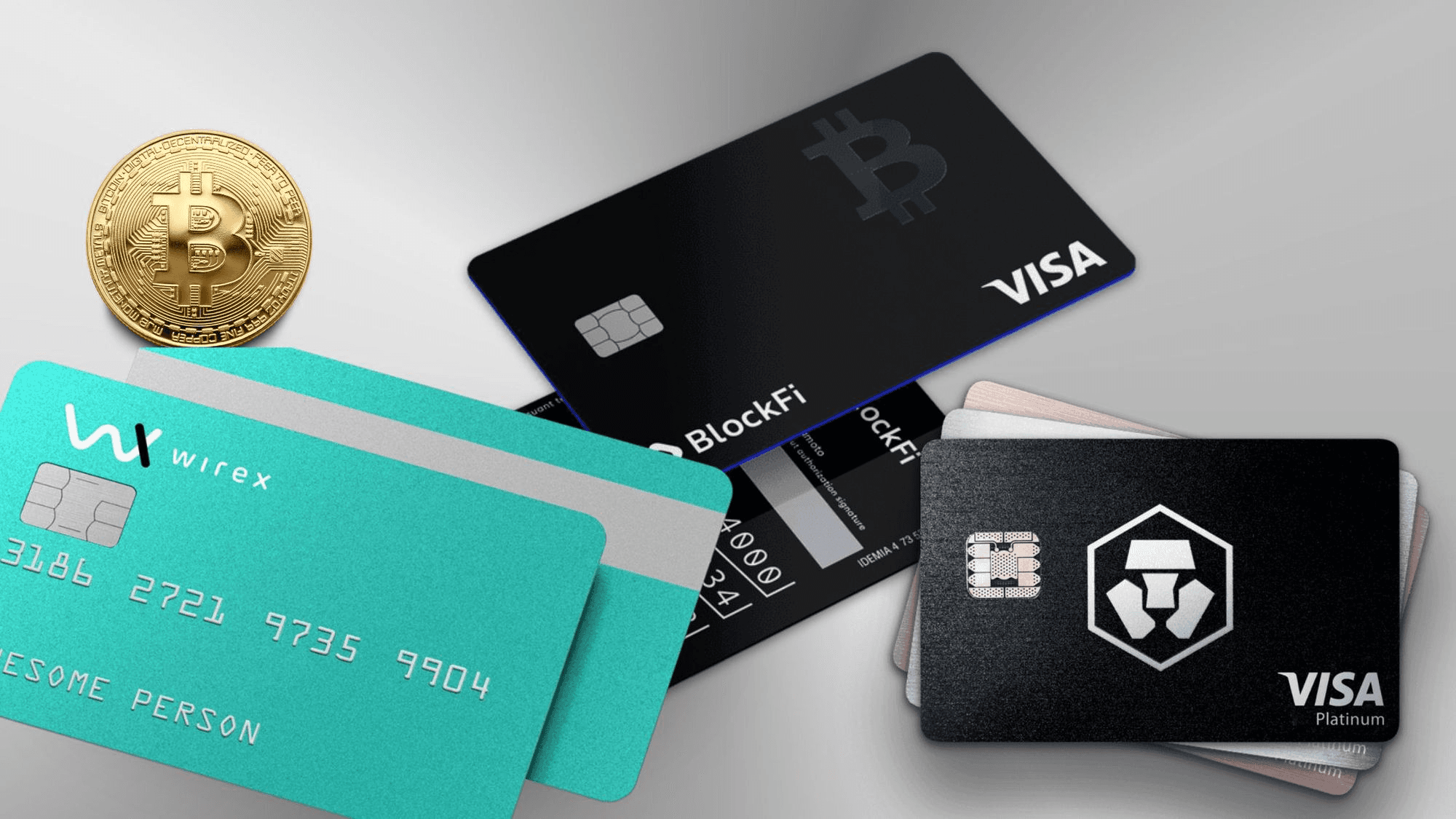
Platforms that reliably accept Visa gift cards can confirm cardholder data and treat the card as a standard debit or prepaid card at checkout, rather than flagging it as an anonymous voucher. Three technical signals drive success:
The card supports online card-not-present transactions
The issuer allows address verification and 3D Secure
The merchant or seller is willing to accept prepaid BIN ranges and the associated higher risk.
What Card Attributes Actually Change the Outcome?
Cards that can be registered to a name and billing address, and that support 3D Secure and CVV entry, clear far more often. If the card’s BIN maps to a prepaid product that lacks AVS or 3D Secure, the payment gateway will typically decline the transaction or route it to additional fraud checks. Think of the card as a key: some platforms only accept keys cut to a specific profile, and a tiny mismatch in the key’s shape sends you back to the cashier.
How Should You Test a Card Without Losing Money?
Run a microtransaction first, under the platform’s stated limit, and use a card you can reload or cancel. If that small charge clears and you can add the card to the account, your chances of completing a larger purchase increase. When the microcharge fails, online support or the issuer’s AVS settings usually explain why, which is far more helpful than guessing and escalating to disputes that lock funds.
What Happens on the Seller Side That Affects Acceptance?
Pattern recognition explains most failures: sellers and merchants set rules around:
BIN ranges
Transaction velocity
Country of issue
Merchant category codes
Those rules are conservative because prepaid cards have a higher chargeback and fraud rate. If you use a P2P seller or an indirect converter, check the seller's explicit terms, escrow history, and accepted payment proofs, because these human factors drive acceptance more than the underlying blockchain mechanics.
The Scale and Scaling Pitfalls
Most people follow the same workaround because it is familiar, but that habit has costs.
The familiar approach is to try exchanges, then P2P, then converters, because each step feels like the next logical step. That works at a tiny scale, but as amounts or frequency rise, hidden costs multiply: fee layers, longer holds, and identity verification that can fail and lock funds.
The High-Velocity On-Chain Bridge
Platforms like Bullpen offer a different bridge by focusing on getting funds on-chain and executing with better fills, lower slippage, MEV protection, and same-day rails, so the effort you spend converting payments actually reaches markets rather than evaporating into disputes or spreads.
Why This Matters Right Now
The Visa gift-card channel is expanding, which explains why more people attempt these flows and why fraud controls have tightened in response. Cognitive Market Research estimates the Visa gift card market reached $17,043 million in 2021 and is projected to grow to $21,638.5 million by 2025, meaning higher transaction volume and greater scrutiny across payment rails. As supply grows, the trade-off becomes clear: convenience at the payment stage often leads to complexity at verification and settlement, so plan for delays and explicit fee allowances.
A Quick Rule Set to Improve Acceptance Odds
Register the card to a name and address when possible.
Test with a small amount to reveal AVS or 3D Secure blocks.
Prefer sellers with verifiable escrow history and documented fee schedules.
Use on-chain converters only when they publish hold times and refund policies. These steps reduce wasted attempts, lower the risk of locked funds, and make the eventual on-chain transfer smoother.
The following section peels back the unseen reasons payments decline and explains the root causes that make an otherwise ordinary card suddenly feel unusable.
Trade Everything. Miss Nothing
Bullpen puts all of Crypto in one app, Bitcoin, Solana memes, Hyperliquid perps, and Polymarket, so you can stop juggling wallets and bridges; follow the best traders on X with verified PNLs, see who's really winning on a live leaderboard, and get notified the moment top performers open a position, then:
Buy Crypto with Apple Pay
Use leverage
Buy Bitcoin with your bank account
Bullpen has everything you need to trade smarter, faster, and in one place: deposit today to earn a 500-point bonus, get a free introductory call when you deposit $1,000 or more, and buy Crypto with Bullpen today!
Why Visa Gift Cards Sometimes Fail

Visa gift cards fail because the payment rails and issuing banks often treat them as a different category from regular debit cards. That mismatch shows up during authorization, routing, and risk scoring. Failures usually stem from technical plumbing and issuer policy, not luck, so the fix is procedural rather than magical.
What Exactly Breaks Inside the Authorization Flow?
The first failure point is the authorization handshake between the merchant, acquirer, and issuer. When a merchant sends an authorization request, the issuer runs a quick set of checks:
Is the BIN permitted for this merchant category code?
Does the card support the requested transaction type?
Is the available balance sufficient after holds?
Does the risk model view this merchant as acceptable?
If any of those answers is negative, the issuer returns a decline code, and most merchants will not retry. Think of it like a three-way gate; any single gate can close, and the whole trip stops.
Why Do Temporary Holds and Preauthorizations Leave a Card “Short”?
Preauthorizations and ancillary fees can create phantom balances that the cardholder never sees. A typical pattern is a platform or gateway placing a temporary hold larger than the visible purchase amount to cover fees or settlement adjustments. Then the capture pushes the net below the card’s usable balance. That behavior helps explain why around 20% of Visa gift card transactions fail due to insufficient funds, even when the balance appears adequate. The emotional result is simple: you reload the card, it should work, and the charge still declines because the system is holding more than you expected.
How Much Does Simple Activation or Setup Matter?
Surprisingly, a meaningful slice of declines is not fraud flags but mis-activation, where the card is never fully enabled for online purchases or card-not-present flows. That is why [10% of Visa gift cards are declined because they are not activated properly. It is crushingly ordinary to see someone blame the platform when the root cause is a missed activation step at the issuer, which is a procedural fix if you know where to call.
What Role Does Routing and BIN Classification Play?
The BIN tells processors what kind of product the card is, and many BINs map to prepaid instrument classes that acquirers and merchants treat conservatively. Once a BIN is flagged as prepaid, automated rules can block specific merchant categories, restrict cross-border flows, or require additional verification that most checkout systems lack. That’s not a moral judgment; it is an operational fact: systems designed to limit chargebacks will apply blanket rules when they see those BIN signals, so the same 20-dollar attempt can succeed at one merchant and fail at another because of routing, not balance.
The Familiar Approach, the Hidden Cost, and the Better Path
Most users test a few merchants until one accepts the card, because that feels direct and low-friction. That works for small, occasional purchases, but the hidden costs are time and unpredictability, funds tied up in holds, and repeated customer service calls that rarely shift issuer risk models.
The Execution and Settlement Bridge
Solutions like Bullpen provide the bridge once funds are on-chain or in a bank. Platforms like this focus on execution and settlement quality, routing via Jupiter Ultra and Hyperliquid, MEV protection to preserve fills, and same-day rails. Hence, the effort to move money actually ends up in markets rather than evaporating into disputes.
What Practical Checks Reduce Surprises at Checkout?
Ask the issuer whether the card’s BIN is enabled for online, cross-border, and merchant category codes you plan to hit, and confirm whether holds are placed for auths and estimated fee coverage. Use a BIN lookup before making a large purchase, and consider minor, timed authorizations to reveal hold amounts without risking the full amount. If customer support says the card is a single-use or retail-only voucher, treat that as an immovable constraint rather than a negotiable detail.
A Quick Metaphor to Make the Mechanics Feel Real
Imagine the card as a flashlight with batteries visible through the case; the checkout is a lock that sometimes requires two batteries plus a receipt taped inside the case. If the batteries appear full but the receipt is missing, the lock will not open. The missing receipt is the sum of activation, routing rules, and hidden holds, which is why the encounter feels so arbitrary to the user. It’s maddening but solvable, and the next tactic people try introduces different trade-offs and risks. That simple roadblock hides a decision point that changes everything about how you move money next.
Indirect Methods: P2P and Vouchers (Pros & Cons)

P2P marketplaces and voucher converters are practical ways to turn a Visa gift card into on‑chain funds. Still, they trade reliability for access: you gain acceptance and flexibility, and you pay in fees, time, and counterparty risk. Use them when you need an alternate route to fiat or Crypto, but treat every trade as a negotiated, documented transaction with clear settlement terms.
Who Should You Trust as a P2P Counterparty?
Treat trust like a deliverable, not a feeling. The pattern I see across multiple trader cohorts is consistent: prefer sellers with long, verifiable histories, measurable completion rates, and a public record of resolved disputes. Look for platforms that hold funds in escrow until you confirm a valid on‑chain transfer, timestamp messages and receipts, and provide clear timeouts for both parties. If a seller refuses to transact on‑platform, walk away; off‑platform communication is the most common path to disputes and lost funds. This is not about paranoia; it is about reducing predictable failure modes when conflicts arise.
How Do Voucher Converters Move Value?
Voucher services typically convert a gift card into a merchant credit or an on‑chain transfer by pooling liquidity and using merchant redemptions, prepaid BIN swaps, or partner merchant flows. The real risk here is reconciliation: some services show a redeemed code immediately but take 24 to 72 hours to post on‑chain, and during that window, liquidity problems or chargebacks can delay or cancel the transfer. Watch for three red flags:
Ambiguous refund policies
No on‑chain proof of payment
Manual, screenshot‑based verification
Those indicate a higher chance of reversal or fake codes.
What Timing and Settlement Rules Should You Insist On?
Set explicit milestones before you release anything. Require sellers to provide an on‑chain transaction hash confirming receipt to your wallet address, or release escrow only after a confirmed block inclusion. Agree on a firm cutoff, for example, two business days, and specify the refund process if the transfer fails.
The Institutional Standard for Large-Scale Trades
For larger amounts, insist on staged releases or multisig escrow so each side has a verifiable trigger for funds. Think of it like wiring a down payment for a house: you would not hand over cash without a recorded title transfer, and Crypto trades deserve the same documented checkpoints.
How Do I Avoid Common Fraud Patterns with Vouchers and Codes?
Fraud is usually mechanical, not clever. Reused screenshots, codes that “look real” but are expired, and sellers who pressure you to act fast are standard signals. Demand real-time proof: a redeemed code showing merchant confirmation, an API receipt, or better, an immediate on‑chain deposit to your wallet. If a service only offers screenshots or delayed manual redemptions, treat the spread they charge as a risk premium, not a discount. That premium is the price of taking counterparty risk.
What Are the Regulatory and Provenance Risks You’re Taking?
When you convert prepaid instruments outside regulated rails, you increase the chance of enhanced monitoring, frozen assets, or extra compliance questions later. Chain analysis tools flag unusual incoming flows, and if you move those funds into trading platforms without matching KYC, you can trigger holds or requests for provenance. Keep meticulous records: screenshots, timestamps, seller IDs, and the on‑chain transaction hash. For trades above modest thresholds, prefer KYC‑compliant routes to avoid downstream reconciliation headaches and potential tax complications.
The Scaling Pitfalls of P2P
Most traders default to P2P or voucher converters because those options work when exchanges and cards fail, and that familiarity is understandable. But the hidden cost is operational drag, unpredictable hold times, and a layered fee structure that widens as scale increases.
Optimizing the Settlement Layer
Platforms like Bullpen step in at the settlement stage of that process, providing faster rails and market execution through routing such as Jupiter Ultra and Hyperliquid, MEV protection to preserve fills, advanced order types for strategy execution, and same‑day rails so the effort you spend converting payments actually reaches markets with less slippage and delay.
What Should Your Tactical Checklist Look Like Before a Trade?
Verify seller history and escrow rules.
Require an on‑chain hash or merchant API receipt before releasing funds.
Set explicit timeouts and refund terms in writing.
Start small until the counterparty proves repeatable behavior, then scale with staged releases.
Keep all records for tax and compliance review. Follow that checklist, and you convert a gamble into an operational process.
The Impact of Educational Vouchers
Vouchers can broaden access in surprising ways, a dynamic seen outside Crypto, too, for example, research showing voucher programs increased college enrollment by 10% among African American students, and studies on the Milwaukee Parental Choice Program show a 77% graduation rate for voucher users versus 65% for public school students. This helps explain why voucher‑style tools attract attention even when they introduce new operational complexity.
The "Handshake" Risk vs. Documented Security
Here is a short, practical analogy to keep the process clear: treating a voucher or P2P trade without escrow and documented triggers is like buying a car based only on a blurry photo and a handshake, instead of checking the title, VIN, and certified inspection; the risk is the same, only the technology is different. That friction is real, and the next choice you make about where to land those funds changes everything about execution and opportunity.
Related Reading
A Simpler Alternative for Buying Crypto
If your priority is to buy Crypto quickly and reliably, choose a platform that uses predictable payment rails like Apple Pay or direct bank transfers and trades natively on-chain; that approach eliminates most of the friction and repeated declines. Visa gift cards can sometimes work, but the more straightforward approach is to deposit funds into a supported rail and let a unified trading app handle execution, custody signals, and settlement.
Why Do Simplified Buying Platforms Reduce Friction?
Simplified platforms centralize payment options and standardize the verification path, so authorization failures drop and settlement times shrink. Simplified Crypto buying platforms have seen a 200% increase in user adoption, according to Yahoo Finance, indicating buyers are choosing predictability over piecemeal approaches. That matters because predictable rails cut retries and customer service cycles that otherwise eat up hours.
How Does This Change the Actual Buying and Trading Flow?
This is where execution quality matters, not just payment plumbing. When you use Apple Pay or a bank transfer on a platform built for on‑chain trading, funds post faster, routing engines optimize fills, and advanced order types let you act without manual arbitrage. For active traders, better routing and MEV protection translate into fundamental PNL differences during volatile moves, because execution is where price discovery meets your timing.
The Scale and Scaling Pitfalls
Most people stick with gift cards because they feel familiar; the hidden cost is time and uncertainty, not just money. Most traders handle gift cards or P2P workarounds because those options already exist and seem immediate. Still, as amounts scale, that approach fragments into time wasted on declines, dispute threads, and reconciliation.
The High-Velocity Execution Bridge
Platforms like Bullpen change that calculus by connecting same‑day rails to high‑quality on‑chain execution, using features such as Apple Pay and bank deposits for reliable funding, Jupiter Ultra and Hyperliquid routing for tighter fills, and MEV protections to preserve intended fills, so the effort of moving money actually reaches markets faster and cleaner.
Are Simplified Rails Less Suited for Newcomers or for Compliance?
No, and adoption numbers back this up: newcomers overwhelmingly choose convenience. Over 50% of new Crypto buyers prefer simplified platforms, indicating that ease of funding and clear KYC flows build trust during onboarding. Using regulated rails with transparent provenance reduces the chances of downstream holds, and when platforms pair that with noncustodial, on‑chain settlement, users maintain control while staying compliant.
What Should You Look for When Choosing a Simpler Path?
Look for same‑day rails, clear fee schedules, noncustodial on‑chain settlement, advanced order types, and high‑quality routing with MEV protection; also check for community features like leaderboards and one‑tap sharing so you can learn from traders who actually post verifiable PNL.
The Institutional Upgrade
Think of it like switching from a messy flea market where you haggle over a blurry receipt to a well‑run auction house that provides the provenance, the gavel, and a public ledger. It feels like the end of a process, but the moment you move real funds, the following choices make it clear what truly matters.
Buy Crypto Today with Bullpen
The truth is, you can use a Visa gift card to buy Crypto, but building on what we covered, the faster, cleaner choice is to move funds into a place where funding and execution are predictable, and many active traders choose Bullpen for that bridge. If you are tired of patchwork conversions and want to buy Crypto without the guessing, try Bullpen today and treat your next trade like using a proper key instead of prying a lock.
Related Reading
Best Crypto Analysis Tools
Best Day Trading Crypto Platform
Best Crypto Pairs to Trade Today
Crypto Coins vs Tokens
Last Updated:
January 26, 2026