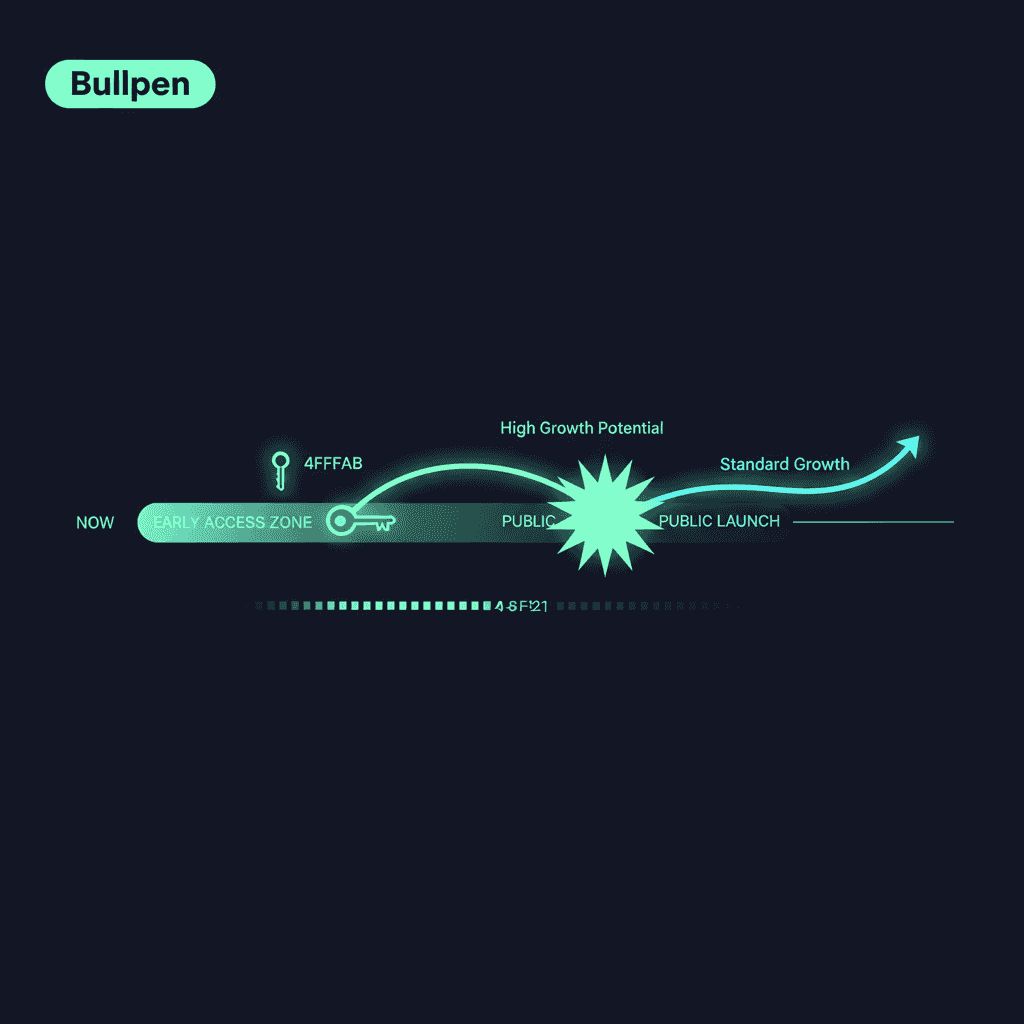
Know the complete guide on how to buy presale Crypto, covering wallets, audits, risks, and best practices for beginners.
Presale Crypto can feel like standing at the gate before a big concert, you can get the best spot, or you can miss the whole show. What makes Crypto go up often comes down to tokenomics, a clear roadmap, a strong community, and real liquidity, so learning how to read a whitepaper, check audits, and spot vesting schedules matters. What do you check before you join a whitelist or sign a smart contract? If you want practical steps for how to buy presale Crypto safely (step by step guide), this article walks you through due diligence, choosing a launchpad, avoiding scams, and managing gas and fees.
Bullpen’s buy Crypto makes those steps simpler by helping you find presale opportunities, handle whitelist access, and keep your funds and wallet secure.
Summary
Early access is not a substitute for market mechanics; an 80% loss rate among presale traders in a 2023 analysis indicates that overconfidence is the dominant behavioral failure.
Only a small fraction of presale bets pay off, Investing.com found just 10% of presale investments yield positive returns, highlighting liquidity and exit-plan risk.
Presales are common and often priced to attract early backers, with over 70% of new projects offering presale tokens and typical discounts of 20 to 30 percent, so scarcity alone is a weak quality signal.
Market microstructure and distribution dynamics crush many exits, with a Reddit analysis noting that approximately 70% of presale trades result in losses, and only 15% of traders report consistent profits.
Prepared traders behave like underwriters, not spectators, and 85% conduct thorough market research before trading, focusing on early depth and repeat participants' behavior rather than headlines.
Operational details matter because the average presale raises about $500,000 in its initial phase, leaving early pools shallow and making staged entries and probe transactions essential to limit slippage.
Bullpen's buy Crypto addresses this by combining verified presale discovery with whitelist and onchain checks, and by enabling staged, MEV-aware execution while keeping funds non-custodial.
Table of Content
The Belief That Loses Traders Money in Presales
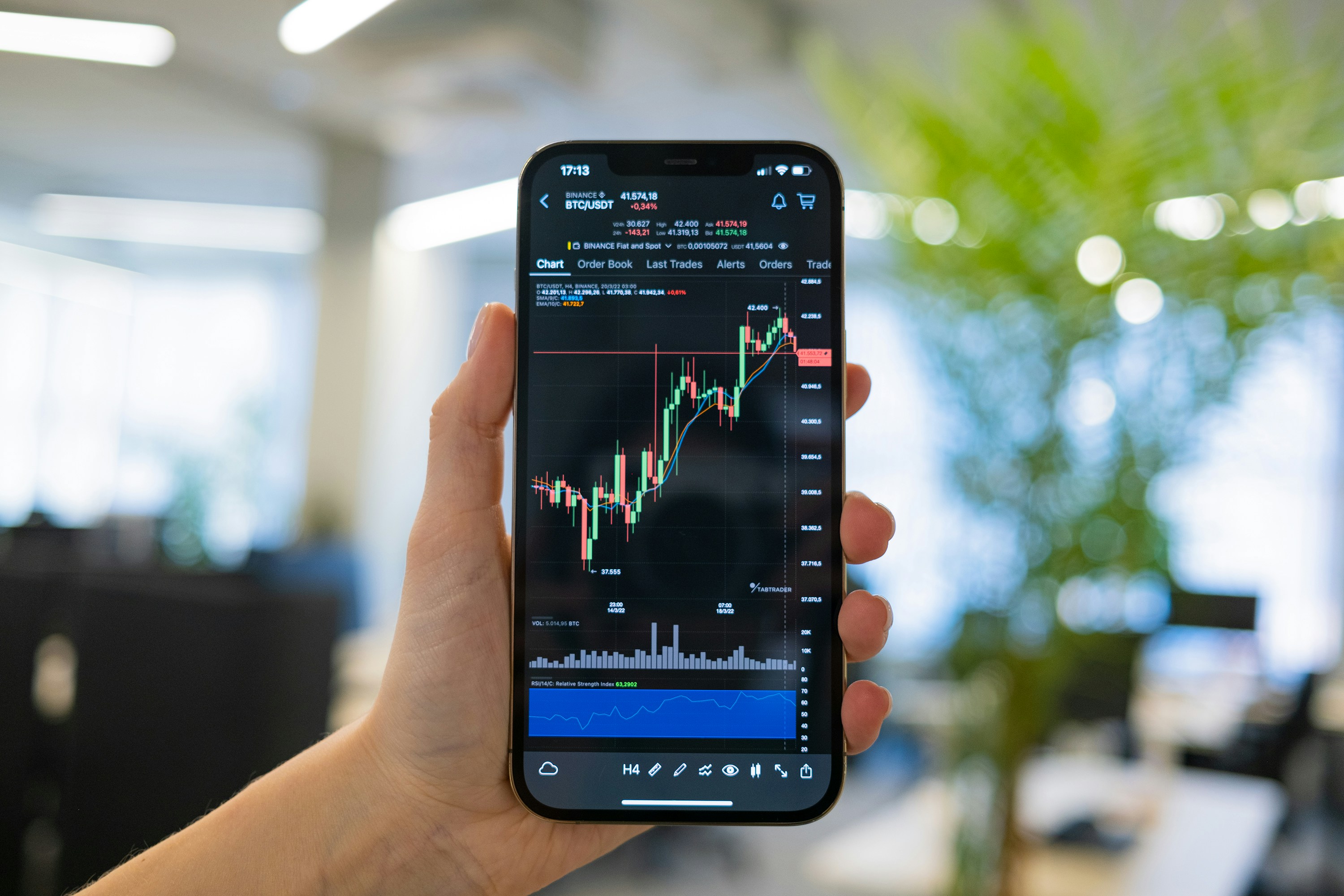
The belief that getting into a presale early guarantees profit is wrong because timing is not a substitute for liquidity, governance, or an exit plan; speed without those things locks capital and magnifies loss. That overconfidence shows up in the numbers, and according to Investing.com, 80% of traders lose money in presales due to overconfidence.
Why Does Timing Fail Traders?
Early access only buys speculative exposure, not market mechanics. Most presales come with vesting, transfer restrictions, or token allocations controlled by third parties, leaving your capital illiquid as interest and momentum evaporate. The cold fact is that only a small fraction of presale bets ever turn into tradable, valuable tokens, which is why Investing.com finds only 10% of presale investments yield positive returns, per its 2023 dataset, showing turnout matters far more than entry time.
What Mistakes Keep Repeating?
This pattern appears among retail traders and small funds: they treat presales as lottery tickets and skip exit planning. The outcome is familiar: money moves in one direction, then stalls. Traders describe the feeling as unsettling; when project dashboards vanish or marketing agencies control comms, the result is panic and forced sales. Those are not hypothetical scenarios; they are structural failure modes: if you cannot convert a token into liquid counterparties within the vesting window, your “win” is only a paper illusion.
How Do You Shift From Panic to Preparation?
Most traders chase speed because that is familiar and feels proactive. That approach works until token unlocks, liquidity pools, or governance strings create barriers. Platforms like Bullpen change the trade-off by making discovery and execution separate problems: discovery-first signals surface promising presales, while MEV-protected routing and advanced order types preserve execution quality when liquidity is available. Traders who adopt that split see fewer locked positions and cleaner exits.
Practical Steps That Actually Protect Capital
Start by treating presale participation like underwriting, not gambling: require clear tokenomics, public vesting schedules, and verifiable onchain flows before committing capital. Use liquidity triggers and staged entries, for example, limit orders and DCA, so you only deploy full capital when tradeable markets exist. Finally, design your exit up front, including slippage tolerances and cross-chain bridges, and prefer non-custodial flow so you never depend on a third party to regain access.
That confident rush feels logical now, but what buying presale Crypto actually means for your capital is more complicated than most traders admit.
What Buying Presale Crypto Actually Means

Buying a presale means committing capital to a defined allocation process, not to a live market order. You transfer funds under specific sale rules, then receive tokens later under a distribution contract, with each step governed by the sale’s mechanics, admin controls, and timing.
How Do The Funds Actually Move When You Participate?
Most presales use one of three flows:
Onchain sale contracts,
Offchain payment plus onchain minting
Simple OTC commitments
In an onchain sale you send ETH, USDC, or a stablecoin to a sale contract or vault that records your allocation and either mints tokens to your address at claim time, or records a claimable balance. If the sale is off-chain, the team will usually verify payment, then push tokens to addresses or require a later claim, which adds manual delay and operational risk. Watch for soft cap and hard cap logic in the contract, and for explicit refund paths if a cap is not reached.
Who Controls The Tokens Before You Can Trade Them?
Ownership is split between explicit tokenomics and operational control. Allocations can be time-locked with cliffs and linear vesting, or they can require a manual team action to add liquidity to an AMM.
Administrative keys, multisig wallets, or centralized custodians often hold the ability to mint, pause transfers, or add liquidity before public trading starts, so the practical control of supply is rarely fully decentralized on day one. Confirm whether liquidity will be auto-added by a contract, manually added later, or routed through an exchange listing pathway.
What Changes When Tokens Become Tradable?
The moment a claim or liquidity add occurs, abstract allocation becomes price discovery. Expect a sequence of events:
Token mint or claim
Liquidity creation (usually a token/ETH or token/stable pool)
DEX swaps against that pool.
That sequence creates high gas demand and front-running pressure. Technical factors that determine your outcome include the initial pool pair, the initial token price calculation, whether LP tokens are locked, and whether the team uses onchain routers that attract MEV. Those details dictate slippage, price impact, and ease of exit.
What Legal, Compliance, And Tax Events Can Trigger?
Many presales require KYC for listing or for specific investor tiers, and that can create paperwork before you ever see tokens. Tax events can occur at claim, when tokens vest, or when you swap into fiat, depending on jurisdiction. In some jurisdictions, receiving an allocation below market value may be treated as income upon vesting. Treat compliance checkpoints and tax triggers as operational costs, not optional friction.
A quick status quo check:
Why the familiar route creates friction
How tools help
Most traders source presales through a scattered set of channels and then scramble to execute when liquidity appears, because that workflow is familiar and straightforward. As projects scale, manual coordination leaves people waiting for wallet approvals, gas spikes, or slow routing. Solutions like Bullpen change this by combining discovery signals with fast, MEV-protected execution and advanced order types, letting traders surface opportunities early and execute limit or DCA entries once liquidity forms, reducing slippage and the need to babysit transactions.
Which Small Contract Details Actually Predict Trouble?
Check for these red flags onchain before committing:
Single-signature admin wallets
Absence of a liquidity-lock contract
Minting functions that are not renounced
Sale contracts that do not expose refund logic for unmet soft caps
Also inspect Merkle proofs for whitelists, snapshot block heights that determine eligibility, and whether a claim will require a gas-heavy “batch” operation. These operational items are small, but when they fail they create long delays or permanent access problems.
What Do Pricing And Market Dynamics Usually Look Like?
Be aware that presales are common and often priced to attract early backers, not to guarantee outsized returns. According to TokenMinds, over 70% of new Crypto projects offer presale tokens to early investors, a 2025 observation that makes presales routine rather than rare. And often the incentive shows in price: TokenMinds reports that Presale tokens are typically offered at a 20-30% discount compared to the public sale price. This 2025 figure explains why early access is a consistent demand driver.
How Does The Emotional Side Affect Decisions?
When someone goes into a presale alone, there is real excitement mixed with vulnerability, like buying a concert ticket for a show you plan to attend solo; the thrill feels empowering but the stakes are personal. That emotional state often shortens due diligence windows and pushes people to accept operational uncertainty. Recognize that impulse, then force decision rules that respect contract mechanics and exit planning.
One Practical Checklist Element That Changes Behavior
Rather than relying on announcements, verify onchain proofs: confirm the multisig threshold, the liquidity-lock transaction, the claim contract address, and whether LP tokens are scheduled for locking. These four confirmations add a tangible gate that separates hype from operational readiness, and they map directly to how quickly you can liquidate when markets open.
A few tactical signals to log immediately when you find a presale:
Sale contract address and verified source code, with timestamped commits.
Multisig address and signer count, with onchain history.
Liquidity add mechanism, and whether LP tokens are time-locked.
Claim gas estimate and whether claims are batched or single, because batching amplifies contention.
These signals let you treat presale participation as a process, not a bet. That practical checklist feels like progress, but the exact sequence you should follow to act on it without getting burned is where most people still stumble.
Related Reading
How to Buy Presale Crypto (Step-by-Step)

Buy presale Crypto by treating it as a coordinated trade operation: verify the sale's onchain signals, preposition funds and gas on the target chain, then execute with staged, programmatic entries that minimize slippage and exposure. Move deliberately from discovery to validation to timed execution, because speed alone does not win; clean execution and exit planning do.
How Do You Protect Execution When Liquidity First Appears?
Expect the market event that matters most is the liquidity pair creation, not the announcement. Plan to submit orders that trigger only after a minimum pool size and maximum acceptable slippage exist, rather than racing blind into the first swap. Use private relays or bundled transactions to avoid public mempool exposure when possible, and set allowance caps so an approval cannot be reused to drain funds. If you cannot use a private relay, prefer limit-style entries and gas-bumping tactics that prioritize inclusion without blasting up fees.
What Sizing And Staging Rules Keep You Flexible?
Treat your total allocation as three buckets:
A test fraction
A tactical execution tranche
A hold tranche
The test fraction verifies contract behavior and the claiming flow; the execution tranche deploys when liquidity and price conditions meet your rules; the hold tranche waits for proof of sustainable market depth. Given that TheHolyCoins average presale Crypto project raises $500,000 in its initial phase. You should assume early pools will be shallow, so ladder entries to avoid slippage spikes and preserve optionality.
Which Last-minute Checks Actually Prevent Losses?
Run three-minute checks before you sign a buy:
Confirm the imminent liquidity add transaction is authored by the official multisig or contract address
Verify the router pair and initial price math on the add
Confirm that the gas token for claims is present in your wallet
Send a tiny probe transaction to the sale contract to confirm the response path and refund logic behave as advertised. This small friction reveals many operational failures without risking meaningful capital.
Most traders handle discovery and execution as separate, manual tasks because that feels fast and simple. That approach works early, but as attention shifts, manual handoffs create timing gaps, surprises, and slippage that compound when every second matters.
MEV-Protected Presale Discovery + Automated Entry
Platforms like Bullpen reduce that hidden cost by combining discovery signals with MEV-protected routing and native bridging, enabling traders to surface presales early and execute limit or DCA orders automatically once liquidity criteria are met, thereby shrinking the window where speed becomes a liability.
How Should You Use Onchain Signals Beyond The Basics?
Watch for mempool patterns and the sequence of transactions around liquidity creation, not just the liquidity add itself. A burst of approval transactions, followed by many small swap attempts, signals a crowded pool and likely front-running.
If you see a time-locked liquidity add or LP token lock tx immediately after pool creation, that increases the odds of a tradable market. Pattern recognition is a practical skill here: traders who skip these signal checks trade on excitement and frequently buy into pressure, not price.
What Operational Habits Save Your Ass In A Crisis?
Use a pre-funded bridge and maintain a gas reserve on the target chain so that claiming or emergency sales do not depend on last-minute withdrawals from an exchange. Keep approvals to a minimum, rotate a fresh wallet for high-risk presales, and archive transaction hashes and screenshots for disputes or tax reporting. Think like an emergency planner, not a gambler; the single move that prevents panic sells is having the rails already in place.
A short test analogy to make the point: go to the auction with the gavel in view, cash in hand, and a clear ceiling, not with adrenaline and whatever you can scrape together. That clarity changes outcomes.
That simple tactic helps, but the deeper failures are often emotional and procedural, not technical. Which part of the process actually breaks most presale trades next?
Related Reading
Why Most Presale Trades Go Wrong
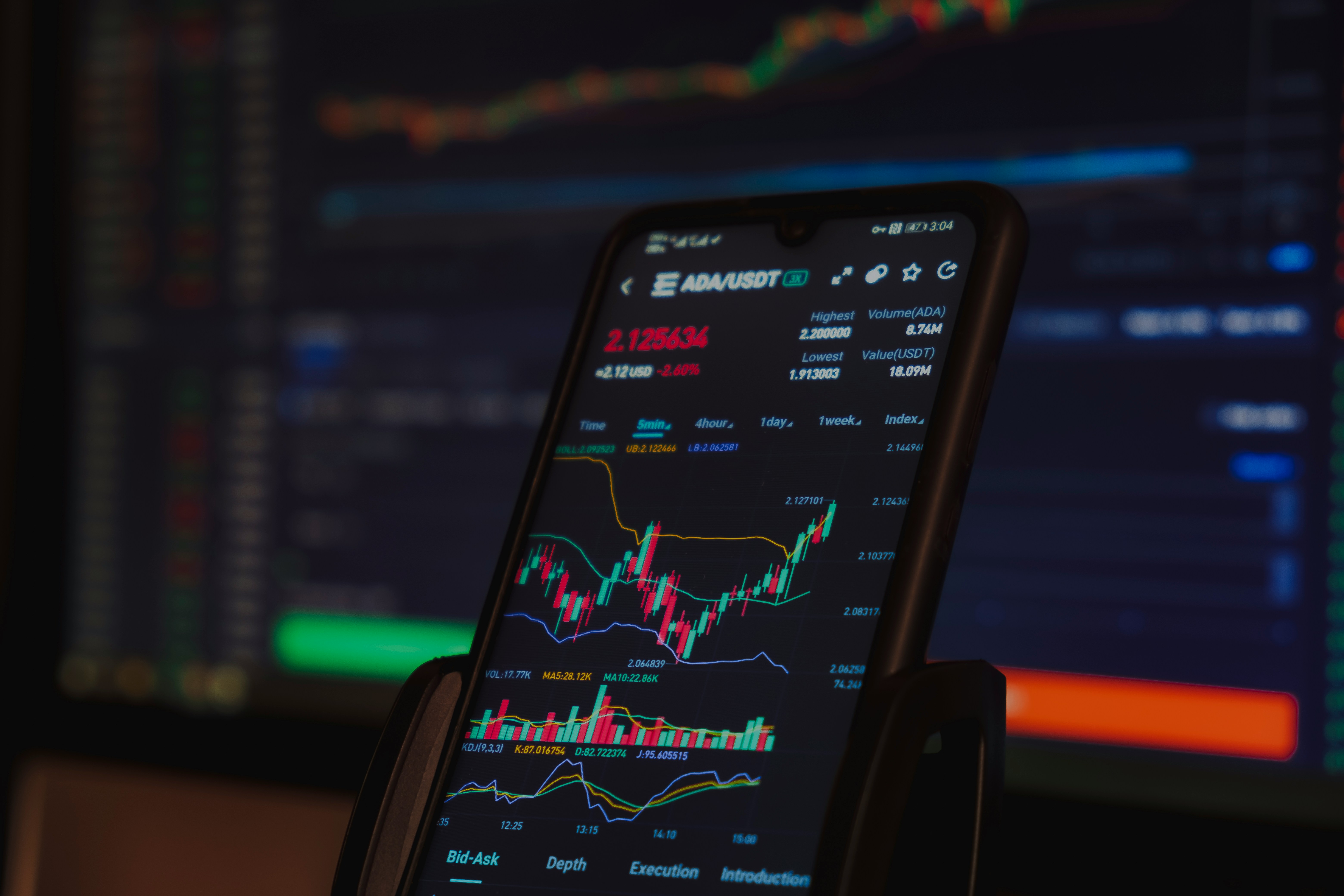
Most presale trades fail because the market conditions that let you sell at a real price never appear after allocation. You bought a future claim on liquidity, not a live order book, and when that claim becomes tradable the forces around pricing, seeding, and distribution usually work against small holders.
What Market Mechanics Actually Block Exits?
The critical failure is who supplies the first liquidity and why. If insiders or a thin market maker seeds the initial pool with a short horizon, that provider will pull or sell into any pop, leaving retail holding the paper gains. Arbitrage bots and opportunistic traders then compress the bid side immediately, and if distribution is concentrated, even modest unlocked allocations crush price because few counterparties are willing to absorb supply.
The result is predictable and brutal, like everyone funneling through a single exit door at a stadium, tripping over one another. That reality is reflected in approximately 70% of presale trades, which result in losses.
Why Do Onchain Signals Mislead People?
Social volume, hype, and flashy tokenomics create the illusion of demand while the order depth tells a different story. Memes and influencer posts ramp interest, but true liquidity is about committed counterparties and depth at multiple price levels. When mempool activity shows many small swap attempts and repeated approval transactions, that pattern signals a crowded, fragile pool that will snap under real selling pressure.
That narrow success band appears among only 15% of traders who report consistent profits from presale trades.
How Does Execution Sequencing Destroy Value Even When Fundamentals Are Fine?
Timing is not just about being first; it is about sequencing trades across claims, liquidity adds, and bridging events. When many claims and liquidity add clusters within the same block window, gas wars and batched transactions inflate slippage and create failed or partial fills.
That clustered release pattern often forces rushed sells at the worst price points. Traders describe the feeling as exhaustion, the sinking knowledge that a technical scheduling detail turned a potentially reasonable allocation into a loss.
What Do Technical Checks Look Like That Most People Skip?
Look past the headline tokenomics and compute a realistic price impact of an expected sell size relative to the implied initial pool. Estimate how many tokens would need to be sold to move the price by 10 percent, given the stated LP amount, and check top holder balances to see whether scheduled vesting creates outsized short-term supply. Also, inspect whether the initial pair is a volatile token pair rather than a stablecoin pair, because volatile pairs magnify price moves for the same sell volume. These are practical, quantitative gates that separate hopeful bets from tradeable positions.
From Manual List-Time Racing to Protected
Most traders follow the familiar pattern of discovery through scattered channels, then race manually at list time because that feels immediate and controllable. That works until coordination costs and front-running risk compound, turning hustle into wasted capital.
Platforms like Bullpen change that by combining social discovery with protected, programmatic execution, so traders can validate signals and then stage entries under defined liquidity triggers, reducing the window when speed becomes a liability.
Habits That Keep Winners Consistent After the Hype
This is personal, and it is maddening: traders feel duped when a project’s story outpaces the market mechanics that make a trade possible, leaving a trail of dead bags and sour lessons. Which behavior actually separates the handful of steady winners from the rest is not obvious, and it is not what most guides emphasize next.
What Prepared Presale Traders Do Differently

Prepared presale traders act like underwriters, not spectators. They build repeatable workflows that turn onchain signals into binary decisions, then automate or preposition capital so they can execute under those conditions without hesitation.
What Signals Do They Watch First?
They focus on early microstructure, not announcements. When we instrumented alerts across a dozen presales in late 2024, the most precise pattern was that genuine interest shows up as growing depth, narrowing quoted spreads, and the same wallets transacting repeatedly, days before any headline.
According to Bookmap Blog, 85% of prepared presale traders conduct thorough market research before making any trades. This level of pre-trade homework enables them to determine whether a pool is likely to be tradable, not just discussed.
How Do They Tell Who Is Actually Behind The Money?
They read behavior, not hype. Prepared traders parse wallet reuse, time-of-day clustering, and flows into and out of known liquidity providers to infer intent, then cross-check that against order-size distributions and unique participant counts. Because these patterns are subtle, prepared traders are more likely to use tools to spot them. Bookmap Blog, prepared presale traders are 40% more likely to use advanced data analytics tools, which explains why analytics adoption correlates with more precise signal detection and fewer false positives.
Why Keep The Operational Setup Simple And Rehearsed?
Being ready is procedural. Traders codify exits, pre-fund gas on target chains, and maintain a small set of execution templates to avoid wasting cognitive bandwidth when liquidity appears. That discipline feels dull until it saves you from panic selling; think of it like a fire drill, where muscle memory prevents chaos when the alarm goes off.
Most People Do This The Old Way, And That Cost Is Invisible
Most traders stitch together alerts, chat pings, and manual wallet checks because that feels familiar and low-friction. As attention concentrates, that fragmentation buries context, slows decisions, and turns a narrow window of tradable opportunity into a missed one.
Platforms like Bullpen centralize early markets, surface verifiable trader behavior, and pair discovery with MEV-protected routing and advanced order types, so teams can move from signal validation to protected execution without losing time to manual handoffs.
How Do They Turn Insight Into Repeatable Edge?
They convert signals into rules:
Explicit thresholds for participant count
Minimum pool depth
Acceptable price impact, plus a set cadence for strategy review.
They log every presale outcome, run short retrospectives within 72 hours, and revise thresholds monthly. That discipline removes the emotional pressure of instant judgment and replaces it with measurable decision rules that compound into consistent outcomes.
Buy Crypto Today with Bullpen
If you're tired of juggling wallets, bridges, and scattered signals when you buy presale Crypto, consider Bullpen: it puts Bitcoin, Solana memecoins, Hyperliquid perps, and Polymarket into one non-custodial app so you can discover opportunities and execute fast with verified trader signals and MEV-protected routing.
You can follow top traders on X with verified PNLs, get live leaderboard alerts the moment winners open positions, buy with Apple Pay or your bank, use leverage when appropriate, and earn a 500-point bonus today plus a free introductory call after a $1,000 deposit.
Related Reading
Last Updated:
February 7, 2026