
Find the best time frame for Crypto trading to reduce risk and catch big moves. Expert tips on multi-timeframe analysis for every type of trader.
Have you ever watched a coin spike on the one-hour chart only to see the daily chart erase those gains by the next day? If you wonder what makes Crypto go up, the answer often ties back to the time frame you use, plus volume, trend, and trader behavior. This article outlines the best time frame for Crypto trading. It explains why most get it wrong and provides clear guidance on scalping versus swing trading; chart analysis across hourly, daily, and weekly time frames; indicators such as moving averages and RSI; support and resistance; volume; and risk management. You will receive practical steps to align your holding period with the right charts and avoid common timing traps.
Bullpen’s buy Crypto tool helps you test time frames, align entries and exits, and build a simple trading plan so you can act with confidence when signals, liquidity, and volatility line up.
Summary
Time frame selection is a risk management decision, not a style choice, and over 70% of traders fail to choose the appropriate time frame, exposing them to volatility, execution pressure, and human limits.
Switching time frames impulsively erodes edge; traders who adjust frames too frequently see a 50% decrease in overall trading performance, which explains why churn destroys consistency.
Short-term frames are highly crowded: over 70% of Crypto traders use short-term horizons. Daily trading volumes can exceed $100 billion during peak hours, making clean fills a function of routing and fee timing, not just prediction.
Crypto timing errors are costly: volatility can exceed 100% in a single day, and over 70% of Crypto traders lose money due to poor timing. Single-day regime shifts can instantly undo intraday plans.
Trading a single time frame in isolation is a common pitfall: over 70% of day traders focus on one frame, and only 15% of isolated traders are consistently profitable, showing that multi-horizon visibility matters for durable outcomes.
Market-aware timing pays off: average daily trading volume rose 25% year over year, and market-aware strategies delivered a reported 15% increase in profitability, underscoring the measurable advantages of rules that tie frames to live liquidity and mempool signals.
This is where buy Crypto fits in: buy Crypto helps teams test time frames, align entries and exits, and reduce execution friction through faster routing, real-time transaction optimization, and layered order templates when liquidity and volatility compress decision windows.
Table of Contents
The Biggest Mistake Traders Make When Choosing a Time Frame
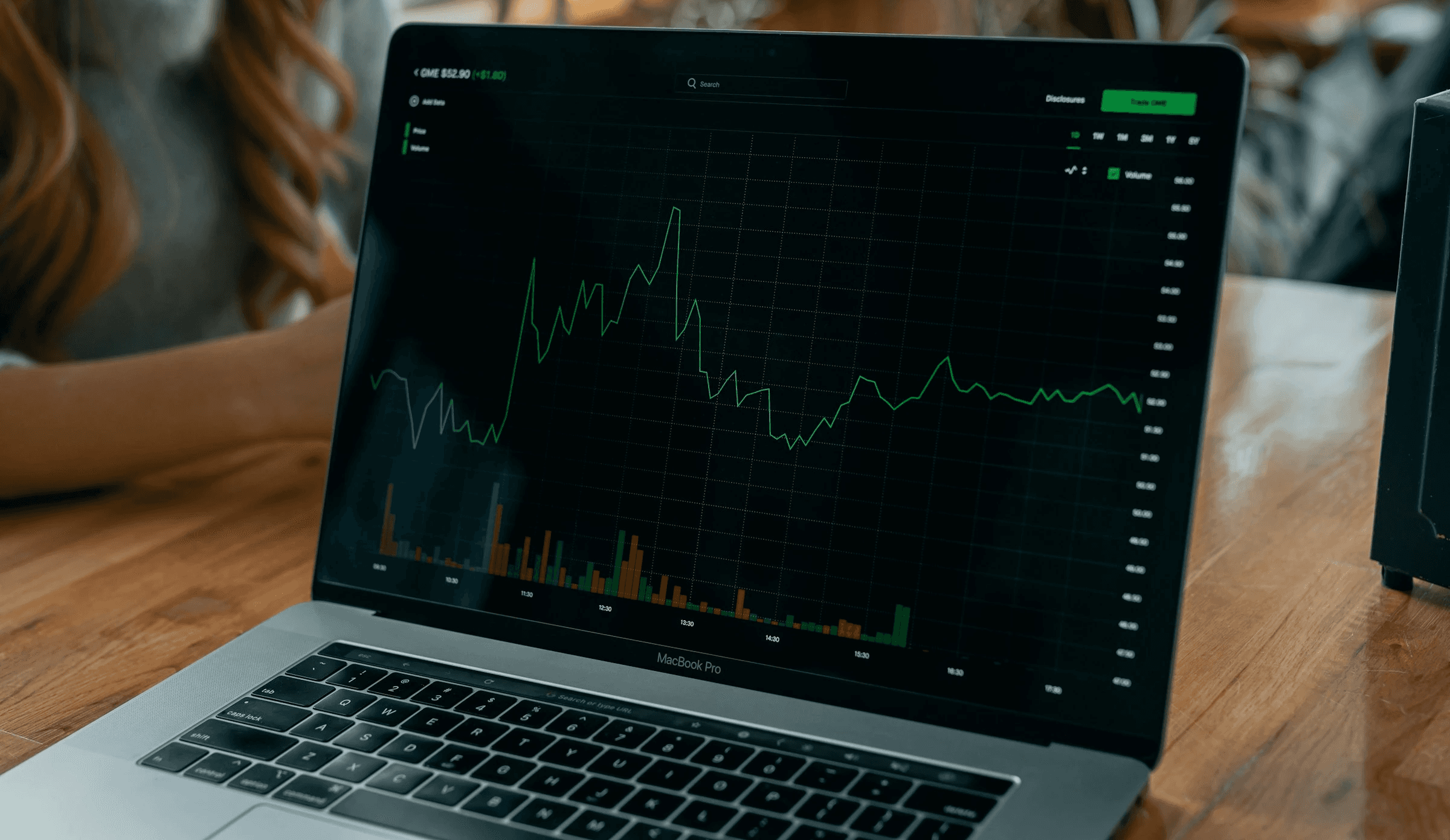
Timeframe choice goes wrong when traders treat it as a style rather than a risk-management tool: they copy what looks profitable on a screenshot, then blame the strategy when the market moves differently. The fundamental error is failing to recognize how each frame changes your exposure to:
Volatility
Execution pressure
Human limits
Why Do Traders Pick The Wrong Time Frame?
When we built training tools and reviewed live accounts, a clear pattern emerged, not because people are careless, but because social proof is fast and convincing. New traders see a five-minute setup win on a stream and mirror the cadence, assuming the chart itself is the edge. That approach feels logical at first, but it ignores that shorter time frames amplify noise and execution demands, while longer ones require patience and a stomach for drawdowns.
How Does That Mismatch Actually Break A Trader?
Noise is a tax on attention and attention spans, and leverage magnifies small mistakes into account-crushing losses. Over 70% of traders fail to choose the appropriate time frame for their trading strategy, according to IG International (2024), which shows this is a systemic problem, not a few bad takes. It feels exhausting to watch price chop, to enter and exit under pressure, and then wonder why what worked on someone else’s screen failed you.
What Happens When You Flip Frames Too Often?
Switching frames on impulse turns a plan into a reaction. Traders who adjust their time frames too frequently see a 50% decrease in their overall trading performance, according to IG International, which explains why churn hurts edge and confidence.
Imagine changing camera lenses while photographing a sprint:
The subject blurs
You miss the shot
You end the day with nothing to show for it
How Should A Time Frame Decision Be Framed Instead?
If you treat the choice as a set of constraints, it becomes clear. Ask:
What is my execution latency
What capital and leverage do I tolerate
How much drawdown can I hold
How much time can I watch screens
A good decision balances:
Market regime
Personal behavior
Execution capability
That is why outcomes matter more than opinions: pick the frame that gives you consistent control over risk, not one that looks good in isolation.
Closing the Execution Gap: Transitioning to Institutional-Grade Infrastructure
Most teams handle timing by juggling charts and fills because it is familiar and requires no new tooling. That works until slippage, guessing at priority fees, and missed momentum compound into real losses.
Platforms like Bullpen provide:
Faster execution rails
Real-time transaction optimization
Advanced order types
MEV protection
It enables traders to act earlier and layer strategies such as limit DCA or follow high-conviction flows while reducing execution uncertainty.
What Trade-Offs Should You Test, Practically?
Run short, controlled experiments. Pick one frame and trade a fixed stake size for 20 trades, log execution slippage, average hold time, and emotional load. If you are selling for quick momentum, measure fills and fee sensitivity. If you are trading swing moves, measure drawdown tolerance and patience. These tests reveal whether your nerves or the market is the fundamental constraint.
The Friction Trade-Off: Identifying Your Operational Sweet Spot
Lower frames amplify execution and decision friction; higher frames amplify psychological friction. Match the frame to the kind of friction you can reliably manage, then use rules and automation to reduce the human element. That simple distinction sounds small, but it changes who wins and who burns out. Keep reading, because the next part reveals how specific time frames create very different realities for:
Execution
Risk
Opportunity
Common Crypto Trading Time Frames
Standard Crypto time frames still span ultra-short, intraday, multi-day, and multi-week horizons, but what actually separates winning trades now is the execution playbook for each frame. Pick a frame for the outcome you want, then design orders, sizing, and monitoring to match that tempo, like:
Catching quick momentum
Harvesting daily structure
Riding a swing
Owning a thematic position
For those looking to move fast on these ideas, the ability to buy Crypto with optimized routing ensures your strategy isn't lost to technical lag.
What Should Scalpers Prioritize In Practice?
Scalpers must optimize for two things: speed and certainty. Use limit orders with tight execution rules, prefer venues with sub-millisecond routing and predictable taker/maker fees, and size trades so a single failed fill does not force an emotional overtrade. Think of execution like choosing a courier during rush hour: you want priority routing, not speed alone, because a late delivery at full cost destroys the margin you chased.
How Do Day Traders Translate Intraday Movement Into Reliable Entries?
Day traders win by pairing momentum reads with execution templates:
Staggered limit ladders to capture different liquidity pockets
Time-based cancellations to avoid stale orders
Pre-set fee caps so spikes in priority fees do not turn a winner into a loss.
When market activity concentrates, order-slicing reduces market impact; when it thins, widen spreads and use tools that let you buy Crypto via passive orders to avoid paying the high price of urgency.
How Should Swing And Position Traders Adjust Timing And Exposure?
For multi-day holds, focus less on micro fills and more on average entry over sessions, protecting downside with wider stop bands and strategic limit orders that scale in as volatility cools. Use limit DCA or layered limit entries across sessions to avoid buying at the peak of a short-term run, and plan exits by volume profile rather than single-price targets, so you trade around real liquidity, not chart noise.
The Microstructure Gap: Where Strategy Meets the Reality of On-Chain Friction
Most traders rely on familiar routines because they feel comfortable, especially when a setup looks clean on a single screen. That works until fills slip, fees spike, and a single whale flow rewrites the move.
Platforms like Bullpen provide:
Tighter execution rails
Real-time transaction optimization
Advanced order types
MEV protection
It helps traders compress the cost of acting quickly while preserving the tactical flexibility to layer entries and follow high-conviction flows.
Why Does Onchain Visibility Change How You Pick A Frame?
Onchain transparency shifts the decision from chart-only timing to opportunity timing, because you can watch where liquidity pools, priority fees, and large flows are forming before price confirms. When you can see transaction intent and pending orders, you stop guessing about whether momentum will run and start planning where to be aggressive and where to be patient.
What Do The Data And Market Structure Tell Us About The Practical Balance?
SGT Markets' (2025) report states that over 70% of Crypto traders use short-term time frames for trading, which increases the burden on execution and fee management during contested windows. The same research also notes that daily trading volumes can exceed $100 billion during peak hours, so when liquidity pools concentrate, the difference between a clean fill and a blown P&L is often due to routing and fee timing, not prediction. Before you buy Crypto during these high-volume spikes, ensure your platform can handle the congestion without significant slippage.
What Trading Behaviors Tend To Break Under Real Conditions?
This pattern appears across retail and semi-pro traders: they adopt a frame without mapping it to execution constraints, then react when fills miss or fees spike, which breeds emotional errors. It is exhausting to watch a planned move fail because the market has moved ahead of you; the remedy is to align your frame with practical guardrails, not wishful thinking.
The Latency Tax: Why Intent Without Infrastructure is a Hidden Loss
A short analogy to lock it in: the chart time frame is the camera lens, but execution is the shutter speed; you need both set correctly to capture the shot, or the photo is blurred, no matter how skilled the photographer is. That simple misalignment is common and reveals a deeper timing tension that most traders overlook. The surprising part? What comes next will show why timing in Crypto carries consequences you cannot afford to ignore.
Related Reading
Why Time Frame Choice Matters More in Crypto Than Other Markets

Time frame matters because it determines which onchain mechanics and market microstructure you must manage, not just how long you hold a trade. Pick the wrong frame, and you are betting against transaction ordering, concentrated liquidity events, funding-cycle flips, and fee spikes that show up far faster in Crypto than in most asset classes.
What Microstructure Risks Change As You Shorten Or Lengthen Your Frame?
Short frames put you into the guts of:
Transaction sequencing
Mempool behavior
MEV pressure
More extended frames expose you to tokenomics and scheduled flows.
This is not abstract:
Short-window traders routinely face sandwich attacks
Priority-fee wars
Fast routing that turns a profitable signal into a destructive fill
That pattern appears consistently across accounts that chase minute-level moves, where execution quality, not predictive skill, becomes the gating factor for profit.
How Do Scheduled Events And Token Mechanics Reshape Timing?
Token unlocks, batch airdrops, staking rewards, and governance deadlines create concentrated liquidity moves that are predictable in timing but brutal in magnitude. When these events occur, prices can swing into an entirely different regime, which is why Crypto market volatility can exceed 100% in a single day, according to MEXC News (2023). This underscores that single-day regime shifts can erase intraday plans and reorder winners and losers quickly.
What Does Realistic Sizing And Fee Planning Look Like Across Frames?
Sizing rules that work on hourly charts break down at minute resolution because slippage, priority fees, and funding cost dynamics compound against small holds. The human cost is clear, and the math is unforgiving: Over 70% of Crypto traders lose money due to poor timing, according to MEXC News, which shows timing errors are the dominant tactical failure, not lack of analysis. This is why you must plan position size around likely fills, expected priority fees, and funding resets rather than around the ideal entry price only.
The Invisible Tax: Bridging the Gap Between Intent and Execution
Most traders manage timing the familiar way: they pick a frame that feels exciting and try to execute with standard market orders.
That works until:
Slippage
Front-running
Fee spikes eat into the margin and morale
Platforms like Bullpen provide:
Faster routing
Real-time transaction optimization
Layered advanced orders
MEV protection
It enables teams to operate in shorter windows without incurring the full hidden tax of sequencing risk, or layer limit DCA across sessions to reduce exposure to discrete unlocks.
What Practical Tests Prove Which Frame Fits You?
Run constrained experiments that measure fill quality and emotional load.
For example:
Trade a fixed stake size for 30 executions in your target frame over two weeks
Logging realized slippage
Priority-fee spent
Average hold time
The number of times you adjusted the trade mid-fill
If slippage or fee spikes erode the edge on more than 20 percent of those trades, the frame is a poor fit. Think of it like choosing transport for a commute: a motorcycle shaves minutes but becomes a liability if rain, traffic, or poor pavement make that route unpredictable; a van is slower but dependable when conditions vary. It’s exhausting to get the timing wrong and feel like you lost because the plumbing, not the thesis, decided the outcome. But the real reason this keeps happening goes deeper than most traders realize.
Related Reading
The Hidden Problem: Trading One Time Frame in Isolation

Trading a single time frame is a recipe for mismatch, not mastery. You miss how liquidity, fees, and collective behavior change across horizons, and that mismatch converts good setups into recurring losing trades. Before you buy Crypto for your following setup, remember that the hidden problem is not just noisy signals; it is a structural mismatch between your chart and the market mechanics that move price.
Why Does A Single Frame Hide Liquidity Cycles?
Short charts show immediate price action, not how much liquidity exists beneath it. Orders that appear clean on a one-minute chart can be hollow when tested by a large flow, because order book depth and the pool of willing counterparties operate on longer horizons. That means your trade’s realized risk is a function of other traders’ time horizons, not the candle you watched. Think of it like steering by the backlight on a car ahead at night, while the highway itself curves farther than your headlamp shows.
How Do Psychology And Social Timing Amplify The Error?
When traders anchor to a single frame, decision pressure rises, and so does herd behavior. The pattern appears across intraday and swing players:
People pursue the fast
Feel-good signals
Blame randomness when fills and fees undo them.
This breeds a cycle in which many traders pile into the identical visible setups at the same time, concentrating execution risk and creating predictable slippage events that no one priced in. To navigate these crowded exits, having a terminal that lets you buy Crypto with optimized routing ensures you aren't the one left holding the bag when the herd turns.
What Practical Measurements Reveal A Bad Fit Between Frame And Strategy?
Run simple, repeatable checks that expose hidden costs, not hypothetical edge cases. Track three things across 20 to 50 real trades in your target frame:
Median execution slippage relative to your limit
How often priority fees spiked above your cap
The proportion of trades that required mid-execution adjustments
If more than one metric flags repeated friction, your frame is imposing operational risk rather than offering a statistical advantage. This is testing, not opinion; it converts feelings into data you can trade.
What Happens To P&L When You Ignore Correlated Exposure Across Horizons?
Exposure compounds when you hold positions that react to different drivers at different speeds. For example, a token long-sized for a two-hour move can be wiped out by a scheduled multi-day unlock that shifts the regime. The real cost is path dependency: fills, funding, and governance events can create hidden leverage. When you buy Crypto during high-volatility periods, hidden costs can turn modest positions into margin calls.
The Cognitive Tax: Why Single-Frame Trading is an Invisible Performance Drain
Most traders manage this by sticking with what feels familiar, and that familiarity has a cost. According to over 70% of day traders, who focus on a single time frame without considering other market factors, according to Business Insider (2025), this is not rare behavior; it is the default. The consequence is clear when you compare outcomes: [Only 15% of traders who trade in isolation are consistently profitable, according to Business Insider (2025), which shows isolation is a performance drag, not a style choice.
The Execution Gap: Why Protocol-Level Infrastructure Beats Manual Intuition
Most teams handle execution and timing with a handful of manual tricks because that workflow is familiar and immediate. That works until a contested window, fee spike, or whale flow turns a planned entry into a bad fill.
Platforms like Bullpen offer:
Tighter execution rails
Real-time transaction optimization
Layered advanced orders
MEV protections
It enables teams to use shorter windows or layered DCA with far lower hidden costs, preserving the tactical choices that multi-horizon trading demands.
How Do You Keep Flexibility Without Becoming Indecisive?
Adopt rules that map the time frame to the risk budget. Allocate a share of capital to short-window plays with strict execution constraints and a separate share to longer holds, tolerant of larger drawdowns and scheduled events. Use automation for the short bucket to prevent human impulse from overriding a tested fill plan. The rule is simple, and brutally practical: if your execution friction exceeds your expected return per trade, shrink the stake or change the frame.
The Regime Shift: Moving from Time Frames to Tactical Readiness
A final image: treating a single chart as the whole market is like reading a city by its streetlights, then being surprised when a train arrives from unseen tracks. That hidden train is closer than you think, and the next section explains why what you call the “best time frame” may be the wrong question entirely.
The Shift: From “Best Time Frame” to Market-Aware Trading
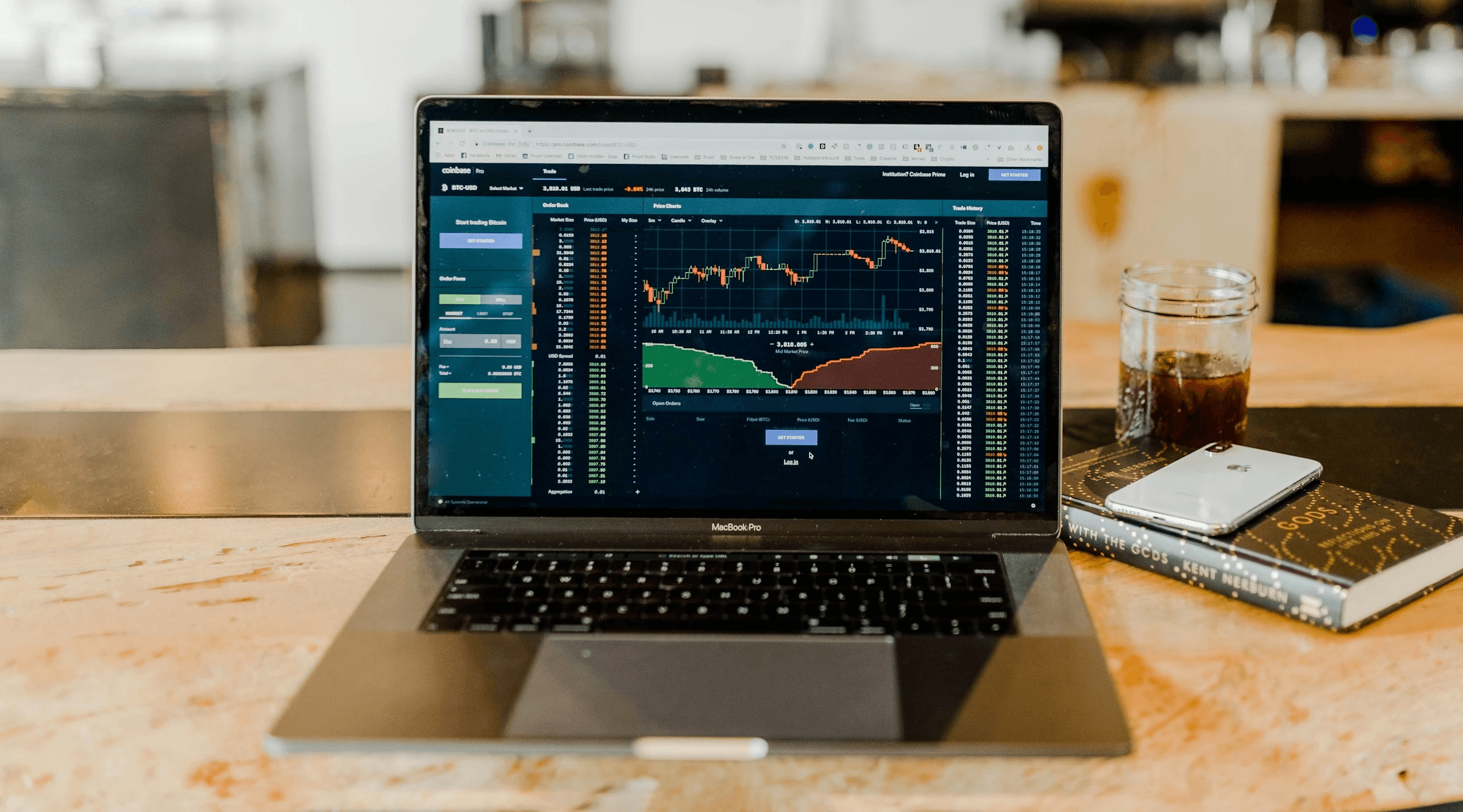
Market-aware trading means you stop arguing with a static chart and start answering one question: which time frame lets you execute the trade the market is offering right now, reliably and within your risk budget. That requires rules that map clear live signals to specific frames, orders, and stake sizes so your timing is a decision, not a reflex.
Which Live Signals Should Change Your Frame?
This pattern appears across retail and semi-pro traders: when liquidity, volatility, or crowd timing shifts, the frame that worked minutes ago stops working.
Watch four signals and treat them as triggers.
Liquidity depth at your intended price, measured by onchain pools and limit-book snapshots, tells you whether to use layered limits or passive waits.
Short-term realized volatility tells you whether to widen stops and shift to a higher frame.
Mempool congestion and sequencing pressure indicate when microframes invite MEV risk and priority-fee wars.
Whale flows indicate when to shorten your horizon. Shifting gears like this is essential when you decide to buy Crypto, as it ensures your execution method aligns with the blockchain's current “road conditions.”
How Do You Translate Signals Into Actions?
Build a small toolbox of mapped responses. When onchain depth drops below a pre-set threshold, switch from market taker to staggered limit ladders and cut target size by a defined percentage. When a volatility bucket flips up, pause high-frequency templates and move to position entries with wider bands and timed rechecks. When mempool latency rises, prefer passive fills and add MEV protection flags to transactions. These binary rules allow you to buy Crypto with checklist discipline rather than emotional impulse.
Why Bother With Market-Aware Rules Now?
The Market Analysis Report (2023) shows that average daily trading volume increased by 25% over the past year, and that more short-lived liquidity pockets are appearing and vanishing faster, increasing both opportunity and execution risk. And because traders who align tactics to the market see measurable gains, Trading Strategy Insights (2023) reports a 15% increase in profitability for market-aware strategies in 2023, meaning this is not an abstract advantage; it is a measurable edge. For traders looking to buy Crypto in 2026, aligning tactics to these micro-shifts isn't just an abstract advantage; it's a quantifiable edge.
What’s A Lightweight Experiment To Prove The Idea?
Run a paired-session test across ten active sessions. For one session per pair, follow a fixed-frame plan using fixed stake and order templates. For the matched session, apply a simple rule set that flips frames based on two triggers, for example:
Liquidity depth and mempool latency
Log realized slippage, priority fees paid
Net PnL per unit risk
Use the same tokens and total capital, and keep trade-entry hypotheses identical, so the only variable is the timing rules. If the market-aware sessions show consistent improvements in fill quality or lower fee drag, you have a practical signal that your time-frame decision process is adding value.
The Infrastructure Alpha: Hardening Your Workflow Against Market Microstructure Risks
Most teams handle timing by sticking to what feels familiar because it requires no new tooling, and that is understandable. The hidden cost is predictable: missed fills, fee surprises, and avoidable drawdowns when market microstructure changes. Platforms like Bullpen address this friction by combining live onchain visibility with:
Execution templates
Real-time transaction optimization
Advanced order types
MEV protections
It enables teams to translate market signals into a concrete execution plan faster, with fewer surprises and greater transparency and accountability.
How Do You Prevent This From Becoming Overtrading?
Set a decision budget. Allocate a fixed proportion of capital to rule-driven microframes and a separate bucket to slower, thesis-driven positions. Cap the number of frame switches per day and require a documented trigger for each switch, with auto-cancels if your priority-fee cap is breached. That preserves optionality without letting impulse undo discipline. A short image to make the choice stick: pick your frame the way you choose a camera lens for a specific scene, then set the shutter speed and tripod based on the light and wind, not on which lens looked best on a demo reel. That next move matters more than you think, and it’s about more than choosing faster charts.
Related Reading
Buy Crypto Today with Bullpen
We tolerate juggling wallets, bridges, and a half dozen apps because it feels familiar, but that friction costs you time, timing, and clear decisions when the market moves fast.
Platforms like Bullpen bring:
Bitcoin, Solana memes, Hyperliquid perps, and Polymarket into one app
Show verified trader PNLs on a live leaderboard
Push instant alerts so you can follow winners and act without switching tools
Deposit today to earn a 500-point bonus and a free introductory call after funding $1,000, then buy Crypto with Bullpen using Apple Pay, your bank account, or leverage.
Last Updated:
February 7, 2026