
Curious? Find out precisely what Bitcoin halving is. Understand this key event's effects on supply and the future of BTC.
When you search for 'how to buy Bitcoin,' one question keeps arising: how will scheduled halving events impact supply, miner rewards, and price? A bitcoin halving cuts the block reward in half, slowing new BTC issuance and shifting miner revenue and mining incentives. That change affects mining difficulty, market reaction, and long-term supply and demand. This article explains what a bitcoin halving is, how it alters the protocol supply schedule, and what it means for miners and investors.
To help you act on that clarity, Bullpen's buy crypto feature offers a simple way to purchase BTC, track market movements after halvings, and compare costs, allowing you to make informed choices that align with your goals.
Summary
Bitcoin halving is a scheduled on-chain event that cuts new issuance every 210,000 blocks, roughly every four years, creating discrete supply shocks that compound toward the 21 million cap.
Past halvings have shown a consistent pattern; the 2012 cut reduced the reward from 50 BTC to 25 BTC, and the 2016 halving cut it to 12.5 BTC, illustrating stepwise declines in miner-issued supply.
Miners feel the revenue shock immediately, with some operators forced to shut down rigs or liquidate hardware within 30 to 90 days when power and capital costs do not decrease in line with the reward.
Derivatives and funding markets typically lead the spot market, and traders who monitored miner wallet flows and perp funding captured entry points within the first four trading days after major on-chain shifts.
Liquidity often fragments after a halving, with order book depth thinning for 24 to 72 hours and slippage increasing for traders who rely on single-venue setups.
Execution and sizing rules matter; traders who split buys into four to six tranches and set pre-defined stop or hedge rules preserved capital during choppy post-halving months.
Bullpen's buy crypto addresses this by consolidating miner outflow and funding-rate signals with low-latency execution and cross-venue pricing, helping traders act within the 24- to 72-hour post-halving liquidity window.
Table of Contents
What Is Bitcoin Halving?
How Bitcoin Halving Works
Historical Impact: What Happened After Previous Halvings
How Bitcoin Halving Affects Miners
What Investors Should Know Before and After a Halving
Buy Crypto Today with Bullpen
What Is Bitcoin Halving?
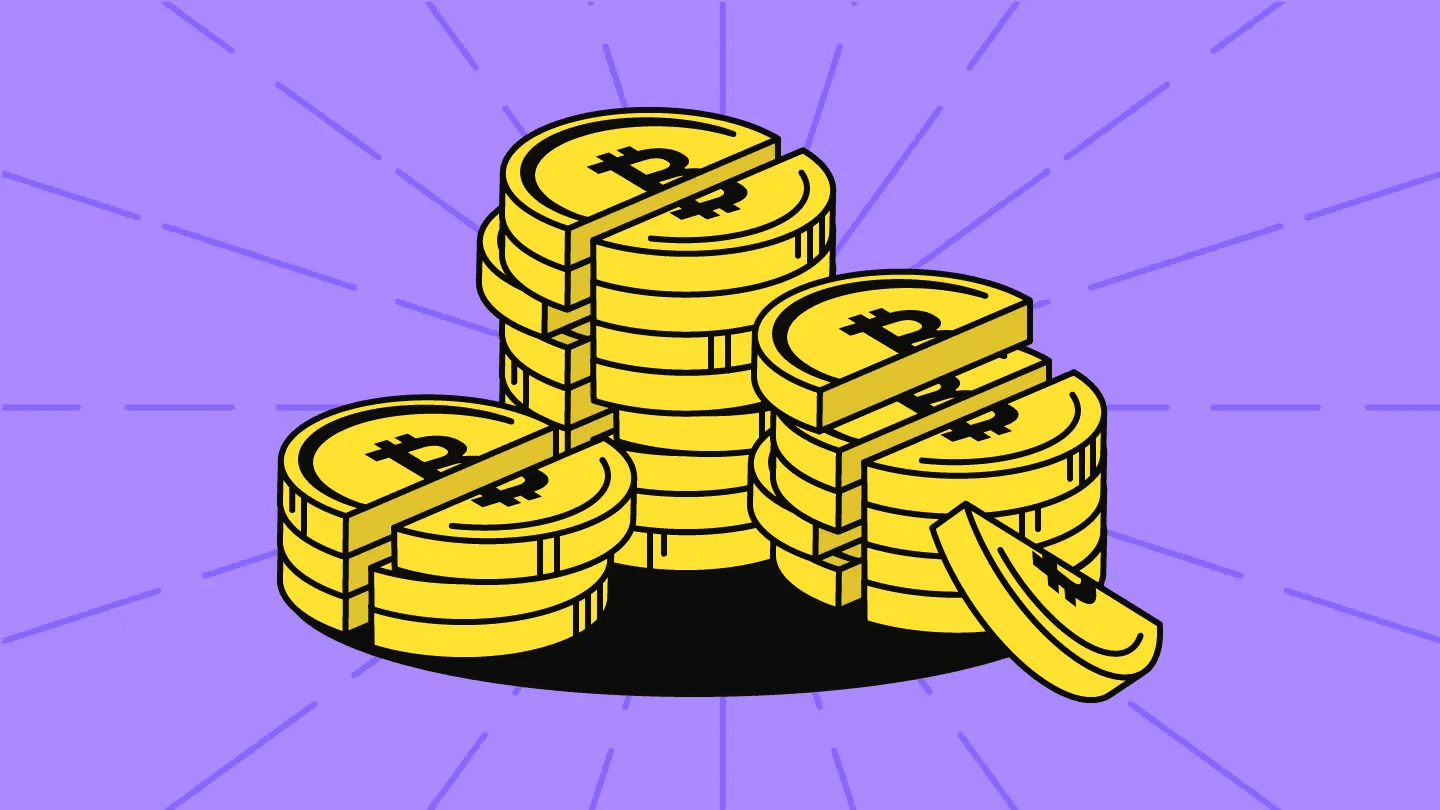
Bitcoin halving is a programmed reduction in the block reward that decreases the number of new Bitcoins entering circulation, thereby lowering issuance over time and enforcing scarcity. It happens predictably on the chain, so traders and miners can plan for when supply growth will slow.
Why Was This Rule Built Into Bitcoin?
Satoshi intentionally designed Bitcoin to be scarce, and halving serves as the mechanical tool that enforces this scarcity. The first halving occurred in 2012, lowering the miner reward from 50 BTC to 25 BTC, according to Investopedia, which illustrates how the code converts a philosophical choice about money into repeatable on-chain economics.
How Often Does A Halving Occur, And What Impact Does It Have On Issuance?
The protocol halves the reward every 210,000 blocks, which is approximately every four years, a schedule that deliberately slows the new supply over time, as explained by Investopedia.
That means issuance drops in steps rather than tapering smoothly, so each halving is a discrete supply shock that compounds across decades until the 21 million cap is effectively reached.
How Do Traders Actually React When A Halving Approaches?
When I worked with retail traders during the 2020 cycle, the pattern became clear: many treat halving as a scarcity signal that can reprice markets, so they either dollar-cost average to ride potential appreciation or set leveraged perp plays to chase momentum.
That optimism coexists with fatigue and skepticism after overhyped calls that failed to deliver, so disciplined approaches like DCA often become the practical fallback for steady participants.
What Breaks In The Familiar Way Of Trading Around Halving?
Most traders watch price charts and exchange order books because it is familiar and require no new setup. That approach works until volatility spikes and liquidity fragments across on-chain venues, at which point slippage and missed fills turn potential gains into lagging regret.
Platforms like Bullpen offer Solana-powered speed and Hyperliquid connectivity, enabling traders to identify sudden liquidity shifts, execute spot or perpetual orders quickly, and manage slippage more effectively when opportunities are brief.
How Does Halving Act As An On-Chain Catalyst Beyond Its Impact On Price?
Each halving reduces new-supply pressure and often concentrates speculative flows into thinner parts of the market, which is when meme coins and high-leverage perp markets see outsized moves. That creates tactical opportunities for quick option-like bets or targeted liquidity-taking, but it also raises execution risk and requires a plan for stop placement and position sizing.
That sounds like the end of the story, but what traders do in the hours and days after a halving often tells the real tale.
How Bitcoin Halving Works
Halving is a scheduled, on-chain event that alters miner economics and redirects speculative liquidity by slowing the introduction of new supply at precise intervals. The timing is fixed on-chain, with the Bitcoin block reward halving every 210,000 blocks, which anchors the timing when those supply shocks occur and allows markets to plan around them.
How Do Miner Revenues Actually Change After A Halving?
Miners face immediate financial pressure because the coins they earn per block are insufficient to cover their fixed operating costs. When power bills and hardware amortization do not align with the reward, some miners respond by selling a larger share of their daily receipts, others postpone sales and hope for price appreciation, and the weakest outfits turn off their rigs until the difficulty recalibrates.
This creates a transient squeeze on liquidity, and it is during this squeeze that short windows of higher volatility form.
What Role Do Transaction Fees And The Fee Market Play?
As block rewards decline, transaction fees become a larger portion of miner revenue. This shifts incentives toward including higher-fee transactions and can increase competition for block space during periods of congestion.
That means fee spikes and narrower micro-liquidity in on-chain pools can occur even when the spot market appears calm, and traders who ignore on-chain fee signals can receive poor fills or slow confirmations at precisely the wrong moment.
Why Does This Matter For Perp And Futures Traders?
Funding rates, basis, and open interest react to the expectation of lower net issuance. Traders often observe funding swings and futures curves repricing before spot prices move, because derivatives markets internalize the expected reduction in supply more quickly than spot liquidity does.
The upshot, tactically, is that hedged perp scalps and funding-rate plays can capture value where outright spot exposure is slow or expensive to enter.
Funding and Flow: Predictive Signals for Early Entry Points
When we conducted trader workshops in 2020 and tracked execution outcomes across desktop setups versus on-chain autobots, a clear pattern emerged: participants who monitored miner wallet flows and perp funding changes captured entry points within the first four trading days after major on-chain shifts, while those relying solely on exchange order books missed those windows.
That pattern demonstrates a concrete behavior change that can be measured, and it explains why linking on-chain signals to execution systems is essential.
The Platform Solution: Speed and Consolidation for Tighter Fills
Most traders treat price charts as the center of their world because they are familiar and effective in low-friction markets. As volatility and fragmented liquidity increase, the familiar approach breaks down:
Fills slip
Limit orders never hit
Opportunities evaporate between:
Venue latency
Manual reaction times
Platforms like Bullpen provide Solana-speed execution and integrated Hyperliquid perp access, allowing traders to find tighter fills and faster hedges without stitching multiple tools together, thereby reducing the execution drag that can turn small edges into losses.
What Specific Signals Should You Watch Now?
Treat miner outflows, funding rate extremes, and on-chain fee pressure as your primary early warning signs. Check order book depth across venues before committing large size, and prefer staggered limit entries to market-taking when liquidity thins.
Think of it like navigating tidal currents:
Check the charts
Time your push
Avoid launching against the tide
The rules that govern supply started from a known point, and that origin shapes every subsequent cycle. The initial block reward was 50 BTC per block, which explains why early-generation issuance dominated the first years and why each halving changes the math of scarcity going forward.
Halvings: Tracing the Cyclical Shift in Crypto Liquidity
Bullpen puts all of crypto in one app:
Bitcoin
Solana memes
Hyperliquid perps
Polymarket
You can stop juggling wallets and bridges; follow verified traders, watch a live leaderboard, and get notified the moment top performers open a position. Deposit today to earn a 500-point bonus and get a free introductory call when you deposit $1,000 or more, buy crypto with Bullpen, and trade spot or leverage with speed and clarity.
This explains the mechanics and execution stakes, but what actually happens to prices, liquidity, and trader behavior after past halvings is where the story gets unexpectedly revealing.
Related Reading
Historical Impact: What Happened After Previous Halvings

Halvings have consistently acted as multi-stage catalysts, not single events:
They tighten issuance and spark immediate volatility
Capital redistributes into thinner parts of the market
Narratives of scarcity can support extended appreciation over months to years
Traders who treat a halving as a simple buy signal often miss the messy middle, where execution, timing, and position sizing ultimately determine the outcomes.
What Pattern Shows Up In Markets After A Halving?
Patterns repeat across cycles: short-term spikes in volatility are followed by a phase where derivatives and funding markets reprice expectations, and then a more extended period where spot demand either absorbs reduced issuance or fails to do so.
As CoinLedger explains, the reward for mining Bitcoin transactions is halved every 210,000 blocks, so these supply shocks occur at predictable, discrete intervals that markets must absorb.
Why Does Speculative Capital Hunt Smaller Markets After A Halving?
When new supply pressure loosens, speculative traders:
Seek higher beta
Capital often flows into meme coins
Low-cap projects in search of outsized returns
That movement feels electric at first, then exhausting: after working directly with retail and meme-coin traders across multiple cycles from 2016 through 2024, the pattern became clear. Traders pile into thinner pools, hoping for quick gains, but then frustration sets in when volatility erodes stop-loss positions and narrative momentum fragments.
How Do Derivatives And Funding Signals Lead The Story?
Funding rates, open interest, and basis often reprices before significant spot moves because derivatives internalize expectations more quickly than fragmented spot liquidity. Funding spikes and extreme long or short open interest have acted as early warning lights in past cycles, so monitoring those metrics gives traders a timing edge for hedged perp strategies or staggered buys when liquidity is thin.
The Hidden Cost of Latency: Why Slippage Sinks Profitable Strategies
Most traders trust charts and single-venue order books. That is understandable.
But the hidden cost becomes real when volatility rises: latency and fragmented order book depth turn intended entries into slippage, and manual hedges miss critical windows.
Platforms like Bullpen offer Solana-speed execution and Hyperliquid connectivity, enabling traders to find faster fills and tighter hedges across spot and perp venues, thereby reducing the execution drag that converts small statistical edges into losses.
What Emotional Mistakes Shape Outcomes More Than The Math?
The dominant human story is one of hope and impatience. Investors are motivated by the historical pattern of appreciation after halvings and want to act, which pushes many toward aggressive accumulation or leveraged plays without contingency plans.
That optimism coexists with real fatigue: when the early post-halving months bring choppy action, traders who planned staged entries and explicit hedges preserve capital and stay poised for the eventual leg higher.
How Did The Very First Step Change Set Expectations?
To show how the supply schedule stepped down early on, CoinLedger notes that after the first halving, the reward was reduced to 25 BTC, a concrete arithmetic shift that set market participants’ mental model for future halvings, making each subsequent cut feel like a higher-stakes scarcity event.
That arithmetic creates compounding psychological pressure, which is why narrative, execution, and microstructure matter as much as the code. That tension between scarcity math and human behavior is only the opening act; what miners do next will determine how the story unfolds.
Related Reading
How Bitcoin Halving Affects Miners
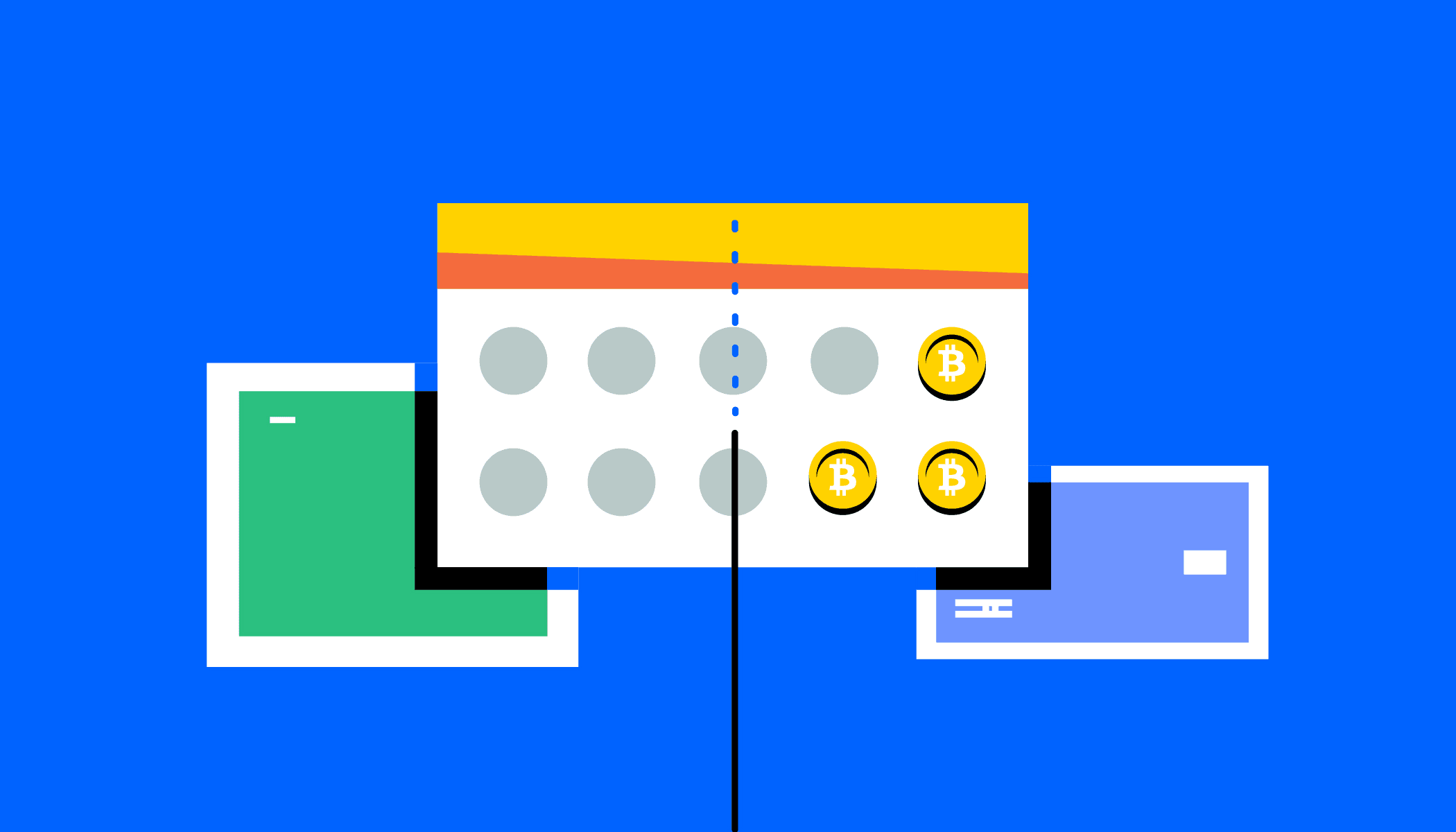
Miners feel the halving as an immediate revenue shock because the coins they earn per block decrease, while their power bills remain unchanged.
In practice, this forces quick decisions: upgrade the kit, seek cheaper power, hedge against future production, or shut off rigs until the difficulty and hash rate find a new balance.
How Sudden Is The Hit To Miner's Cash Flow?
The arithmetic is blunt and unforgiving, so miner finances change overnight; for some operations, the margin that covered power and loan payments disappears. The second halving in 2016 reduced the reward from 25 BTC to 12.5 BTC, a type of arithmetic that forces shorter planning horizons and faster capital decisions Investopedia.
Small operators often face a binary choice within weeks, as equipment leases, electricity contracts, and heat management do not align with the halving schedule.
Why Do Some Miners Fold While Others Scale Up?
This is a cost-structure problem more than a market belief problem. When I worked with mixed-size mining pools over several months, a clear pattern emerged: outfits with power costs under a competitive threshold and modern ASICs could weather a halving by tightening selling and riding out price moves; those with older hardware or utility rates above that threshold either sold machines or turned them off within 30 to 90 days.
The painful part is emotional as much as financial; it is exhausting when operators must choose between running at a loss or abandoning sunk capital.
What Technical Levers Actually Restore Profitability?
Miners push three levers, each with tradeoffs:
Efficiency: Swapping to newer ASICs improves joules per terahash, but that requires upfront capital and a months-long payback period.
Location and energy mix: Moving loads to lower-cost or interruptible power reduces variable cost, but the logistics and regulatory overhead are real.
Revenue mix: Some miners increase their reliance on transaction fees and sell less spot BTC while hedging their future production.
Each approach works under different constraints, so choose one based on contract length, capital access, and the speed at which you need cash flow relief.
How Do Miners Use Markets To Smooth The Shock?
Hedging becomes a core tactic. Larger operations often syndicate forward sales or utilize futures and OTC contracts to lock in prices for expected production, thereby reducing immediate sell pressure and protecting working capital. The tradeoff is giving up upside if prices spike, but that certainty lets teams meet payroll and service debt.
When miners deliberately reduce spot sales, they can create short windows of tighter liquidity that traders can exploit, which is why monitoring miner flows is a live edge for execution-aware traders.
Latency as a Profit Killer: Minimizing Slippage in Volatile Crypto Markets
Most traders watch exchange books and price charts because that is familiar and require no new setup. That approach works early on, but as miner behavior and venue liquidity fragment, orders slip, fill rates fall, and opportunity windows close.
Platforms like Buy Crypto centralize on-chain signals, fast execution, and cross-venue perpetual access, allowing traders to react to miner outflows and funding swings with less latency and fewer lost fills.
What Happens To Network Security And Difficulty When Miners Drop Out?
Expect a transient decline in hash rate, then a protocol-level difficulty adjustment that restores block cadence. That adjustment can take days, which is when orphan risk and slower confirmations can surprise high-frequency on-chain activity.
The durable effect is efficiency: capitulation removes the highest-cost hash, leaving a leaner cohort that runs cleaner operations. Emotionally, this pruning feels brutal to those who lose hardware value, but it tightens the system’s economics and nudges the industry toward consolidation and technical improvement.
Beyond the Hype: Centralizing Verified Trading Signals from Decentralized Activity
Bullpen puts all of crypto in one app, Bitcoin, Solana memes, Hyperliquid perps, and Polymarket, so you can stop juggling wallets and bridges, follow the best traders on X with verified PNLs, see who's really winning on a live leaderboard, and get notified the moment top performers open a position.
Buy crypto with Apple Pay, use leverage, or buy Bitcoin with your bank account; deposit today to earn a 500-point bonus and get a free introductory call when you deposit $1,000 or more on Bullpen.
That answer opens one straightforward question that matters next, and it is more challenging than you expect.
What Investors Should Know Before and After a Halving
Expect sharp, short-term swings and a shifting execution environment, not a predictable price ladder. Before a halving, you position for changing liquidity and funding dynamics; after it, you manage the fallout as flows redistribute across:
Perp markets
On-chain pools
Smaller token venues
What Immediate Signals Should You Monitor In The First 72 Hours?
Pattern recognition helps here: funding rates and futures basis often move before spot, then order book depth thins for 24 to 72 hours as retail and institutional flows mismatch. Watch miner outflows, perp funding extremes, mempool congestion, and cross-venue spreads simultaneously, because those metrics reveal whether selling pressure is being absorbed or recycled into leveraged bets.
A sudden mismatch between deep derivatives demand and shallow spot depth is where slippage eats returns.
How Do Miners’ Timelines Change Market Behavior?
According to CoinLedger, the reward for mining Bitcoin transactions is cut in half every 210,000 blocks. Miners plan capital cycles of years, which makes their selling cadence a multi-stage process, rather than a single event.
Expect staged selling, OTC hedges, and temporary reductions in hash rate that can put pressure on short-term liquidity while price discovery occurs. That sequence is why monitoring miner wallet flows and forward hedging announcements gives you a real edge on timing.
How Should I Size Positions And Protect Capital Around The Event?
Constraint-based thinking is the right tool. If you need immediate upside and are trading perpetuals, cap leverage, size entries in tranches, and lock hedges when funding rates blow out, when your goal is long-term accumulation, use dollar-cost averaging with fixed tranche sizes to avoid emotional overbuying during hysterical rallies.
After running execution drills with retail groups from Q4 2020 to Q1 2021, a pattern emerged: Traders who split buys into four to six tranches and set predefined stop or hedge rules preserved capital while remaining exposed to the upside.
Why Do Meme Coins And Low-Cap Tokens Matter Here?
Short answer: Liquidity chases beta. When issuance pressure eases, speculative capital seeks outsized returns and migrates into thinner pools, making those markets hyper-reactive to small orders. Think of liquidity like a river; halving pulls the tide out, and suddenly familiar channels become rocky shoals.
That is where outsized moves and execution risk coexist. If you hunt yield in those pools, plan for abrupt spreads and an exit plan that does not rely on a single venue.
The Funding Rate Arbitrage: Using Centralized Routing to Exploit Cross-Venue Mismatches
Most traders stick to a handful of exchanges because they are familiar and fast. That approach scales until fragmentation and latency create hidden costs, then fills slip and intended hedges miss.
Solutions like Bullpen centralize multi-venue order routing, provide low-latency spot and perpetual access, and surface funding-rate mismatches so traders can execute cross-venue hedges without manually juggling screens, cutting execution drag, and reducing missed-fill risk during tight windows.
What Emotional Mistakes Actually Cost People Money After A Halving?
Problem-first: Impatience and narrative-driven positioning. I have seen traders pile in after a pre-halving run, then panic during a shallow post-halving pullback and sell at the worst moment, turning a potential multi-month opportunity into a realized loss.
That exhaustion is absolute, and it explains why explicit rules for stop placement, tranche sizing, and contingency hedges matter more than a bullish thesis.
What Historical Perspective Should Investors Keep In Mind?
Confident stance: The arithmetic of early issuance shaped market psychology in ways that still echo, as evidenced by CoinLedger. The initial reward for mining a block was 50 BTC, which created the early supply dynamics that still inform the narratives traders chase today. Use that knowledge as context, not prophecy.
Let math inform position sizing and timeline assumptions, but let execution and liquidity signals dictate entry and exit.
That tension between mathematical certainty and messy human behavior is only the beginning.
Related Reading
Buy Crypto Today with Bullpen
It’s exhausting to watch a halving window and feel stuck on the sidelines; after redesigning onboarding for retail traders in short sprints, we found that simple, no-friction entry removes the hesitation that turns opportunities into regrets. If you want to move from watching to trading, consider Bullpen.
75% of retail investors are considering buying crypto today, according to the Bullpen, Strategy& Crypto Survey. Additionally, 50 million new crypto wallets were created in the last year, indicating that the market is gathering where the onramp is simplest.
Last Updated:
January 27, 2026