
Polymarket prediction market explanation: Learn how Polymarket works, how prices show odds, and how YES/NO shares pay out. Read more.
Ever wonder what it would be like if you could bet real money on whether it will rain next Tuesday, who wins the next election, or even the outcome of global events? Polymarket turns that possibility into reality through its decentralized prediction market platform, where users trade on the outcomes of real-world events using blockchain technology. Understanding how to bet on Polymarket opens up a world where your informed opinions can translate into actual profits, but first, you need to grasp the fundamentals of how this prediction market operates, from market mechanics to outcome resolution.
Before you can start trading on any prediction market, you need to fund your account with cryptocurrency, which is where Bullpen's solution to buy crypto becomes essential for newcomers. Getting started with prediction markets means converting your traditional currency into the digital assets that power platforms like Polymarket, and Bullpen streamlines this process so you can focus on analyzing markets and making informed predictions rather than struggling with complicated exchange processes.
Table of Content
Summary
Prediction markets are trading environments where prices move continuously based on supply and demand, not fixed betting odds set by a bookmaker. According to Forbes, prediction markets quadrupled resting capital to $13 billion in 2025, reflecting institutional-grade market activity with traders entering positions, adjusting exposure, and responding to information asymmetries in real time rather than placing bets and walking away.
Financial risk filters signal from noise because traders with actual conviction put capital behind their beliefs, while uncertain participants stay out or take smaller positions. Bitfinex research found that prediction markets outperformed traditional polls by 3 to 5 percentage points in predicting the outcome of the 2024 U.S. presidential election.
Most users confuse price confidence with market truth by treating current market prices as definitive conclusions rather than snapshots of positioning. A market trading at 70 percent reflects what traders are doing right now, not what will happen. Users who ignore liquidity and market depth fail to distinguish between high-activity markets shaped by many participants and low-volume markets where prices can move on limited activity.
Timing determines profit more than being correct at resolution because prediction market prices fluctuate continuously as traders react to new information. You can buy at 34 cents when a signal is weak, exit at 68 cents when the market catches up, and move capital into the next mispricing while others wait weeks for resolution.
Cross-market information moves faster than fragmented workflows can process, creating lag that turns good timing into missed opportunities. When a geopolitical event simultaneously affects both a prediction market and related token prices, traders monitoring separate dashboards lose critical seconds while competitors with unified interfaces spot correlated mispricings and execute immediately.
Bullpen's buy crypto addresses this by integrating prediction markets natively alongside perpetuals and token trading within a unified interface, allowing traders to monitor sentiment shifts across asset classes simultaneously and act on mispricings before competitors finish switching browser tabs.
Most People Misunderstand What a Prediction Market Is
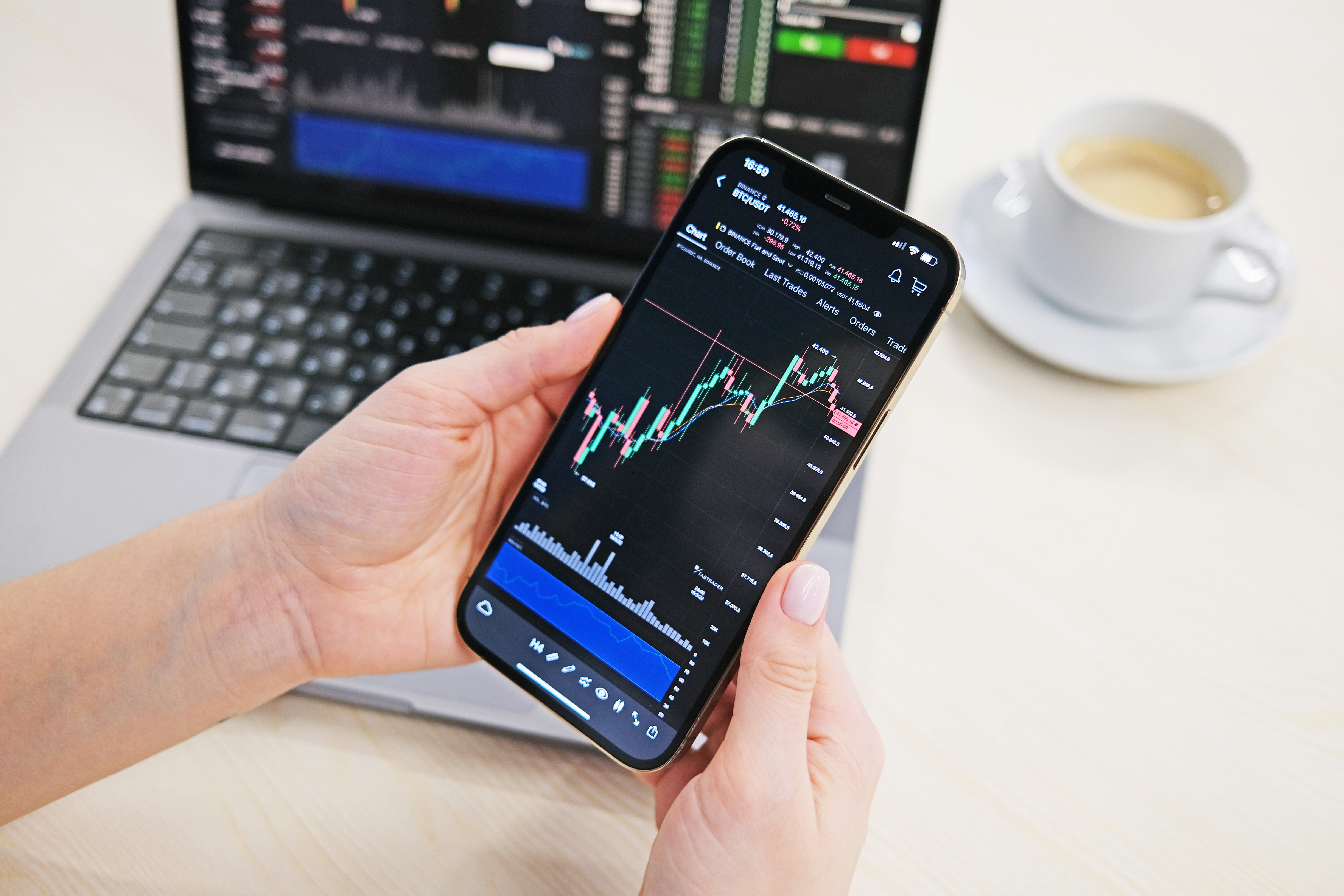
Most people walk into Polymarket thinking it works like a sportsbook. You pick an outcome, lock in your position, and wait for the event to resolve. That mental model feels familiar because it mirrors how traditional betting platforms operate. But prediction markets don't function that way at all.
The confusion starts with the interface. When you see "Will candidate X win the election?" with prices at 62¢ for Yes and 38¢ for No, it looks like odds. You think: "I believe Yes, so I'll buy at 62¢ and collect $1 if I'm right." That's betting logic. But those prices aren't static odds set by a bookmaker. They're live market prices determined by thousands of traders buying and selling shares every minute, reacting to polls, news cycles, debate performances, and shifting sentiment in real time.
Prediction Markets are Trading Environments, Not Wager Systems
The scale makes this distinction impossible to ignore. According to Forbes, prediction markets quadrupled resting capital to $13 billion in 2025, reflecting continuous liquidity and active position management across hundreds of thousands of participants. That's not people placing bets and walking away. That's institutional-grade market activity, with traders entering positions, adjusting exposure, taking profits, cutting losses, and responding to emerging information asymmetries.
Market Mispricing and Probability Trading
When you treat this like betting, you miss the entire value creation mechanism. Traders who understand market dynamics don't just ask "What will happen?" They ask: "What does the market think will happen right now, and where is that assessment wrong?" They're looking for mispricings.
A trader might buy Yes at 45¢ not because they're certain the outcome will occur, but because they believe the probability is closer to 60% and the market hasn't yet caught up. If the price moves to 58¢ over the next week as new information arrives, they can sell and lock in profit without waiting for a resolution. They were right about the market's direction, not necessarily the final outcome.
Market Timing and Information Asymmetry
This is where most users get stuck. They enter a position based on conviction, watch the price move against them as the market digests information faster than they do, and hold until resolution, hoping to be vindicated.
Even when they're correct about the final outcome, they often lose money because they bought at the peak of optimism when the market had already priced in their thesis. The opportunity wasn't at 87¢ when everyone agreed. It was at 34¢ three weeks earlier when the signal was still weak, and most participants hadn't noticed yet.
Unified Interface and Strategic Integration
Platforms like Bullpen recognize this distinction by integrating prediction markets alongside perpetuals and token trading within a unified interface, treating them as complementary instruments within a broader onchain trading strategy rather than isolated wagers.
This framing reinforces what experienced traders already know:
Value comes from timing
Positioning
Reading market sentiment, not just being correct when the event resolves
But if prediction markets aren't betting, what exactly are they?
What a Prediction Market Actually Is

A prediction market is a marketplace where people trade on their beliefs about what will happen. At its core, it functions like any other financial market, except that the asset being traded is an outcome. Instead of buying stocks or currencies, you are buying and selling shares tied to real-world events, typically structured as simple yes-or-no positions.
Behind that simplicity is a continuous pricing system. Every trade moves the market. When more people buy "yes," the price increases. When more people sell, it decreases. This is driven entirely by supply and demand, not by a fixed set of odds or a central authority.
That price becomes the signal. If a market is trading at 0.70, it means participants are currently willing to price that outcome at 70 percent. But that number is not assigned. It is discovered through trading activity.
Price Discovery, Not Prophecy
This is where most confusion comes from. A prediction market does not forecast the future in the way a model or analyst might. It reflects how participants are positioned in real time, based on the information available to them and the risk they are willing to take. As new information enters the market, prices adjust. Sometimes quickly, sometimes slowly, depending on how traders interpret and act on that information.
This is why prediction markets are often described as information aggregators. They pull together different views, incentives, and data points into a single, continuously updating price. But that price is not true. It is a snapshot of current belief, expressed through capital.
Native Integration and Dashboard Consolidation
Most traders treat these markets like isolated instruments, toggling between browser tabs to track tokens, perpetuals, and prediction outcomes separately. As information velocity increases and edge windows compress, that fragmentation becomes expensive.
Platforms like Bullpen integrate prediction markets natively alongside other trading instruments in a unified interface, allowing traders to monitor sentiment shifts across asset classes simultaneously and act on mispricings faster than competitors who are stuck refreshing multiple dashboards.
Price Discovery and Dynamic Probabilities
The key point: A prediction market is not about forecasting outcomes. It is about price discovery, where probabilities are constantly formed and reformed through trading. The value lies not in being right at resolution, but in understanding how the market will reprice as new information arrives.
So, how does this actually work when you open Polymarket and see a question staring back at you?
Related Reading
How Polymarket Works (Step-by-Step)
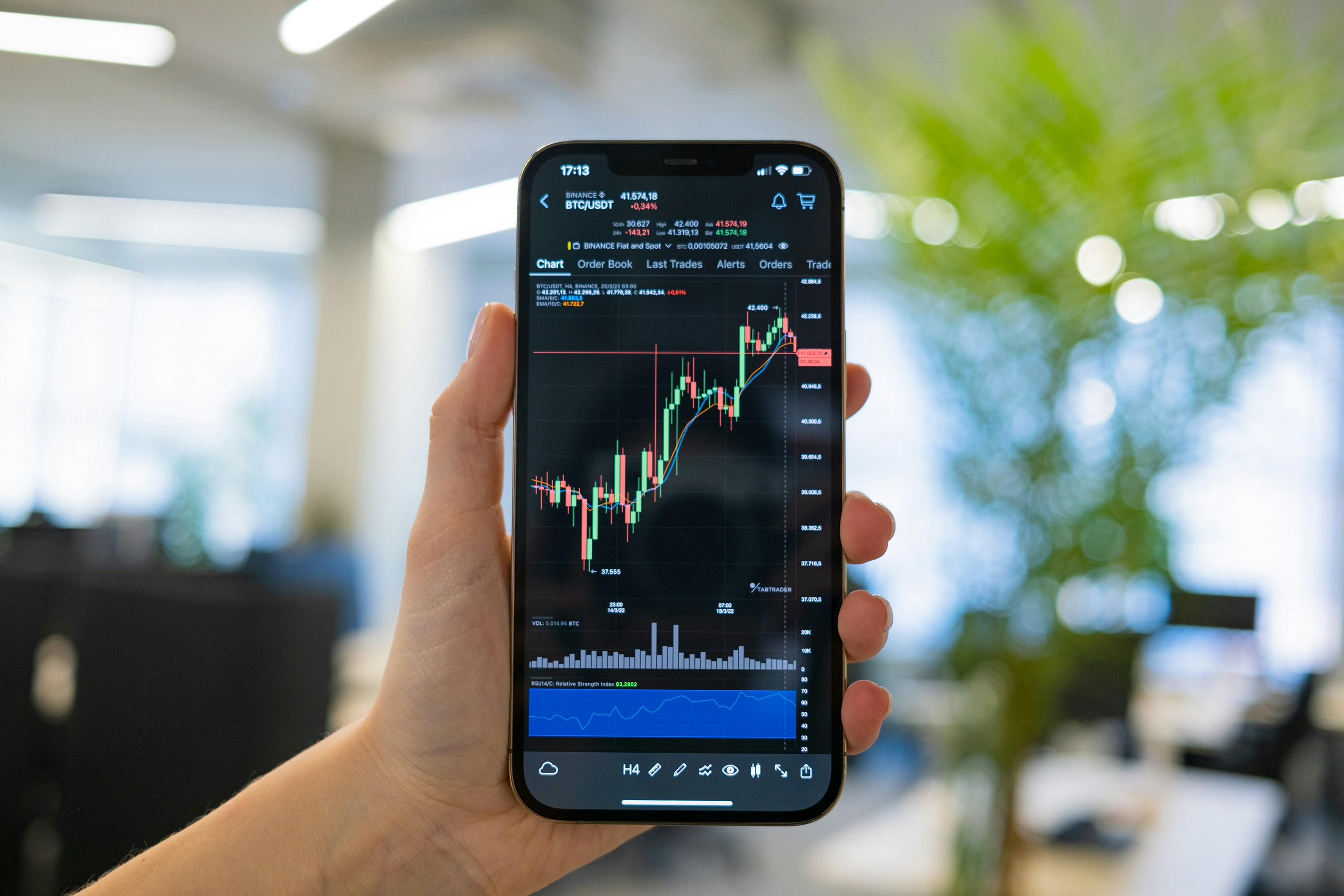
Polymarket operates as a live trading system where outcomes are bought and sold like financial instruments. You're not locking in a bet. You're entering a position that can change value every minute based on how the market interprets new information, sentiment shifts, and capital flows.
Markets are Built Around Verifiable Events
Everything begins with a question tied to a measurable outcome. “Will inflation exceed 3% in Q2?” or “Will this bill pass by June 30th?” Each market includes predefined resolution criteria, meaning there's an explicit rule for what counts as yes or no when the event concludes.
This clarity matters because ambiguity creates disputes, and disputes destroy trust. When traders know exactly how a market resolves, they can price risk with confidence rather than guessing how an arbiter might interpret the outcome later.
Shares Represent Positions, Not Predictions
Once a market goes live, participants buy or sell shares in each outcome. According to WixenCo, each outcome has a price between $0 and $1, representing the current market value of that position. A "yes" share pays out $1 if the event happens. A "no" share pays out $1 if it doesn't pay out. But you're not placing a fixed wager and waiting.
You're taking a position that fluctuates in value as other traders react to polls, announcements, regulatory filings, or any signal they believe changes the probability. If you buy "yes" at $0.42 and the price moves to $0.61 as sentiment shifts, you can exit and capture that spread without waiting for resolution. The profit came from reading the market's direction, not from being correct about the final outcome.
Prices Move Through Continuous Trading Activity
No central authority sets these prices. They emerge entirely from supply and demand. When more traders buy "yes," the price rises. When more sell, it falls. This creates a real-time feedback loop where every trade adjusts the market's implied probability.
Traders who understand this don't just ask "What will happen?" They ask, "Where is the market mispricing this right now, and how will it reprice when new information arrives?" That shift in framing separates those who treat prediction markets as wagers from those who treat them as trading instruments.
Cross-Market Integration and Execution Speed
Many traders still toggle between separate dashboards to track prediction markets, perpetuals, and token movements, losing critical seconds when information hits multiple markets simultaneously.
Platforms like Bullpen integrate prediction markets natively alongside other onchain instruments within a unified interface, allowing traders to monitor cross-market sentiment shifts and act on correlated mispricings faster than competitors refreshing browser tabs. When a geopolitical event moves both a prediction market and related token prices, that integration becomes the difference between capturing an edge and watching it evaporate.
Resolution Settles Positions, But Timing Determines Profit
When the event concludes, the market resolves based on its predefined criteria. If the outcome is yes, all yes shares settle at $1, and "no" shares go to $0. If the outcome is "no," the reverse happens. Positions close, payouts are distributed, and the market ends.
But here's what most people miss: you don't need to hold until resolution to profit. Because prices move continuously, your edge comes from anticipating how the market will reprice as new information arrives, not from being right when the event finally settles. You can enter at $0.34 when a signal is weak, exit at $0.68 when the market catches up, and move capital into the next mispricing while others are still waiting for resolution three weeks later.
Why Prediction Markets Can Be Powerful

Prediction markets aggregate dispersed information, attach financial consequences to that information, and update continuously as new signals emerge. Those three characteristics create a forecasting mechanism fundamentally different from polls, expert panels, or committee-driven analysis.
When someone risks capital on an outcome, they're forced to weigh evidence more carefully than when they're simply offering an opinion. That incentive structure changes both the quality of input and the speed at which markets incorporate new data.
Real-Time Information Processing Replaces Delayed Consensus
Traditional forecasting methods operate in cycles. Polls require time to design, field, and analyze. Expert committees meet periodically. Reports get published on fixed schedules. Prediction markets process information the moment it becomes available.
A debate performance, an unexpected policy announcement, or a leaked internal memo (any signal that traders consider relevant) moves prices within minutes. Prediction markets outperformed traditional polls by 3-5 percentage points in forecasting the 2024 U.S. presidential election outcome, largely because markets adjusted to late-breaking developments while polling models struggled to capture rapid sentiment shifts in their final waves.
Financial Risk Filters Noise From the Signal
When participation costs nothing, people express preferences casually. When it costs real money, behavior changes. Traders with actual conviction put capital behind their beliefs. Those who are uncertain stay out or take smaller positions.
This creates a natural weighting system where the most confident participants (those willing to risk the most) have the greatest influence on price. That's not perfect, overconfidence exists, but it's more disciplined than unweighted opinion aggregation, where every voice counts equally regardless of knowledge, track record, or stake in the outcome.
Workflow Consolidation and Correlated Trading
The challenge comes when traders treat prediction markets as isolated instruments, monitoring them separately from correlated assets. When a geopolitical event simultaneously affects both a prediction market and related token prices, fragmented workflows create lag.
Platforms like Bullpen integrate prediction markets natively alongside perpetuals and token trading within a unified interface, allowing traders to spot cross-market mispricings and act on correlated movements before competitors finish switching browser tabs.
Accuracy Depends on Structural Conditions, Not Magic
Prediction markets work when liquidity is sufficient, participation is diverse, and resolution criteria are unambiguous.
Without liquidity, small trades lead to wild price swings that don't reflect genuine shifts in probability.
Without diverse participants, markets become echo chambers where everyone shares the same blind spots.
Without clear resolution criteria, traders can't price risk accurately because they don't know what they're actually betting on.
When those conditions hold, prediction markets aggregate information effectively. When they don't, prices become unreliable, sometimes spectacularly so.
Structural Advantage and Capital Efficiency
The power isn't that markets are inherently smarter than other forecasting methods. The power is structural. Continuous updating, financial accountability, and decentralized information aggregation create a system in which mispricings are corrected faster than in environments with periodic updates and abstract consequences. You profit from recognizing those mispricings early, not from waiting for the event to resolve.
But knowing how prediction markets aggregate information doesn't prevent the mistakes that drain most participants' capital within their first few weeks.
Related Reading
How Does Polymarket Work
Polymarket Prediction Market: How It Works
Polymarket Fee Structure
Polymarket Prediction Market Accuracy
When Will Polymarket Be Legal In The US
How Does Polymarket Resolve Markets
Where Most Users Get It Wrong

By the time users understand how Polymarket works, most still make the same mistake. They apply the wrong mental model. The first issue is treating price as the truth rather than positioning. A market price looks definitive. If something is trading at 70 percent, it feels like a strong signal. But that number is not a conclusion.
It is a snapshot of current positioning. It reflects what traders are doing right now, not what will happen. When users treat it as truth, they stop questioning whether the market is early, late, or mispriced.
Ignoring Liquidity Creates False Equivalence
The second mistake is ignoring liquidity and market depth. Not all markets carry the same weight.
In high-activity markets, prices are shaped by many participants and tend to adjust efficiently.
In low-volume markets, prices can move on limited activity and may not reflect real consensus.
Most users do not make that distinction. They see a number and assume it is equally reliable everywhere, whether it's a presidential election with millions in volume or a niche policy question with $3,000 in open interest.
Following Narratives Instead of Price Action
Then there are the following narratives, rather than price action. News spreads fast. Narratives form even faster. By the time a story becomes obvious, the market has usually already reacted. Traders who enter based on headlines are often stepping in after the move, not before it. The price already reflects what they are reacting to. This is where the emotional pull becomes expensive. You read breaking news, feel the urgency, and buy immediately, only to realize the market moved 20 points in the previous 90 minutes while you were still reading the article.
Active Management and Momentum Capture
Many users hold until resolution instead of trading the movement. They treat positions as all-or-nothing bets, waiting to be right at the end. But Polymarket allows continuous entry and exit. The real opportunity is often in the movement, when a price shifts from one level to another, not just the final outcome.
Holding too long turns a good entry into a missed opportunity. You bought at 34 cents when the signal was weak, watched it climb to 68 cents as the market caught up, but stayed in, hoping for $1 at resolution. Three weeks later, new information reversed sentiment, the price dropped back to 41 cents, and you exited with minimal profit instead of locking in the 34-cent gain when momentum peaked.
Strategic Gaps and Operational Knowledge
All of these mistakes point to the same underlying issue. Users understand the interface, but not the mechanics. They know how to place a trade. They do not know how to read the market, when to enter, or when to exit. That gap between operational competence and strategic understanding is where most capital gets drained.
But understanding where users fail only matters if you know what separates traders who survive from those who don't.
How Bullpen Helps You Use Prediction Markets Like a Trader
Prediction markets stop being confusing when you can see what successful traders are actually doing. Bullpen surfaces verifiable performance data and live positioning from traders with proven track records, giving you a reference point beyond your own interpretation. Instead of guessing whether a price move signals opportunity or noise, you watch how traders who consistently generate returns are positioning across markets in real time.
Verified Performance Replaces Guesswork
Most platforms show you prices. Bullpen shows you who's profiting from those prices. The leaderboard tracks traders with documented PnL across tokens, perpetuals, and prediction markets, creating a transparent hierarchy based on actual results rather than follower counts or self-reported wins.
When you see a trader with a 40% return over three months entering a position at 0.52 on a market you're watching, that's not a tip. It's data. You can evaluate their track record, review their previous positions, and decide whether their thesis aligns with your own analysis or contradicts it in ways worth examining.
Real-Time Synergy and Correlated Response
This matters because prediction markets move fast. A geopolitical announcement hits, sentiment shifts across multiple correlated markets, and prices adjust within minutes. Traders monitoring separate dashboards miss the cross-market signal while they're still switching tabs. Outlier added bullpen and relief-pitcher data to its app in August 2025, recognizing that granular, real-time information creates an edge in time-sensitive markets.
Bullpen applies that same principle across prediction markets, perpetuals, and tokens within a unified interface. When a policy announcement simultaneously moves a governance token and related prediction market, you see both price reactions on one screen and can act on the correlation before fragmented workflows create lag.
Instant Alerts Compress Reaction Time
Edge exists in the seconds between when information becomes available and when the broader market prices it in. Bullpen sends alerts when top-performing traders enter or exit positions, giving you visibility into movements as they happen rather than after prices have already adjusted.
You're not chasing trades. You're seeing positioning unfold in real time, which lets you evaluate whether the move reflects new information you missed or represents a contrarian bet worth investigating further.
Execution Efficiency and Context Compression
The integration removes friction at the execution layer. You don't need separate wallets for prediction markets and token trades. You don't toggle between platforms to check liquidity or compare related markets.
Everything operates from a single interface where you can monitor sentiment across asset classes, track correlated price movements, and execute positions without switching contexts. That compression matters when information moves faster than manual workflows can process it.
Public Performance Creates Accountability
When trades are visible and PnL is verifiable, performance becomes the filter. You can follow traders based on documented results across specific market types, whether they consistently profit from short-term momentum plays, longer-term thesis trades, or volatility arbitrage. That transparency shifts the dynamic from trusting opinions to evaluating track records. You're not asking "Who sounds smart?" You're asking, "Who makes money doing this, and how are they positioning right now?"
But understanding how to use prediction markets like a trader only matters if you can actually execute without the friction that turns good timing into missed opportunities.
Related Reading
• Polymarket Prediction Market Features
• Polymarket Trading Strategies
• How To Use Polymarket In The US
• How To Create A Market On Polymarket
• How To Fund a Polymarket Account
• Polymarket Analytics Tools
• How To Make Money On Polymarket
• How To Copy Trade On Polymarket
• How To Invest In Polymarket
Buy Crypto Today With Bullpen
Deposit on Bullpen today, and you're not just accessing prediction markets. You're stepping into an environment where performance is visible, positioning is transparent, and execution happens without the friction that turns good timing into missed opportunities. You can monitor what top traders are doing across Polymarket, see their verified track records, and get real-time alerts when they enter or exit positions. From your first session, you're trading alongside proven performers instead of guessing what probabilities mean in isolation.
Unified Visibility and Cross-Asset Response
The difference shows up immediately. You're not toggling between separate platforms to check prediction markets, then switching tabs to execute token trades, then opening another dashboard to monitor perpetuals.
Everything operates from a unified interface where correlated price movements become visible across asset classes simultaneously. When a geopolitical event shifts both a prediction market and related token prices, you see both reactions on one screen and can act on the correlation before competitors finish refreshing browser tabs.
Transparency and Performance Benchmarking
Most traders spend weeks learning prediction markets through trial and error, draining capital on mistakes that could have been avoided by watching how experienced participants position. Bullpen compresses that learning curve by surfacing verifiable performance data and live positioning from traders with documented results.
You evaluate track records, review previous positions, and decide whether their thesis aligns with your analysis or contradicts it in ways worth investigating. That's not following blindly. That's using transparency as a reference point while you develop your own edge.
Frictionless Execution and Workflow Integration
The platform removes execution friction at every layer.
You don't need separate wallets for different market types.
You don't manually track liquidity across fragmented venues.
You monitor sentiment, identify mispricings, and execute positions without switching contexts.
When information moves faster than manual workflows can process it, that integration becomes the difference between capturing the edge and watching it evaporate while you're still logging into another platform.
Integrated Tools and Performance Transparency
Prediction markets work when you understand price discovery, read positioning instead of headlines, and act on mispricings before the broader market catches up.
Bullpen gives you the tools to do that from day one:
Verified performance data
Real-time alerts
Cross-market visibility
Frictionless execution within a single interface
You're not learning in the dark. You're trading where performance is public and speed actually matters.
Last Updated:
April 6, 2026