
Where is Polymarket based? Learn how its New York ties, platform structure, and geographic rules affect access and trading decisions.
If you're curious about how to bet on Polymarket, understanding where this prediction market platform is actually based matters more than you might think. The platform's jurisdiction affects everything from regulatory oversight to user access, payment methods, and legal protections. This article will walk you through Polymarket's operational headquarters, its legal structure, and why its location shapes your entire betting experience.
When you're ready to start placing bets, you'll need cryptocurrency to participate on the platform. Bullpen's buy crypto solution makes it simple to acquire the digital assets you need for Polymarket, removing the friction between wanting to make predictions and actually getting started. Instead of navigating multiple exchanges and complicated processes, you can focus on what matters: making informed bets on the events and outcomes you care about.
Summary
Polymarket operates through a jurisdictionally split structure in which the technology exists on a borderless blockchain, while the legal entity maintains U.S. regulatory ties. The company paid a $1.4 million CFTC fine in 2022 for operating an unregistered derivatives exchange, yet simultaneously blocks U.S. users from its international platform.
Prediction market trading volume exceeded $3 billion in Q3 2025 alone, representing more than five times the volume from the same quarter a year earlier. This exponential growth means the jurisdictionally ambiguous structure of platforms like Polymarket now affects billions of dollars in real capital flows.
Geographic location determines not just whether you can access prediction markets, but what compliance requirements you face and which markets become available to you. The same smart contracts execute identically whether called from Singapore or Portugal, but the platform's compliance layer screens connections by IP address and implements different KYC requirements depending on jurisdiction.
Traders now navigate over 1,000 active blockchains according to CoinDesk's analysis, with each chain introducing distinct bridging requirements and liquidity constraints. The friction compounds when you need to move between prediction markets, perpetual futures, and token swaps across separate platforms.
The cognitive overhead of managing disconnected tools creates measurable execution delays that matter when timing drives profitability. You might spot an edge in a prediction market while your capital sits locked in a perpetual position on another platform, and by the time you close that position, bridge the funds, and reconnect your wallet, the opportunity has disappeared.
Bullpen addresses this by consolidating Polymarket, Hyperliquid, and Jupiter into a single interface that routes trades across prediction markets, perpetuals, and token swaps without requiring separate wallets or manual jurisdictional verification for each protocol.
Table of Contents
Where Polymarket is Based Isn’t as Simple as it Looks
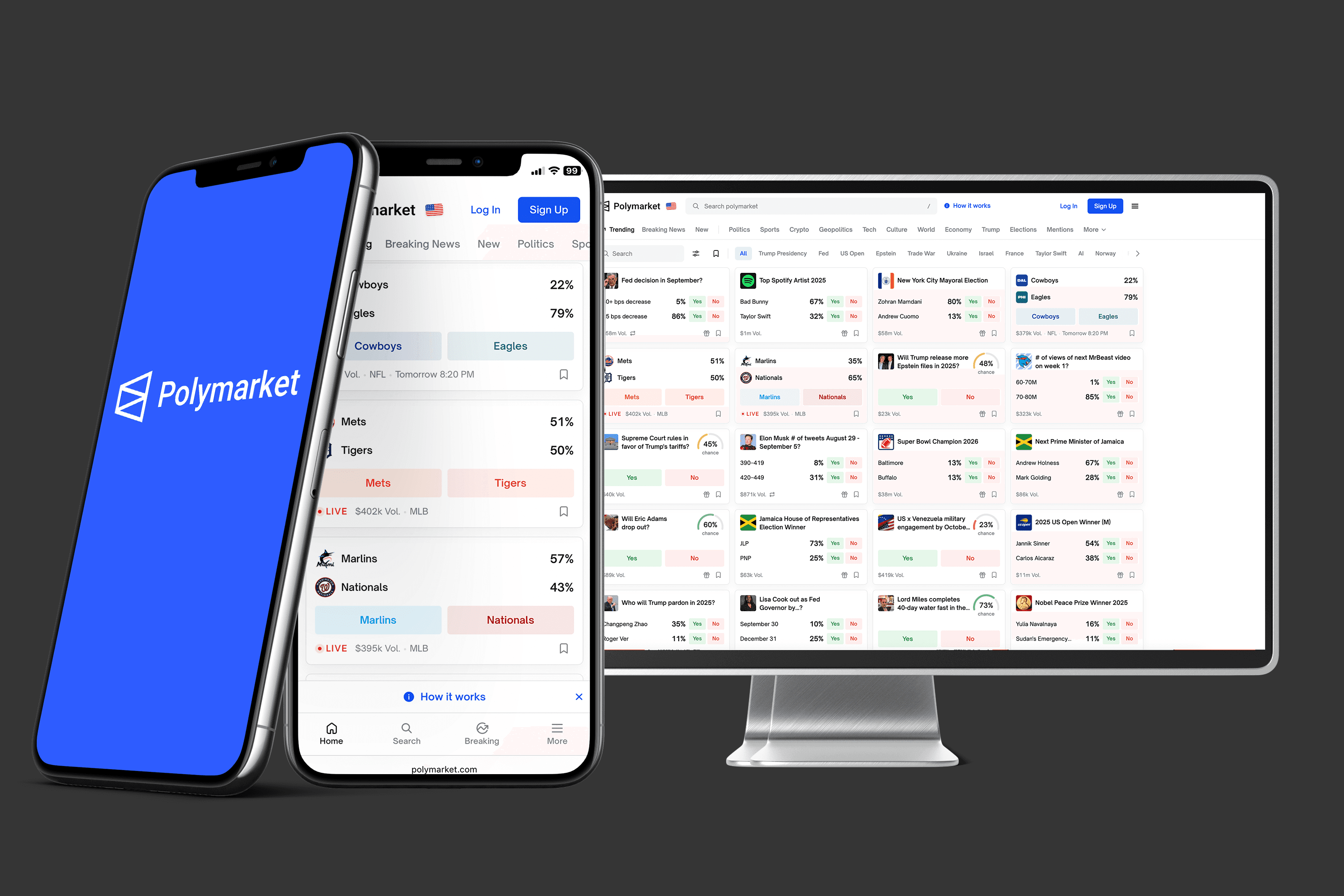
Polymarket operates through a globally accessible blockchain infrastructure while maintaining corporate ties to the United States. The platform runs on Polygon, a decentralized network with no single geographic home, yet the company behind it has faced U.S. regulatory scrutiny and enforcement actions. This creates a structural paradox: the technology exists everywhere, yet the legal entity is subject to specific jurisdictions. Most people expect platforms to work like traditional brokerages. You visit a website, the company operates from a headquarters, and the rules follow a single country's laws. That mental model breaks when you encounter crypto-native prediction markets.
Why Traditional Company Structures Don't Apply Here
Polymarket separates three layers that conventional businesses bundle together. First, there's the corporate entity and its regulatory relationships. Second, there's the blockchain infrastructure where trades actually execute. Third, there's the access layer that determines who can participate based on their location.
Regulatory Enforcement and Geo-Fencing
The company has significant U.S. connections. According to Wikipedia's article on Polymarket, the platform paid a $1.4 million fine to the Commodity Futures Trading Commission in 2022 for operating an unregistered derivatives exchange. That enforcement action happened because U.S. regulators viewed Polymarket's activities as falling under their jurisdiction, regardless of where the blockchain runs. Yet the platform simultaneously restricts U.S. users' access. You can be physically located in America, where the regulatory enforcement occurred, and still be blocked from using the service. The infrastructure exists on a permissionless blockchain that anyone could theoretically access, but the company implements geographic restrictions to comply with the same regulations that led to the fines.
What Does This Mean When You Want to Participate
When you try to use Polymarket, your experience depends less on where the platform "is" and more on where you are. The blockchain doesn't care about borders. The smart contracts processing trades operate identically whether you're in Singapore, Portugal, or Kenya. But the company's compliance layer does care, and it uses IP detection and other methods to enforce access rules. This fragmentation creates friction for traders who want to participate across multiple protocols. You might access Polymarket from one jurisdiction, trade perpetuals on Hyperliquid from another context, and swap tokens on Jupiter, each with different geographic considerations.
Centralized Access and Market Growth
Platforms like Bullpen consolidate these disparate protocols into a single interface, letting you move between prediction markets, perpetuals, and token trading without managing separate access points or navigating multiple compliance frameworks for each protocol. The scale makes this complexity matter more. Forbes reports that prediction market trading volume exceeded $3 billion in Q3 2025 alone, more than five times the volume from the same quarter a year earlier. When billions of dollars flow through platforms built on this jurisdictionally ambiguous structure, the question of "where it's based" stops being academic and starts affecting real access, real money, and real regulatory risk.
Where Polymarket is Officially Registered
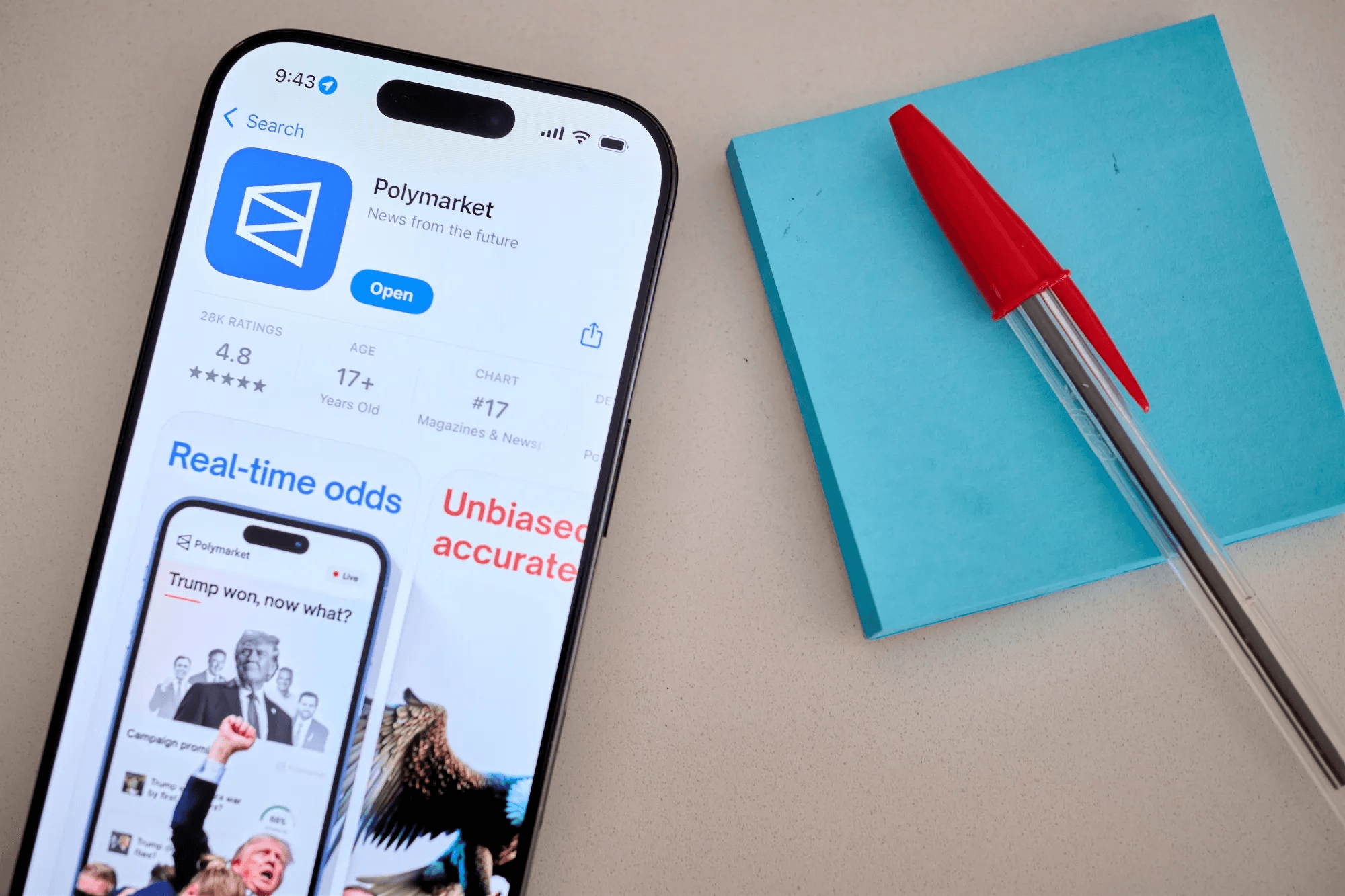
The corporate structure starts with Blockratize, Inc., a Delaware corporation with operations based in New York. That's the traditional business entity that U.S. regulators could identify, contact, and ultimately fine. Delaware incorporation is standard for U.S. tech companies because of favorable corporate law, but it also means the entity falls squarely within American legal jurisdiction. That structure worked fine until it didn't. The CFTC's enforcement action in 2022 forced a split. Now there's Polymarket US, operated by QCX LLC as a regulated Designated Contract Market, and the international platform serving users outside the U.S. jurisdiction. Two entities, two regulatory frameworks, one brand name.
The Regulatory Split Creates Two Separate Platforms
After Fortune reported that Polymarket had been absent from U.S. markets for almost four years, the company restructured to re-enter the U.S. markets under CFTC oversight. The U.S. entity operates with the compliance infrastructure American regulators demand:
Registration requirements
Reporting obligations
Oversight mechanisms
The international platform operates without those constraints, serving markets where prediction trading faces less regulatory friction.
Infrastructure vs. Jurisdiction
This isn't unusual in crypto. Exchanges routinely split operations between U.S. and international entities because American securities law treats most crypto assets differently from how other jurisdictions do. What makes Polymarket's case distinct is that the underlying blockchain infrastructure remains identical across both versions. The smart contracts processing trades don't change based on which legal entity you're accessing them through.
Why the Registration Location Matters Less Than Access Rules
You can trace Polymarket's corporate lineage back to specific addresses in Delaware and New York, but that tells you nothing about whether you can actually use the platform. The registration determines who the company legally represents. The access controls determine whether your wallet gets blocked when you try to connect. The gap between those two things creates the friction traders actually experience. Someone in Brazil faces no restrictions accessing the international Polymarket. Someone in Texas must use the CFTC-regulated version, which has different market offerings and compliance requirements.
Automated Jurisdictional Routing
Someone in a sanctioned jurisdiction gets blocked entirely, regardless of which entity they're trying to access. The blockchain doesn't enforce these rules. The company's compliance layer does so using IP detection, wallet screening, and other methods to segment users by geography. Platforms that aggregate multiple protocols handle this complexity by routing your trades through whichever infrastructure you can legally access. Bullpen connects to Polymarket's smart contracts, alongside Hyperliquid for perpetuals and Jupiter for token swaps, letting you move between different trading types without manually verifying which jurisdictional version of each protocol you should use.
Unified Access and Compliance
The routing happens behind a single interface, removing the friction of managing separate access points across protocols with different geographic restrictions. The truth is, "where it's registered" answers the wrong question. What you actually need to know is which version of the platform you can access, which markets are available in that version, and how compliance requirements differ by location. But even that doesn't tell you the full story about what happens when you actually try to trade.
Related Reading
Why Is Polymarket invite-only
Where Is Polymarket Based
How To Withdraw From Polymarket
How Old Do You Have To Be To Use Polymarket
When Will Polymarket Be Legal In The Us
Why Location Matters for Users (More Than You Think)
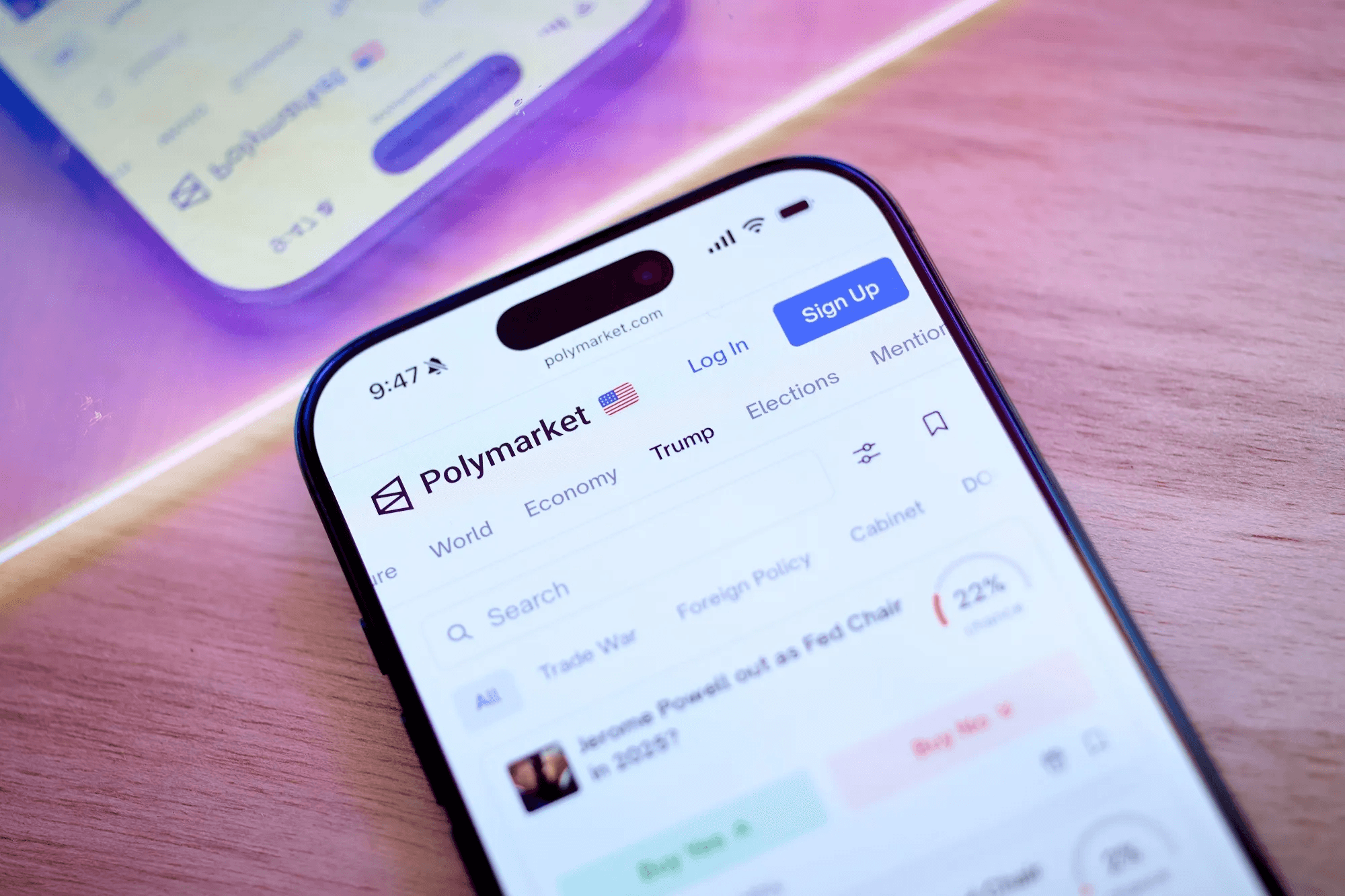
Location determines whether you can access Polymarket at all, what markets you can trade, and what happens to your funds if something goes wrong. The platform doesn't operate uniformly across the world. Your physical location shapes your entire experience, from the moment you try to connect your wallet to the point where you attempt to withdraw funds.
Access Isn't Universal, Even on a Global Blockchain
The blockchain itself has no borders. Smart contracts on Polygon execute the same way whether called from Tokyo or Toronto. But Polymarket's compliance layer sits between you and those contracts, screening connections based on IP addresses and wallet histories. If you're in a restricted jurisdiction, you hit a wall before you ever see a market. The platform blocks your connection, not because the technology can't serve you, but because the legal structure won't allow it. Two traders with identical technical setups face completely different realities based solely on geography.
Compliance Requirements Shift With Your Location
KYC demands vary dramatically depending on where you access the platform. Some users connect a wallet and start trading immediately. Others face identity verification requirements, document uploads, and waiting periods before they can participate in any market. This isn't about the platform being cautious. It reflects how different jurisdictions regulate prediction markets, derivatives trading, and the handling of crypto assets. According to research on location data, 86% of consumers say personalized experiences increase their brand loyalty, but in crypto trading, personalization often means restriction. Your location determines which regulatory framework applies to your activity, and that framework dictates what the platform can legally offer you.
The Risk of Sudden Account Limitations
Access today doesn't guarantee access tomorrow. Platforms adjust geographic restrictions as regulations evolve or enforcement priorities shift. You might trade successfully for months, then suddenly face account freezes, withdrawal delays, or complete loss of access. The fragmentation creates real friction. Managing separate accounts across Polymarket for predictions, Hyperliquid for perpetuals, and Jupiter for token swaps means navigating different compliance frameworks for each protocol.
Unified Jurisdictional Routing
Platforms like Bullpen consolidate these protocols behind a single interface, routing your activity through whichever infrastructure you can legally access without requiring you to manually verify jurisdictional compatibility for each trade type. But understanding where you can access the platform only matters if you know how it actually functions across those borders.
How Polymarket Actually Operates Across Borders
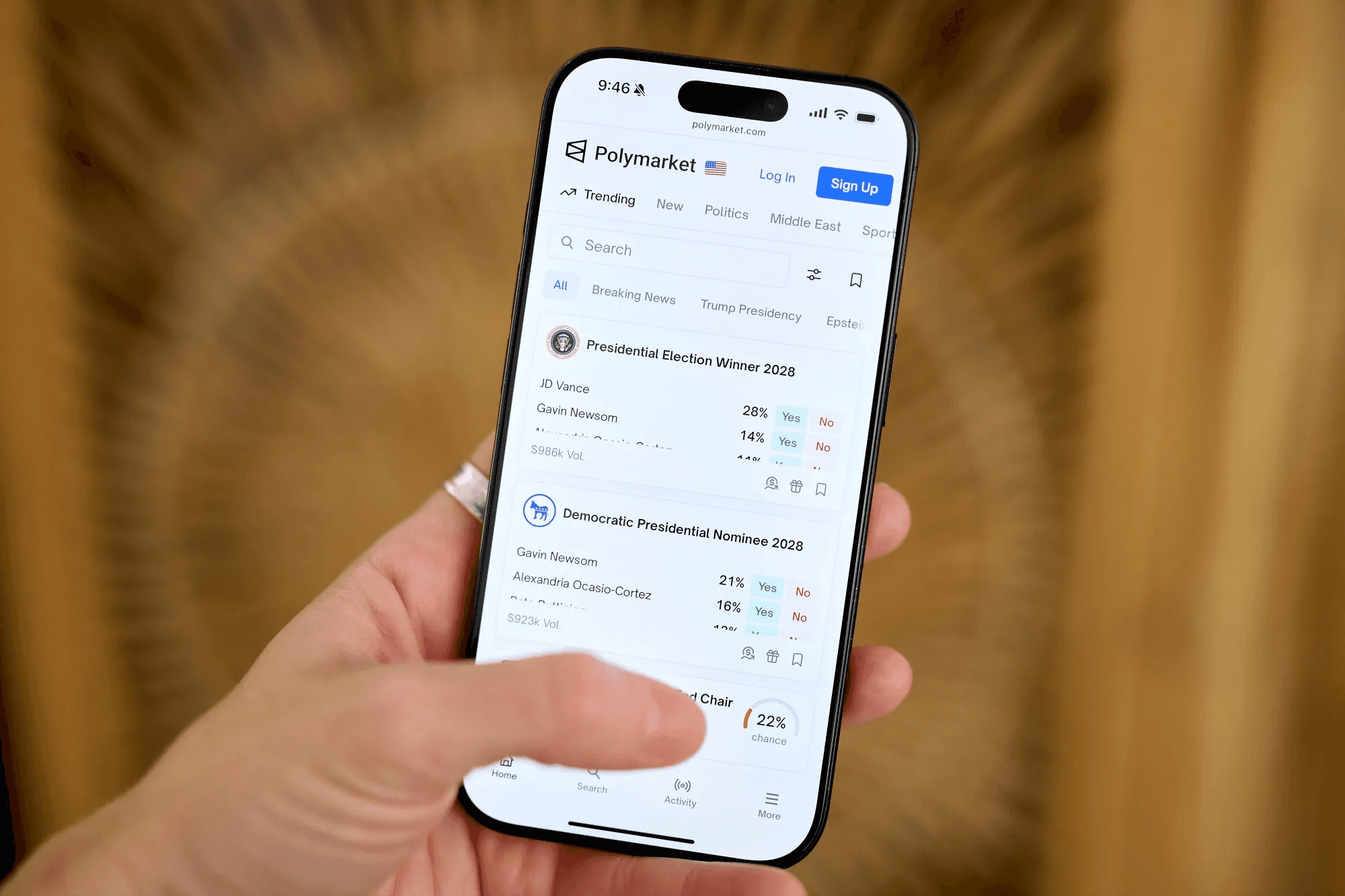
To understand how Polymarket works globally, you have to separate how the technology operates from how access is controlled. Because those are not the same thing. At the infrastructure level, Polymarket runs on crypto rails. That means transactions, trades, and settlements happen on blockchain-based systems rather than traditional banking networks. Users fund accounts with stablecoins, interact with markets on-chain, and settle outcomes without relying on country-specific financial systems. This is what makes global participation possible.
The Infrastructure Layer Versus the Access Layer
Anyone with a crypto wallet and internet access can, in theory, interact with the system. Unlike traditional platforms, there is no need for local bank integrations or regional payment processors. But access is not purely technical. Even though the infrastructure is global, the platform layer sits on top of it, and that is where restrictions come in. Polymarket separates the underlying borderless infrastructure from the user interface and platform access, which are controlled. This is why users in some countries can participate freely, while others face restrictions or are blocked entirely.
Why Does This Model Create Both Flexibility and Confusion
The system can operate globally. Access to it is selectively enabled. This model is common across crypto platforms. By using blockchain infrastructure, platforms avoid being fully tied to a single country's financial system. That gives them flexibility to serve a global user base without needing to build local entities everywhere. At the same time, they still apply jurisdiction-based controls to manage regulatory risk. The scale of this matters. Research published by David Obrovitsky shows that Polymarket reached $3.2 billion in trading volume in 2024, demonstrating the extent to which capital flows through these jurisdictionally ambiguous structures. When that much money moves across borders through blockchain rails, the question of operational structure stops being theoretical.
Seamless Protocol Integration
Most traders trying to access multiple protocols face a fragmented experience. You might use Polymarket for predictions, switch to another interface for perpetuals, and open a third platform for token swaps, each with different geographic considerations and access requirements. Platforms like Bullpen eliminate this friction by routing trades through a single interface that connects to Polymarket, Hyperliquid, and Jupiter simultaneously. You interact with one system that handles the complexity of determining which infrastructure you can legally access, removing the need to manually verify jurisdictional compatibility across protocols. But this flexibility comes with a cost that most users don't see until something breaks.
Related Reading
How Does Polymarket Work
Polymarket Prediction Market: How It Works
Polymarket Fee Structure
Polymarket Prediction Market Accuracy
When Will Polymarket Be Legal In The US
How Does Polymarket Resolve Markets
The Real Problem: Fragmentation Across Crypto Platforms
The friction isn't learning how Polymarket works. It's managing everything around it. You need a wallet configured for Polygon. You need USDC bridged from wherever your funds currently sit. You might need to convert assets on one platform, transfer them through another, and then place a prediction. Each step lives in a different interface with different connection requirements. Most traders aren't limiting themselves to prediction markets either. They're moving between spot trades, perpetual futures, and prediction positions depending on where they see opportunity. That means juggling Polymarket for predictions, separate exchanges for perpetuals, and token swap interfaces for moving between assets. Nothing connects. Everything requires manual coordination.
Why Scattered Tools Create Real Costs
The problem compounds when timing matters. You spot an opportunity in a prediction market, but your capital sits locked in a perpetual position on another platform. By the time you close that position, bridge the funds, and connect to Polymarket, the edge has disappeared. The opportunity cost isn't theoretical. It's the difference between acting on information when it's valuable versus arriving after everyone else already has. According to CoinDesk's analysis, traders now navigate over 1,000 active blockchains, each with distinct bridging requirements and liquidity constraints. Every transfer between platforms introduces both transaction costs and execution delay. Every interface switch means relearning navigation patterns and verifying which jurisdictional version you're accessing. The cognitive overhead alone slows decision-making.
The Infrastructure Exists, But Integration Doesn't
Crypto built powerful, specialized tools. Jupiter optimized token swaps. Hyperliquid created efficient perpetual trading. Polymarket made prediction markets accessible. Each protocol excels at its specific function. The gap is that none of them were designed to work together seamlessly. You're left manually stitching together a workflow across platforms that don't communicate, moving funds through bridges that weren't built for speed, and tracking positions across interfaces that can't see each other.
Unified Protocol Management
Platforms that consolidate multiple protocols into a single interface remove this coordination burden. Bullpen routes trades across Polymarket, Hyperliquid, and Jupiter through one connection point, handling the complexity of determining which infrastructure you can access and executing across different trade types without requiring you to manually bridge assets or switch between separate applications. The routing happens behind the scenes while you focus on the actual trading decisions. The real cost isn't the individual platforms. It's the time spent managing the gaps between them instead of acting on opportunities.
Related Reading
• How To Copy Trade On Polymarket
• How To Create A Market On Polymarket
• Polymarket Trading Strategies
• How To Fund a Polymarket Account
• Polymarket Prediction Market Features
• How To Make Money On Polymarket
• How To Use Polymarket In The US
• How To Invest In Polymarket
• Polymarket Analytics Tools
How Bullpen Brings Everything Into One Place
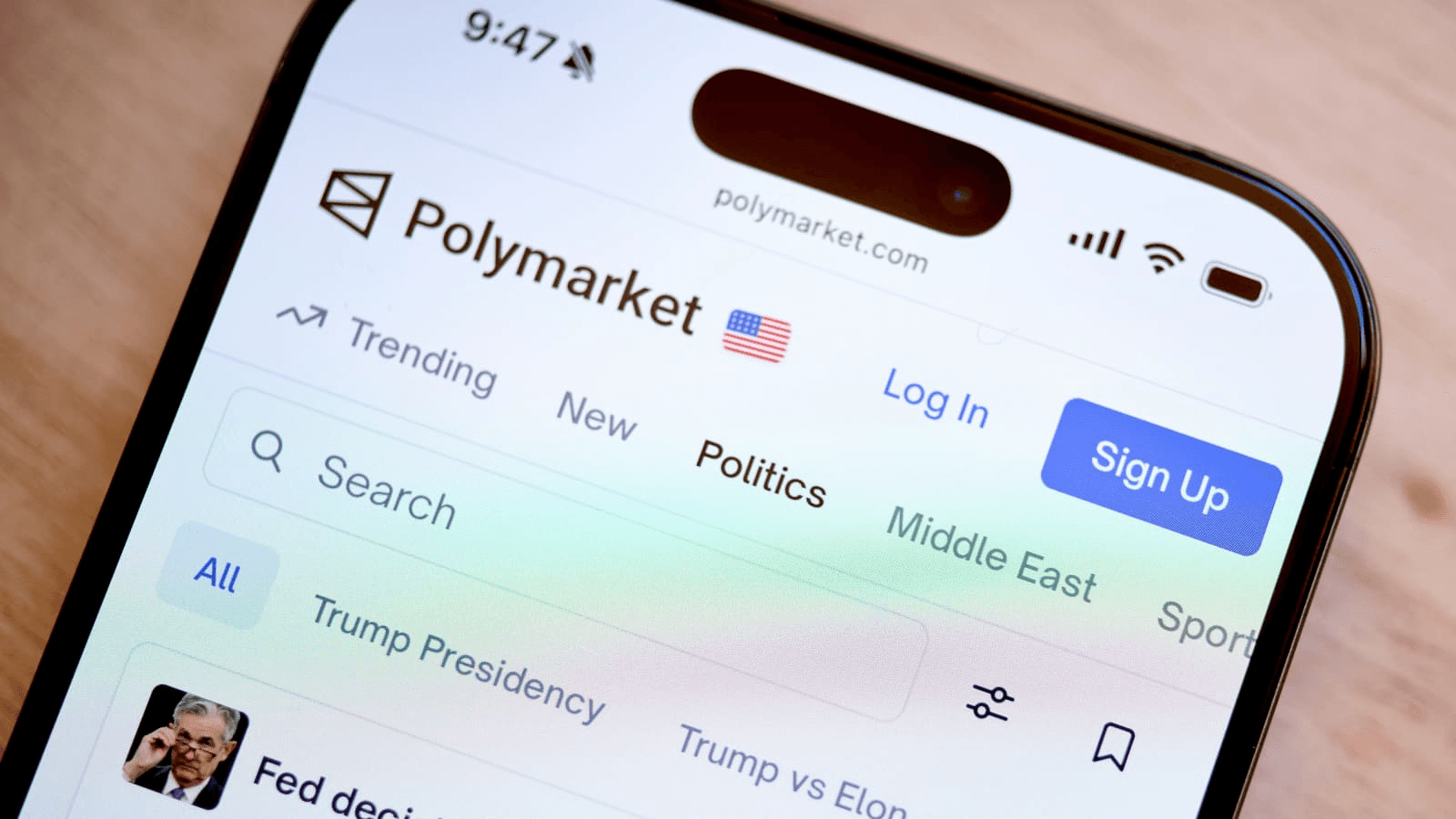
The issue isn't that platforms like Polymarket are hard to understand. It's that using them alongside everything else you need creates a maze of disconnected steps. Bullpen collapses that maze into a single interface where prediction markets, perpetuals, and token swaps exist side by side without requiring you to manage separate wallets, bridge assets, or verify which jurisdictional version of each protocol you're accessing. You can place a bet on Polymarket, open a perpetual position on Hyperliquid, and swap tokens through Jupiter without closing one application and opening another. That removes the friction of constantly moving funds just to take positions. More importantly, it removes the delay between seeing an opportunity and acting on it.
The Shift From Tools to Execution
The bigger change isn't just convenience. It's how Bullpen connects information to action in real time. Instead of following random traders on X and hoping their calls work out, you see verified PNL data directly in the platform. A live leaderboard shows who's actually making money, not who talks the loudest. When top performers open positions, you get notified immediately, with full context about their track record. That means you're not guessing which signals matter. You're reacting to proven performance as it happens. The gap between insight and execution shrinks from minutes to seconds because the information and trading layers occupy the same space.
Why Fragmentation Costs More Than You Think
When traders describe their workflow across multiple platforms, the language reveals real frustration. One user on NoCodeSaaS put it plainly: managing 20+ tools creates brutal context-switching that turns every trade into a multi-step coordination problem. You're not just executing. You're managing the infrastructure that lets you execute, and that management time compounds across every position you want to take.
Consolidated Execution Efficiency
Platforms like Bullpen eliminate that coordination burden by routing trades through whichever infrastructure you can legally access, handling the complexity behind a single connection point. You interact with a single system that determines which protocols are available to you and executes across different trade types, without requiring manual verification or asset bridging between platforms. The question isn't whether individual protocols work. They do. The question is whether you want to spend your time stitching them together or actually trading.
Buy Crypto Today With Bullpen
Instead of juggling multiple platforms just to access markets like Polymarket, start with Bullpen and see your first unified trading dashboard with live positions, top trader signals, and instant funding options in one place. You connect once, and the system routes your activity across prediction markets, perpetuals, and token swaps without requiring separate wallets, manual bridges, or jurisdictional verification for each protocol. The complexity disappears behind a single interface that handles execution while you focus on timing and position sizing.
Rapid Capital Reallocation
The difference shows up the first time you want to move capital quickly. You spot movement in a prediction market, but your funds sit in a perpetual position on another platform. With fragmented tools, you're closing positions, bridging assets, reconnecting wallets, and hoping the opportunity still exists when you finally arrive. With consolidated infrastructure, you can reallocate capital across trade types in seconds because everything operates through a single connection point. Speed stops being a function of how quickly you can coordinate platforms and becomes a matter of decision quality purely.
Verified Performance Transparency
What matters more than convenience is access to information that actually predicts performance. Bullpen surfaces verified PNL data from traders who consistently profit, not influencers with large followings and vague track records. When someone on the leaderboard opens a position, you see their full history, win rate, and current exposure before deciding whether their signal deserves your attention. That transparency changes how you evaluate opportunities, because you're reacting to proven results rather than speculation dressed up as analysis. Buy crypto today and start with a platform that treats execution speed, capital efficiency, and information quality as inseparable parts of the same system. You're not adopting another tool to manage alongside everything else. You're replacing the coordination burden entirely with infrastructure designed for traders who value action over administration.
Last Updated:
April 6, 2026