
What is Polymarket prediction market, and how does it work? See how traders buy yes-or-no shares and follow event odds. Explore now.
Have you ever wondered if there's a way to profit from your knowledge about future events, whether that's predicting election outcomes, sports results, or even cryptocurrency prices? Polymarket is a decentralized prediction market platform where users trade on the outcomes of real-world events, creating a marketplace where collective wisdom meets financial opportunity. This article will guide you through what Polymarket prediction markets are, how the platform operates, and provide clear steps on how to bet on Polymarket so you can start participating with confidence.
To get started with prediction markets, you'll need cryptocurrency to fund your account and place your first trades. Bullpen's buy crypto service streamlines this process, allowing you to purchase USDC quickly and securely without the usual friction of traditional crypto exchanges. With straightforward onboarding and competitive rates, you can move from curious observer to active participant in prediction markets, ready to back your insights with real stakes.
Summary
Polymarket operates as a live trading market, not a traditional betting platform, where prices constantly adjust based on real-time information and participant conviction. When a position trades at 0.65, the market is pricing a 65% probability of that outcome, and that price can shift to 0.80 or drop to 0.40 as sentiment changes.
Prediction markets aggregated $13 billion in resting capital during 2025, quadrupling from the previous year, because real money forces participants to research harder and update faster than stated opinions in polls. Polymarket called 49 of 50 states correctly in the 2024 election, while traditional polls missed swing states by 3 to 5 points.
Positions have tradable value before events resolve, which fundamentally changes how profit works compared to traditional betting. If you enter at 0.35 and the market moves to 0.70 based on breaking news, you can exit immediately and lock in gains without waiting to see if the outcome actually happens.
Speed determines who captures mispriced probabilities before the market corrects. When breaking news hits, prices adjust within seconds as thousands of participants react simultaneously. What used to be a ten-minute edge is now a ten-second edge. Beginners lose money not because they pick the wrong side.
Entry price matters more than directional accuracy when liquidity is thin or spreads are wide. Buying at 0.50 in a low-volume market might mean the best exit price available is 0.45, creating a five-cent loss from spread alone before any market movement occurs.
Bullpen's buy crypto service removes the execution delay that costs traders their edge, letting you fund positions instantly through Apple Pay or bank transfers so you can enter at the mispriced level that created the opportunity instead of watching the market reprice while your capital moves through bridges and wallets.
Table of Contents
Most People Misunderstand What Polymarket Actually Is
What is a Prediction Market (and Where Polymarket Fits)
Why Prediction Markets are Growing so Fast
How Polymarket is Different From Traditional Betting
Where Most Beginners Get it Wrong
How Bullpen Helps You Trade Polymarket More Effectively
Buy Crypto Today With Bullpen
Most People Misunderstand What Polymarket Actually Is
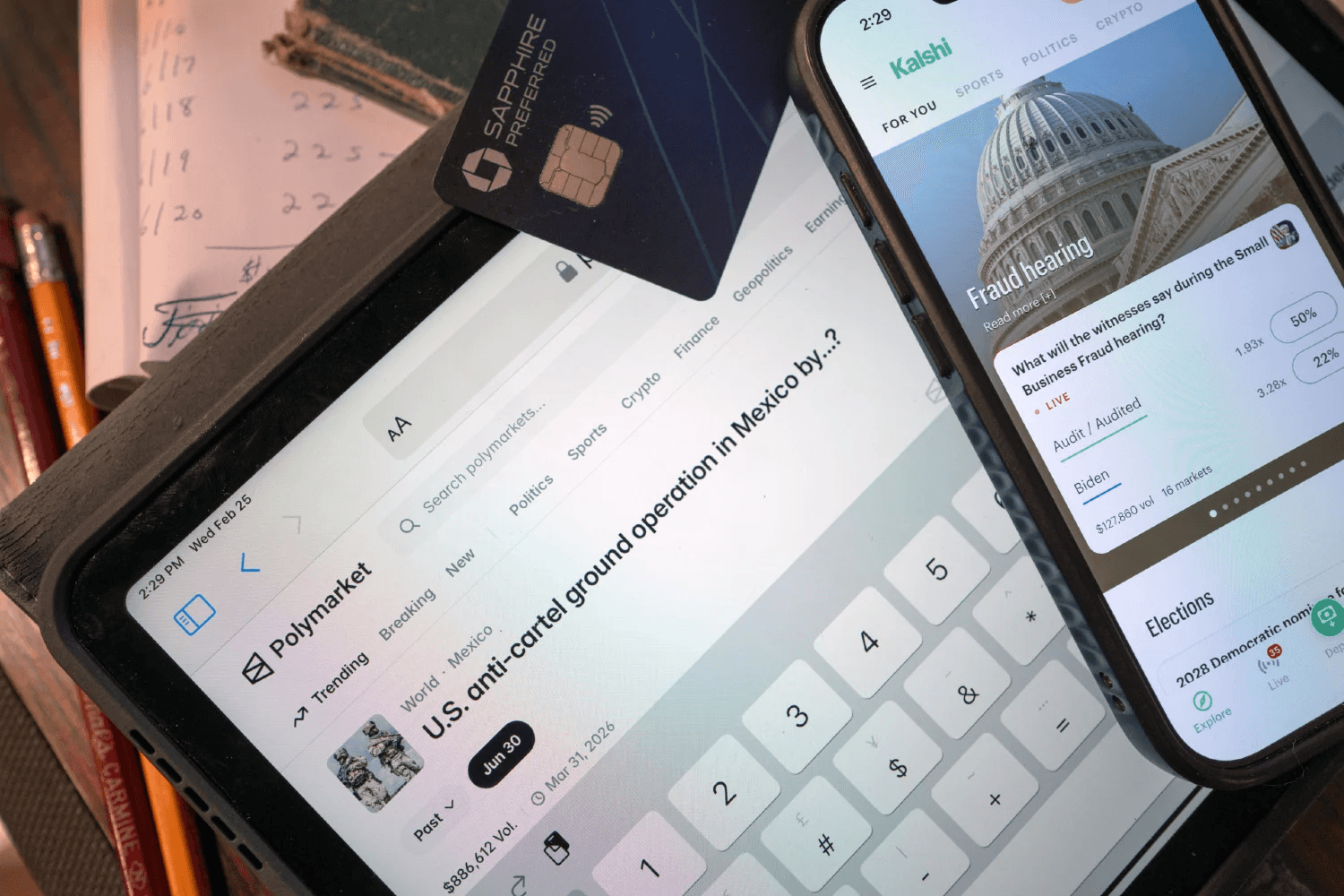
Most people encounter Polymarket and immediately categorize it as a betting site. You pick an outcome, place money on it, and wait to see if you are right. That mental model feels intuitive. It is also wrong in a way that leads directly to losses. Polymarket is not built like a sportsbook. It is a live market where probabilities are constantly being priced, updated, and traded. Every number you see on the screen is not a fixed odd. It is a reflection of what the market currently believes, based on real money, real positions, and changing information. That difference matters more than it seems.
The Price is the Market's Belief
When someone treats Polymarket like a betting platform, they focus only on the outcome. They ask, "Will this happen or not?" and enter a position based on that belief. What they ignore is the price they are paying and how that price already reflects the same belief across the market. If a position is already priced at 0.80, the market is saying there is an 80 percent probability of that outcome. Buying at that level leaves very little room for profit and significant downside if sentiment shifts.
In a traditional bet, being right is enough. In a market, it is not. The trade is not just about the outcome. It is about whether the price is right. According to CBS News, $3.6 billion was wagered on the 2024 U.S. presidential election alone, demonstrating how much capital flows through these probability assessments. That volume creates real price discovery, not static odds set by a house.
Where the Misunderstanding Turns Into Losses
People enter late because something feels obvious. They hold positions without considering price movement. They wait for a resolution instead of managing the trade while the market is still evolving. When the price moves against them, even temporarily, they exit under pressure. They were thinking like bettors in a system that rewards traders. The shift is subtle but critical. Polymarket is not about picking winners. It is about identifying mispriced probabilities and acting before the market fully adjusts. Once you see that, the platform stops feeling like a guessing game and starts behaving like a market. That is the point where strategy begins to matter. But understanding that Polymarket functions as a market still leaves one question unanswered: what kind of market is it, exactly, and how does it actually work?
Related Reading
Why Is Polymarket invite-only
Where Is Polymarket Based
Can You Invest In Polymarket
How To Withdraw From Polymarket
How Old Do You Have To Be To Use Polymarket
When Will Polymarket Be Legal In The Us
What is a Prediction Market (and Where Polymarket Fits)
A prediction market is a platform where people trade on the outcome of future events. Instead of simply placing bets, participants buy and sell positions based on what they think will happen, and more importantly, what they think the probability of that outcome should be. The key idea is that markets aggregate information. Prices are not random. They reflect the collective judgment of everyone participating, each bringing their own data, opinions, and timing.
How Polymarket Structures Events
Polymarket splits every event into outcomes, typically "Yes" or "No." Each outcome has a price between 0 and 1. That price represents implied probability. If a "Yes" share trades at 0.65, the market is saying there is a 65% chance the outcome will occur. If new information arrives or sentiment shifts, the price moves. It might rise to 0.80 if confidence increases, or drop to 0.40 if uncertainty grows. This creates a dynamic most people miss at first. Your position has value before the outcome is decided. If you buy at 0.40 and the market later moves to 0.65, you can sell and realize a profit without waiting for the final result. That is not how betting works. That is how trading works.
Where Polymarket Fits in the Onchain Economy
Polymarket sits at the intersection of trading and forecasting. According to Forbes, the platform processed $3.7 billion in trading volume, demonstrating real capital allocation based on conviction rather than static odds set by a house. It turns opinions about the future into tradable assets, where prices continuously update based on real money and real positions.
Unified Interfaces and Execution Efficiency
The challenge for traders is that prediction markets exist alongside tokens, perpetuals, and other onchain instruments. Most people jump between platforms to access different opportunities. That context switching creates friction. You spot a mispriced event on Polymarket, but you are already monitoring token movements elsewhere. By the time you switch over, the edge is gone. Platforms like Bullpen eliminate that delay by unifying prediction markets, perpetuals, and token trading in one interface, so traders can act on opportunities the moment they appear without losing time to navigation.
The Shift From Prediction to Position Management
You are not just predicting what will happen. You are trading how likely it is to happen, and how that likelihood changes over time. The outcome matters, but so does the path the market takes to get there. If you enter at 0.30 and the market climbs to 0.70 before resolution, that movement is your opportunity. If you wait for certainty, you are buying at the top. That is where strategy separates from guessing. You are not locking in odds. You are entering a live market where probability is constantly being repriced. Once you understand that, the platform becomes much clearer. The question is not whether you think something will happen. The question is whether the market has already priced that belief correctly, and whether you can act before it does. But knowing how prediction markets function still does not explain why they are suddenly everywhere, or why so much capital is flowing into them right now.
Why Prediction Markets are Growing so Fast
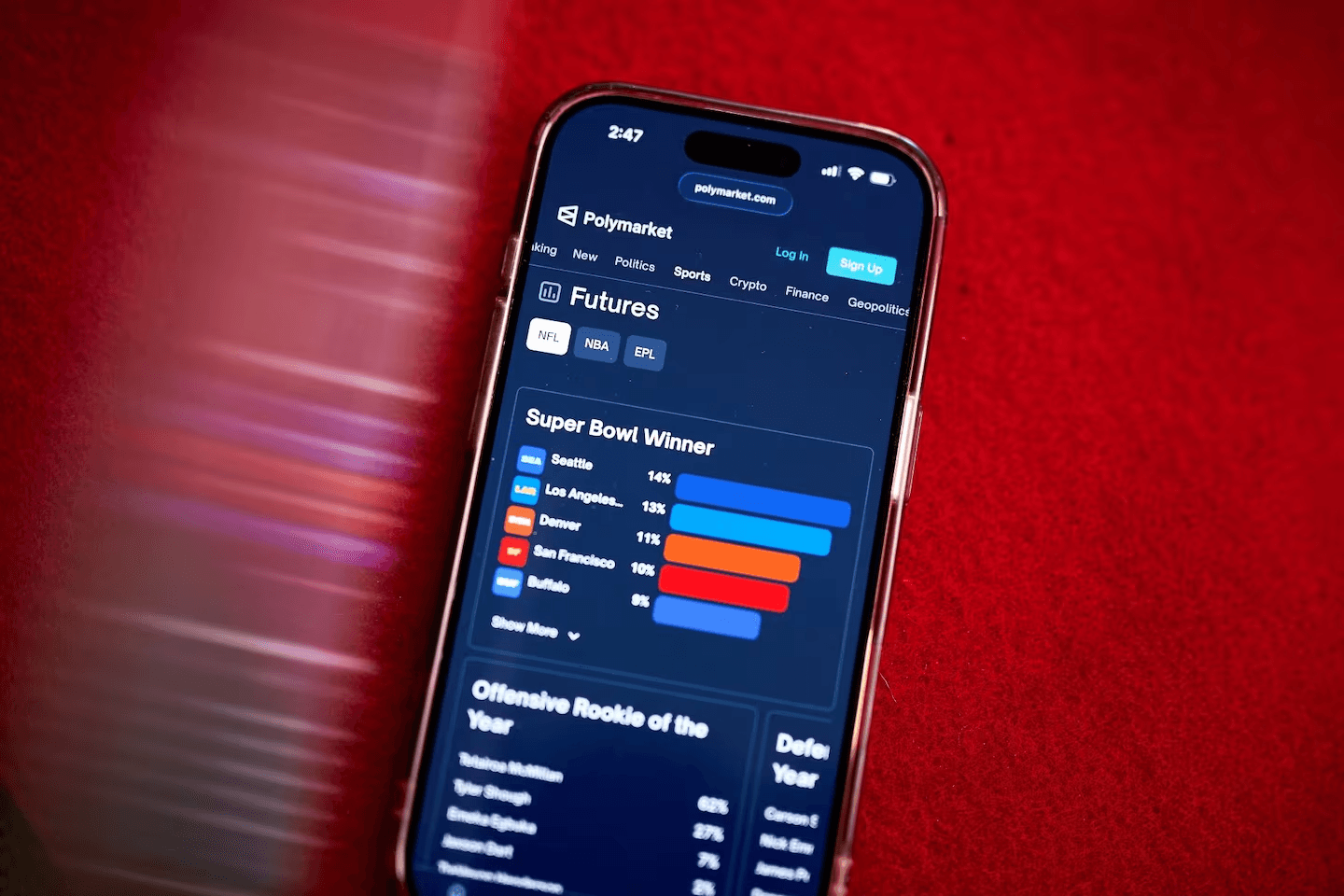
The growth comes down to real money creating real incentives. When people have capital at risk, they research harder, react faster, and update their positions when new information arrives. That behavioral shift turns prediction markets into systems in which prices reflect active judgment rather than passive opinion. The result is a forecasting tool that updates in real time and aggregates information more efficiently than traditional methods.
Real-Money Incentives Change How People Think
Polls and expert forecasts rely on stated beliefs. Prediction markets require participants to back those beliefs with capital. That difference matters. Someone might casually say they think an event is likely, but when they need to buy a position at 0.70, they suddenly start asking whether that price is fair. The stakes force discipline. According to Forbes, prediction markets quadrupled their resting capital to $13 billion in 2025. That is not speculative fringe activity. That is institutional-scale liquidity reflecting genuine conviction. When billions of dollars are actively pricing probabilities, the market becomes a signal worth paying attention to.
Speed Creates Edge, Then Eliminates It
Traditional forecasts update slowly. Prediction markets update instantly. When breaking news hits, whether it is economic data, political developments, or regulatory announcements, prices adjust within seconds. That speed attracts traders who understand that information has a shelf life. The faster you act, the more likely you are to capture value before the rest of the market catches up.
Unified Execution and Frictionless Trading
But speed also creates a problem. As more participants enter and liquidity deepens, obvious mispricings disappear faster. What used to be a ten-minute edge becomes a ten-second edge. The market becomes more efficient, which means being directionally right is no longer enough. You need execution. You need to see the opportunity, enter at the right price, and manage the position as sentiment shifts. Many traders spot mispriced events on Polymarket but lose the edge while switching between platforms to monitor tokens or perpetuals elsewhere. Platforms like Bullpen eliminate that friction by unifying prediction markets, perpetuals, and token trading in one interface, so traders can act on opportunities the moment they appear without losing time to navigation or context switching.
Accessibility Expands the User Base
Crypto infrastructure removed traditional barriers. You do not need a brokerage account, geographic approval, or institutional access. You need a wallet and an internet connection. That opened prediction markets to a global audience, from retail participants testing small positions to sophisticated traders deploying serious capital. More users mean more opinions, more liquidity, and faster price discovery. The consequence is that markets are becoming harder to beat. Efficiency increases. Mispricings correct faster. And the traders who win are the ones who understand that this is not about predicting the future. It is about identifying when the market has mispriced the present, and acting before everyone else does. But understanding why prediction markets are growing still does not explain how they actually differ from the betting systems most people assume they are.
Related Reading
How Does Polymarket Work
Polymarket Prediction Market: How It Works
Polymarket Fee Structure
Polymarket Prediction Market Accuracy
When Will Polymarket Be Legal In The US
How Does Polymarket Resolve Markets
How Polymarket is Different From Traditional Betting

Traditional betting locks you in. You accept the odds, place your money, and your only path to profit is to wait for the outcome to resolve in your favor. Polymarket eliminates that constraint by turning outcomes into tradable positions with prices that move continuously based on new information and market sentiment.
Prices Move, Positions Adjust
In traditional betting, odds are set by the house and remain fixed after you enter. The sportsbook controls the spread, absorbs the risk, and profits regardless of the outcome. Polymarket operates differently because there is no house. Prices reflect what other participants are willing to pay right now, and those prices shift as sentiment changes. When you buy a "Yes" share at 0.40, you are not locked into that entry point until resolution. If the market reprices that outcome to 0.60 based on breaking news or shifting conviction, you can exit immediately and capture the difference.
Incentivized Accuracy and Probability Pricing
This creates a fundamental shift in how profit works. Traditional betting rewards accuracy at resolution. Polymarket rewards those who recognize mispriced probabilities and act before the market corrects. According to Futuratty Intelligence, Polymarket called 49 of 50 states in the 2024 election, while polls missed swing states by 3 to 5 points. That accuracy gap exists because real money forces participants to research more deeply, update more quickly, and price outcomes more honestly than stated opinions in surveys.
Exit Before Resolution
The ability to sell early changes everything. You are not tied to the final result. If you enter at 0.35 and the market moves to 0.70, you lock in gains without waiting to see if the outcome actually happens. That option does not exist in traditional betting. Once you place the bet, you are committed. Most traders monitor prediction markets alongside tokens and perpetuals, but context switching between platforms creates friction. By the time you spot a mispriced event on Polymarket and navigate over from your token charts, the edge is gone. Platforms like Bullpen eliminate that delay by unifying prediction markets, perpetuals, and token trading in one interface, so traders can act on opportunities the moment they appear without losing time to navigation.
Managing Risk Through Position Sizing
Traditional betting limits your control. You pick a stake, accept the odds, and wait. Polymarket lets you adjust exposure as the market evolves. You can enter small, add to winning positions as confidence builds, or reduce exposure if sentiment shifts against you. The market is live. Your position has value before resolution. That flexibility turns prediction markets into a trading environment where timing, entry price, and position management matter as much as being directionally correct.
Trading Probabilities vs. Betting Outcomes
Most people still treat Polymarket like betting because the interface looks familiar. They pick an outcome, enter a position, and wait for resolution. That approach leaves profit on the table and exposes them to unnecessary risk. The traders who win are the ones who understand they are not betting on outcomes. They are trading probabilities in a live market where price movement creates opportunity independent of the final result. But knowing how Polymarket differs from betting still does not prevent the mistakes that cost beginners money in the first few trades.
Where Most Beginners Get it Wrong
The mistake is not about being wrong. It is about executing poorly. Beginners lose money on Polymarket because they treat positions as static bets rather than tradable assets that require timing, discipline, and active management. They enter when narratives feel obvious, ignore liquidity, and hold without a plan. The market punishes that approach faster now than it did even six months ago.
Buying After the Move Already Happened
When an event starts trending, prices adjust quickly. By the time a narrative feels obvious enough to act on, the market has already priced in most of the upside. Buying "Yes" at 0.75 because you are confident in an outcome leaves only 0.25 of potential gain, but 0.75 of downside if sentiment reverses. The risk-reward is backwards. The traders making money entered at 0.40 or 0.50, before everyone else noticed. They captured the repricing. Late entrants are paying for certainty that already costs too much. Entry price determines profitability more than being directionally correct. If you buy high and the market moves sideways or dips, you lose even if the final outcome proves you right. That is the part most people miss. They focus entirely on whether they picked the correct side, not whether they paid a fair price to enter that side.
Holding Without Managing the Position
Positions have value before resolution. When the market moves in your favor, that gain is real, tradable, and at risk of disappearing if sentiment shifts. Beginners watch their position climb from 0.40 to 0.70 and assume they should wait for full resolution to maximize profit. Then new information arrives, the price drops back to 0.50, and the opportunity is gone. They were right about direction, but failed to act when the market gave them an exit.
Strategic Exit and Unified Execution
The same issue happens in reverse. A position moves against them slightly, and instead of reassessing whether the thesis still holds, they either panic-sell at a loss or freeze, hoping it recovers. Without a defined exit strategy, decisions become emotional reactions to price movements rather than deliberate risk management. Most traders are watching Polymarket alongside token charts and perpetual positions across multiple platforms. Spotting a mispriced event means nothing if you lose the edge while switching tabs. Platforms like Bullpen eliminate that friction by unifying prediction markets, perpetuals, and token trading in one interface, so when a position moves, you can act immediately without losing time to navigation or context switching.
Ignoring Liquidity and Spread
Liquidity determines how much it costs to enter and exit. In thinly traded markets, the spread between bid and ask can be wide enough that you lose value the moment you buy. You might enter at 0.50, but if you need to exit quickly, the best available price could be 0.45. That five-cent gap is not market movement. It is the cost of trading in a market with too few participants on the other side.
Liquidity Risks and Execution Focus
Beginners often chase niche events with interesting narratives but low volume. The position looks attractive until they try to exit and realize there are no buyers. The market might eventually resolve in their favor, but if they need liquidity before then, they are forced to sell at a discount or wait. That is a hidden cost that does not show up in the entry price but directly impacts returns. The pattern is consistent. Beginners focus on outcomes and ignore execution. But execution is what separates profitable traders from people who were right and still lost money.
How Bullpen Helps You Trade Polymarket More Effectively
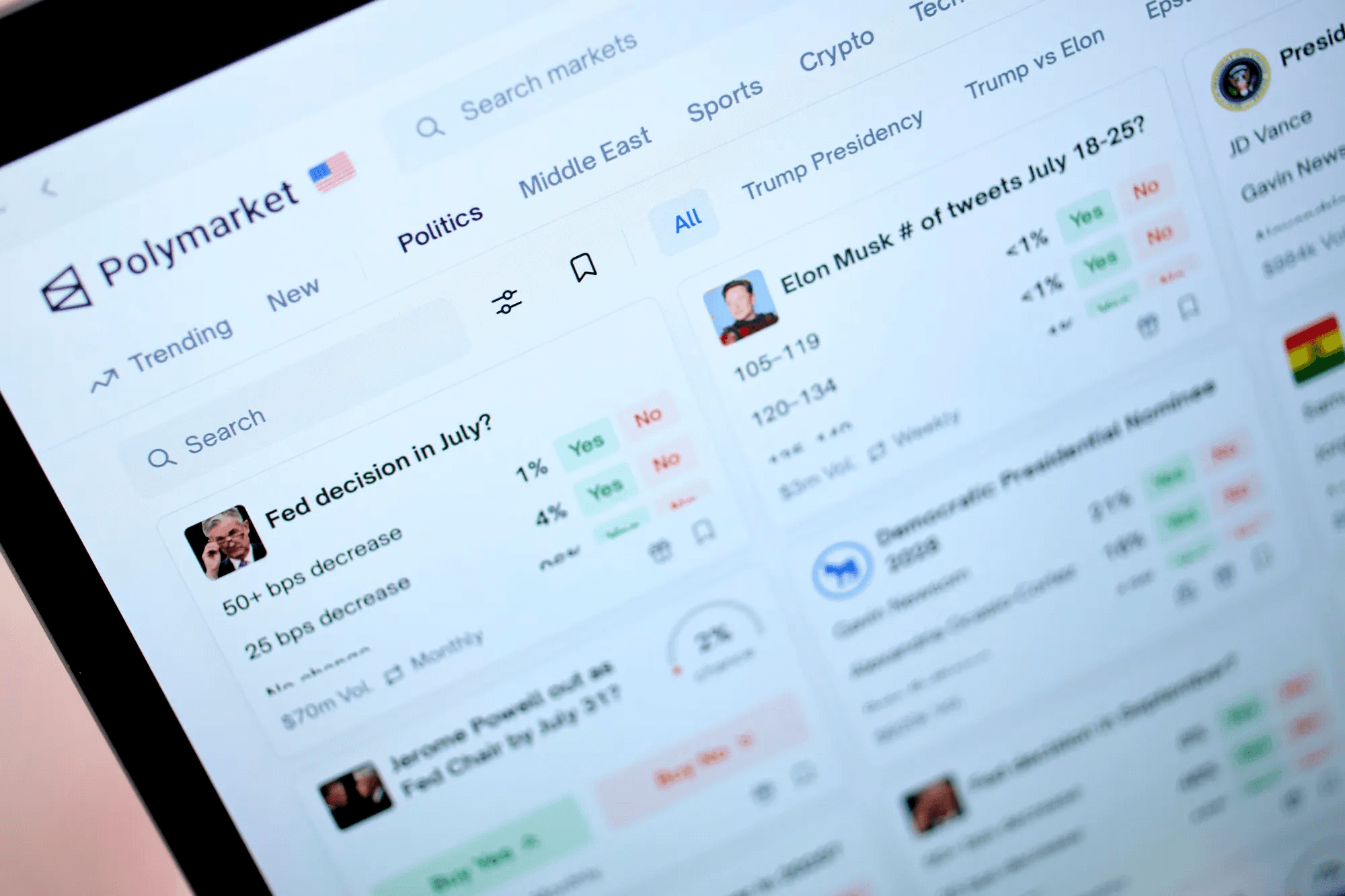
The friction is not a strategy. It is time lost switching between platforms, capital stuck in slow transfers, and opportunities disappearing while you navigate across wallets, bridges, and interfaces. Bullpen removes that execution delay by bringing Polymarket, token trading, and perpetuals into one unified app where you can act the moment you spot mispriced probabilities.
Instant Funding Eliminates Timing Risk
Most traders spot a mispriced event on Polymarket at 0.35, then spend twenty minutes moving USDC from an exchange through a bridge into their wallet. By the time the funds arrive, the market has already repriced to 0.55. The edge is gone. Bullpen lets you fund instantly using Apple Pay or direct bank transfers, so when you see a position worth taking, you enter at the price that made it attractive in the first place. The difference is not incremental. It is the gap between capturing value and watching someone else take it. Speed matters most when information moves faster than infrastructure can keep up. Platforms like Bullpen compress that lag to zero.
Following Proven Traders Instead of Chasing Narratives
Beginners lose money because they enter after narratives become obvious. The traders who consistently make a profit are the ones who identified mispricing early, before social media caught up. Bullpen surfaces top traders with verified profit and loss records, so you can see who is actually profitable and get real-time notifications when they open positions. That visibility turns guesswork into pattern recognition. You are not copying blindly. You are learning what timing looks like from people who execute well. When a trader with a documented track record enters at 0.42, and you can follow at 0.44 before the market moves to 0.65, that two-cent difference is the cost of access to better information. Without that signal, you are reacting to price movement that already happened.
One Interface for the Entire Onchain Economy
The real cost of fragmentation is not inconvenience. It is a missed opportunity. You monitor tokens on one platform, perpetuals on another, and prediction markets somewhere else. When a mispriced event appears on Polymarket while you are watching a token chart, the context switch costs you seconds, eliminating your edge. Bullpen tracks over 20,000 prediction markets alongside Bitcoin, Solana memes, and Hyperliquid perps in one place, so you can act without losing time to navigation. That structure matters more as markets become efficient. When obvious mispricings disappear in seconds instead of minutes, the trader who can act immediately wins. The one who needs to switch platforms, check balances, and move funds loses, even if they saw the opportunity first. But none of this matters if you cannot access the platform when it counts.
Related Reading
How To Fund a Polymarket Account
How To Make Money On Polymarket
How To Invest In Polymarket
How To Copy Trade On Polymarket
Polymarket Prediction Market Features
Polymarket Analytics Tools
Polymarket Trading Strategies
How To Create A Market On Polymarket
How To Use Polymarket In The US
Buy Crypto Today With Bullpen
Bullpen gives you access when you need it. Deposit today and earn a 500-point bonus. Fund $1,000 or more, and you get a free introductory call to set up your first Polymarket trade with a clear execution plan. That structure turns abstract understanding into live positions with someone who knows how timing and entry price determine profitability.
Execution Speed and Market Entry
The call is not about theory. It walks through how to identify mispriced probabilities, when to enter, and how to manage positions as sentiment shifts. Most people lose money on their first few trades because they treat prediction markets like betting instead of trading. The setup call removes that learning curve by showing you what execution looks like before you risk capital on guesswork. You can keep switching between platforms, moving funds through bridges, and arriving after the market has already repriced. Or you can act when the opportunity appears, with the tools and capital ready. The traders making money are not smarter. They are faster. They see the same mispricings as everyone else, but they act before the edge disappears.
Last Updated:
April 6, 2026