Can you invest in Polymarket? See whether you can buy stock, trade event shares, and what investor rules mean before you start.
Prediction markets like Polymarket have transformed how people think about forecasting events, from election outcomes to economic indicators. Yet many potential traders hesitate, wondering if they can actually invest in Polymarket and whether it's accessible to them. Learning how to bet on Polymarket isn't just about placing wagers. It's about understanding the platform's mechanics, grasping what separates successful traders from those who lose money, and recognizing the often overlooked details that make the difference between profit and loss.
Before you can participate in prediction markets, you need cryptocurrency in your wallet. Bullpen's buy crypto solution removes the friction from this essential first step, letting you quickly and securely acquire the digital assets needed to fund your Polymarket account. Instead of wrestling with complicated exchanges or confusing interfaces, you get a straightforward path from traditional currency to the crypto you need, positioning you to start trading on your terms.
Table of Content
Summary
Polymarket's trading volume exploded from $73 million in 2023 to $9 billion in 2024, reaching over $33 billion in 2025 with nearly 478,000 monthly active users at peak. This growth creates the illusion of a traditional investment platform, but the structure underneath operates on entirely different mechanics.
Most profitable Polymarket users exit positions before events resolve, capturing gains when probabilities shift rather than waiting for final outcomes. A market moving from 40% to 65% represents a 62.5% gain on the position, but holding through to resolution exposes traders to reversals that can erase those profits entirely.
Columbia University researchers found that wash trading inflated Polymarket volume, creating artificial liquidity that made markets appear deeper and more stable than they actually were. This manipulation demonstrates how perception diverges from reality in prediction markets. Prices reflect crowd sentiment and information flow, both of which can be gamed, rather than fundamental value.
New users typically spread attention across multiple markets, covering elections, regulatory decisions, and economic announcements, each on an independent timeline driven by different information sources. This fragmentation creates constant context switching between apps, news feeds, and price charts.
Forbes reported that only 30% of collected customer data is actually used for decision-making, and the same pattern appears in prediction markets, where users watch probabilities shift but don't update their strategies accordingly.
Bullpen's buy crypto consolidates prediction markets alongside tokens and perpetuals into a single interface, removing the friction between monitoring positions and executing trades as probabilities shift.
Why People Ask if They Can Invest in Polymarket
Most people approach Polymarket the same way they approach stocks or crypto. They assume it's another place to invest. That assumption doesn't come out of nowhere; it's driven by how quickly Polymarket has grown and by its position in the broader trading ecosystem.
Institutional Growth Legitimacy
The platform has expanded at a pace that makes it look like a legitimate investment venue. Trading volume jumped from around $73 million in 2023 to roughly $9 billion in 2024, with continued acceleration into 2025, where it processed over $33 billion in volume and reached nearly 478,000 monthly active users at peak, according to Sacra's 2025 analysis. That kind of growth signals something important to users.
High volume suggests liquidity. More users suggest an opportunity. Institutional backing and multi-billion dollar valuations reinforce legitimacy. From the outside, it starts to resemble a financial market. That's why people naturally frame it as investing.
The Structure Underneath is Fundamentally Different
Polymarket isn't built around owning assets. It's built around trading probabilities. When you buy a position, you're not investing in something that grows over time. You're taking a position on whether an event will happen. Prices move based on new information, not long-term value creation.
That mismatch between perception and reality is where most mistakes happen. People enter expecting to hold positions and let them appreciate. Instead, they're in a market that rewards timing, information, and speed. Traditional prediction markets feel unapproachable to the average person precisely because they look like investment platforms but operate on completely different mechanics.
Misaligned Asset Framing
The result is predictable. They treat trades like investments. They hold too long. They miss opportunities to exit earlier. What looks like an investment platform is actually a fast-moving trading environment.
That's why the question comes up so often, not because the answer is unclear, but because the platform looks like something it's not.
Related Reading
Why Is Polymarket invite-only
Where Is Polymarket Based
How To Withdraw From Polymarket
How Old Do You Have To Be To Use Polymarket
When Will Polymarket Be Legal In The Us
The Reality: Polymarket Is Not Traditional Investing
You put money into Polymarket, but you're not buying anything that appreciates in value. There's no equity stake, no dividend yield, no long-term growth curve. You're placing a position on whether a specific event will happen or not. When the event resolves, you either win or lose based on accuracy, not because you held something valuable over time.
Each market is tied to a single question with a fixed endpoint. "Will this candidate win?" "Will this announcement happen before June?" The moment that question gets answered, the market closes. Your return doesn't compound. It doesn't benefit from reinvestment or time in the market. It comes from being right about the probability before the outcome becomes clear.
Prices Reflect Probabilities, Not Value
A share priced at $0.60 suggests the market believes there's a 60% chance the event happens. If you think the real probability is higher, you buy. If you think it's lower, you sell or stay out. That's the entire mechanic. Prices shift as new information enters the market, not because the underlying asset is growing or producing revenue.
According to Columbia University researchers, wash trading inflated volume on Polymarket, creating the appearance of liquidity that wasn't entirely organic. That matters because it shows how easily perception can mislead. What looks like a deep, stable market might be thinner than it appears. You're not investing in fundamentals. You're trading on information flow and market sentiment, both of which can be manipulated or misread.
Why Doesn't Holding Work Here
Traditional investing rewards patience. Polymarket rewards timing. If you enter a position and hold it like a stock, you're ignoring the fact that probabilities shift rapidly. New polls drop. Candidates make statements. Events unfold faster than you expect. The trader who exits at $0.75 before the probability collapses back to $0.50 wins. The one who holds, hoping for $1.00 at resolution, often loses.
There's no intrinsic value propping up your position. No earnings report. No product launch. Just the question and the clock. That's why treating this like an investment leads to mistakes. You're not building wealth over time. You're capturing the edge in real time, and that edge disappears the moment everyone else sees what you saw.
How People Actually Make Money on Polymarket
The profitable users on Polymarket don't wait for events to resolve. They enter positions before the broader market adjusts its expectations, then exit when probability shifts in their favor. The money comes from timing and information processing, not patience.
Entering Before Probability Shifts
Markets on Polymarket react to sentiment and data in real time. If you spot a mispriced probability before the crowd does, you're buying at a discount. The edge exists in that window between when information becomes available and when the market fully prices it in.
This isn't about predicting the future better than everyone else. It's about recognizing when current prices don't reflect available information. A candidate announces a major policy shift. A regulatory filing surfaces. The market hasn't moved yet, but you know it will. That gap is where returns live.
Exiting as Markets Update
Many traders lock in profit without waiting for a resolution. If a market moves from 40% to 65% and reflects your original thesis, you can exit. Holding until the event resolves exposes you to reversals and eliminates the advantage you just captured.
The instinct to hold comes from traditional investing, where time in the market compounds returns. Here, there's no compounding. There's no dividend. The only reason to hold is if you believe the probability will continue moving in your direction. Otherwise, you're trading a realized gain for unnecessary risk.
Reacting Faster Than Others
Speed matters more than conviction. Breaking news, data releases, and sentiment shifts move markets within minutes. The traders who process and act on that information before it's fully priced in capture value. The ones who hesitate don't.
Most people can't compete with bots that execute trades milliseconds after breaking news. By the time you open the app, the price has already moved. That's the reality. The edge for regular users isn't in raw speed but in identifying patterns the bots miss, like tracking wallets with systematic edges or recognizing when political sentiment is shifting before polls catch up.
Strategic Probabilistic Execution
Polymarket processed over $3.2 billion in trading volume during the 2024 election cycle, according to Forbes. That volume didn't come from people holding positions until inauguration day. It came from traders entering and exiting as probabilities shifted with every debate, poll, and news cycle. The platform rewards execution, not endurance.
But even with the right timing and information, most new users still lose, because they misunderstand what they're actually betting on.
Related Reading
How Does Polymarket Work
Polymarket Prediction Market: How It Works
Polymarket Fee Structure
Polymarket Prediction Market Accuracy
When Will Polymarket Be Legal In The US
How Does Polymarket Resolve Markets
The Biggest Mistake New Users Make

New users buy positions expecting to hold them until resolution. They treat Polymarket like a portfolio, not a trading floor. The platform doesn't reward that approach because probabilities shift constantly, and value gets captured in those shifts, not at the final outcome.
This happens because the interface looks stable. You see a market, a price, and a simple yes-or-no question. It feels like placing a bet and waiting. But the market underneath that simplicity moves every time new information surfaces.
A poll drops.
A candidate makes a statement.
A regulatory filing appears.
Each piece of information changes the probability, and with it, the price. Holding through those changes means watching profit evaporate or losses compound while waiting for an endpoint that might never arrive in your favor.
Holding Exposes You to Reversals You Can't Control
You enter at 40% because you believe the real probability is closer to 60%. The market agrees with you a week later, and the price moves to 65%. That's a 62.5% gain on your position. Most new users don't exit. They wait for resolution, assuming the market will continue moving toward 100%. Instead, new information surfaces. A competitor gains ground. Sentiment shifts. The price drops back to 50%, erasing the gain entirely.
Dynamic Market Timing
The trader who exited at 65% locked in a profit. The one who held gave it back. The difference isn't prediction accuracy. Both saw the same opportunity. One understood that Polymarket rewards timing, and the other treated it like traditional investing, where holding through volatility eventually pays off. Here, volatility is the entire game.
According to Forbes, only 30% of collected customer data is actually used for decision-making. The same pattern appears in prediction markets. Most users see price movements but don't act on them. They collect information, watch probabilities shift, and still hold positions based on their original thesis rather than updating their strategy as the market changes.
The Platform Fragments Your Attention Across Markets
Most traders don't just hold one position. They spread across multiple markets, trying to capture different opportunities. That creates a new problem. You're monitoring election outcomes, regulatory decisions, and economic announcements simultaneously. Each market moves on its own timeline, driven by different information sources. Tracking all of them means constant context switching between apps, news feeds, and price charts.
Consolidated Execution Efficiency
Platforms like buy crypto solve this by consolidating prediction markets, alongside tokens and perpetuals, into a single interface. You see price movements, track positions, and execute exits without jumping between tools. That speed matters when probabilities shift in minutes, not hours. The traders who capture value aren't necessarily smarter. They're faster because they've eliminated the friction between seeing an opportunity and acting on it.
The mistake isn't about being wrong. It's about treating a dynamic, information-driven market like a static investment. But knowing what not to do only gets you halfway there.
What You Actually Need to Succeed on Polymarket
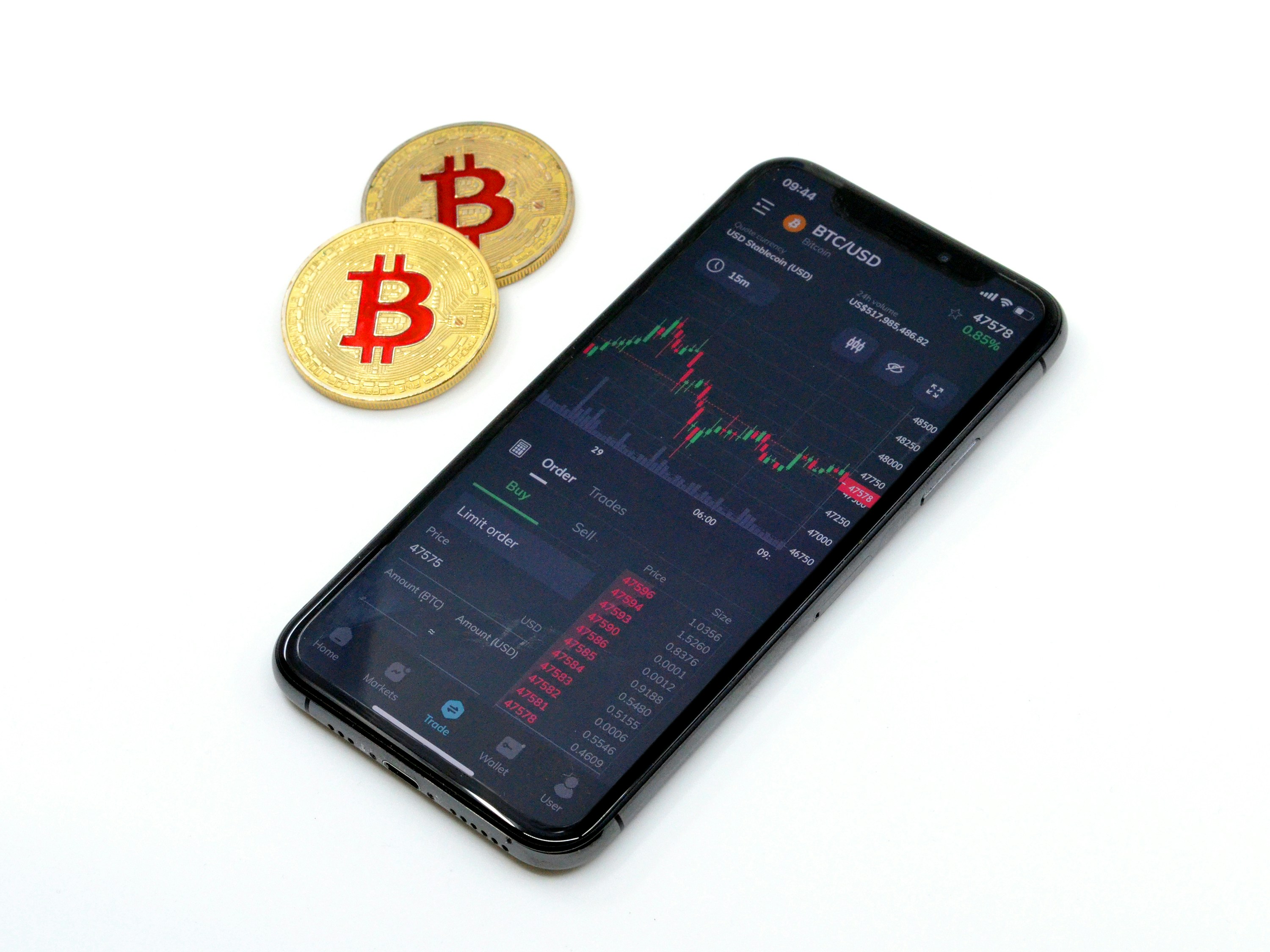
You need three things:
Real-time market awareness
Execution speed when probabilities move
Access to multiple markets without switching platforms
Prediction alone doesn't create returns. The gap between spotting a mispriced probability and acting on it determines whether you capture value or watch it disappear.
Real-Time Awareness Separates Signal From Noise
Prices on Polymarket shift as information enters the market. A poll is released. A candidate makes an unexpected statement. A regulatory filing surfaces. Each piece of data changes how the crowd views probability, and with it, the price. If you're seeing these updates late, you're reacting to moves that already happened, not positioning ahead of them.
The traders who profit aren't necessarily smarter. They're aware sooner. They track multiple information sources simultaneously, cross-reference sentiment shifts, and recognize when current prices haven't yet incorporated available data. That window closes fast. By the time a probability shift becomes obvious to everyone, it's already priced in.
Speed Turns Insight Into Position
Even a perfect analysis means nothing if you can't act on it. Markets move in minutes during breaking news cycles. A few seconds of delay can mean entering at a worse price or missing the opportunity entirely. Manual execution creates lag. Opening an app, navigating to the right market, confirming the trade, all while prices adjust in real time, that friction kills edge.
According to Forbes, Polymarket processed $3.6 billion in trading volume during major political events, driven by traders who moved faster than traditional polls or expert analysis. That volume didn't accumulate from people carefully deliberating. It came from rapid execution when probabilities diverged from reality.
Multiple Markets Require Unified Access
Opportunities don't cluster in one event. They appear across elections, regulatory decisions, economic announcements, and cultural moments. Each market operates independently, driven by different catalysts and timelines. Tracking them all means constant context switching between platforms, news feeds, and price charts. That fragmentation slows you down exactly when speed matters most.
Integrated Execution Speed
Most traders lose not because they lack insight, but because their setup can't keep pace with how fast information moves. They spot the opportunity, understand the probability shift, and still miss the trade because execution takes too long.
Platforms like buy crypto consolidate prediction markets, tokens, and perpetuals into a single interface, eliminating the friction between seeing a move and capturing it. You track positions, monitor price changes, and execute trades without jumping between tools.
How Bullpen Helps You Trade Polymarket Smarter
The challenge isn't understanding Polymarket. It's acting fast enough when probabilities shift, seeing which traders are actually winning, and doing all of it without switching between five different tools. Bullpen removes that friction by bringing prediction markets, tokens, and perpetuals into one interface where you can monitor, learn, and execute without losing momentum.
Most traders fragment their attention across platforms. They check Polymarket for probabilities, Twitter for breaking news, separate analytics tools for performance tracking, and another interface for funding. By the time they've processed all that information and navigated back to execute, the opportunity has moved. The edge existed in that gap between information and action, and the setup itself killed it.
Visibility Into What's Actually Working
Leaderboards show verified PNLs, not follower counts or engagement metrics. You see who's capturing returns in real time, not who talks the loudest. That distinction matters because most social platforms reward visibility, not performance. The trader with 50,000 followers might be down 30% while someone with 200 followers is up 120%. Without transparent performance data, you're guessing at who to watch.
According to Bullpen's documentation, the platform uses a hybrid-decentralized orderbook that combines onchain settlement with offchain execution speed. That architecture matters because it eliminates the lag between seeing a probability shift and capturing it. You're not waiting for blockchain confirmation while prices move against you. The execution happens fast enough to matter.
Real-time Signals Without Constant Monitoring
Notifications surface when top performers open positions. You don't need to watch markets all day or build custom tracking systems. The signal comes to you, and you can act on it in the same environment. That changes the workflow from reactive monitoring to proactive positioning. You're not chasing moves that already happened. You're seeing them as they develop.
Funding through Apple Pay or bank accounts removes another layer of friction. No wallet setup delays. No moving funds between platforms while opportunities disappear. You go from decision to execution without the administrative overhead that typically slows down new users. Speed compounds when every step eliminates unnecessary delay.
But speed and visibility only create advantage if you know what to do when the market moves faster than your thesis expected.
Buy Crypto Today With Bullpen
If you're treating Polymarket like an investment and not seeing results, start with Bullpen. Once you deposit, you immediately see live trader performance and real-time trade alerts, so you can understand how winning traders enter and exit positions before placing your next trade. That visibility changes how you approach markets because you're no longer guessing which strategies work.
Verified Performance Transparency
The difference between profit and loss often comes down to who you're watching. Most social platforms surface traders based on follower count or engagement, not verified returns. You end up following people who talk confidently but lose consistently.
Bullpen shows you actual PNL, tracked transparently, so you can filter for traders who capture value instead of attention. When those traders open positions, you get notified in the same interface you use to execute. No jumping between apps. No delayed reactions while prices move past your entry point.
Low-Friction Trade Compression
Speed matters more than most new users realize. The window between spotting a mispriced probability and acting on it closes within minutes during breaking-news cycles. If your workflow requires opening multiple tabs, checking different platforms, and manually entering trades, you've already lost the edge.
Platforms like buy crypto consolidate prediction markets, tokens, and perpetuals in one place, so you move from signal to execution without friction. That compression turns insight into position before the crowd catches up.
Frictionless Capital Deployment
Funding through Apple Pay or a direct bank connection removes another common delay. Most traders lose opportunities while waiting for wallet confirmations or transferring funds between platforms. You deposit once, and you're ready to trade across markets without administrative overhead slowing you down every time probabilities shift.
The traders who succeed on Polymarket aren't necessarily smarter. They're faster, better-informed, and operating with less friction between decision-making and execution. If your current setup doesn't support that speed, you're competing with one hand tied behind your back. Start where the infrastructure already exists to support how prediction markets actually move.
Related Reading
• How To Copy Trade On Polymarket
• How To Make Money On Polymarket
• Polymarket Trading Strategies
• How To Fund a Polymarket Account
• Polymarket Analytics Tools
• How To Invest In Polymarket
• How To Use Polymarket In The US
• Polymarket Prediction Market Features
• How To Create A Market On Polymarket
Last Updated:
April 6, 2026