
Why is Polymarket invite only? Learn what the waitlist means, how invite codes work, and what U.S. traders can expect before signing up.
You've heard about prediction markets and want to understand how to bet on Polymarket, but there's a catch: you can't just sign up and start trading like most platforms. Polymarket operates on an invite-only model in certain regions, creating barriers that leave many potential traders wondering about access requirements, regulatory compliance, and what this exclusivity means for their trading opportunities. This article breaks down the reasons behind Polymarket's restricted access, explores the platform's approach to regulation and user verification, and clarifies what these limitations mean for anyone looking to participate in decentralized prediction markets.
Getting started with prediction markets requires more than just understanding the mechanics. You need access to cryptocurrency to fund your trades and navigate platform requirements. Bullpen's buy crypto solution streamlines this process, making it simple to acquire the digital assets you need for platforms like Polymarket without getting lost in complicated exchanges or confusing wallet setups.
Summary
Polymarket's invite-only model isn't about manufactured hype. It's a direct response to a 2022 CFTC enforcement action that resulted in a $1.4 million penalty and forced the platform to block US-based traders unless it could operate within a compliant regulatory framework. The platform now operates in two modes: more open in jurisdictions with fewer constraints, and tightly controlled in jurisdictions with strict regulation.
Prediction market trading volume reached approximately $63.5 to $64 billion in 2025, representing more than 400 percent year-over-year growth. Polymarket alone processed roughly $21.5 billion of that total, while combined monthly volume across major platforms hit about $18.3 billion in February 2026, up from less than $2 billion just six months earlier.
Staged reentry through invite-only access allows platforms to test compliance systems under controlled conditions before expanding further. Every new user represents potential regulatory exposure, ranging from identity verification to jurisdictional restrictions to monitoring trading behavior.
Prediction markets require active oversight to prevent manipulation and ensure market integrity, according to CFTC 2026 guidance on event-based contracts. Rapid user growth creates distortion rather than improved market efficiency, as large volumes of new participants move prices based on speculation or coordinated behavior rather than better information.
Getting off the waitlist isn't about timing or luck. It's about meeting compliance requirements the platform can verify, which means having clear identity documentation, operating from an approved jurisdiction, and understanding that trading behavior will be scrutinized from day one.
Bullpen's buy crypto solution addresses this by letting traders fund accounts directly with Apple Pay and execute across prediction markets, perpetuals, and token trading without waitlists or regional restrictions.
Table of Contents
The Frustration Behind Invite-Only
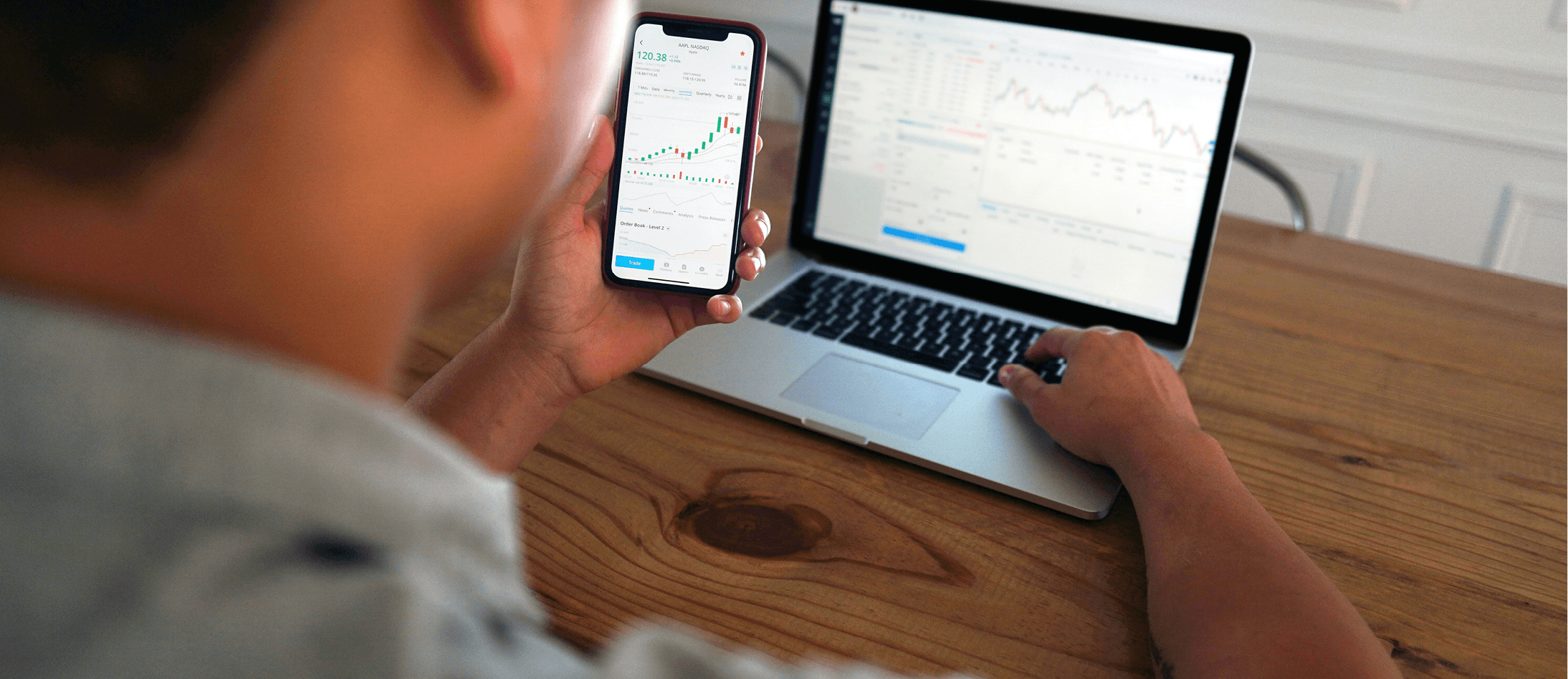
The invite-only model feels arbitrary because the gap between visibility and access keeps widening. You can see Polymarket's volume, follow its markets in real time, and watch others trade, but you can't get in without an invite or risk being outside restricted regions. That mismatch creates the kind of frustration that appears to be artificial scarcity. When a platform processes billions in volume while you're stuck on a waitlist, it's easy to assume the barrier exists to manufacture hype.
The Numbers Tell a Different Story
According to Forbes, total prediction market trading volume hit about $44 billion in 2025, with roughly $21.5 billion processed on Polymarket alone. Industry reports show global volume climbed even higher, reaching around $63.5 to $64 billion in 2025, representing more than 400 percent year-over-year growth. Combined monthly trading volume across major platforms like Polymarket and Kalshi reached about $18.3 billion in February 2026, up from less than $2 billion just six months earlier. The market is scaling faster than almost anyone predicted.
Why Access Feels Broken
Demand is accelerating, participation is increasing, and the infrastructure is clearly handling the load. Yet access remains restricted for many users, especially those in the United States. From the outside, it looks like gatekeeping. You're watching a market grow in real time while being told you can't participate. That's not just frustrating. It feels like being locked out of something you should already be part of.
Breaking the Access Barrier
The assumption that Polymarket is invite-only for exclusivity misses what's actually happening. Platforms like Bullpen take a different approach, integrating prediction markets alongside perpetuals and token trading without waitlists or regional gatekeeping. The fragmentation you experience when trying to access Polymarket, fund your account, and navigate platform restrictions is exactly the kind of friction that centralized, accessible platforms aim to eliminate. When access is open and execution is unified, the invite-only model starts to feel like an outdated response to a solvable problem.
The Real Tension Isn't About Hype
The frustration comes from watching a market prove its demand while access remains gated. You're not imagining the disconnect. The platform is processing billions, the category is growing faster than its regulatory framework can keep up with, and you're still waiting. That's not artificial scarcity. It's a controlled response to regulatory risk and market structure constraints that the platform hasn't fully explained to its users. But the real reason this keeps happening goes deeper than most people realize.
Related Reading
Why Is Polymarket invite-only
Where Is Polymarket Based
How To Withdraw From Polymarket
How Old Do You Have To Be To Use Polymarket
When Will Polymarket Be Legal In The Us
The Real Reason, Regulatory Pressure Changed Everything

Access isn't restricted by choice. It's restricted by enforcement. In 2022, the Commodity Futures Trading Commission determined that Polymarket had been operating as an unregistered derivatives market. The platform agreed to a $1.4 million civil penalty and committed to blocking US-based traders unless it could operate within a compliant regulatory framework. That settlement didn't just impose a fine. It fundamentally changed who could participate and how the platform could grow.
Compliance Became the Constraint
The shift to invite-only access is a direct response to that enforcement action. Opening the platform broadly in the US without strict compliance measures would risk further penalties. Polymarket operates in two modes:
More open in jurisdictions with fewer constraints
Tightly controlled, where regulation is strict
The invite system allows the platform to manage who gets access, how they're onboarded, and whether compliance requirements are met before scaling further. It's not a growth tactic. It's a legal safeguard.
Regulatory Compliance vs. Rapid Growth
According to KPMG's 2025 regulatory outlook, financial services firms face mounting pressure to demonstrate proactive compliance across multiple jurisdictions. That pressure doesn't just slow expansion. It forces platforms to choose between growth and risk exposure. Polymarket chose caution. The invite model lets them control the pace of onboarding while staying within the boundaries set by regulators.
Why Does This Create Friction for Users
You see the volume, follow the markets, and watch others trade. But you can't get in. That disconnect feels arbitrary, given that the platform's infrastructure clearly handles demand. The bottleneck isn't technical capacity. It's regulatory exposure. Every new user represents potential liability if compliance isn't airtight. So access gets metered, not to manufacture hype, but to manage legal risk in real time. Platforms like Bullpen take a different approach by integrating prediction markets alongside perpetuals and token trading without waitlists or regional gatekeeping. The fragmentation you experience when trying to access Polymarket, fund your account, and navigate platform restrictions is exactly the kind of friction that unified platforms aim to eliminate.
Compliance as a Survival Strategy
When execution is streamlined and access is open, the invite-only model starts to feel like a compliance workaround rather than a necessary structure. The truth is simple. Invite-only isn't about exclusivity. It's about staying operational in a regulatory environment that hasn't kept pace with the category's growth. The platform is scaling cautiously because the alternative is another enforcement action. That's not a marketing strategy. It's survival. But the way access is being reopened reveals something even more calculated.
Staged Reentry, Why Access Is Being Gradually Expanded

Reopening isn't instant because validation can't happen at scale all at once. After the 2022 CFTC settlement, Polymarket couldn't simply flip a switch and resume full public access without risking immediate compliance failures. Every new user represents potential regulatory exposure, ranging from identity verification to jurisdictional restrictions to monitoring trading behavior. The invite-only model allows the platform to phase users in gradually, test compliance systems under controlled conditions, and adjust before expanding further.
Compliance Systems Need Proof, Not Promises
Regulatory frameworks don't accept theoretical readiness as sufficient. They require demonstrated performance over time. That means onboarding infrastructure must prove it can handle identity checks, flag restricted jurisdictions, and monitor suspicious activity without breaking under load. If those systems fail at scale, the consequences aren't just technical bugs. They're legal violations that could trigger another enforcement action or worse. This is why access feels slow even when demand is surging. The platform isn't optimizing for growth velocity. It's optimizing for controlled risk exposure. Each wave of invites serves as a validation layer, proving that compliance mechanisms work before the next cohort enters. That's not inefficiency. It's the only path forward when regulators are watching every move.
Why Unified Platforms Skip the Waitlist
Platforms like Bullpen integrate prediction markets alongside perpetuals and token trading without invite gates or regional restrictions. The fragmentation you experience trying to access Polymarket, verify your identity, and navigate compliance barriers is exactly the friction that unified platforms eliminate by design. When execution is streamlined and onboarding is open, the staged reentry model starts to look less like necessary caution and more like a structural limitation.
The Cost of Getting It Wrong
Rushed expansion creates exposure faster than compliance teams can manage it. One misconfigured identity check, one user from a restricted jurisdiction slipping through, one pattern of suspicious trading going undetected, and the platform risks another settlement or worse. The invite system isn't about creating artificial scarcity. It's about ensuring every layer of the compliance stack performs correctly before adding another thousand users who could expose new failure points. But controlling access is only half the equation. The harder part is what happens after users get in.
Related Reading
How Does Polymarket Work
Polymarket Prediction Market: How It Works
Polymarket Fee Structure
Polymarket Prediction Market Accuracy
When Will Polymarket Be Legal In The US
How Does Polymarket Resolve Markets
Controlled Growth, Managing Risk and Market Integrity

Prediction markets aren't like token trading or perpetuals. Prices move on information, expectations, and sometimes privileged knowledge, creating unique manipulation risks. When user volume surges too quickly, oversight becomes nearly impossible. Platforms struggle to detect unusual patterns, prevent insider trading, and enforce fair participation rules as volume increases. That's why controlled growth matters beyond compliance.
Why Rapid Scaling Breaks Market Integrity
A sudden influx of users doesn't improve market efficiency. It creates distortion. Large volumes of new participants move prices based on speculation, coordinated behavior, or misunderstanding of how these markets work, not on better information. Small inefficiencies compound into significant pricing errors when operating at scale.
Scaling the Oversight Challenge
According to the Commodity Futures Trading Commission's 2026 guidance on event-based contracts, prediction markets require active oversight to prevent manipulation and ensure market integrity. That oversight becomes exponentially harder as user numbers increase rapidly. The challenge is operational, not theoretical. Monitoring trading behavior and detecting unusual patterns becomes significantly harder as user volume grows. Compliance systems and monitoring tools face difficulty being tested and validated when exposed to full-scale demand too quickly. Issues that emerge at a larger scale become harder to contain and correct compared to smaller-scale problems caught early.
Testing Under Real Conditions
Limiting access allows platforms to test monitoring tools and trading restrictions under controlled conditions before full expansion. If detection systems fail to flag suspicious activity with 10,000 users, they'll fail catastrophically with 100,000. The invite model creates space to refine safeguards, monitor how markets respond, and correct issues on a smaller scale before they become systemic failures. That's not about manufacturing scarcity. It's about ensuring the infrastructure can actually protect market integrity before scaling.
Platforms like Bullpen eliminate this fragmentation entirely by integrating prediction markets alongside perpetuals and token trading without waitlists or staged access. When execution is unified and onboarding is open, the friction of invite systems and phased rollouts disappears. The "just click buy" approach removes the compliance theater that treats access as a privilege to be earned rather than a service to be provided.
The Cost of Getting Market Integrity Wrong
Every new user represents potential exposure to manipulation, insider trading, or coordinated price distortion. Platforms need to maintain tighter control over user behavior during sensitive growth phases, not to limit participation, but to reduce the risk of both regulatory breaches and market instability during relaunch. One pattern of suspicious trading going undetected, one coordinated group moving prices without detection, and the platform risks another enforcement action. Controlled growth through invite-only access allows platforms to improve oversight quality while rebuilding infrastructure at scale, testing each layer before adding the next cohort. But the way this affects actual traders reveals something most platforms won't say directly.
What This Means for Traders
The platform you're trying to enter isn't the same one that existed before the CFTC settlement. Access now comes with expectations. Your activity will be monitored more closely than on most crypto-native platforms. Trades get flagged for unusual patterns, identity verification is stricter, and the platform prioritizes compliance over convenience. If you're used to pseudonymous participation or minimal friction, this environment will feel different.
Preparation Matters More Than Timing
Getting off the waitlist isn't about luck or how early you signed up. It's about meeting compliance requirements that the platform can verify. That means having clear identity documentation, operating from an approved jurisdiction, and understanding that your trading behavior will be scrutinized from day one. The invite system filters for users who fit within the platform's risk tolerance, not just those who want access most urgently. According to CNBC's analysis of 2025 trading patterns, market participants who adapted quickly to new regulatory frameworks maintained better execution quality than those who resisted structural changes. The traders who thrived weren't the ones pushing against restrictions. They were the ones who understood the new rules and positioned themselves accordingly before access opened.
The Environment Rewards Different Behaviors Now
Platforms operating under tighter oversight create different incentives. Aggressive position sizing that might work on unregulated venues can trigger compliance reviews here. Coordinated trading that appears to be market manipulation is detected faster. The systems monitoring your activity aren't optional features. Their core infrastructure is designed to prevent the kind of behavior that caused the enforcement action in the first place.
Why Unified Platforms Skip This Friction Entirely
Platforms like Bullpen integrate prediction markets alongside perpetuals and token trading without waitlists, staged access, or regional gatekeeping. The fragmentation you experience when navigating Polymarket's invite system, verifying your identity across multiple checkpoints, and adjusting to heightened monitoring is exactly the friction that unified execution eliminates. When onboarding is open and trading is streamlined, the compliance theater that treats access as earned privilege rather than provided service disappears entirely. The real shift is strategic. You're not just waiting for access. You're entering a system built to operate within regulatory boundaries that didn't exist when prediction markets first scaled. That changes what success looks like, how you should approach participation, and which behaviors get rewarded versus flagged.
How Bullpen Helps Traders Navigate Restricted Markets

By now, the pattern is clear. Access to platforms like Polymarket is controlled, delayed, and dependent on regulatory readiness. Most traders wait, leaving them unprepared when access finally opens. The real opportunity is not just getting access. It's being ready to act the moment you have it. Bullpen is built to remove the fragmentation that slows traders down. Instead of juggling multiple wallets, bridges, and platforms, Bullpen puts everything in one place, from Bitcoin and Solana meme coins to Hyperliquid perpetuals and Polymarket. That matters in restricted environments because access is already limited. The last thing you want is additional friction when you're finally able to trade.
Information Asymmetry is a Solvable Problem
In fast-moving markets, knowing what top traders are doing can significantly impact outcomes. Bullpen lets you follow high-performing traders from X with verified PnLs, see a live leaderboard of who is actually winning, and get notified the moment top performers open positions. That turns passive observation into actionable insight. When access is delayed, most traders lose time. With Bullpen, that time becomes preparation. You can track real strategies, understand positioning across markets, and build context before committing capital.
Execution Speed Matters When Opportunities are Time-Sensitive
According to TheStreet Pro, 8 companies were reshuffled in portfolio positioning as market conditions shifted heading into 2025, reflecting how quickly strategic allocation needs to adapt. Bullpen simplifies execution by letting you buy crypto with Apple Pay, fund your account directly, use leverage, and move quickly across markets, all within one platform. When Polymarket access becomes available, you're not experimenting. You're executing based on observed patterns and real performance data. A simple example shows how this plays out. A trader interested in prediction markets can monitor how top traders position around major events, track sentiment shifts, and prepare capital allocation. When access opens, they're not starting from zero. They're acting on informed signals built during the waiting period, positioned to move while others are still figuring out how to fund their accounts.
Buy Crypto Today With Bullpen
If platforms are controlling access to manage risk, your edge comes from controlling everything else:
Your tools
Your information
Your execution
Deposit on Bullpen to unify your trading setup, follow verified top performers in real time, and be ready to act the moment opportunities open. You'll also earn a 500-point bonus on deposit, plus a free introductory call when you fund your account with $1,000 or more, so you can start trading with a clear, structured approach from day one. The invite system isn't going away tomorrow. But you don't have to wait passively. Build your knowledge base now, track how markets move, and position yourself to execute faster than traders who spent months on a waitlist without preparing. When access opens, speed and preparation matter more than timing ever did.
Related Reading
How To Fund a Polymarket Account
How To Make Money On Polymarket
How To Invest In Polymarket
How To Copy Trade On Polymarket
Polymarket Prediction Market Features
Polymarket Analytics Tools
Polymarket Trading Strategies
How To Create A Market On Polymarket
How To Use Polymarket In The US
Last Updated:
April 6, 2026