
When will Polymarket be legal in the US? Get the 2026 status, CFTC approval details, and state restrictions. Read the latest update.
Prediction markets like Polymarket have captured global attention, but US traders face a frustrating reality: the platform remains off limits due to regulatory restrictions. If you've been wondering when Polymarket will be legal in the US or searching for ways to bet on Polymarket once regulations shift, you're not alone. This article breaks down the current legal status, examines potential pathways to legalization, explores the 2026 outlook, and explains what regulatory changes might make prediction market betting accessible to American users.
Getting started with Polymarket requires cryptocurrency, and Bullpen's buy crypto service is essential for your preparation. While you wait for regulatory clarity and legal access, understanding the funding process puts you ahead of the curve. Bullpen simplifies the crypto purchasing experience, ensuring that when Polymarket does become available to US residents, you'll already know how to fund your account and participate in prediction markets without delay.
Summary
Polymarket operates legally in the United States today, having acquired a CFTC-licensed exchange and received federal regulatory approval in 2025. The platform returned after nearly four years' absence from the U.S. market, but legal status does not guarantee immediate access. Most users still join waitlists and receive invitations in waves rather than gaining instant entry.
The U.S. version of Polymarket is fundamentally different from its global counterpart. While the global platform hosts 304 live prediction markets with direct wallet connections and rapid onboarding, the U.S. version operates under CFTC oversight with stricter verification processes, longer market approval timelines, and intermediary requirements that slow execution.
Execution delays from fragmented infrastructure cost more than transaction fees. Research shows that 95% of traders fail within their first year, with execution friction as a major contributor. When opportunities require moving capital across separate platforms for tokens, perpetuals, and prediction markets, the time lost between spotting a signal and executing a trade often eliminates the edge entirely.
Phased access creates a preparation advantage that most traders ignore. By the time regulatory approval arrives, you need a working knowledge of funding processes, contract settlement mechanics, and position management within a compliant framework.
The split between U.S. and global operations reflects an industry-wide pattern rather than a Polymarket-specific choice. Platforms separate regulated U.S. versions from flexible global versions because they solve incompatible problems.
This is where buy crypto fits in, consolidating execution across tokens, perpetuals, and prediction markets into a single unified interface, so that when Polymarket access finally arrives, your funding infrastructure and execution workflow are already positioned to act without platform-switching delays.
Polymarket Is Legal in the US, But Most Users Still Can’t Access It
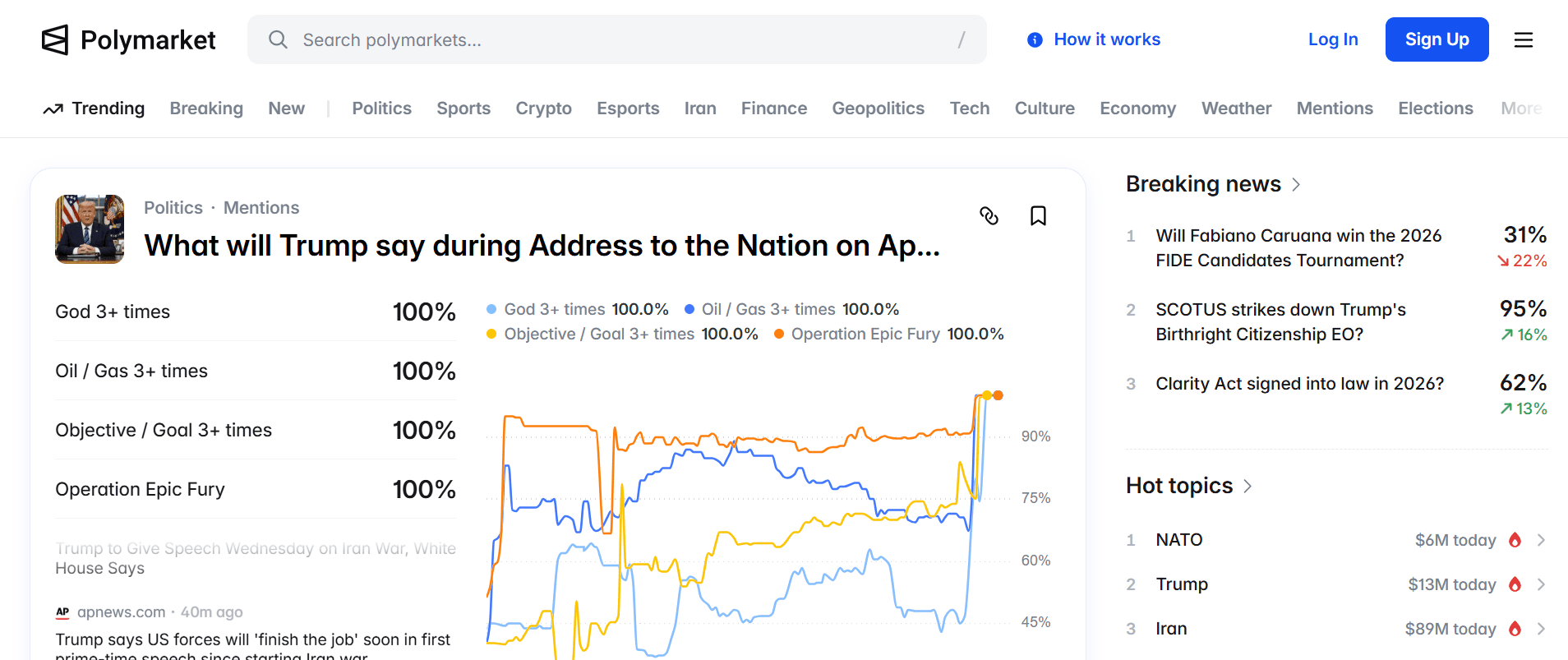
Polymarket operates legally in the United States today. After acquiring a CFTC-licensed exchange, the platform returned with regulatory approval and launched a U.S.-specific app. But legal status and actual access are not the same thing.
Instead of opening to everyone at once, Polymarket is rolling out in stages. Users join waitlists, receive access in waves, and many still cannot place trades. The platform exists, but the door remains partially closed.
Why Legality Doesn't Mean Availability
The confusion stems from a simple misunderstanding. Most people assume that once a platform becomes legal, it becomes usable. That assumption breaks down when regulatory compliance requires phased implementation.
Polymarket's U.S. version operates under different constraints than its global counterpart. What markets can be offered, how users are verified, and which features launch first all require careful coordination with regulators. Front Office Sports reported that the platform generated $3.7 billion in trading volume, underscoring massive demand that must now be channeled through compliant infrastructure. That scale cannot be replicated overnight within a regulated framework.
Permission Gaps and Participation Friction
So even though the platform is technically live, the experience remains limited. You can sign up, but you might wait weeks. You might gain access, but find fewer markets than expected. The gap between permission and participation creates friction that feels invisible from the outside but very real to users trying to get started.
The Staged Rollout Creates a New Problem
Legality determines whether a platform can exist. Availability determines whether you can use it. Right now, Polymarket sits between those two states, and that creates a different challenge entirely.
Users who want to participate in prediction markets face a new kind of barrier. It is no longer about breaking rules or finding workarounds. It is about timing, patience, and being ready when access finally arrives. The platform's gradual expansion means that preparation matters more than urgency.
Onboarding Readiness and Infrastructure Bridging
For traders already familiar with crypto infrastructure, this gap is manageable. But for newcomers, the learning curve compounds. By the time access opens, you need to understand how to fund an account, manage wallets, and execute trades. Waiting without preparation just extends the delay.
Platforms like buy crypto help bridge that gap by simplifying funding across tokens, perpetuals, and prediction markets through a single interface, so when Polymarket access arrives, you are already equipped to act.
What Changed: How Polymarket Became Legal in the US

The shift did not happen overnight. It was a series of very specific regulatory and structural moves that allowed Polymarket to re-enter the U.S. legally.
The turning point was the acquisition of QCX.
In July 2025, Polymarket acquired QCX LLC and QC Clearing, a derivatives exchange and clearinghouse already licensed by the Commodity Futures Trading Commission. The deal was valued at $112 million and effectively gave Polymarket a ready-made regulatory foundation in the U.S.
This was not just an expansion move. It was a workaround to a core problem. Instead of applying for licenses from scratch, which can take years, Polymarket bought an entity that already had approval to operate.
What Federal Approval Actually Required
That acquisition opened the door, but it was not enough on its own. The next step was regulatory approval. In September 2025, the CFTC issued a no-action letter regarding QCX, allowing it to operate under specific conditions without triggering enforcement action. Then, in November 2025, Polymarket received an Amended Order of Designation, formally allowing it to operate as a regulated exchange under U.S. law.
Regulatory Integration and Domestic Reentry
This designation effectively placed Polymarket within the same regulatory category as other federally supervised trading venues. Front Office Sports reported that this return came after nearly four years of absence from the U.S. market, a gap that left American traders locked out while global volume surged. That is what changed everything.
With that approval, Polymarket could onboard U.S. users through regulated intermediaries, offer event-based contracts within a compliant structure, and operate under full federal oversight. In other words, it transitioned from an offshore platform to a regulated U.S. market participant.
How the Platform Itself Had to Change
At the same time, the product itself evolved. Polymarket launched a U.S.-specific version of its platform, designed to meet regulatory requirements. This version is not identical to the global platform. It operates with stricter controls, different onboarding processes, and a more structured market offering.
The shift is best understood as a structural change, not just a legal one. Polymarket moved from a crypto-native platform operating outside U.S. regulation to a CFTC-regulated exchange operating within U.S. financial rules. That is why it is now legal. Not because regulations suddenly changed, but because Polymarket changed how it operates to fit them.
Consolidating Cross-Market Execution Infrastructure
Most traders still juggle multiple platforms to access tokens, perpetuals, and prediction markets separately, each with its own funding process and interface. As prediction markets gain regulatory clarity, that fragmentation becomes harder to justify. Platforms like buy crypto consolidate execution across all three categories into one unified interface, eliminating the need to manage separate wallets and accounts just to participate in different market types.
But legal status alone does not guarantee a smooth user experience, and that is where the next layer of friction appears.
Related Reading
Why Is Polymarket invite-only
Where Is Polymarket Based
How To Withdraw From Polymarket
How Old Do You Have To Be To Use Polymarket
When Will Polymarket Be Legal In The Us
Why You Still Can’t Fully Use Polymarket in the US

Legal approval and functional access are not the same thing. Polymarket operates legally in the U.S. today, but the platform remains partially closed to most users. You can't just create an account and start trading. Access is controlled through waitlists, rolled out in stages, and subject to verification processes that take time.
The Phased Rollout Limits Who Gets In
The platform isn't open to everyone at once. Polymarket is onboarding users gradually, which means thousands of people who want access still don't have it. You join a waitlist, you wait, and eventually you might receive an invitation. That delay alone creates friction between interest and participation.
The reason for this approach is structural. Regulatory compliance requires careful user verification, market approval processes, and coordinated oversight that cannot scale instantly. According to Sportico, the platform handled $3.2 billion in global trading volume, demonstrating massive demand that must now flow through controlled infrastructure. That kind of volume cannot be replicated overnight within a regulated framework without risking compliance failures.
The U.S. Version Operates Under Different Constraints
Even when you gain access, the experience differs from the global platform. The U.S. version operates within a regulated framework that limits what markets can be listed, how contracts are structured, and how quickly new opportunities go live. Every market must meet regulatory standards before it launches, which slows down the pace of new listings and narrows the range of available trades.
This isn't just about fewer markets. It's about a different operational model. The global version of Polymarket operates with more flexibility because it sits outside U.S. regulatory oversight. The U.S. version must comply with CFTC rules, which means stricter controls, longer approval timelines, and more conservative market offerings.
Intermediaries Add Friction to the Process
The U.S. setup often involves brokers or intermediaries as part of the compliance model. Unlike the global platform, where users interact more directly with markets, the regulated version requires additional layers between you and execution. That changes how accounts are created, how trades are processed, and how funds move through the system. For traders used to crypto-native platforms where execution happens in seconds, this feels slower and more cumbersome.
Most traders still manage separate accounts for tokens, perpetuals, and prediction markets, each with its own onboarding flow and funding process. Platforms like buy crypto eliminate that fragmentation by consolidating execution across all three categories into one unified interface, so when Polymarket access finally arrives, you're already positioned to act without rebuilding your entire setup.
The Split Model: Polymarket US vs Global Polymarket

The platform you access depends entirely on where you live. Polymarket operates as two separate products under one brand. The U.S. version runs through CFTC-regulated infrastructure with strict compliance requirements. The global version operates with fewer regulatory constraints and broader market access.
The U.S. Version is Built for Compliance
Polymarket US functions like a traditional financial platform. Every market must receive regulatory approval before going live. User verification follows strict identity and anti-money laundering protocols. Access flows through regulated intermediaries rather than direct wallet connections.
That structure creates safety and legal clarity, but it also slows everything down. Markets appear weeks after global counterparts. Onboarding takes longer. The experience feels more controlled because it is.
The Global Version Prioritizes Speed and Flexibility
Outside the U.S., Polymarket operates differently. Users connect wallets directly, onboarding happens in minutes, and new markets launch without waiting for regulatory sign-off. Polymarket's platform currently hosts 304 live global prediction markets, demonstrating the scale and variety that becomes possible without U.S. regulatory constraints.
That flexibility is what made the platform popular in the first place, but it also means operating in jurisdictions with less legal certainty.
Why Platforms Split Their Operations
This dual structure is not unique to Polymarket. Many crypto platforms separate U.S. operations from global ones because they are solving incompatible problems. The U.S. market offers legitimacy, institutional access, and a large user base, but requires a compliance infrastructure that takes years to build.
Global markets enable faster innovation and broader experimentation, but also carry regulatory uncertainty that can shift without warning. So instead of choosing one path, platforms build both. A regulated version for markets that demand oversight. A flexible version for markets that prioritize speed.
Unified Infrastructure Amidst Jurisdictional Trade-offs
Most traders still manage separate platforms for tokens, perpetuals, and prediction markets, each with its own onboarding flow and funding mechanisms. As prediction markets gain regulatory traction, that fragmentation becomes harder to justify. Platforms like buy crypto consolidate execution across all three categories into one interface, so regardless of which Polymarket version you eventually access, your infrastructure is already unified and ready.
The tradeoff is clear. U.S. users get regulatory protection and legal clarity, but they sacrifice speed and market variety. Global users get flexibility and broader access, but they operate with less oversight and more jurisdictional risk. Your location determines which side of that equation you fall on, and there is no way around it.
Related Reading
How Does Polymarket Work
Polymarket Prediction Market: How It Works
Polymarket Fee Structure
Polymarket Prediction Market Accuracy
When Will Polymarket Be Legal In The US
How Does Polymarket Resolve Markets
What This Means for Traders Right Now

Access has become conditional rather than binary. You are either approved and onboarding, or on a waitlist, watching opportunities pass by. That shift changes how traders operate today. Instead of planning around availability, you plan around approval timelines, phased access, and the possibility that when your invitation arrives, you still need to learn how the regulated version actually works.
The immediate consequence is fragmentation. Prediction markets sit on one platform. Token trading happens somewhere else. Perpetuals require another account entirely. Nothing connects, so every trade requires moving capital, switching interfaces, and managing separate onboarding flows just to stay active. That friction compounds when opportunities are time-sensitive.
Execution Delays Cost More Than Fees
When a market moves, speed determines whether you capture value or miss it. But if your setup is fragmented, execution slows down. You spot a signal on one platform, realize your funds are locked in another, and by the time you move capital and execute, the edge is gone. Bookmap Blog found that 95% of traders fail within their first year, and execution friction is a major contributor to this. It is not just about making the right call. It is about being positioned to act on it.
Most traders juggle multiple wallets, separate accounts for tokens and perps, and now wait for access to prediction markets to open. Platforms like buy crypto consolidate execution across tokens, perpetuals, and prediction markets into one unified interface, eliminating the need to shift funds or switch platforms mid-trade. When Polymarket access finally arrives, you are already positioned to act without rebuilding your entire setup.
The Real Issue Is Readiness, Not Just Access
Waiting without preparation extends the problem. By the time you receive approval, you need to understand how funding works, how contracts settle, and how to manage positions within a regulated framework. That learning curve is not optional, and it does not disappear just because access opens. Traders who prepare while waiting gain weeks of advantage over those who scramble after approval arrives.
The current state is not full exclusion. It is partial access with structural delays. You can participate, but only if you are approved, only in certain markets, and only after navigating onboarding processes that take longer than they used to. That is the reality for most traders right now. Not locked out, but not fully enabled either.
How Bullpen Helps You Trade Without Fragmentation
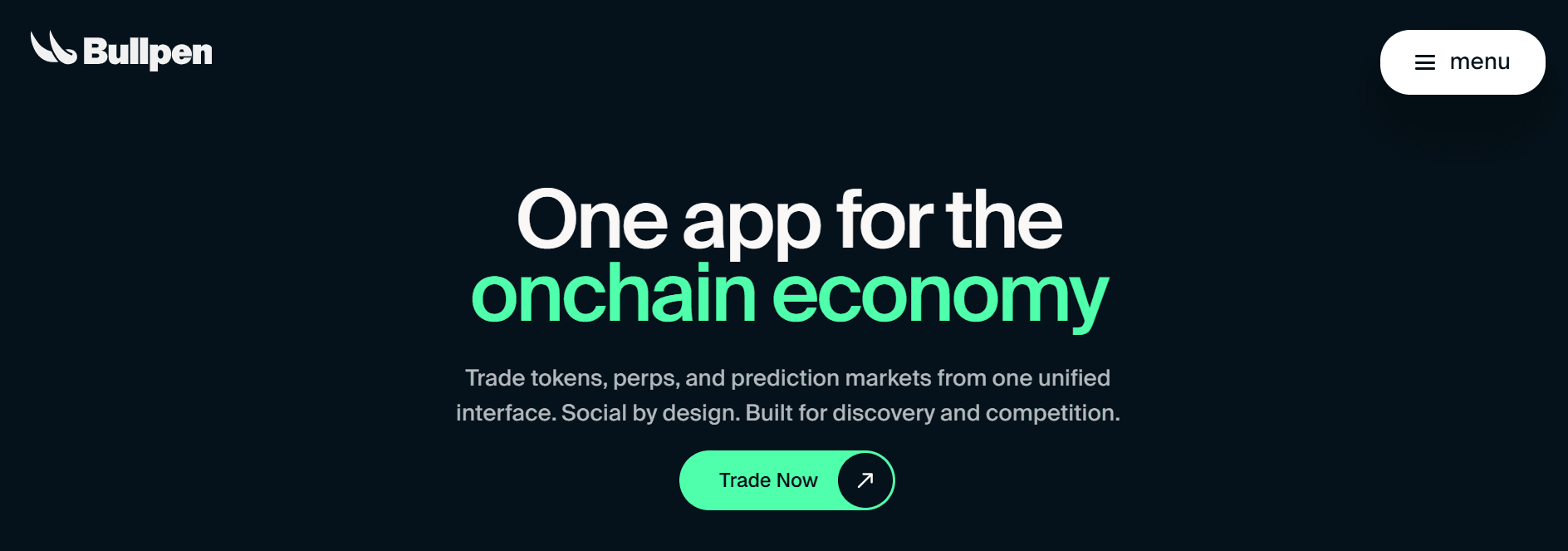
The real problem is not whether Polymarket eventually opens to everyone. It is that your entire trading setup is split across too many disconnected places, each requiring separate funding, interfaces, and workflows, which slow you down when speed matters most.
Bullpen eliminates that structure entirely. Instead of managing tokens on one platform, perpetuals on another, and prediction markets on a third, you operate from a single environment where capital moves instantly across all three categories. No transfers between wallets. No waiting for funds to settle before executing. You see an opportunity, you act on it, and your capital is already positioned exactly where you need it.
Information and Execution in One Place
The bigger shift is how discovery connects to action. Most traders still rely on fragmented signals scattered across Twitter feeds, Discord channels, and separate analytics dashboards. By the time you process the information and switch platforms, the edge is gone.
Bullpen consolidates that entire workflow. You follow top traders with verified PNLs, track real performance on a live leaderboard, and receive instant notifications when they open positions. You are not reacting hours later. You are seeing what works and executing alongside proven performers in real time, all without leaving the platform.
Why Consolidation Changes the Game
Regulated rollouts and phased access create delays you cannot control. But you can control how prepared you are when access finally arrives. Traders who already operate within unified infrastructure do not need to rebuild their setup, learn new funding processes, or figure out how to move capital efficiently under time pressure. They are already positioned.
Where fragmentation forces you to choose between speed and opportunity, Bullpen removes that tradeoff entirely. You are no longer managing multiple tools. You are operating within a system built for immediacy, where the moment Polymarket access opens, you are already equipped to act without hesitation.
Related Reading
• How To Make Money On Polymarket
• Polymarket Analytics Tools
• Polymarket Prediction Market Features
• How To Fund a Polymarket Account
• How To Copy Trade On Polymarket
• How To Create A Market On Polymarket
• How To Use Polymarket In The US
• How To Invest In Polymarket
• Polymarket Trading Strategies
Buy Crypto Today With Bullpen
The other half is being positioned to act the moment access arrives. You can wait on the sideline without infrastructure, or you can build your setup now so when Polymarket opens, you are already live. Start with Bullpen today and see your first unified dashboard with live trades, real-time signals, and instant funding in one place.
Deposit now to earn a 500-point bonus, and when you deposit $1,000 or more, you get a free introductory call to optimize your setup before Polymarket access even arrives. Most traders wait until they receive approval, then scramble to learn funding processes, connect wallets, and figure out how to move capital efficiently under time pressure. That delay costs weeks. Instead of treating access as the starting line, treat preparation as the advantage.
Proactive Infrastructure Readiness for Market Access
When your invitation arrives, you should already know how execution works, where your capital sits, and how to act without hesitation. Bullpen removes that learning curve entirely by consolidating tokens, perpetuals, and prediction markets into one interface, so the moment Polymarket opens, you are already operating at full speed.
Regulatory clarity is here. Access is expanding. The question is not whether you will eventually participate. It is whether you will be ready when your turn comes, or whether you will spend your first weeks rebuilding infrastructure while others are already trading. Deposit today, position yourself now, and stop waiting for access to dictate your timeline.
Last Updated:
April 6, 2026